
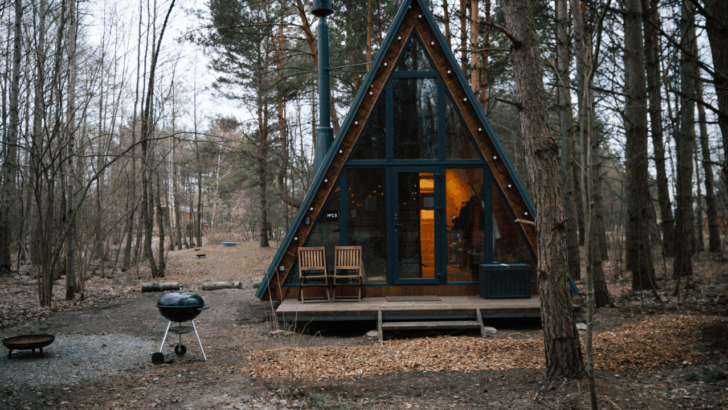
Tiny homes have long captured our interests with their promises of minimalist living, financial freedom, and eco-consciousness. Social media feeds are overflowing with curated images of enchanting miniature abodes nestled on picture-perfect plots of land. Unfortunately, the reality of tiny home living often doesn’t quite align with this narrative.
While there’s no denying the appeal of simplifying and downsizing, it’s important to look beyond the glossy facade and consider the logistical challenges and limitations of tiny homes. From cramped quarters to zoning restrictions, these pint-sized dwellings might not be the ideal solution for everyone.
So, before you downsize your belongings and set out on a tiny living adventure, take a moment to consider these 15 reasons why tiny homes might not be as cool or convenient as they seem.
1. Claustrophobia Central

Image Credit: Depositphotos.com.
Tiny homes are, well, tiny. Living in a tiny home means limited personal space, which can quickly feel cramped, especially if you share it with others. Imagine bumping elbows in the kitchen while someone else tries to brush their teeth in the bathroom – not exactly a recipe for harmonious living.
Research suggests that cramped living spaces can increase stress and decrease well-being. If you value your personal space and enjoy spreading out, a tiny home might feel more like a shoebox than a sanctuary.
2. Storage Struggles

Image Credit: Shutterstock.
Imagine trying to fit your entire wardrobe, kitchen essentials, and cherished mementos into a space smaller than most master bedrooms. That’s the reality of tiny home living. With minimal square footage, storage becomes a constant puzzle. You might find yourself constantly decluttering, rotating seasonal items, or resorting to creative storage hacks just to keep from tripping over your belongings.
Don’t underestimate the amount of stuff you accumulate over time. Paring down to fit into a tiny home requires ruthless prioritization and a willingness to let go of sentimental attachments.
3. Minimalist Lifestyle Mandated
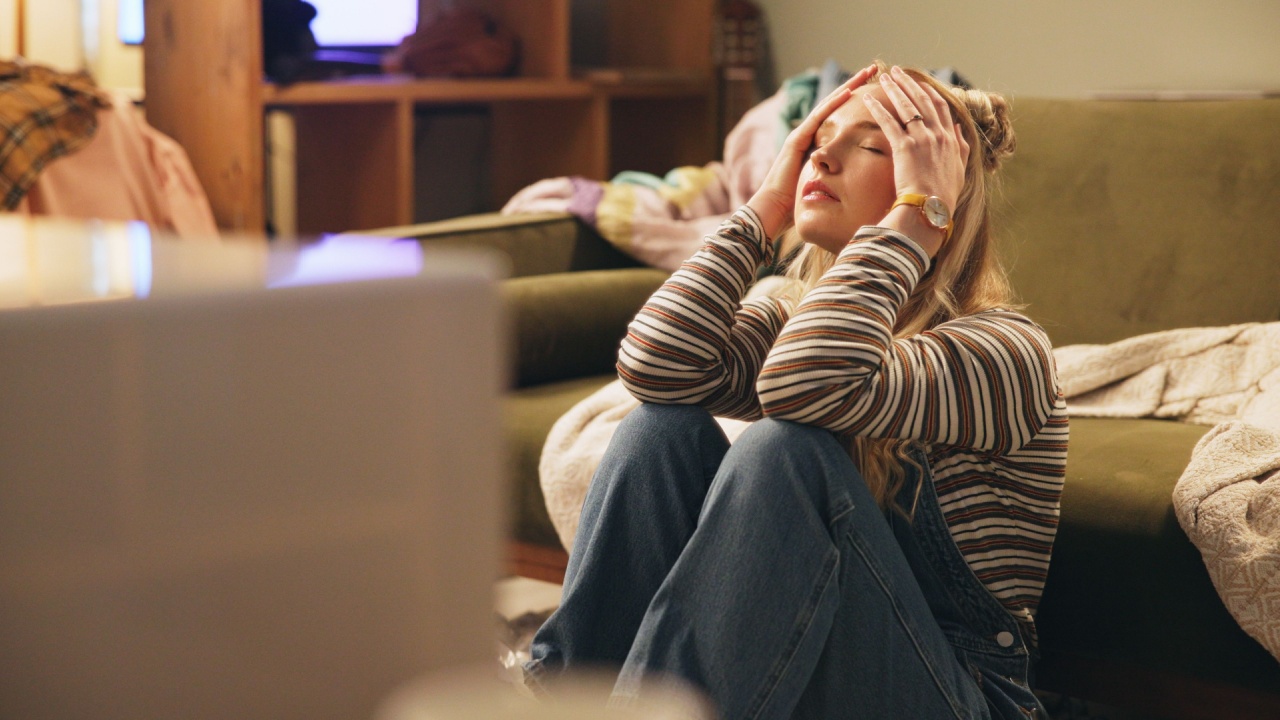
Image Credit: Shutterstock.
Tiny homes aren’t just about downsizing your space; they often dictate a minimalist lifestyle, too. If you cherish your extensive book collection, love displaying unique artwork, or simply enjoy having a variety of possessions, the minimalist ethos of tiny living might feel restrictive.
While some thrive on minimalism’s simplicity and freedom, it’s not a one-size-fits-all solution. Some people struggle to adapt to this lifestyle, finding it difficult to part with belongings that hold sentimental or practical value. Before you embrace the tiny home dream, consider whether you’re truly ready to embrace a minimalist existence.
4. Hosting Limitations

Image Credit: Depositphotos.com.
Inviting friends over for a dinner party or hosting family for the holidays? Think again. Tiny homes are not designed for large gatherings or overnight guests. With limited seating, sleeping arrangements, and dining space, entertaining becomes an ergonomic nightmare.
If you value hosting and enjoy having people over, a tiny home’s limitations could put a damper on your social life. Many homeowners prioritize having ample space to comfortably accommodate guests, a desire that would be difficult to achieve within the confines of a tiny dwelling.
5. Bathroom Woes
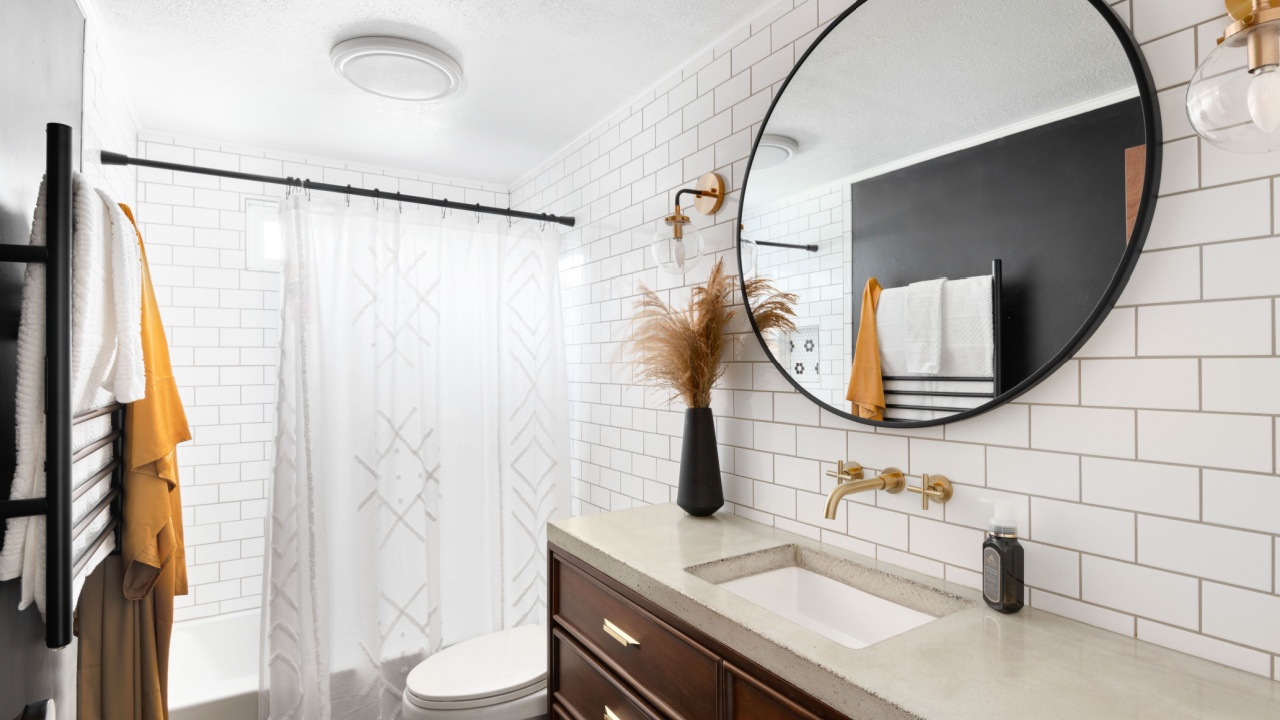
Image Credit: Shutterstock.
Tiny home bathrooms are often the size of a closet and lack the comforts and conveniences of a standard bathroom. These homes see their owners showering in a cramped space with limited hot water and potentially using a composting toilet. If you’re accustomed to spacious bathrooms with double vanities and soaking tubs, adjusting to a tiny home bathroom could be a rude shock. And all your stuff can quickly make the sink feel cluttered.
For many, a relaxing bath or a hot shower is a daily ritual. These simple pleasures might become less enjoyable in a tiny home due to the cramped quarters and limited amenities. A study by the National Association of Home Builders found that 70% of homebuyers consider a spacious master bathroom a must-have feature, highlighting the importance of this space in our daily lives.
6. Temperature Challenges

Image Credit: Depositphotos.com.
Maintaining a comfortable temperature in a tiny home can be a constant battle. With less insulation and smaller heating and cooling systems, these homes are prone to extreme temperature fluctuations. You may swelter in the summer and shiver through the winter, constantly adjusting the thermostat or layering up clothing.
While some tiny homes are designed with energy efficiency in mind, many struggle to maintain a consistent temperature. A tiny home might not provide the cozy sanctuary you’re hoping for if you live in an area with harsh weather conditions.
7. Privacy Concerns

Image Credit: Depositphotos.com.
Privacy is a precious commodity in a tiny home. With paper-thin walls and limited personal space, there’s little escaping the sounds and activities of others. Those living with a partner, family, or roommate should be prepared to hear everything.
Even the most harmonious relationships can be strained by the constant proximity of tiny home living. A good pair of noise-canceling headphones might become your new best friend. Studies have shown that a lack of privacy can lead to increased stress and conflict, making it essential to establish boundaries and communication strategies in a tiny home environment.
8. Limited Mobility

Image Credit: Depositphotos.com.
Tiny homes on wheels offer the allure of freedom and adventure, but they also come with their own set of limitations. While you can theoretically park your home anywhere, zoning restrictions, permits, and finding suitable land can be a real headache.
The nomadic lifestyle might sound appealing, but the reality of constantly moving your home can be exhausting and expensive. Additionally, if you have a job or family ties to a particular area, the mobility of a tiny home might become more of a burden than a benefit. Before you hit the road, consider whether the freedom of movement is worth the potential hassle and instability.
9. Resale Value Uncertainty
Image Credit: Shutterstock.
Unlike traditional homes, which often appreciate over time, the resale value of tiny homes is a wild card. Factors like location, condition, and the ever-changing trends in the tiny home market can significantly impact the price you can fetch for your miniature abode.
While some tiny homes have held their value or even appreciated, others have depreciated rapidly. This uncertainty makes tiny homes a riskier investment compared to traditional real estate. Before you pour your savings into a tiny home, consider whether you’re comfortable with the potential of a lower resale value down the line.
10. Maintenance Challenges
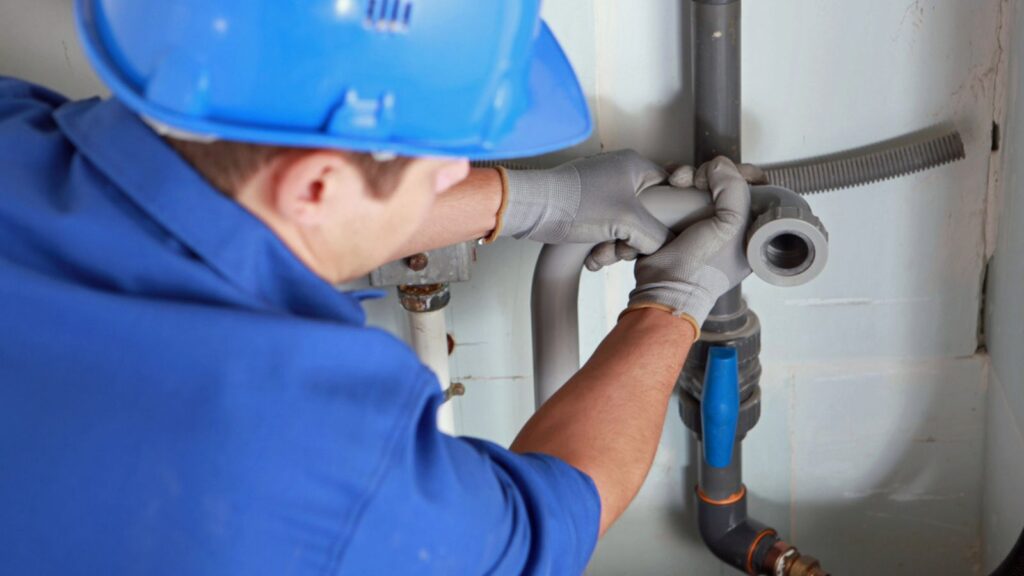
Image Credit: Depositphotos.com.
Tiny homes are not low-maintenance. Their compact size can actually make repairs and upkeep more challenging. Leaks, plumbing issues, and electrical problems can have a disproportionately large impact due to the limited space. Repairs might require specialized knowledge or tools due to their unique construction.
Don’t be fooled by the minimalist aesthetic – tiny homes can be surprisingly high-maintenance. Cramped quarters mean that even minor issues can quickly escalate into major inconveniences. For example, a leaky roof can lead to water damage in multiple areas, whereas the damage caused by a similar leak in a larger home might be more localized. It’s crucial to factor in the potential maintenance costs and challenges before deciding to downsize.
11. Limited Outdoor Space
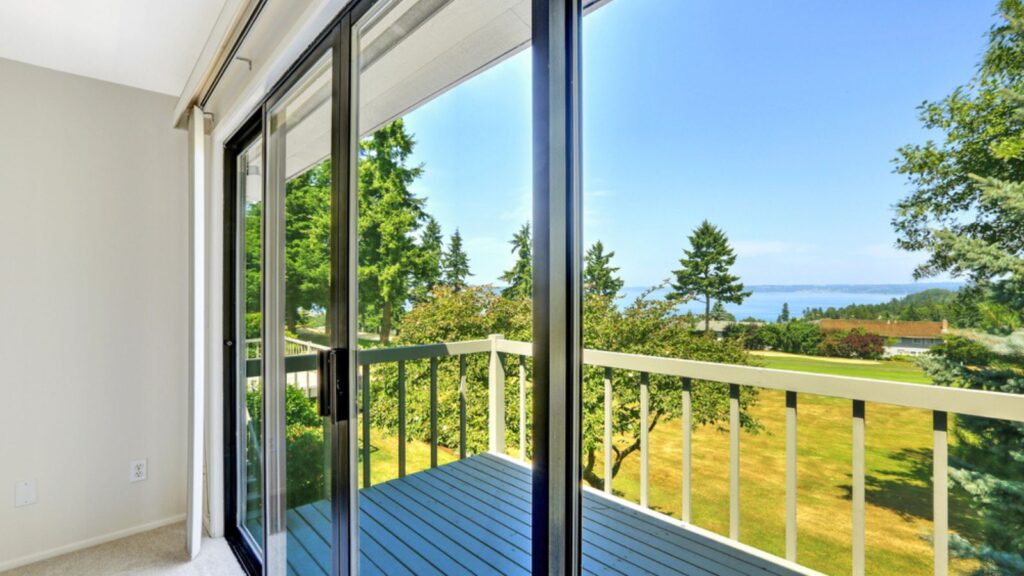
Image Credit: Depositphotos.com.
Picture yourself enjoying a warm summer evening on your spacious patio, surrounded by lush greenery and the sounds of nature. Now, shrink that image down to the size of a postage stamp. That’s the reality of outdoor space in most tiny homes.
Most tiny homes do not have a deck or patio. Whether you have a sprawling yard for gardening, entertaining, or simply relaxing outdoors depends on where you choose to park or live in a tiny home.
If you cherish your outdoor space and enjoy activities like gardening, barbecuing, or playing with pets, choose a tiny home and land based on those preferences.
12. Financial Hurdles

Image Credit: Depositphotos.com.
If you are dreaming of owning a tiny home, be prepared to jump through some hoops. Traditional mortgage lenders often hesitate to finance these unconventional dwellings, and some might not even consider them real estate. This can limit your options and make it difficult to secure a loan.
Unlike traditional real estate, with established appraisal and valuation methods, tiny homes are a relatively new market with less standardized practices. This can make it difficult for lenders to assess the risk and determine loan terms. If you’re not prepared to pay in cash or explore alternative financing options, the path to tiny home ownership might be more difficult than anticipated.
13. Building Code Complications

Image credit: Depositphotos.com.
Don’t assume that just because you can build a tiny home, you can legally live in it. These dwellings often don’t meet the local building codes, leading to a whole host of legal issues, extra costs, and headaches.
Some codes have minimum size requirements for habitable spaces. Others have specific regulations regarding plumbing, electrical systems, and fire safety. Failing to comply with these codes could result in fines, forced relocation, or even the demolition of your tiny home. Before you start building or buying, thoroughly research the building codes in your area to avoid any legal surprises.
14. Limited Pet-Friendliness

Image Credit: Shutterstock.
If you have furry friends, think twice before trying to squeeze them into a tiny home. The lack of space can make it difficult for pets to move around comfortably, and there might not be enough room for them to play or exercise.
While some pet owners have successfully adapted to tiny home living with their animals, it requires careful planning and consideration. You’ll need to find creative ways to provide your pets with enough space and stimulation to keep them happy and healthy. Additionally, consider the potential for noise and mess in a confined space, especially if you have multiple pets.
15. Social Stigma

Image Credit: Depositphotos.com.
While the tiny home movement has gained traction, living in a miniature house can still raise eyebrows. Some people might view it as unconventional, impractical, or even a sign of financial instability. Be prepared for questions, judgments, and the occasional unsolicited advice from well-meaning friends and family.
While societal attitudes are slowly shifting, the stigma surrounding tiny home living can still be a hurdle for some. If you’re sensitive to social pressures or prefer a more traditional lifestyle, the scrutiny that comes with a tiny home might not be worth it.