

As soon as winter hits, tiny visitors show up in the corners of your home, even when everything looks sealed tight. It’s a common thing most households face when the temperatures drop; bugs start hunting for warmth, moisture, and shelter. They aren’t doing it on purpose; they’re simply trying to survive the cold, but that doesn’t mean you want them hanging around your walls, windowsills, or pantry.
While most of these winter invaders are harmless, some are serious pests, and others are just nuisances. But all of them follow the same rule: if your home feels warm and safe, they’ll try to move in. Let’s find out the 12 most common winter home-invading bugs.
1. Cockroaches
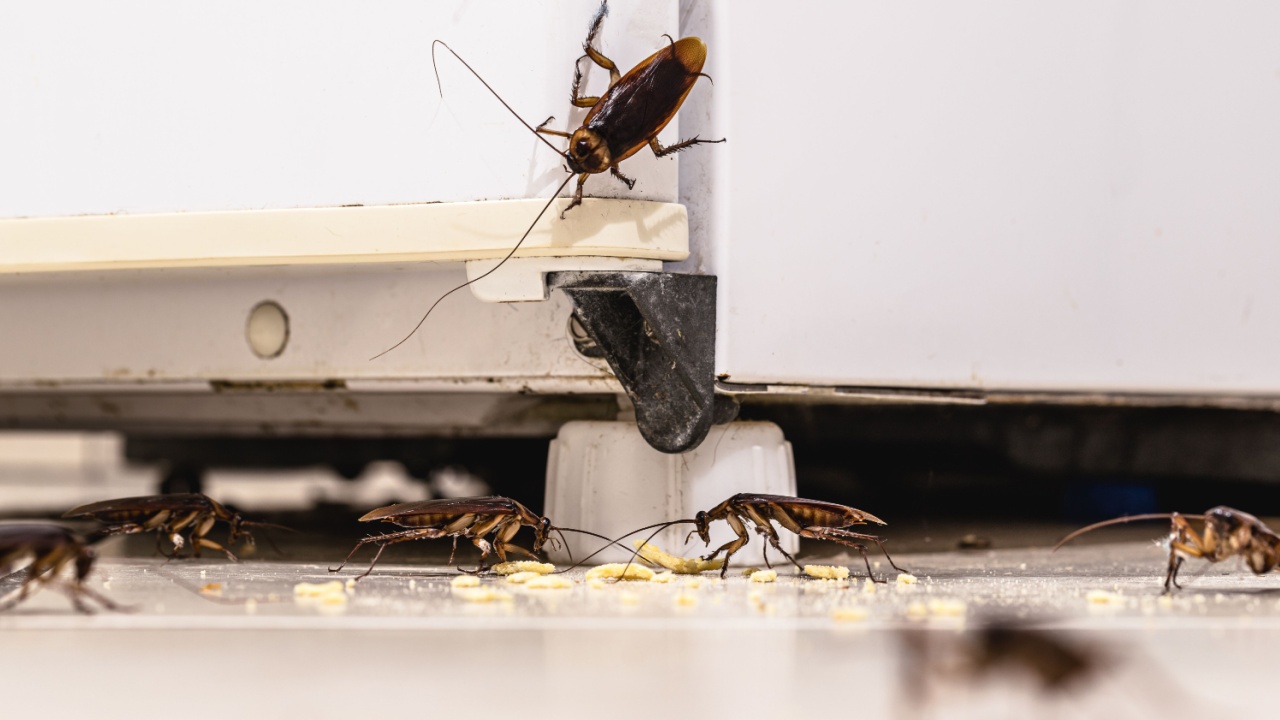
Image Credit: Shutterstock.
Cockroaches are tough. Even when it’s cold, many species will try to find warmth and moisture, which many homes offer in kitchens, bathrooms, and near drains or pipes. They can contaminate food, spread bacteria, and trigger allergies and asthma, and make kitchens or pantries unsanitary.
Quick Tips:
- Seal cracks/gaps around doors, windows, drains, and plumbing entries. Install door sweeps.
- Repair leaks, improve ventilation in bathrooms and kitchens, and avoid standing water.
- Store leftovers, grains, and packaged food in airtight containers; don’t leave dishes or food residue overnight.
- Clean and vacuum cracks, crevices, under sinks, and behind appliances regularly, as these are favorite hiding spots.
2. Spiders
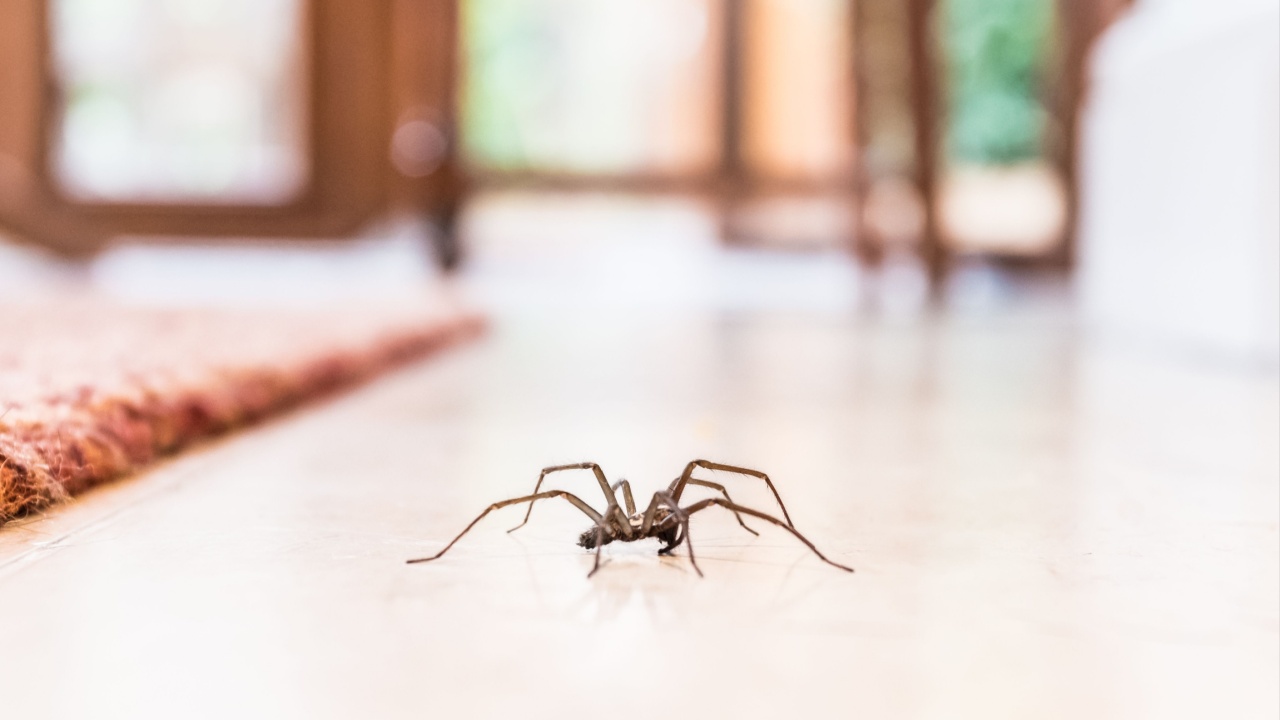
Image Credit: Shutterstock.
When winter sets in, spiders often come inside looking for shelter, especially if they can find dark, undisturbed corners such as attics, basements, closets, and behind furniture.
While many are harmless and even useful (they eat other pests), some species can bite if disturbed, and even harmless spiders can trigger fear, stress, or allergic reactions.
Quick Tips
- Declutter storage areas, basements, and attics. Spiders love undisturbed spaces with webs and dark corners.
- Store seldom-used items in sealed plastic bins instead of paper/cardboard.
- If bringing firewood inside, inspect it carefully, as wood piles can harbor spiders and other bugs.
3. Stink Bugs & Other “Shield-Backed” True Bugs
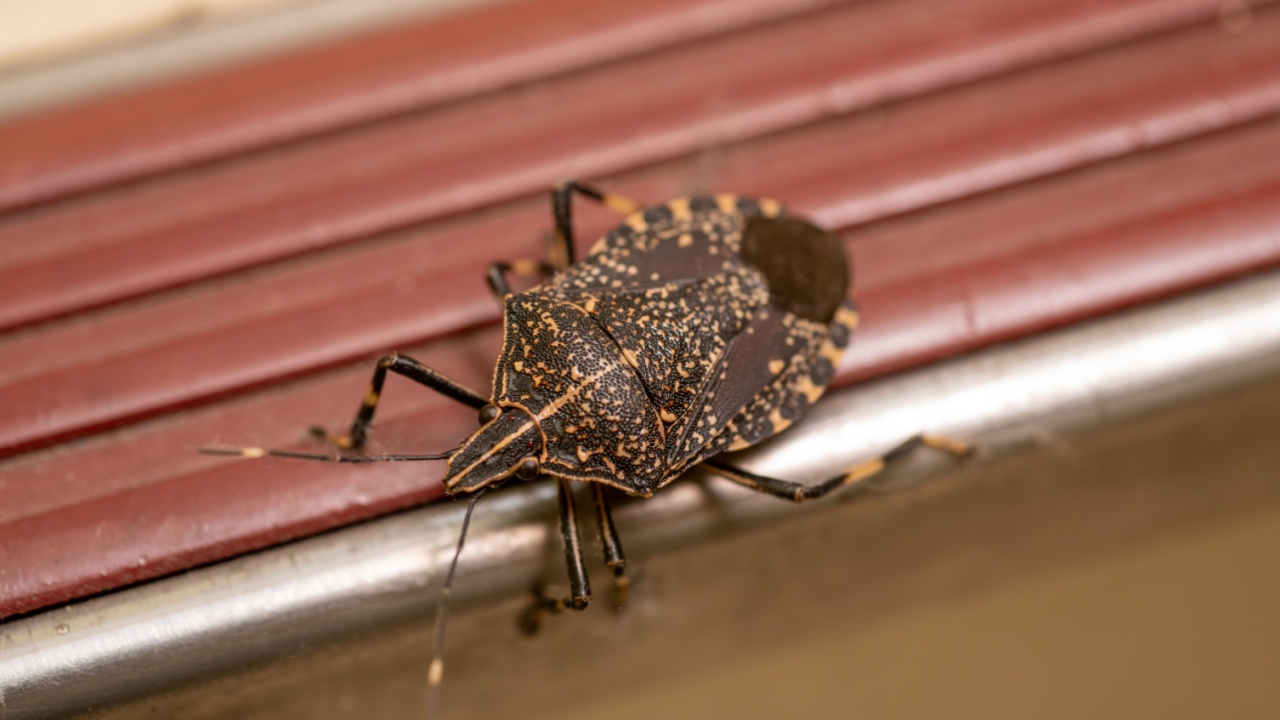
Image Credit: Shutterstock.
Bugs like Brown Marmorated Stink Bug, Boxelder Bug, and related seed-bugs or plant-bugs often enter homes in late autumn to escape the cold. They hide in cracks around windows, doors, siding, chimneys, roof joints, and anywhere they find a small crevice.
Quick Tips:
- Use caulk, weather-stripping, or fine mesh screening.
- Reduce exterior clutter: remove leaf piles, wood, mulch, or debris near walls or foundation.
- If you see a few inside, vacuum them gently (with soft-brush attachment) and dispose outdoors; avoid crushing.
4. Cluster Flies
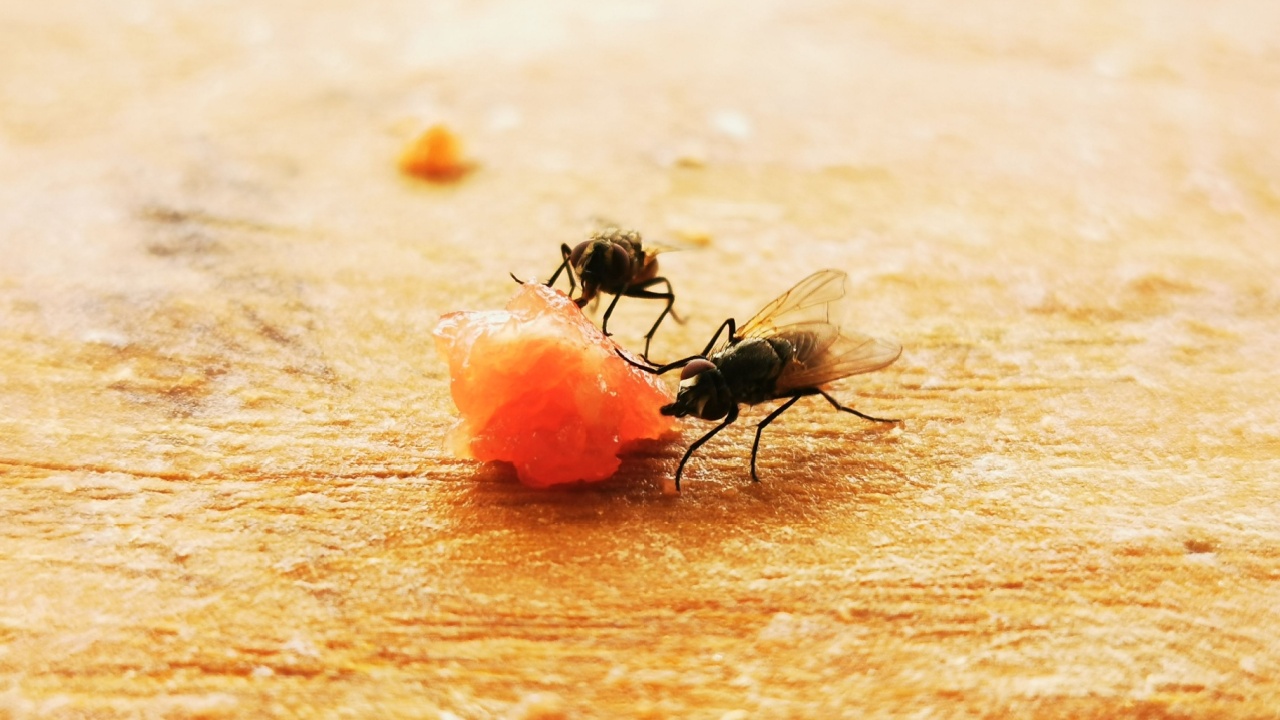
Image Credit: Shutterstock.
Some flies, notably Pollenia rudis (cluster fly), overwinter in homes. In late summer or autumn, large numbers may squeeze under siding, around windows, in vents, or near rooflines and settle into attics, wall voids, or ceilings to hibernate.
Quick Tips:
- Remove any food sources or organic debris that could attract flies.
- Regularly inspect your home for potential entry points and make necessary repairs.
- Natural repellents like eucalyptus, peppermint, or lavender oils can deter cluster flies.
5. Earwigs, Sowbugs / Pillbugs, Centipedes & Other “Occasional Invaders.”
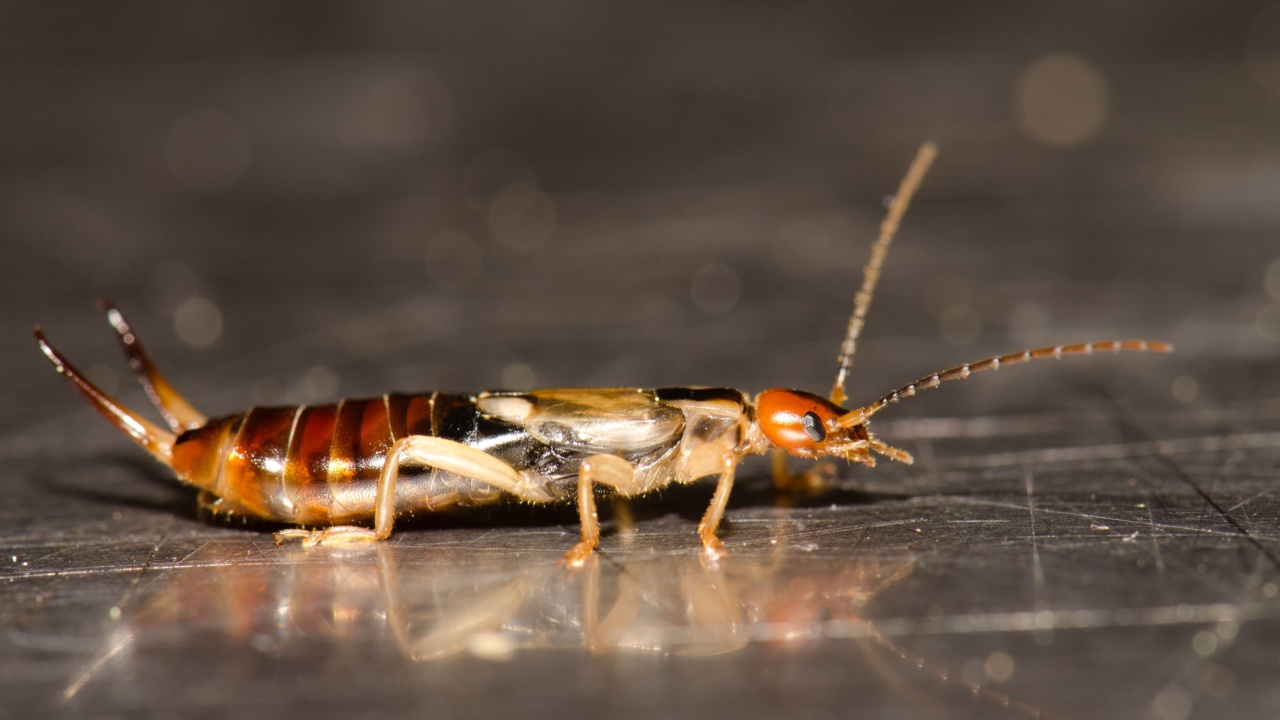
Image Credit: Shutterstock.
Creatures like earwigs, sowbugs (pillbugs), centipedes, and similar soil- or moisture-loving bugs often wander indoors during wet or chilly weather, especially if there’s mulch, decaying leaves, woodpiles, or moist ground near the house.
Quick Tips:
- Keep your doorways or windows tidy
- improve drainage to avoid soggy ground near walls
- If you spot them indoors, just sweep, vacuum, or pick them up and release them outside
6. Silverfish
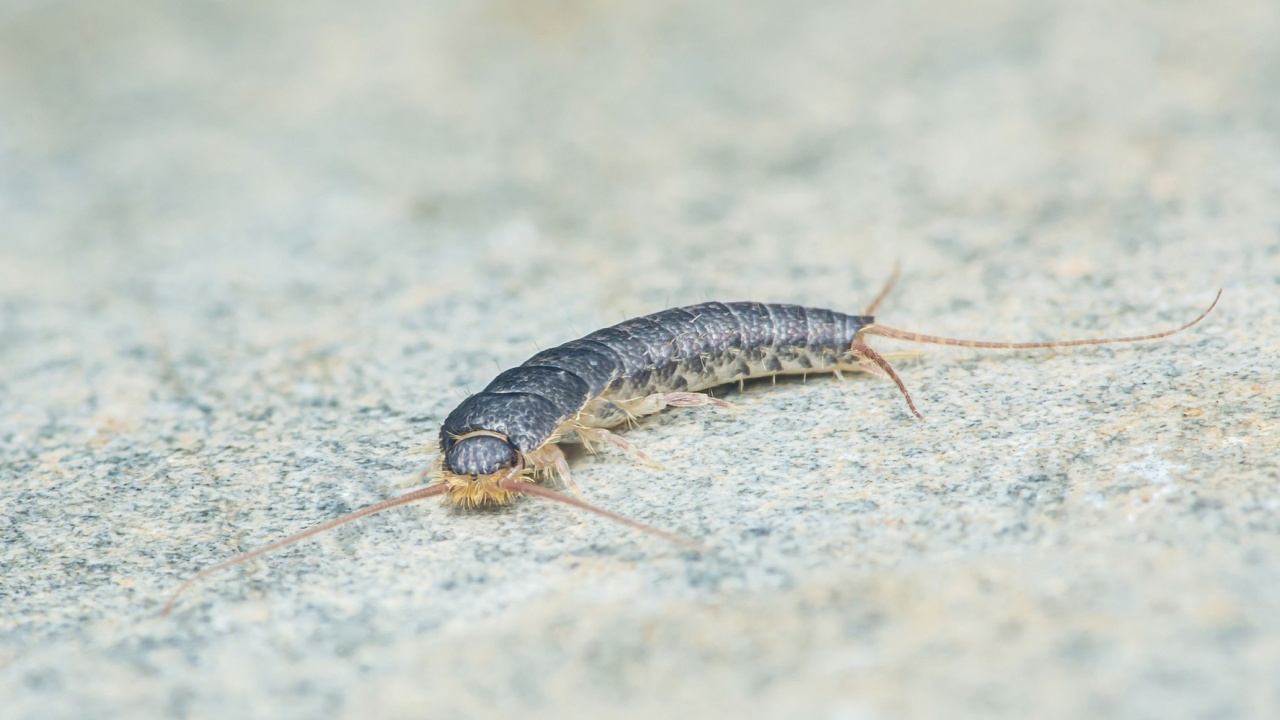
Image Credit: Shutterstock.
Some insects, like Silverfish, aren’t as dramatic, but they thankfully sometimes stay hidden. In winter, when indoor spaces stay warm but may also get humid (bathrooms, laundry rooms, basements), silverfish can thrive in damp darkness. They feed on starches and materials like paper, glue, old wallpaper, clothing, or cardboard.
Quick tips:
- fix leaks, ensure bathrooms and laundries are ventilated, and avoid leaving damp clothes lying around.
- Store important papers, books, and clothes in sealed, moisture-resistant boxes instead of cardboard.
- If you see silverfish or signs (skins, droppings), vacuum and deal with humidity before it gets out of control.
7. Pantry Pests
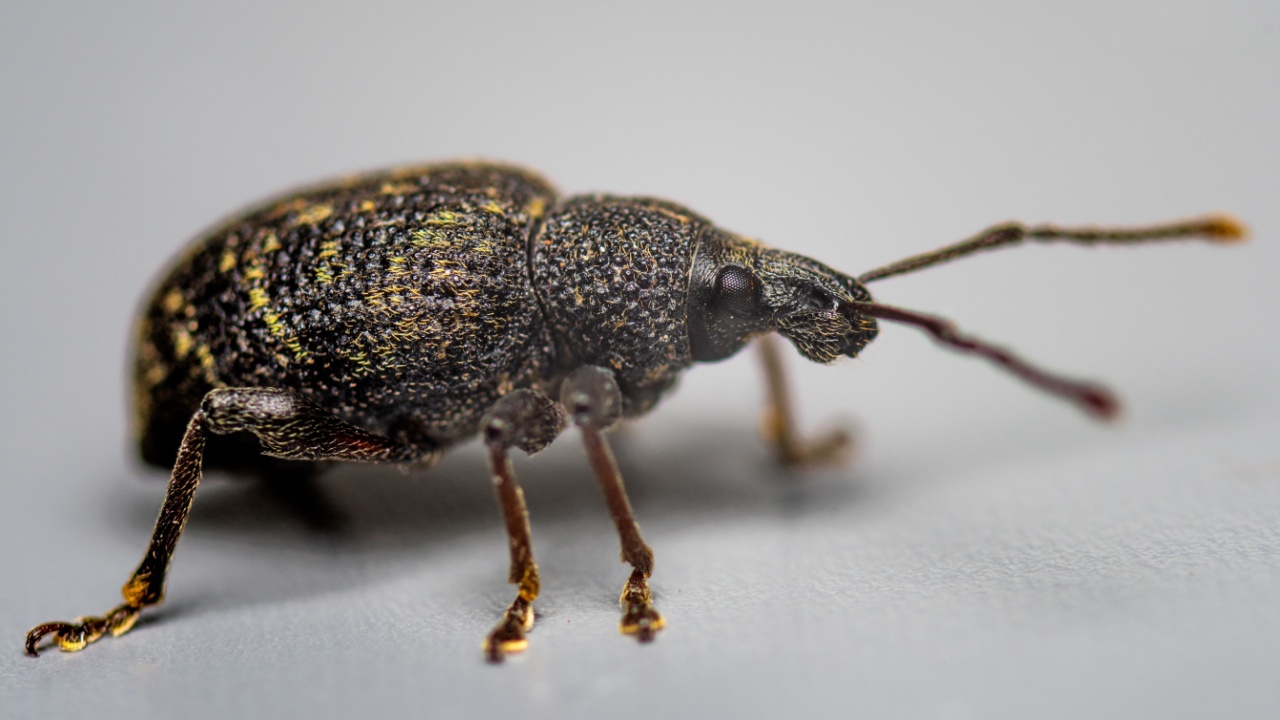
Image Credit: Shutterstock.
Winter doesn’t just bring outside-to-inside pests. Some insects, especially pantry pests like beetles, moths, or weevils, can turn your stored grains, cereals, flours, and dried goods into their winter buffet if given a chance.
Such pests reproduce quickly in the dark, and once they are established, they can be hard to get rid of and they also contaminate food.
Quick Tips:
- Store food like flour, cereals, grains, dried fruit, etc., in airtight, sealed containers
- Clean pantry shelves regularly, even crumbs attract pests.
- Use pheromone traps to help monitor and detect early infestation before it grows
8. Termites
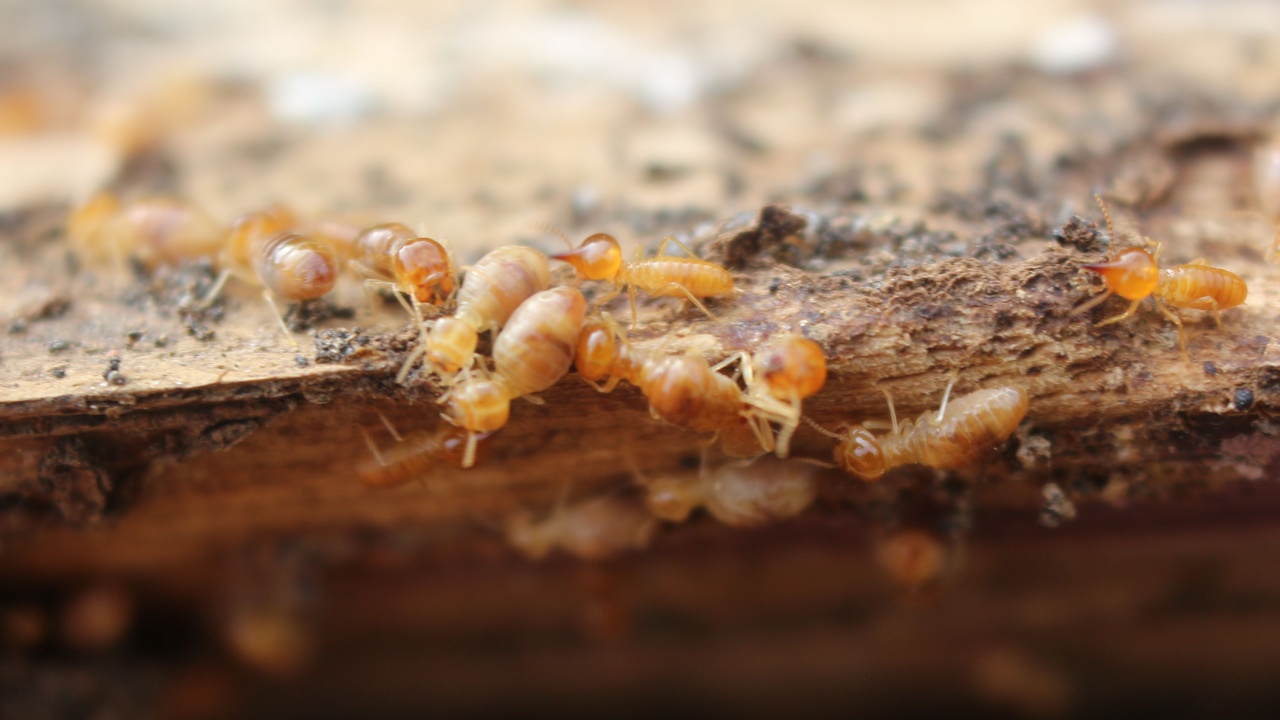
Image Credit: Shutterstock.
Unlike many pests that invade just for winter, some wood-destroying insects such as subterranean, drywood, or dampwood termites remain active year-round, especially in warmer climates or warmer parts of the home’s structure. If they remain unnoticed, they can silently damage structural wood, furniture, or flooring.
Quick Tips:
- Remove any wood piles, scrap lumber, or firewood stored near your home’s structure
- Seal and finish exterior wood with paint or sealant to reduce exposure.
- During renovations or after leaks, inspect wood for signs of termite damage
9. Centipedes, Millipedes, Crickets
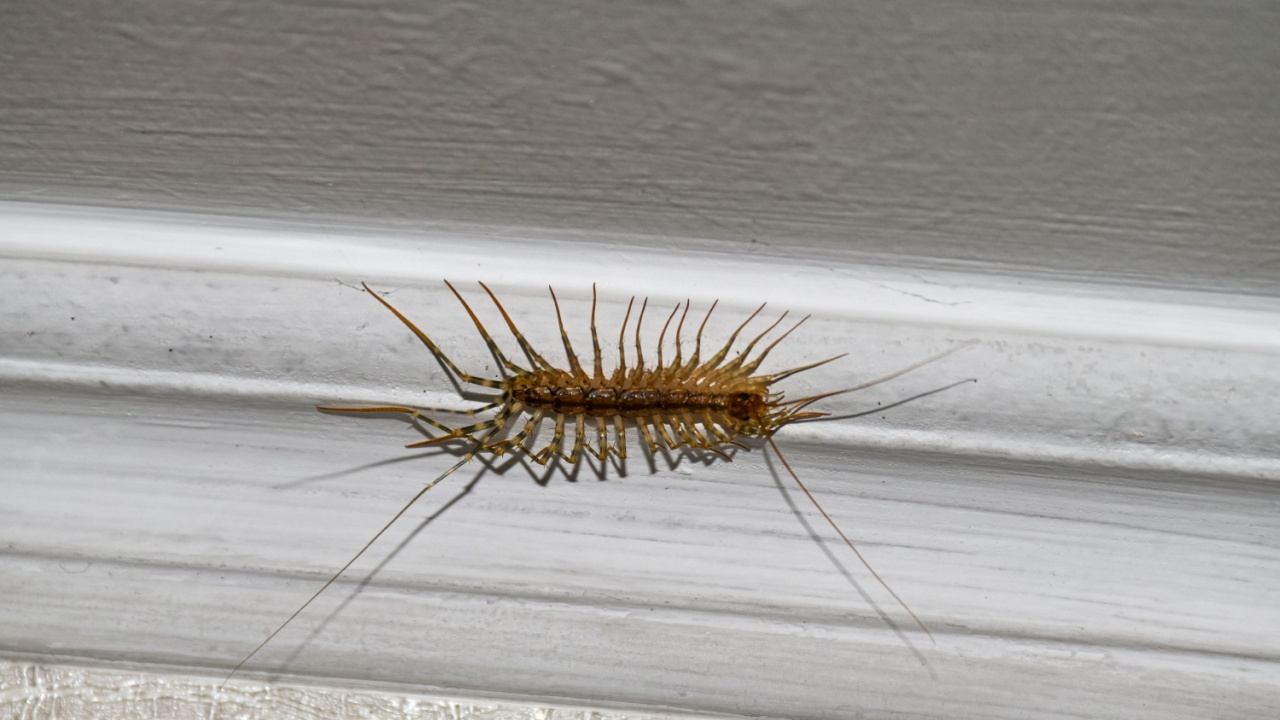
Image Credit: Shutterstock.
In wetter or colder seasons, soil-dwelling arthropods like centipedes, millipedes, and crickets may wander indoors seeking dry shelter under floorboards, in basements, or wall voids. They’re part of a broader group of “occasional invaders.”
Quick Tips:
- Reduce areas of moisture in and around your home.
- Mow the lawn, weed plant beds, and move woodpiles away from the structure.
- Consider changing outdoor lighting to less-attractive yellow bulbs or sodium vapor lamps.
10. Springtails
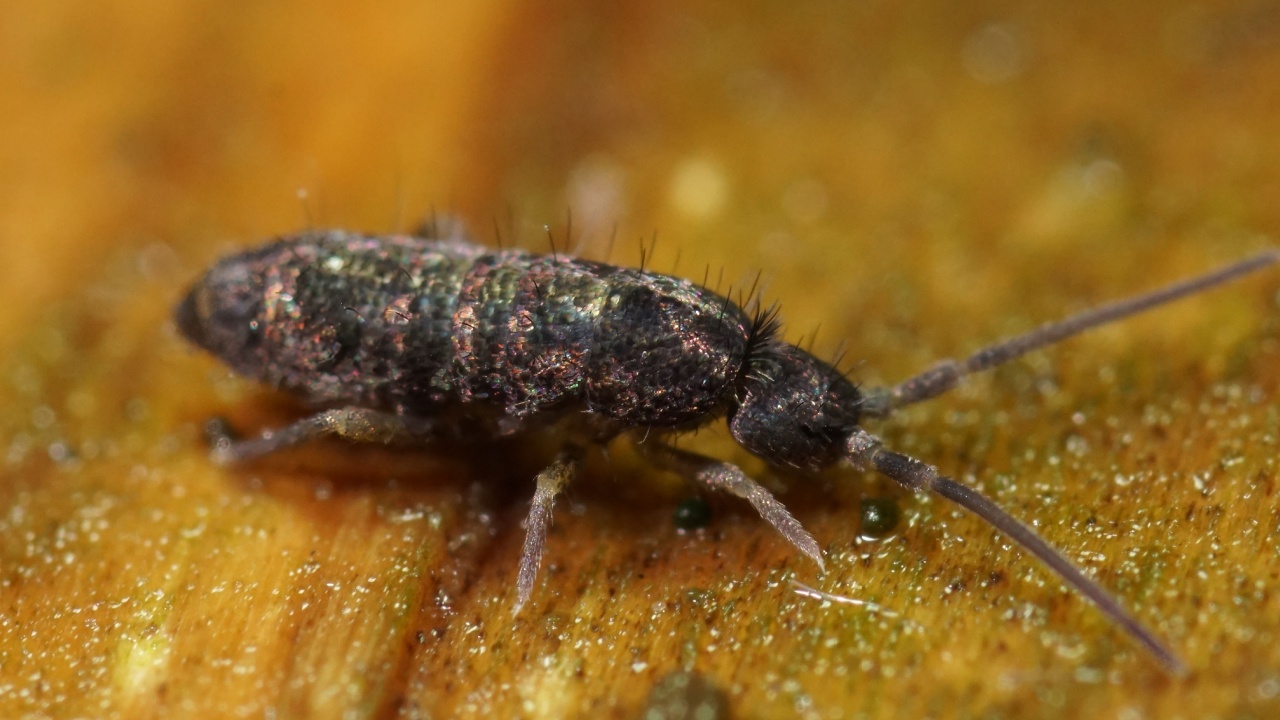
Image Credit: Shutterstock.
Springtails are tiny moisture-loving insects that appear during damp winter weather, especially after rain. If your home has wet soil, leaks, or humidity, they may enter in large numbers. They don’t bite or damage homes, but look like “jumping pepper flakes.”
Quick tips:
- Use dehumidifiers in basements so it can’t thrive.
- Improve drainage around the home so that water is prevented from collecting.
- Seal foundation gaps to block bugs from entering your home.
11. Carpet Beetles
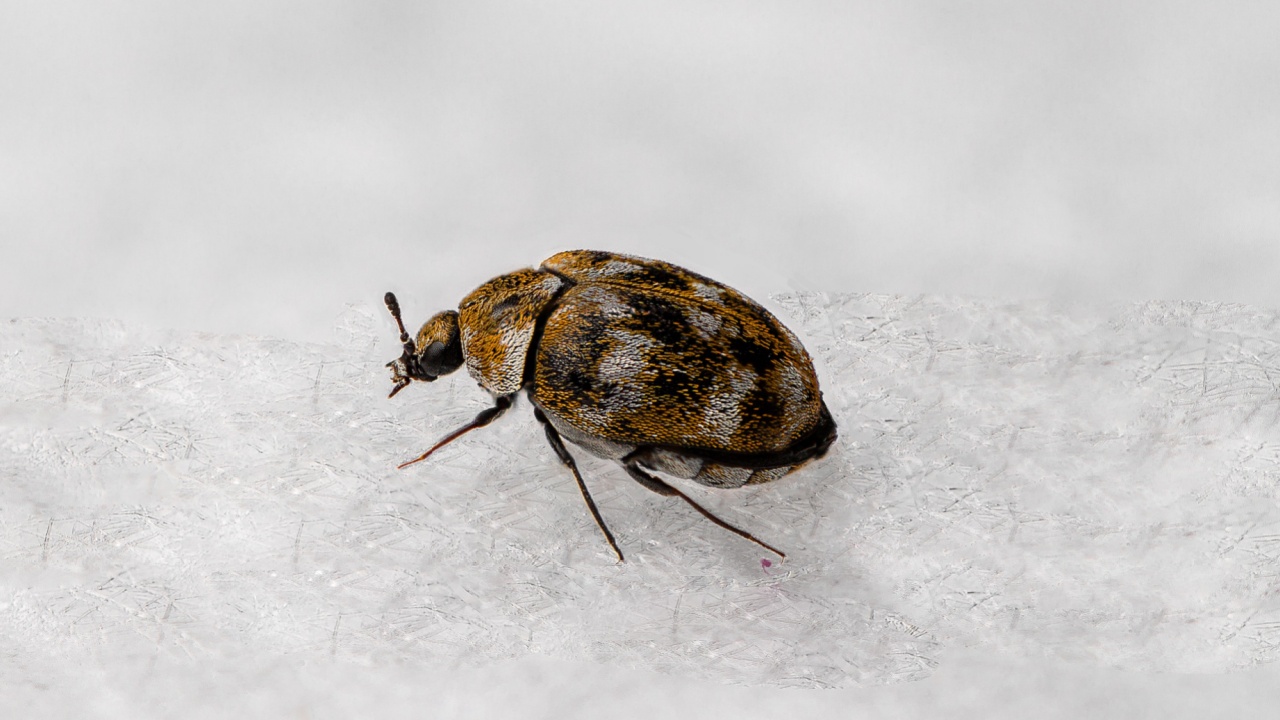
Image Credit: Shutterstock.
Carpet beetle adults fly indoors during fall and winter. Their larvae feed on natural fibers like wool, silk, feathers, and stored clothing. That’s where the damage happens. They often hide in dark closets, stored blankets, and the edges of carpets.
Quick Tips:
- Inspect cut flowers for beetles before bringing them inside.
- Inspect stored woolens, linens, and furs, and air these items annually in the sun.
- Create a pest-free storage place in a seldom-opened closet by sealing cracks around the doors, in the walls, and the ceiling.
12. Brown House Moths
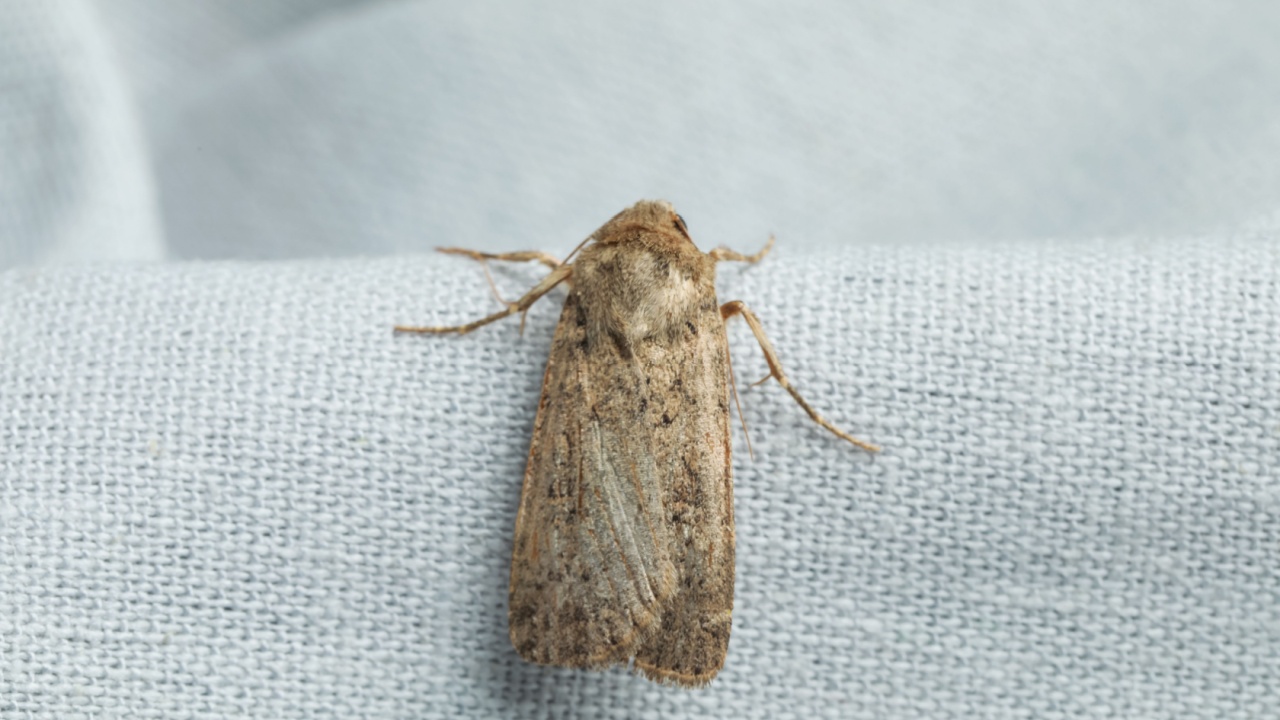
Image Credit: Shutterstock.
Brown moths often sneak indoors through windows or gaps and overwinter quietly in closets, attics, and storage rooms. Their larvae eat stored fabrics, grains, cereals, and even dried herbs. Winter heating helps them stay active, making them a serious pantry and fabric pest.
Quick tips:
- Store food in airtight jars to stop bugs from reaching and contaminating your food.
- Clean pantry shelves by removing crumbs and scents that attract insects.
- Use pheromone traps to catch these pantry pests before they spread.
Keep Your Home Pest-Free This Winter
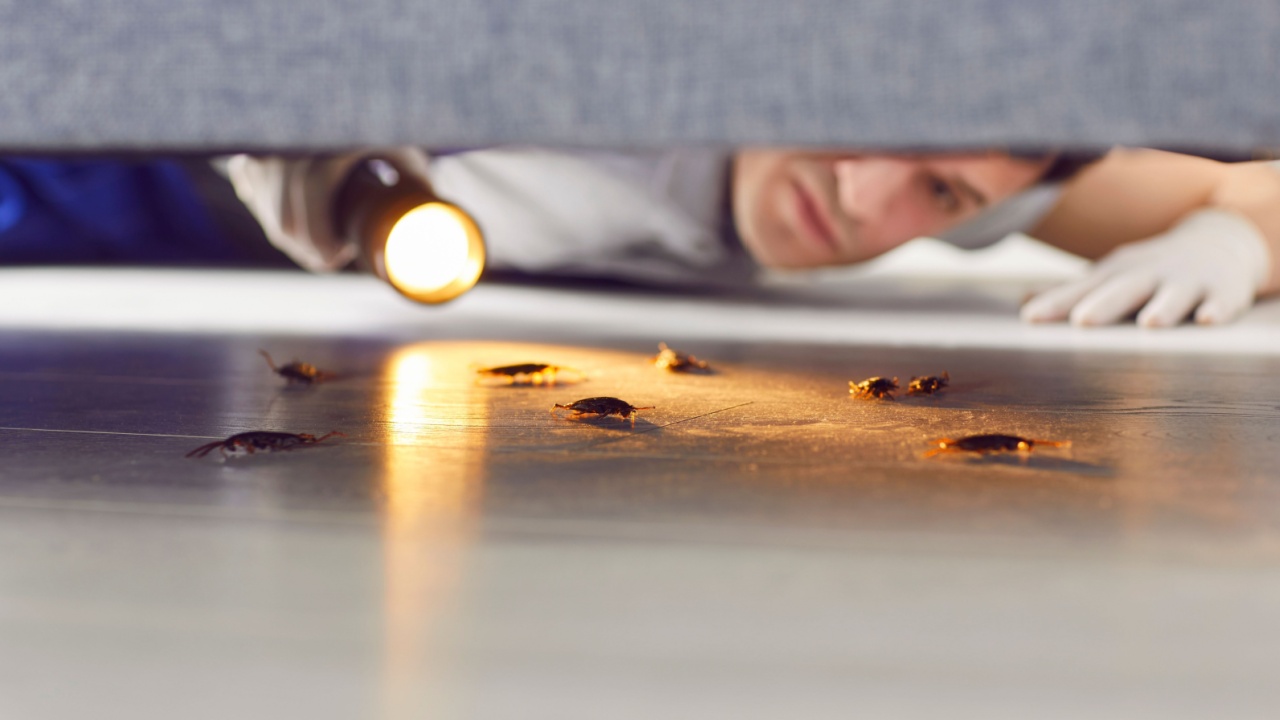
Image Credit: Shutterstock.
Winter bug invasions aren’t random; they happen because homes offer exactly what insects need: shelter, warmth, and moisture. The best winter protection is a mix of sealing, drying, cleaning, and monitoring.