
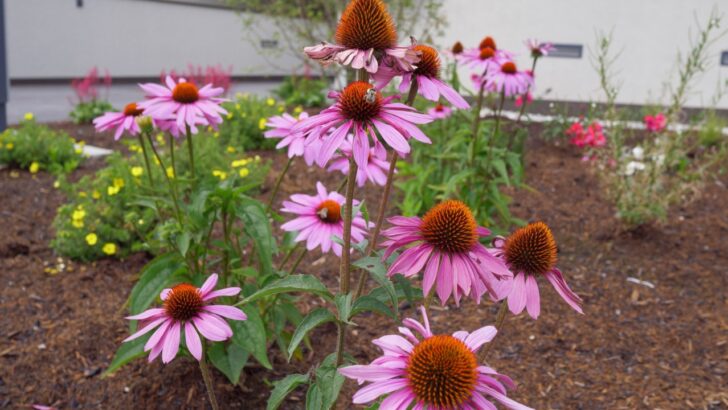
Creating a vibrant, beautiful garden that returns year after year doesn’t have to be an expensive undertaking. While buying mature perennial plants from a nursery offers instant gratification, the costs can quickly add up. Growing perennials from seed is a budget-friendly alternative that offers immense satisfaction and a deeper connection to your garden. With a little patience, you can fill your beds and borders with stunning flowers that provide beauty for seasons to come.
Starting from seed gives you access to a much wider variety of plants than you might find at a local garden center. It’s a rewarding process that allows you to watch your garden come to life from the very beginning. This guide will walk you through 16 easy-to-grow perennials that are perfect for beginners and seasoned gardeners alike, proving that a little effort now can yield years of enjoyment.
1. Yarrow (Achillea millefolium)
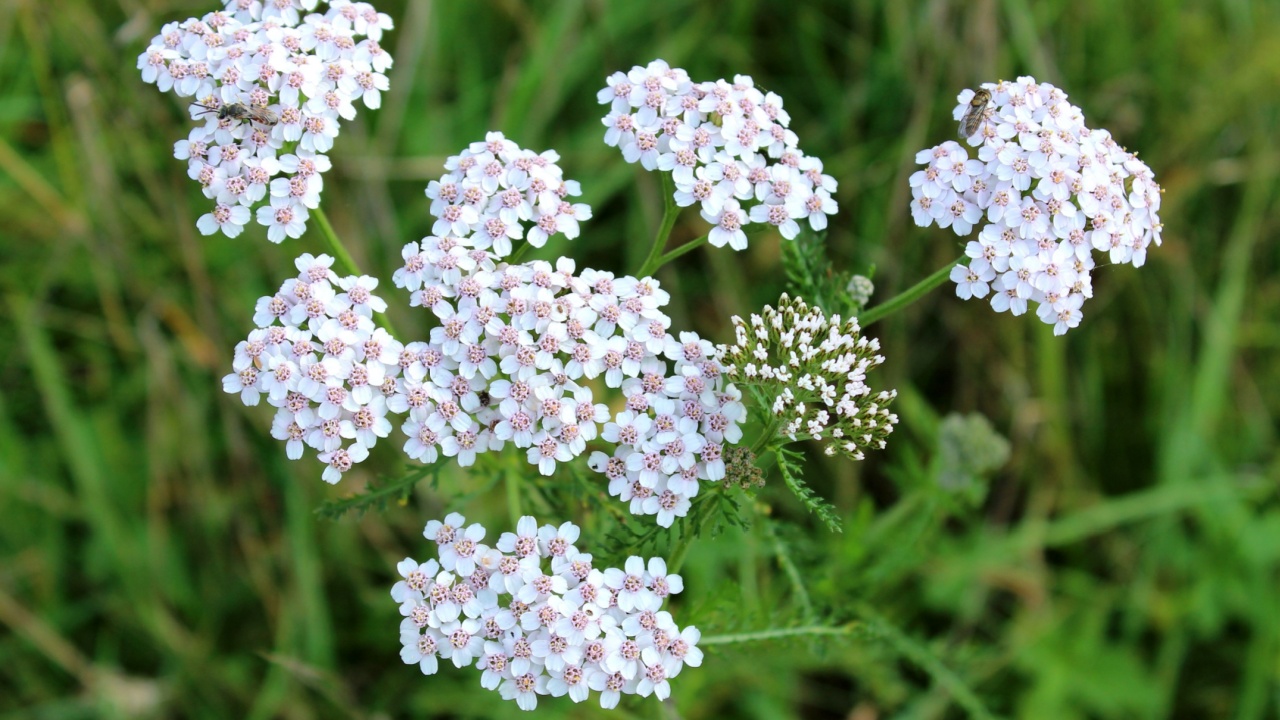
Image Credit: Shutterstock.
Yarrow is a fantastic choice for any garden due to its incredible resilience and low-maintenance nature. It’s known for its ability to thrive even in poor soil conditions and is impressively drought-resistant once established. Its fern-like foliage adds delicate texture to garden beds, while the flat-topped clusters of tiny, daisy-like flowers come in a wide range of colors, from soft pastels to bold, vibrant hues.
This plant is a powerhouse for attracting beneficial insects, making it a great companion in a pollinator or vegetable garden. Yarrow also has an exceptionally long vase life, making it a superb cut flower for summer bouquets. Because it spreads easily through both self-seeding and underground rhizomes, it’s an excellent investment that will multiply over time. You can divide clumps every few years to control their spread or to share with fellow gardeners.
Care Summary:
- Sun: Full sun to partial shade
- Soil: Well-draining; tolerates poor soil
- Sowing: Start indoors 6-8 weeks before the last frost; needs light to germinate.
- Hardiness Zones: 3-9
- Water: Drought-tolerant once established.
- Maintenance: Deadhead to prolong blooming; divide every few years.
2. Purple Coneflower (Echinacea purpurea)
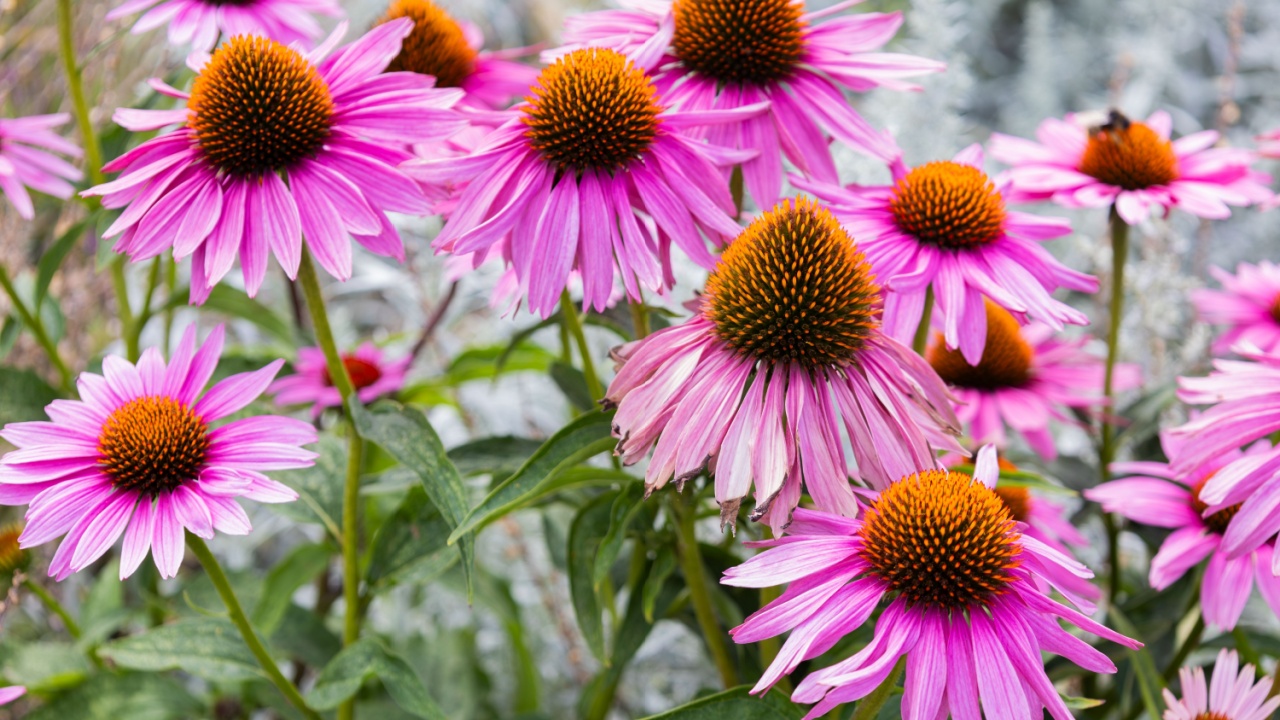
Image Credit: Shutterstock.
With its iconic daisy-like petals and prominent, spiky center, the purple coneflower is a beloved staple in perennial gardens. This North American native is not only beautiful but also incredibly tough, attracting a host of pollinators like bees and butterflies. Its sturdy stems make it an excellent cut flower, and leaving the seed heads on in the fall provides a vital food source for birds like goldfinches.
Growing coneflower from seed is straightforward. Many varieties benefit from a period of cold stratification, which you can achieve by direct sowing in the fall or early spring, or by chilling the seeds in your refrigerator before planting indoors. Once established, coneflowers are quite drought-tolerant and require minimal care. They will slowly form larger clumps, which can be divided every few years if they become overcrowded.
Care Summary:
- Sun: Full sun to partial shade
- Soil: Well-draining soil
- Sowing: Start indoors 8-10 weeks before the last frost after cold stratification, or direct sow in fall/early spring.
- Hardiness Zones: 3-10
- Water: Water regularly during the first year; drought-tolerant thereafter.
- Maintenance: Deadhead for more blooms or leave seed heads for birds.
3. Bee Balm (Monarda didyma)
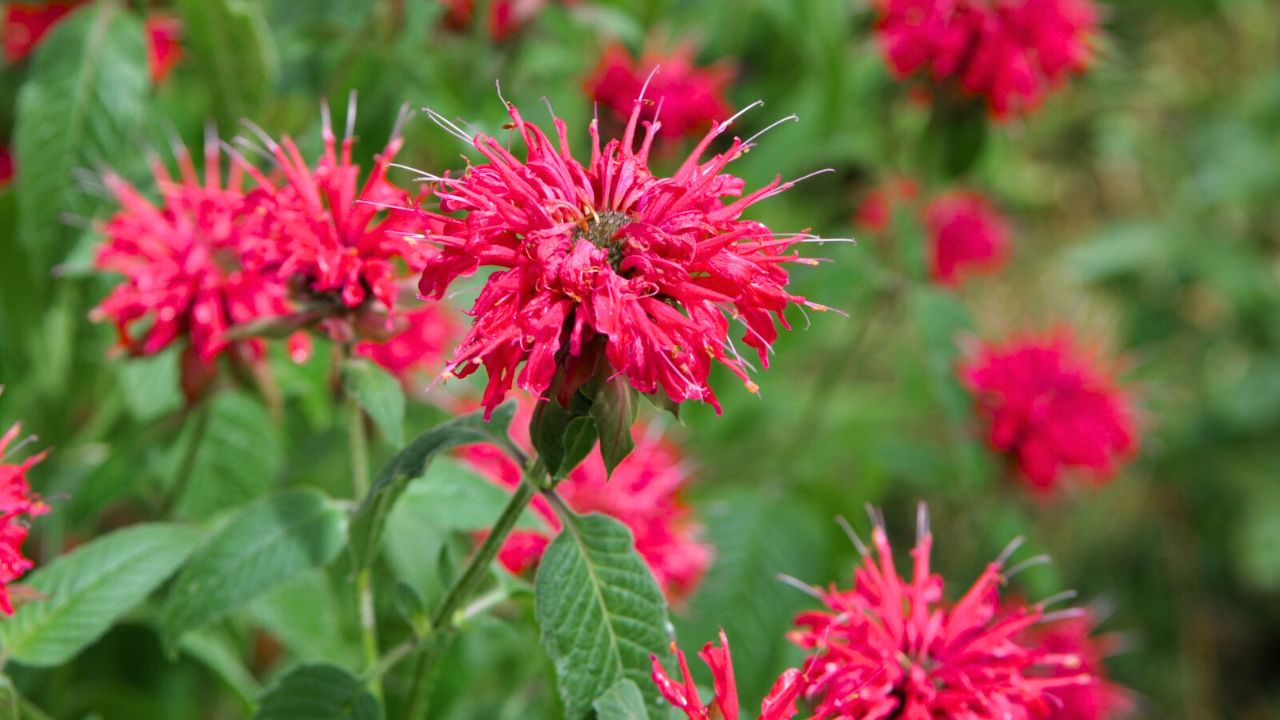
Image Credit: Depositphotos.com.
As its name suggests, bee balm is an absolute magnet for bees, hummingbirds, and butterflies. Its unique, shaggy flower heads appear in bold shades of red, pink, and purple, adding a splash of intense color to the summer garden. A member of the mint family, its leaves have a pleasant, spicy aroma when crushed.
Starting bee balm from seed requires some patience, as it needs cold stratification and can take a few weeks to germinate. The winter sowing method works very well for this plant. Bee balm spreads through underground rhizomes and can form a dense patch over time, so give it room to grow. Good air circulation is key to preventing powdery mildew, a common issue for this plant, so be sure to space plants properly.
Care Summary:
- Sun: Full sun to partial shade
- Soil: Moist, well-draining soil
- Sowing: Start indoors 8 weeks before the last frost after a period of cold stratification.
- Hardiness Zones: 3-9
- Water: Prefers consistent moisture.
- Maintenance: Divide clumps every 2-3 years to maintain vigor and improve air circulation.
4. Penstemon (Penstemon spp.)
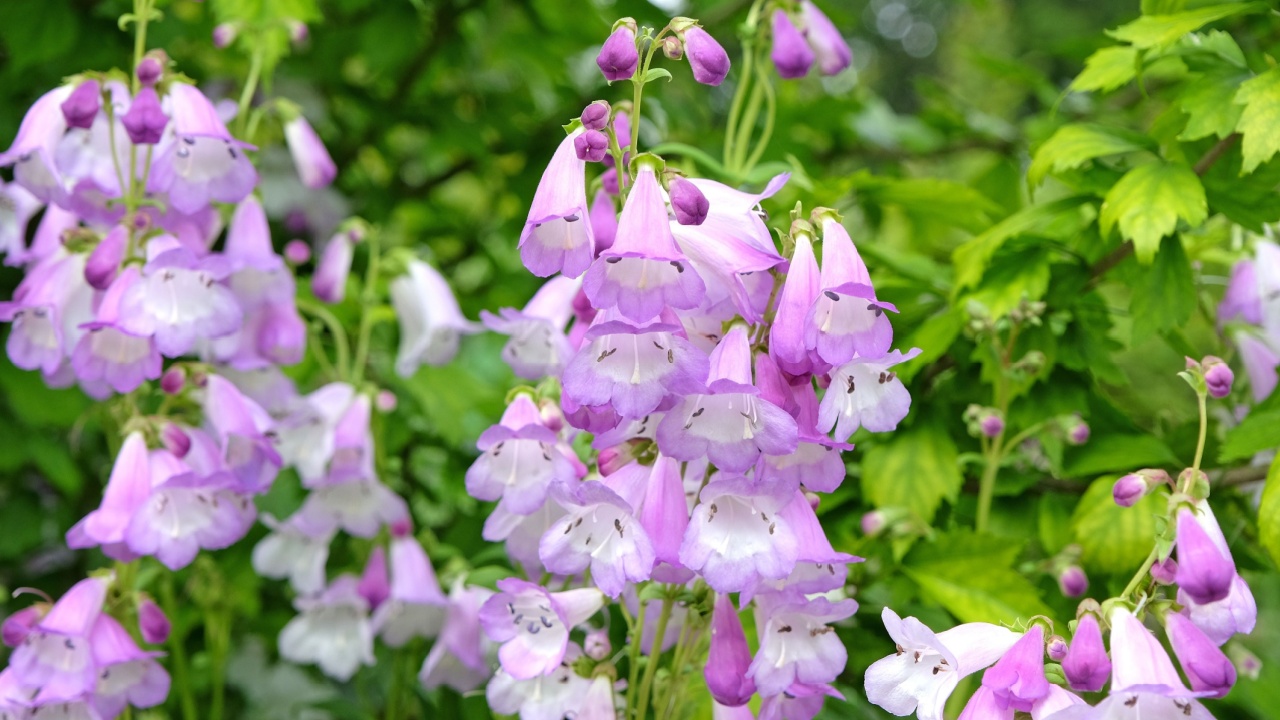
Image Credit: Shutterstock.
Also known as Beard Tongue, Penstemon is a drought-tolerant wildflower native to North America, making it perfect for xeriscaping and low-water gardens. Its tubular flowers are a favorite of hummingbirds and come in a stunning array of colors, including rare shades of blue and purple. Planting it in large drifts creates a visually striking effect.
Penstemon seeds are easy to start and often germinate best in cool soil, making them ideal candidates for winter sowing or direct sowing in the fall. They don’t require rich soil and are quite self-sufficient once they mature. The plants will readily self-seed, but not aggressively, ensuring a beautiful display year after year without becoming a nuisance.
Care Summary:
- Sun: Full sun to partial shade
- Soil: Well-draining, even sandy or gravelly soil.
- Sowing: Direct sow in fall or winter, or start indoors in cool conditions.
- Hardiness Zones: 3-9, depending on variety
- Water: Very drought-tolerant once established.
- Maintenance: Avoid over-fertilizing and over-watering.
5. Shasta Daisy (Leucanthemum × superbum)
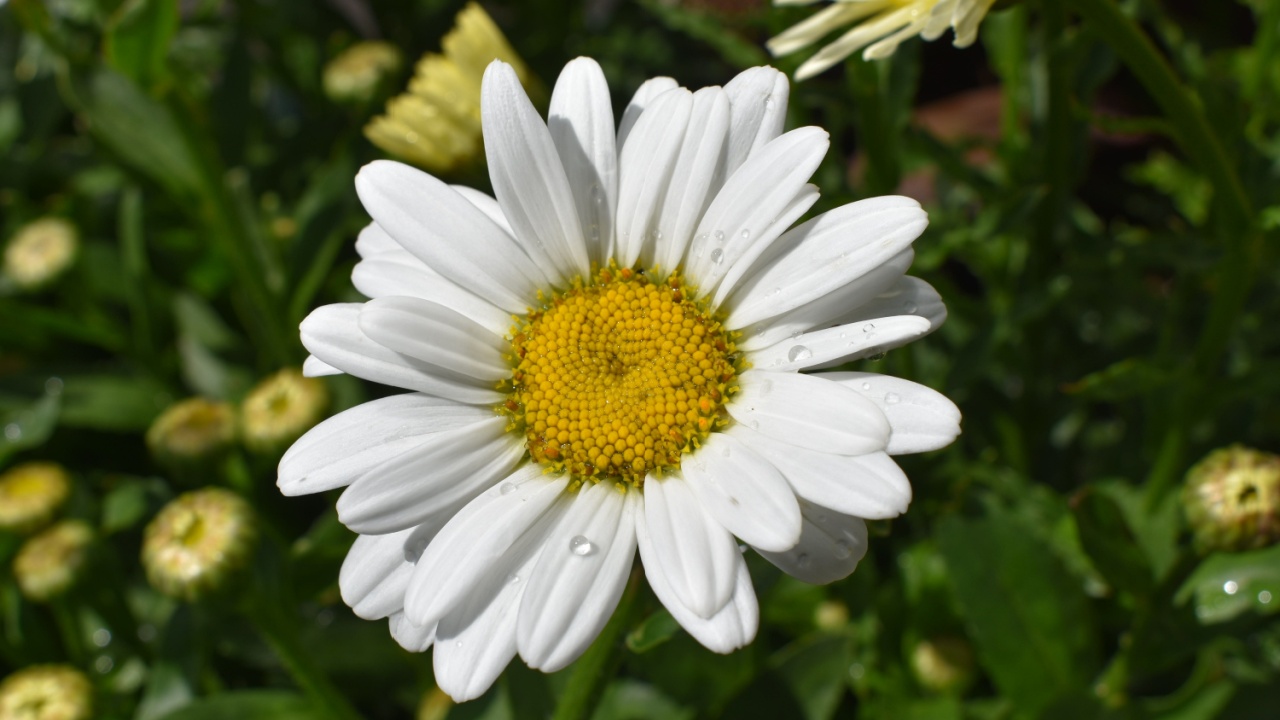
Image Credit: Shutterstock.
For a classic, cheerful garden look, nothing beats the Shasta Daisy. This hybrid perennial offers the simple charm of the traditional daisy but with larger, more robust blooms and sturdy stems. They are excellent for cutting gardens, providing a steady supply of bright white flowers with sunny yellow centers all summer long.
Shasta daisies are incredibly easy to grow from seed and will often bloom in their first year if started early enough indoors. The seeds are small and need light to germinate, so press them gently into the soil surface rather than burying them. Once your plants are established, they will form tidy clumps that expand each year. Regular deadheading will encourage a continuous display of flowers.
Care Summary:
- Sun: Full sun
- Soil: Well-draining soil
- Sowing: Start indoors 6-8 weeks before the last frost; do not cover seeds as they need light.
- Hardiness Zones: 5-9
- Water: Water regularly until established; moderately drought-tolerant.
- Maintenance: Deadhead spent blooms to promote more flowers. Divide clumps every 2-3 years.
6. Feverfew (Tanacetum parthenium)
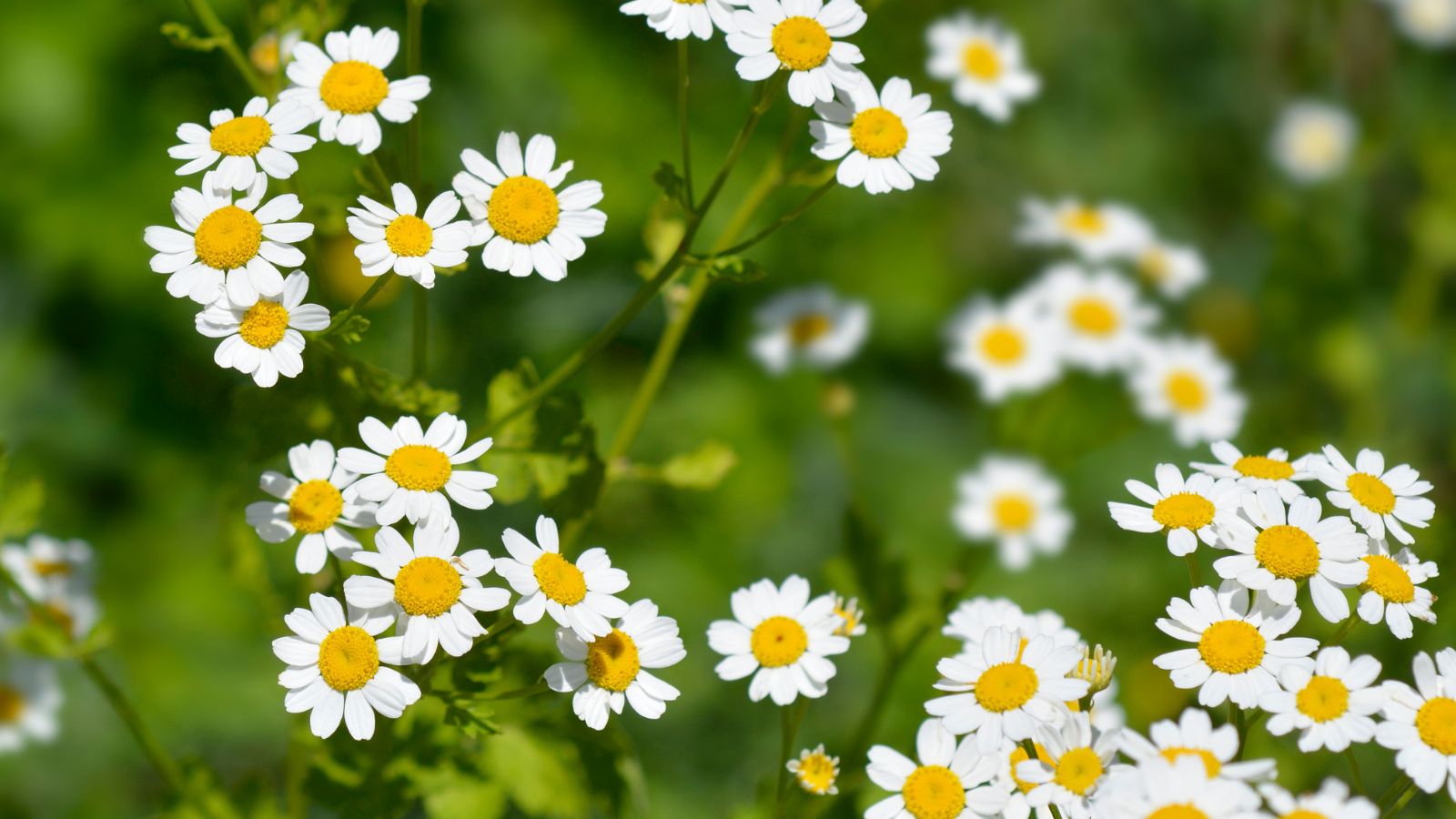
Image credit: YAY Images.
Feverfew is a delightful, bushy perennial that produces masses of small, white, daisy-like flowers. Its prolific blooming habit makes it an excellent filler for bouquets and garden beds. The foliage has a distinct, somewhat medicinal scent that can help deter some pests. Historically, it has been used in herbal medicine.
These seeds are easy to germinate indoors. Because they need light to sprout, simply press them onto the surface of your growing medium. Feverfew readily self-seeds, so once you have a patch started, you will likely have volunteer seedlings popping up in the following years. For the best vase life, harvest the flowers when the blooms are about halfway open.
Care Summary:
- Sun: Full sun to partial shade
- Soil: Average, well-draining soil.
- Sowing: Start indoors 5-7 weeks before the last frost; needs light to germinate.
- Hardiness Zones: 5-9
- Water: Average water needs; can tolerate short dry spells.
- Maintenance: Cut back after the first flush of blooms to encourage a second wave.
7. Calendula (Calendula officinalis)
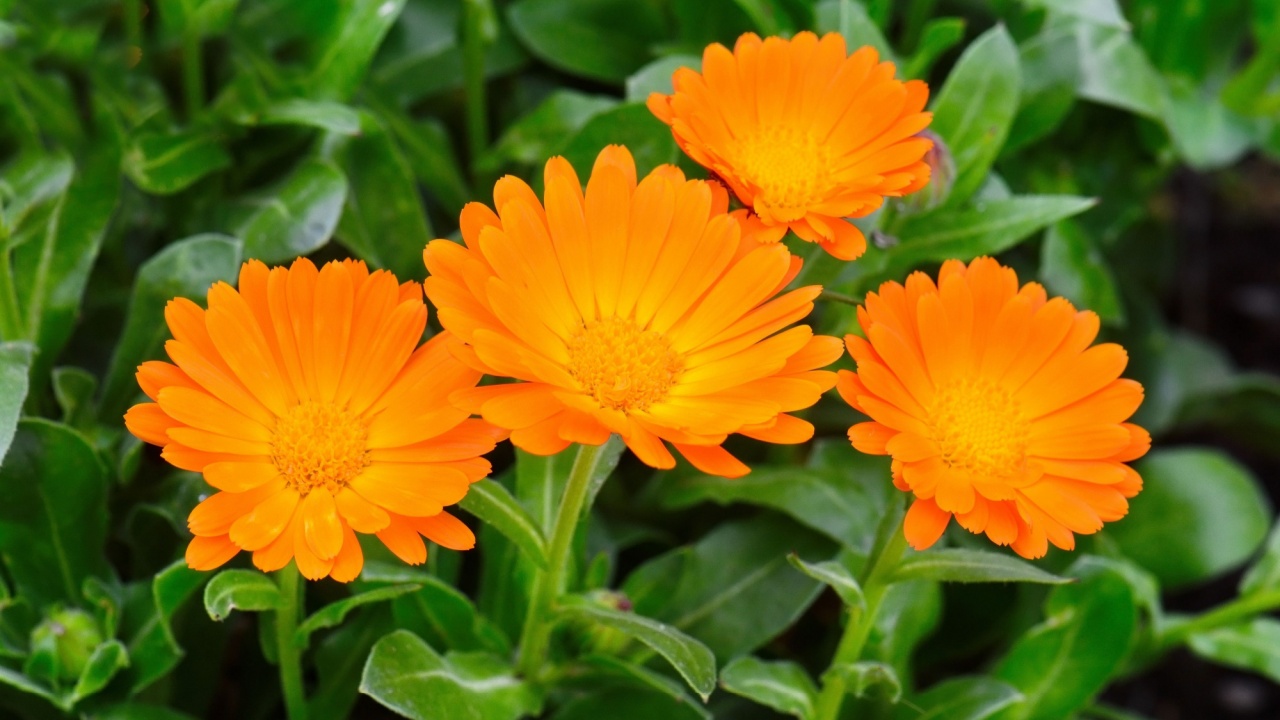
Image Credit: Shutterstock.
Often called pot marigold, calendula is technically a short-lived perennial in warmer zones but acts as a prolific self-seeding annual in colder climates. Its bright orange and yellow flowers are a cheerful sight in any garden. The seeds are large and uniquely shaped, making them easy for gardeners of all ages to handle.
Calendula prefers cooler temperatures and can be sown directly into the garden in early spring or started indoors without a heat mat. The flower petals are edible and can be used to add color to salads or as a natural dye. Regular deadheading is the key to keeping calendula blooming all season long. It’s a great choice for filling in gaps in a new perennial bed while other plants mature.
Care Summary:
- Sun: Full sun
- Soil: Tolerant of most soils as long as they are well-draining.
- Sowing: Direct sow in spring or start indoors 6-8 weeks before the last frost.
- Hardiness Zones: Perennial in zones 9-11; grown as an annual elsewhere.
- Water: Moderate water needs.
- Maintenance: Deadhead regularly to ensure continuous blooms.
8. Foxglove (Digitalis purpurea)
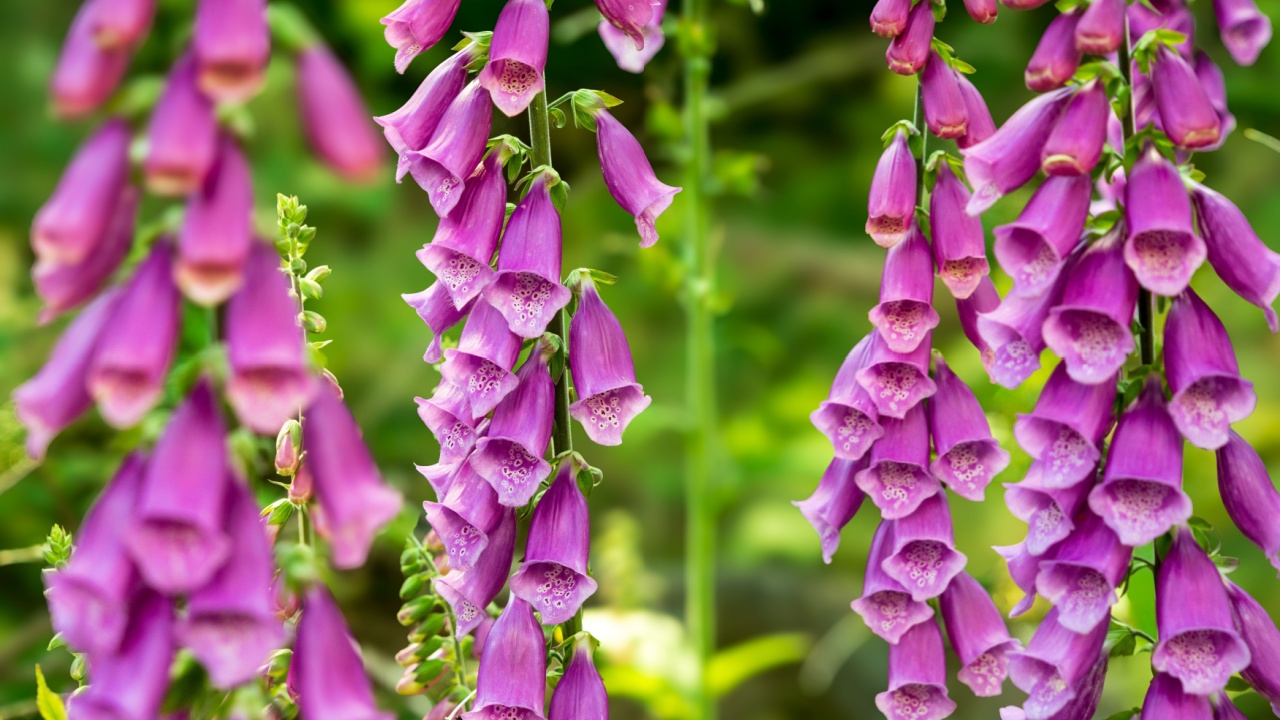
Image Credit: Shutterstock.
Foxgloves bring a sense of drama and verticality to the garden with their tall, elegant spires of bell-shaped flowers. Available in shades of purple, pink, white, and cream, the speckled throats of the flowers seem to guide pollinators right inside. While many varieties are biennial (completing their life cycle in two years), they self-seed readily, ensuring a continuous presence in your garden.
Foxglove seeds are tiny and need light for germination, so sow them on the soil surface. They do not need heat to sprout and are another great candidate for winter sowing. In their first year, they will form a low rosette of leaves. The following year, they will send up their magnificent flower spikes. Be aware that all parts of the foxglove plant are toxic if ingested.
Care Summary:
- Sun: Full sun to partial shade
- Soil: Rich, moist, well-draining soil.
- Sowing: Start indoors 8-10 weeks before the last frost or direct sow in late spring/early summer. Needs light to germinate.
- Hardiness Zones: 4-9
- Water: Keep consistently moist.
- Maintenance: Allow some plants to go to seed to ensure future generations.
9. Scabiosa (Lomelosia caucasica)
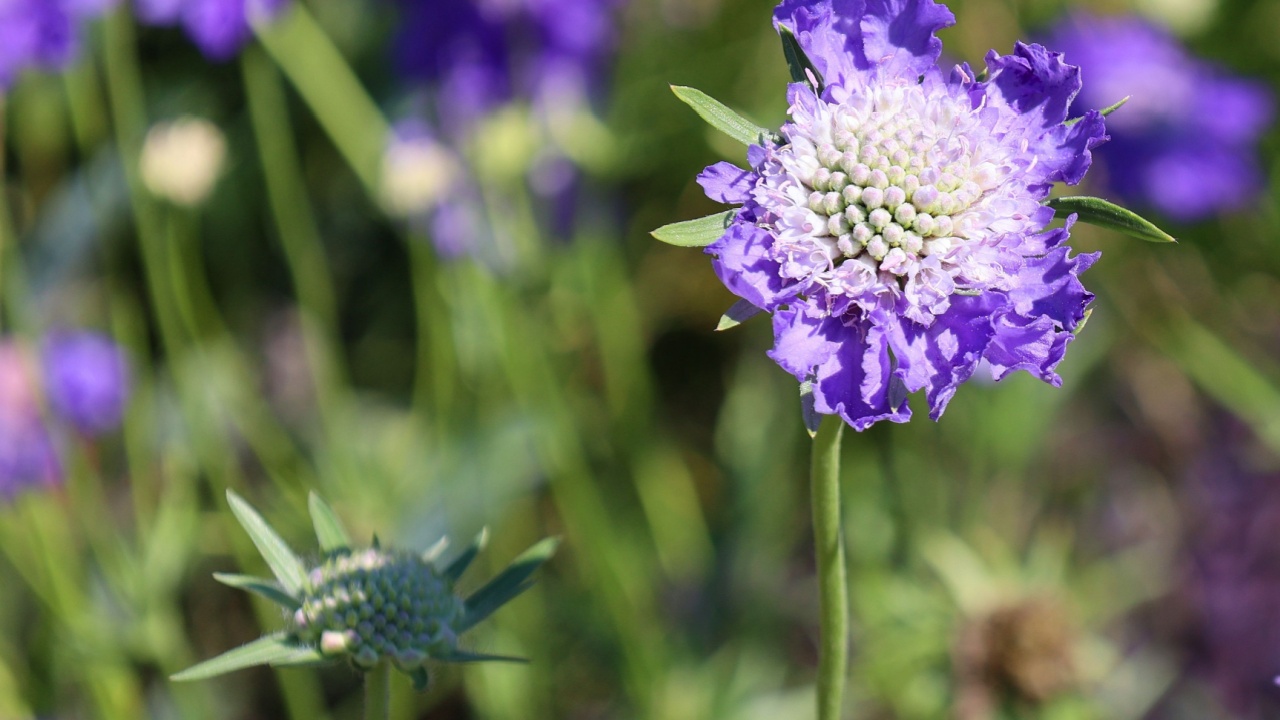
Image Credit: Shutterstock.com.
Known as the pincushion flower, Scabiosa has whimsical, ruffled blooms that seem to float on long, wiry stems. They are a favorite in cottage gardens and cutting gardens, adding a unique texture and form to arrangements. Even after the petals fall, the seed pods are attractive and can be used in dried bouquets.
Scabiosa is a relatively short-lived perennial, but it often flowers in its first year from seed, providing quick rewards. The seeds need a little light to germinate, so cover them only very lightly with soil or vermiculite. Consistent harvesting or deadheading will keep the plant producing its charming flowers from summer until the first frost.
Care Summary:
- Sun: Full sun to partial shade
- Soil: Well-draining, alkaline soil.
- Sowing: Start indoors 6-8 weeks before the last spring frost.
- Hardiness Zones: 3-7
- Water: Moderate water needs; dislikes wet feet.
- Maintenance: Deadhead regularly to promote blooming.
10. Oriental Poppies (Papaver orientale)
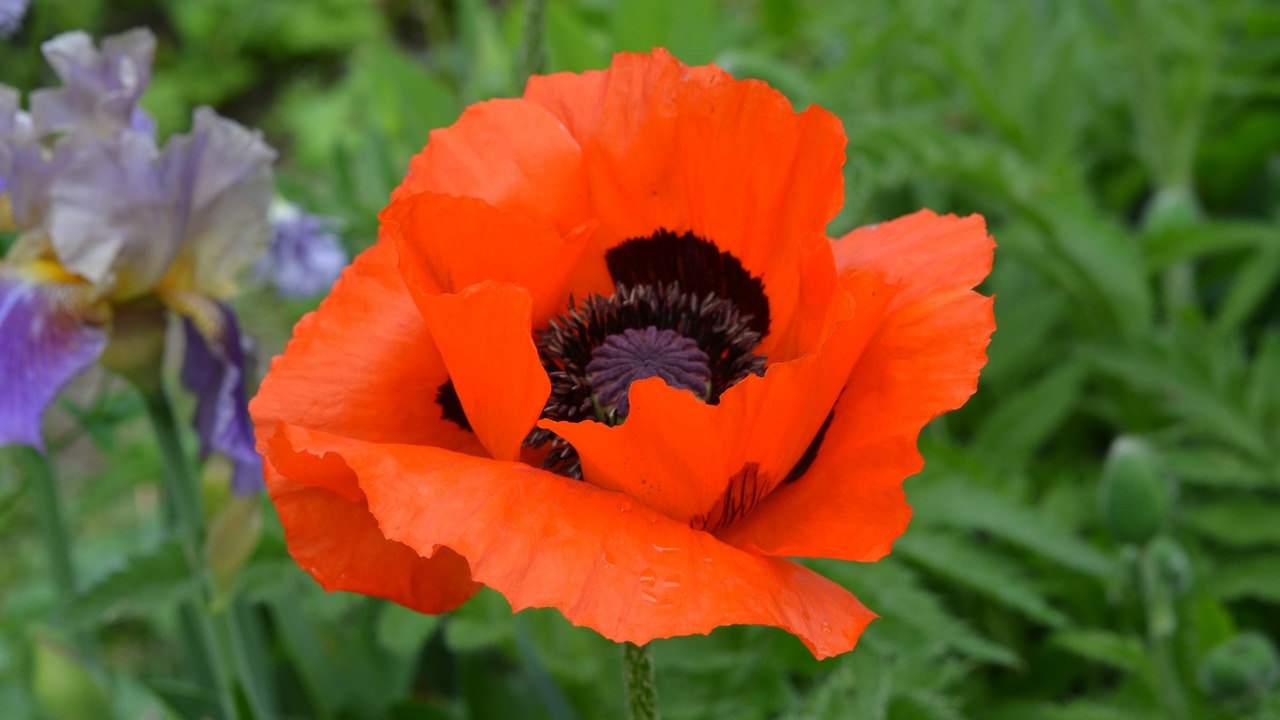
Image Credit: Shutterstock.
For a bold and dramatic statement in late spring, few flowers can compete with the Oriental Poppy. Their large, crepe-paper-like petals in vibrant shades of red, orange, and pink surround a dark, contrasting center. After their spectacular bloom, the plants go dormant in the summer heat, so be sure to plant them among other perennials that will fill the space.
Poppies have a long taproot and do not like to be transplanted. For this reason, direct sowing in the fall or very early spring is often the most successful method. If starting indoors, use biodegradable pots that can be planted directly into the ground to minimize root disturbance. They will readily self-seed to create a beautiful, naturalized colony.
Care Summary:
- Sun: Full sun
- Soil: Deep, well-draining soil.
- Sowing: Direct sow in fall or early spring for best results.
- Hardiness Zones: 3-9
- Water: Drought-tolerant once established.
- Maintenance: Foliage dies back in summer; cut it back and allow other plants to fill in.
11. Blue Grama Grass (Bouteloua gracilis)
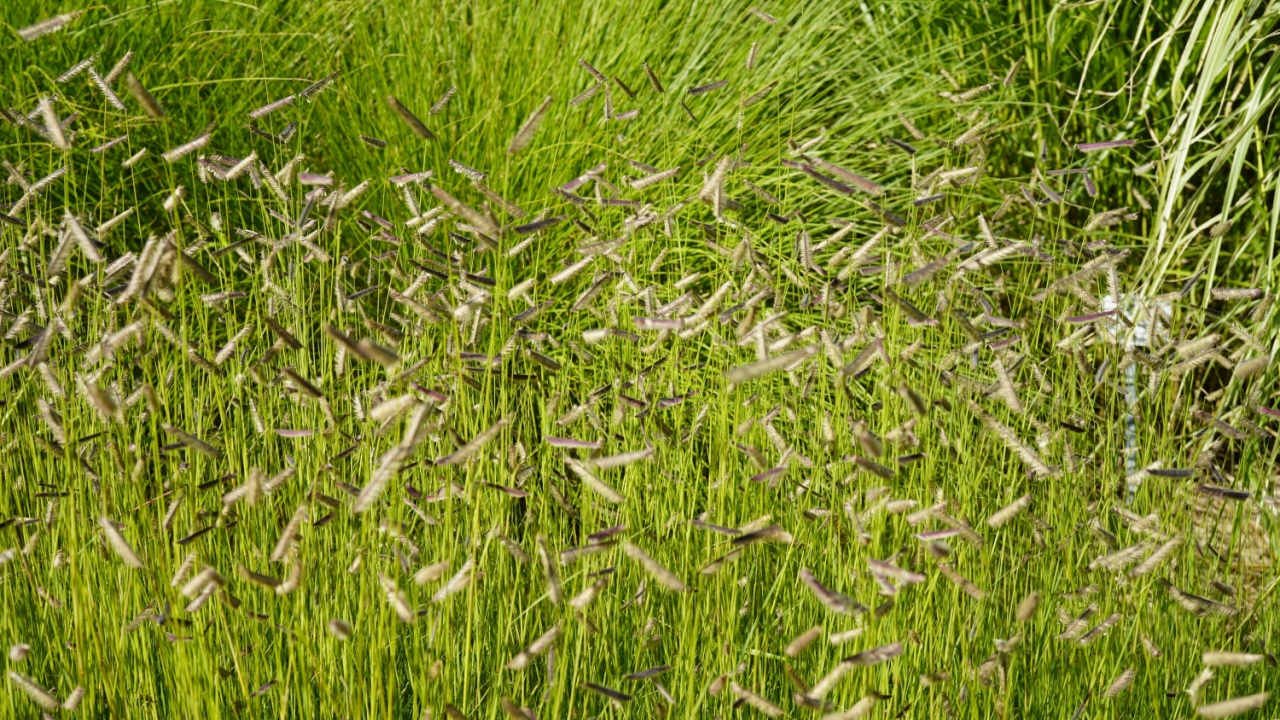
Image Credit: Shutterstock.
Ornamental grasses are essential for adding texture, movement, and four-season interest to a garden, and Blue Grama grass is a superb choice. This native prairie grass has fine, blue-green foliage and is topped with unique, eyelash-shaped seed heads that float horizontally above the leaves. It’s incredibly drought-tolerant and thrives in hot, dry conditions where other plants might struggle.
Starting this grass from seed is simple. It can be sown directly in the garden or started indoors for more controlled placement. It is slow to spread and won’t become invasive, making it a well-behaved accent plant. In the fall and winter, the foliage and seed heads turn a lovely tan color, providing visual interest long after flowers have faded.
Care Summary:
- Sun: Full sun
- Soil: Well-draining soil; tolerates poor, dry soils.
- Sowing: Start indoors or direct sow in spring.
- Hardiness Zones: 5-9
- Water: Very low water needs once established.
- Maintenance: Cut back foliage in late winter or early spring before new growth appears.
12. Brown-Eyed Susan (Rudbeckia triloba)
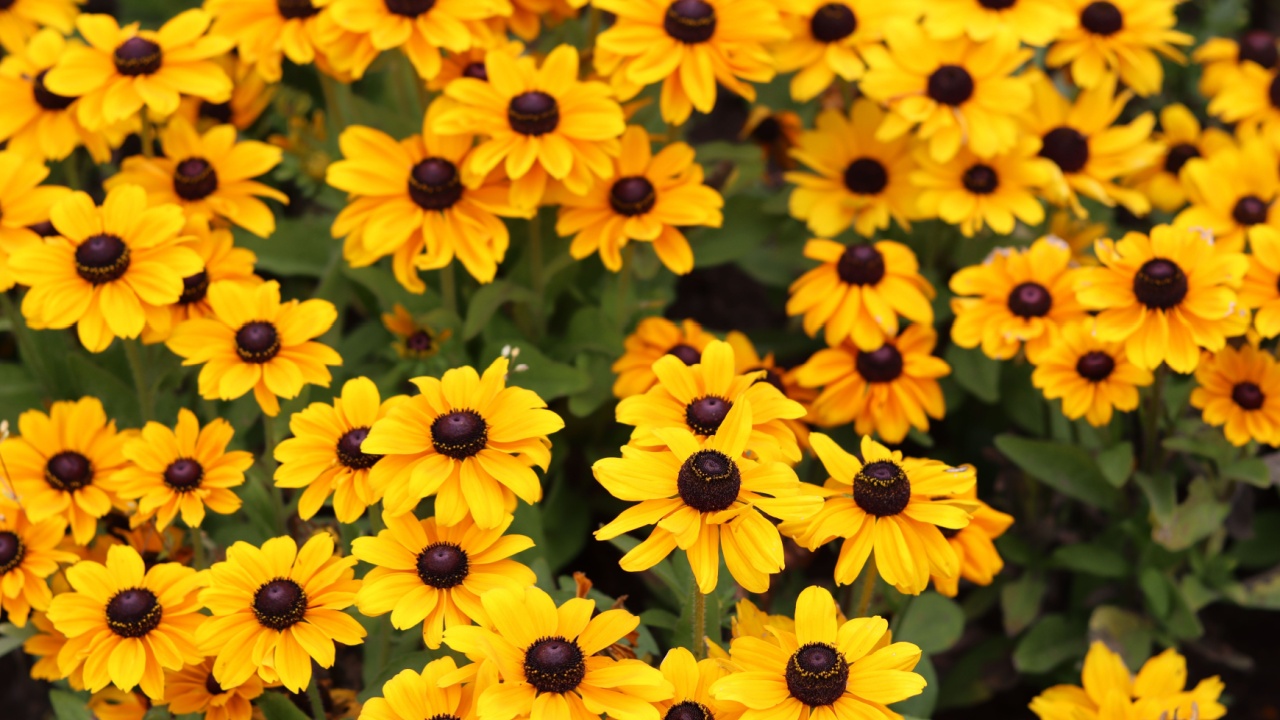
Image Credit: Shutterstock.
A cousin to the more common Black-Eyed Susan, Rudbeckia triloba is a short-lived perennial or biennial that produces an astonishing number of small, cheerful yellow flowers. It creates a massive, airy cloud of color in the garden from mid-summer into fall. It’s a fantastic plant for filling large spaces and provides a wild, meadow-like feel.
This Rudbeckia self-seeds with abandon, so you will never be without it once it’s established. The seeds benefit from a period of cold, moist stratification. You can achieve this by sowing them directly in the fall or by chilling them in the fridge for about a month before planting indoors in the spring. It is incredibly low-maintenance and beloved by pollinators.
Care Summary:
- Sun: Full sun to partial shade
- Soil: Tolerates a wide range of soils.
- Sowing: Direct sow in fall or start indoors after 30 days of cold stratification.
- Hardiness Zones: 3-9
- Water: Tolerates some drought but performs best with average moisture.
- Maintenance: Will self-seed freely; thin out seedlings as needed.
13. Creeping Phlox (Phlox stolonifera)
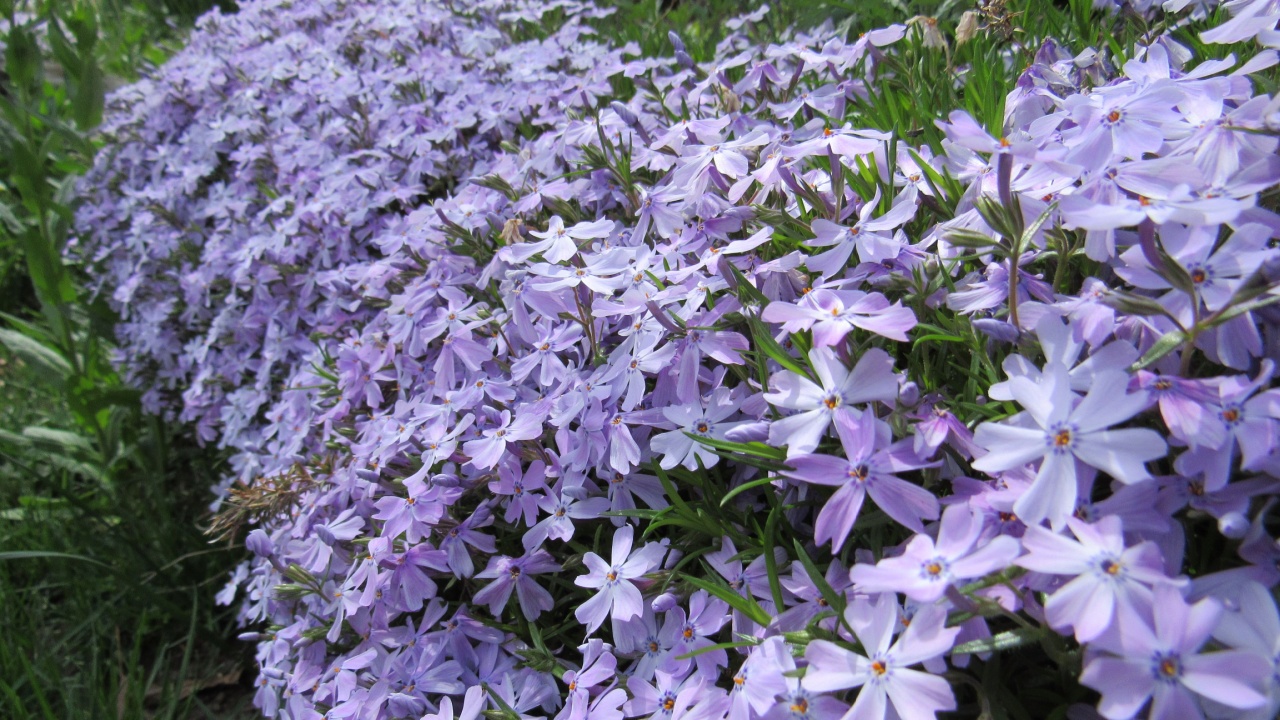
Image Credit: Shutterstock.com.
For a stunning spring groundcover, Creeping Phlox is unbeatable. In spring, it forms a dense mat of evergreen foliage that becomes completely smothered in flowers of pink, purple, or white. It’s perfect for rock gardens, cascading over walls, or edging pathways.
While often planted from nursery starts, growing Creeping Phlox from seed is a very economical way to cover a large area. The seeds can be scattered in the desired location in late fall or early spring. It will take a couple of years to reach full maturity and create a dense carpet, but the wait is well worth it. Once established, it is a tough, weed-suppressing plant that comes back stronger each year.
Care Summary:
- Sun: Full sun
- Soil: Average, well-draining soil.
- Sowing: Direct sow in the garden in fall or early spring.
- Hardiness Zones: 3-9
- Water: Moderate water needs; dislikes being waterlogged.
- Maintenance: Shear back lightly after flowering to encourage dense growth.
14. Common Mallow (Malva sylvestris)
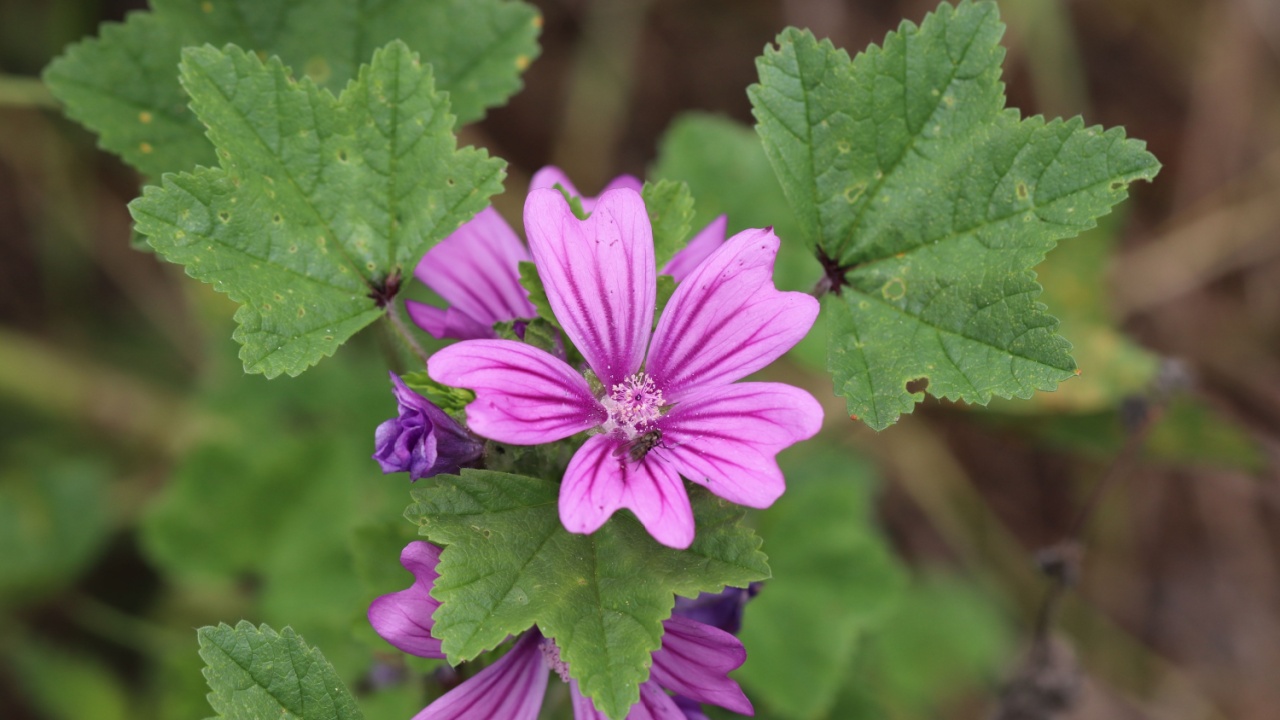
Image Credit: Shutterstock.com.
Common Mallow adds a touch of old-fashioned cottage charm to the garden with its hollyhock-like flowers. The blooms feature lovely pinkish-purple petals with striking dark stripes. This short-lived perennial or biennial isn’t fussy about soil and will often flower in its first year if started early enough.
The seeds need a period of cold stratification to germinate well. Direct sowing in the fall is an easy way to accomplish this naturally. If starting indoors, give the seeds a few weeks in the refrigerator. Mallow self-seeds readily, so once you have a patch, it will likely persist for years, providing continuous blooms and attracting pollinators.
Care Summary:
- Sun: Full sun to partial shade
- Soil: Well-draining; not picky about fertility.
- Sowing: Direct sow in fall or start indoors after cold stratification.
- Hardiness Zones: 4-8
- Water: Average water needs.
- Maintenance: Give plants plenty of space for good air circulation.
15. Anise Hyssop (Agastache foeniculum)
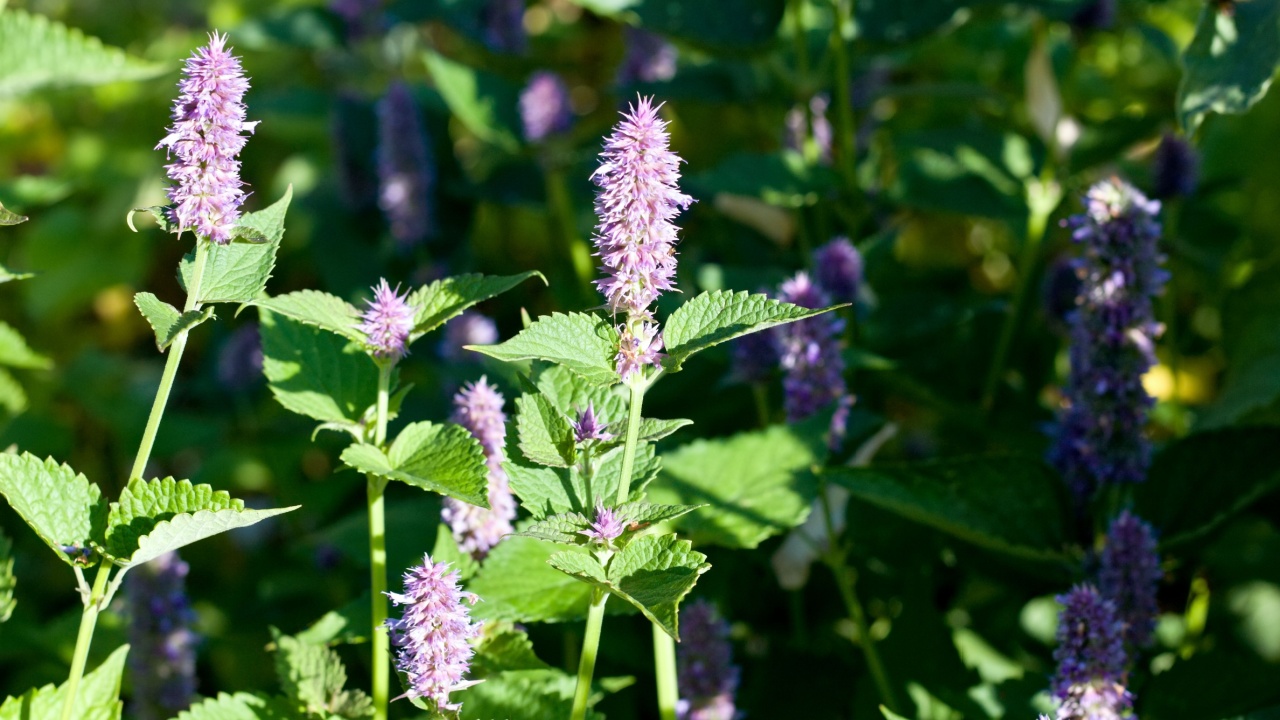
Image Credit: Shutterstock.com.
Anise Hyssop is a must-have for any pollinator garden. Its tall spikes of lavender-purple flowers are irresistible to bees of all kinds. The foliage has a wonderful minty, licorice-like aroma and can be used to make a lovely herbal tea. It’s a well-behaved member of the mint family that grows in clumps rather than spreading aggressively.
This plant is very easy to grow from seed, which needs light to germinate. Simply press the seeds onto the soil surface and keep them moist. Anise Hyssop is very productive and will bloom for a long period in the summer. It requires good drainage and is quite drought-tolerant once established.
Care Summary:
- Sun: Full sun
- Soil: Well-draining soil is essential.
- Sowing: Start indoors; needs light to germinate.
- Hardiness Zones: 3-8
- Water: Water during dry spells in the first year; drought-tolerant later.
- Maintenance: Cut back in late fall. It will self-seed politely.
16. English Lavender (Lavandula angustifolia)
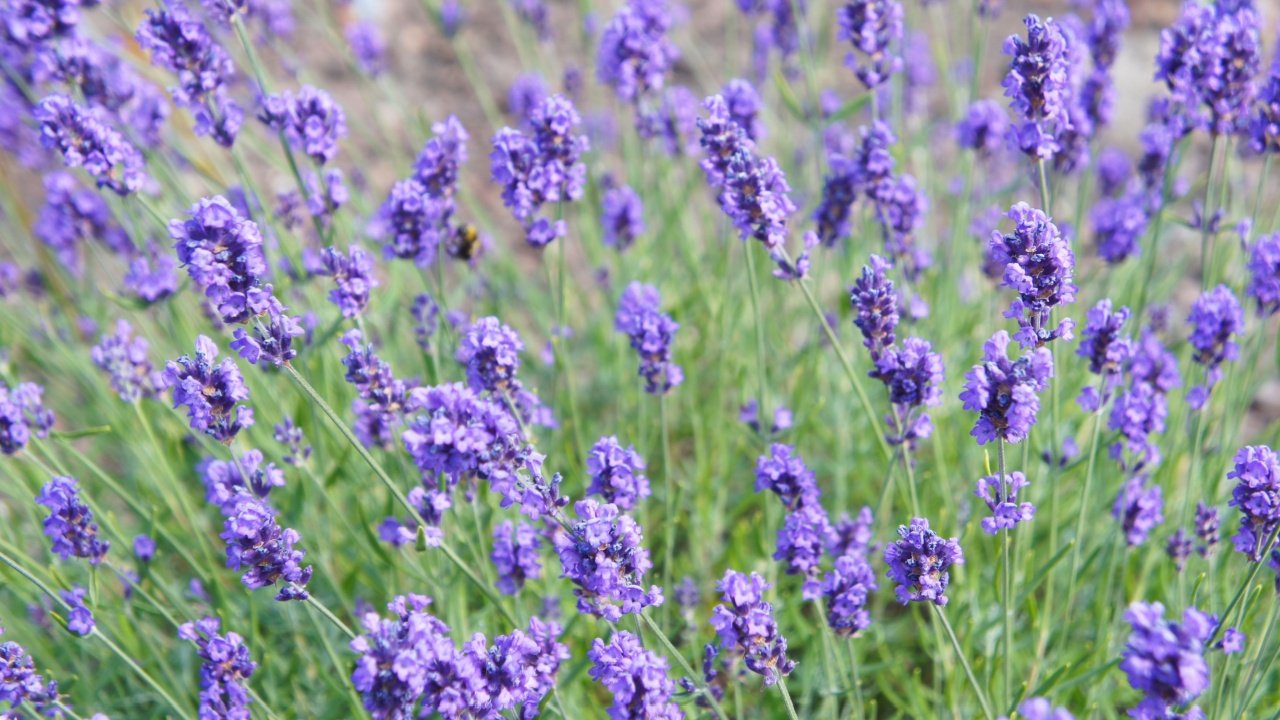
Image Credit: Shutterstock.
Many gardeners are intimidated by the idea of growing lavender from seed, but it is more than achievable with a little patience. Starting your own lavender is incredibly cost-effective compared to buying plants. The fragrant purple flowers and silvery foliage are iconic, perfect for borders, herb gardens, and crafting.
Lavender seeds have a reputation for being slow and tricky to germinate, but the secret is cold stratification. You can sow them using the winter sowing method or by chilling the seeds in a moist paper towel in the refrigerator for several weeks before planting. The plants themselves are tough and resilient, tolerating both drought and lean soils once established.
Care Summary:
- Sun: Full sun
- Soil: Gritty, well-draining soil is a must.
- Sowing: Requires a long period of cold stratification before sowing indoors.
- Hardiness Zones: 5-8
- Water: Water sparingly once established; hates wet feet.
- Maintenance: Prune back by about one-third in early spring or after flowering to maintain a compact shape.
It’s All About Timing

Image Credit: Shutterstock.
Feeling inspired? Starting your perennial garden from seed is an exciting project. Begin by choosing a few varieties from this list that suit your climate and garden conditions. You don’t need a lot of fancy equipment; a few seed trays, some quality seed-starting mix, and a sunny windowsill are enough to get started.
Remember that gardening is a journey of trial and error. Don’t be discouraged if not every seed sprouts. Experiment with different sowing methods, like starting indoors, direct sowing, or winter sowing in milk jugs. As your seedlings grow, enjoy the process of nurturing them into mature plants that will reward you with beauty for many years.