
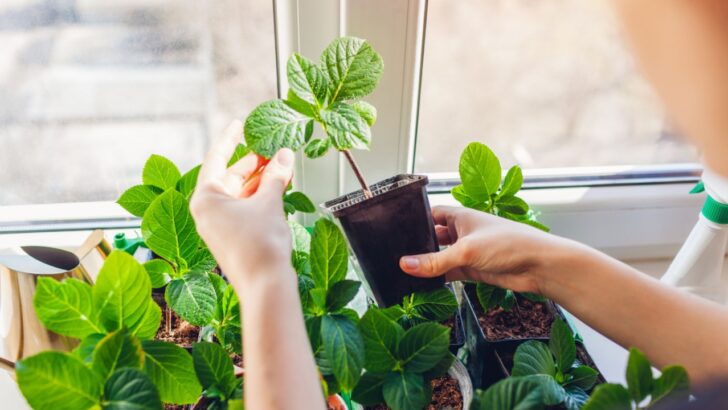
Building a beautiful plant collection doesn’t have to cost a fortune. Whether you want to decorate your home with lush greenery or fill your garden with vibrant blooms, there are plenty of creative ways to acquire plants for free.
From propagation to clever recycling, these 22 brilliant tips will help you expand your indoor and outdoor garden without stretching your budget.
How We Chose These Recommendations
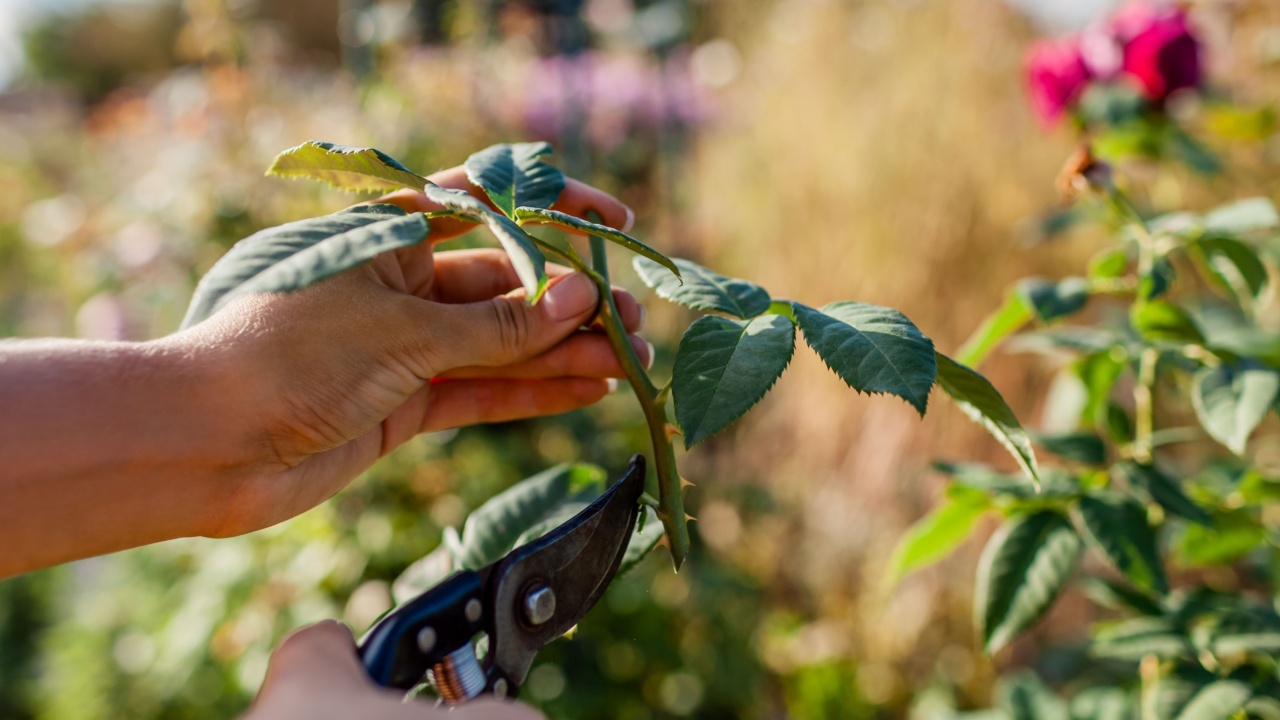
Image Credit: Shutterstock.
Our tips are grounded in extension research and expert gardener experience. We focused on reliable, cost‑free propagation methods, such as stem or leaf cuttings, division, layering, runners, and ethical plant rescues, that are commonly endorsed by major university extensions (e.g., Penn State and Oregon State) and widely reported in trusted gardening sources like Better Homes & Gardens and The Washington Post.
We selected methods that work year-round, keep plant genetics intact, and require minimal equipment—all aimed at helping you expand your garden sustainably.
1. Propagate Plants from Stem Cuttings
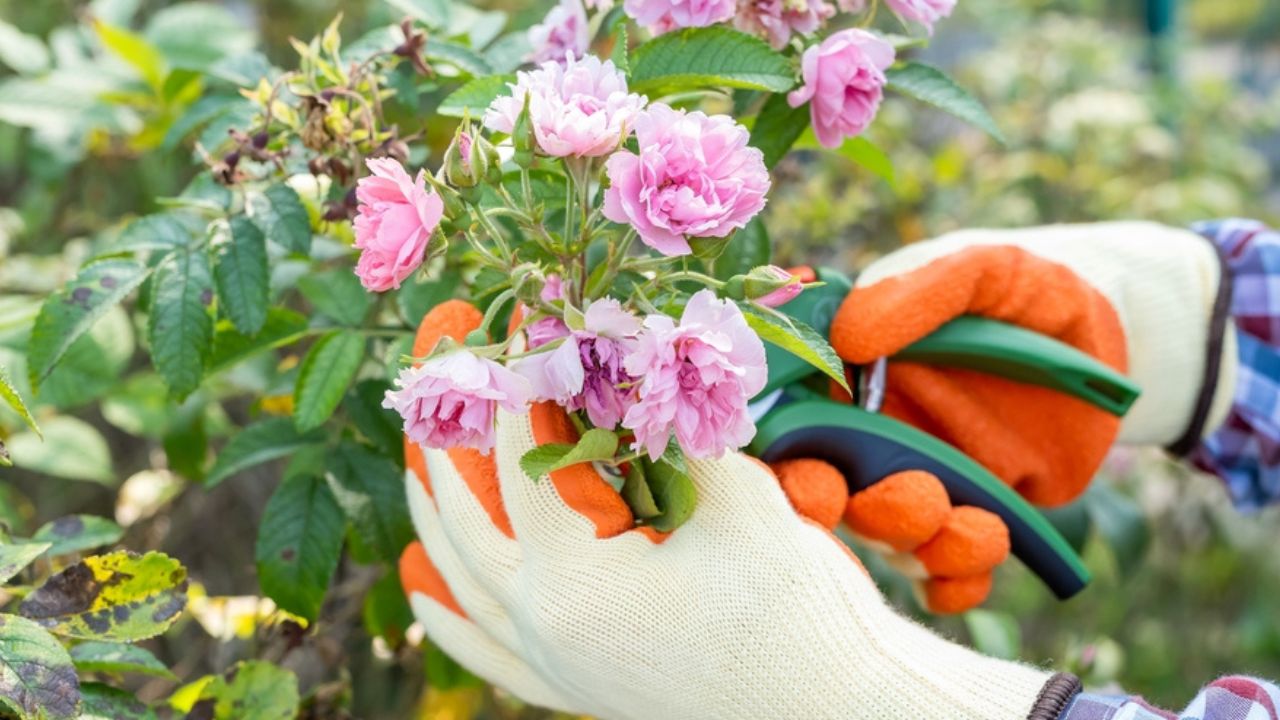
Image Credit: Shutterstock.
Propagating from stem cuttings is one of the simplest and most rewarding ways to get free plants. By cutting a healthy stem from a mature plant and rooting it in soil or water, you can grow a new plant in no time.
How to Do It: Snip below a node on the stem of your plant (where the leaf meets the stem). Place the cutting in water or damp soil and ensure it gets indirect sunlight. Many plants, such as pothos, basil, and coleus, thrive with this method.
2. Grow New Plants from Leaf Cuttings
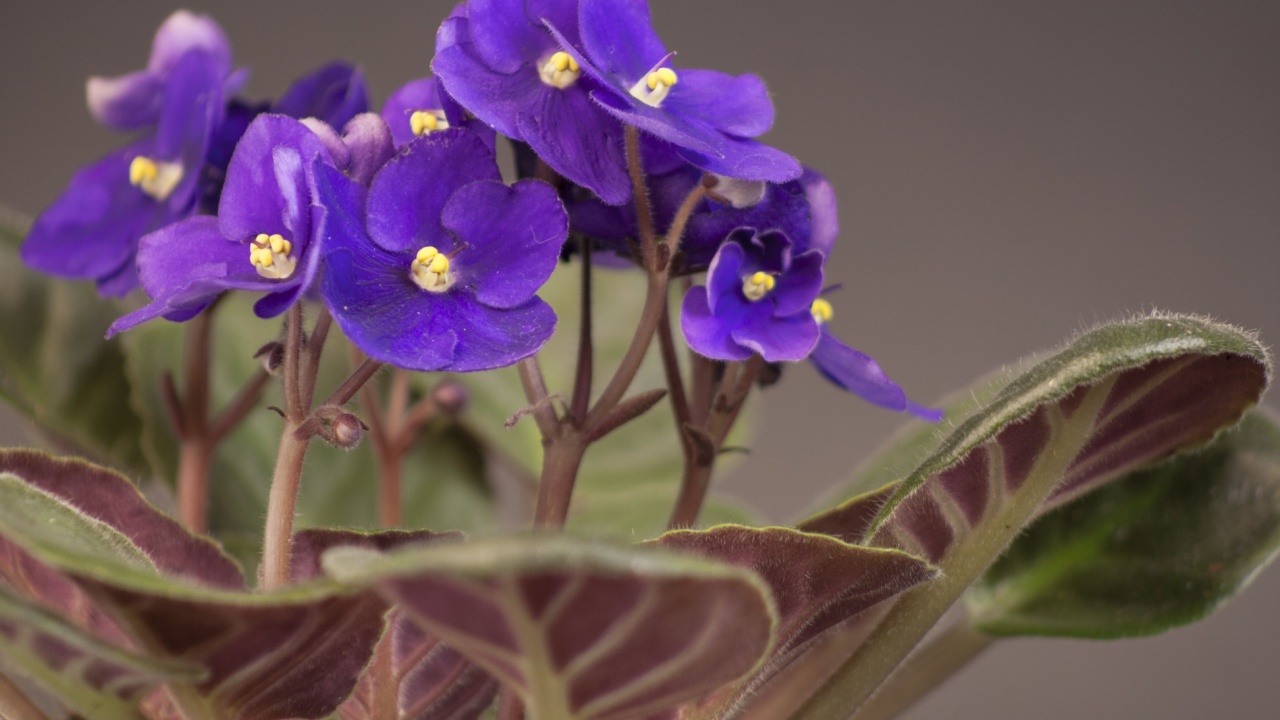
Image Credit: Shutterstock.
Certain plants, like succulents and African violets, can regenerate from a single leaf. This method requires minimal effort and yields impressive results.
How to Do It: Remove a leaf from the parent plant. Place it gently on soil (succulents) or insert the base into the soil (African violets). With consistent moisture and care, roots will sprout, kicking off new growth.
3. Divide Overgrown Perennials
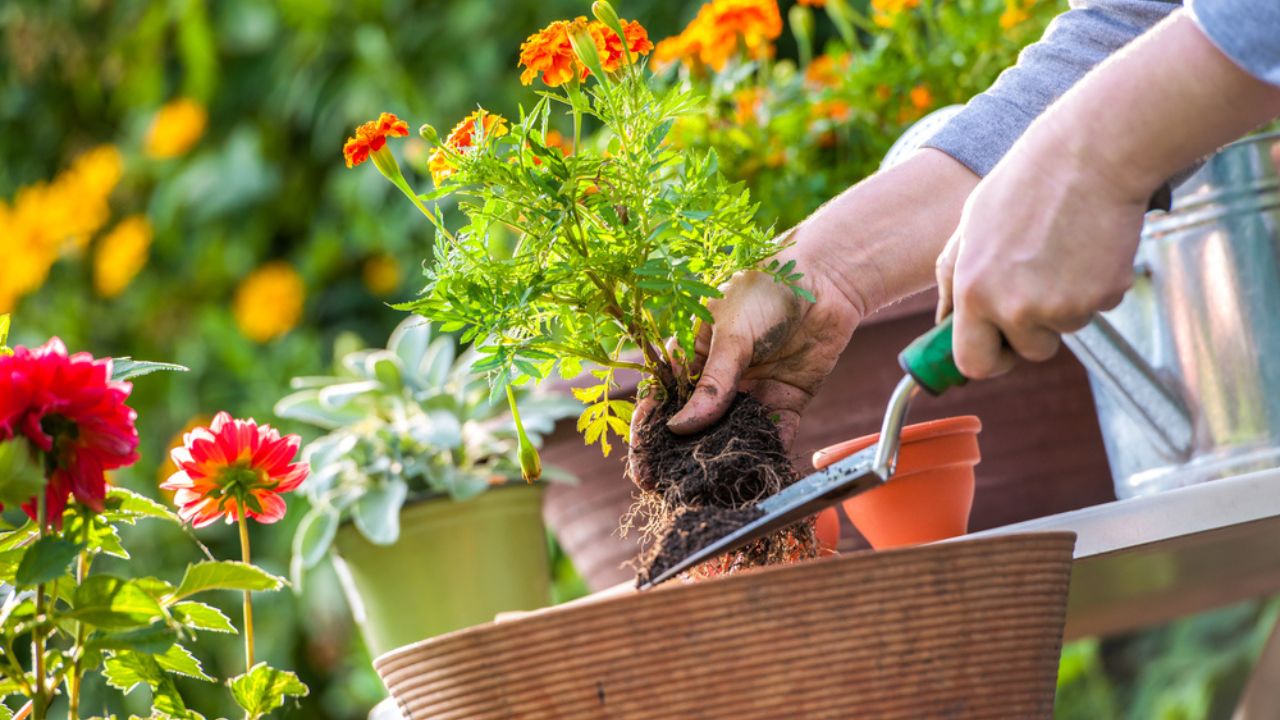
Image Credit: Shutterstock.
Perennials multiply year after year, often creating overcrowded clumps. Dividing these plants not only keeps your garden healthy but also provides you with more free plants.
How to Do It: Uproot the plant and gently separate its roots into smaller sections using a spade. Replant these divisions to create new garden patches or share them with friends.
4. Save Seeds from Kitchen Scraps

Image Credit: Shutterstock.
The next time you eat tomatoes, peppers, or melons, don’t throw away the seeds. They can be the start of your homegrown produce.
A realistic note: While feasible, seeds require proper drying, timing, and often multiple seasons for viability, require careful attention.
How to Do It: Rinse seeds thoroughly to remove any pulp, then allow them to dry. Plant them in soil during the appropriate season, and watch your food scraps turn into thriving plants.
5. Swap Plants with Friends

Image Credit: Shutterstock.
Organizing a plant swap is a budget-friendly way to diversify your collection while building community.
How to Do It: Invite friends, neighbors, or coworkers to bring their extra cuttings, seeds, or plants. Exchange plants that are easy to propagate, like spider plants, pothos, or herbs.
6. Regrow Vegetables from Leftovers
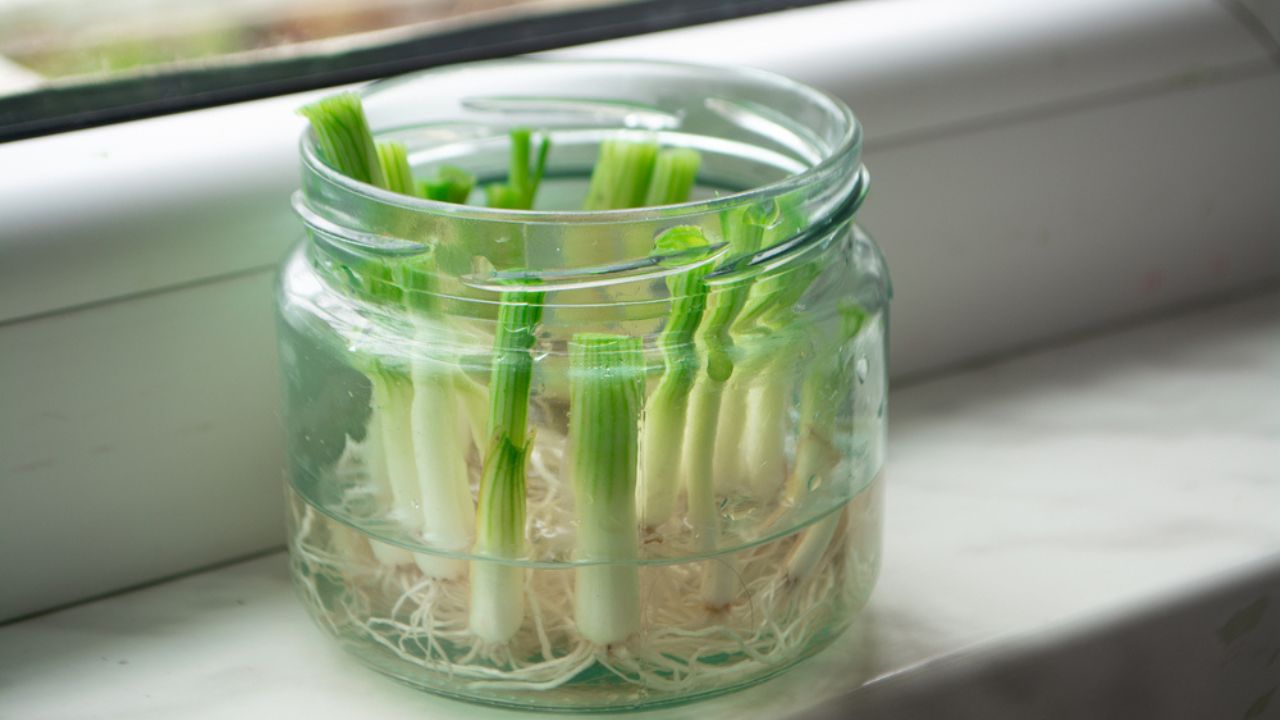
Image Credit: Shutterstock.
Many vegetables can regrow from scraps like stems and roots. Celery, green onions, and lettuce (less consistent) are particularly easy to revive.
How to Do It: Place the root end of these vegetables in a shallow bowl of water. Keep it in a sunny spot and change the water every couple of days. Watch new growth emerge in just a few weeks.
7. Explore Local Plant Swaps or Community Events

Image Credit: Shutterstock.
Community events like plant swaps are treasure troves for free plants. Many local groups organize gatherings where gardeners trade plants and share advice.
How to Do It: Check social media pages or community boards for upcoming events in your area. Bring your own cuttings to trade and leave with a plant you’ve been wanting!
8. Ask Nurseries for Unsold or Damaged Plants

Image Credit: Shutterstock.
Plants that don’t meet retail standards often get discarded, even though many can thrive with a bit of TLC.
How to Do It: Politely ask local nurseries or garden centers if they have any plants they’re planning to throw away. Take these “discarded” plants home and nurse them back to health.
9. Look for End-Of-Season Sales
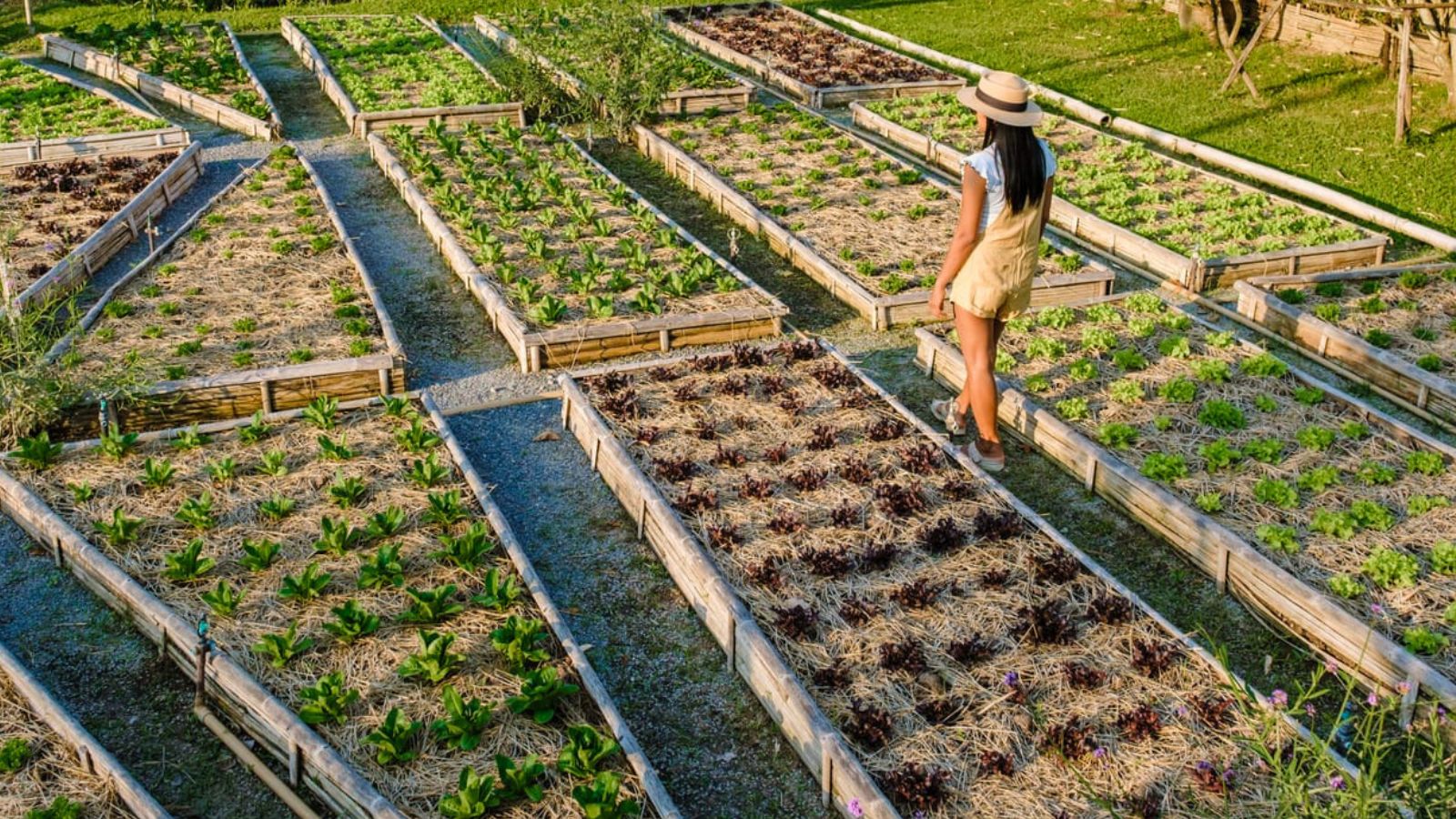
Image credit: YAY Images.
Toward the end of planting seasons, nurseries often discount their inventory heavily or even give it away to make space for new stock.
How to Do It: Plan visits to garden centers in late summer or fall. Even if the plants look a little rough, they can usually recover with some care.
10. Rescue Clearance Rack Plants
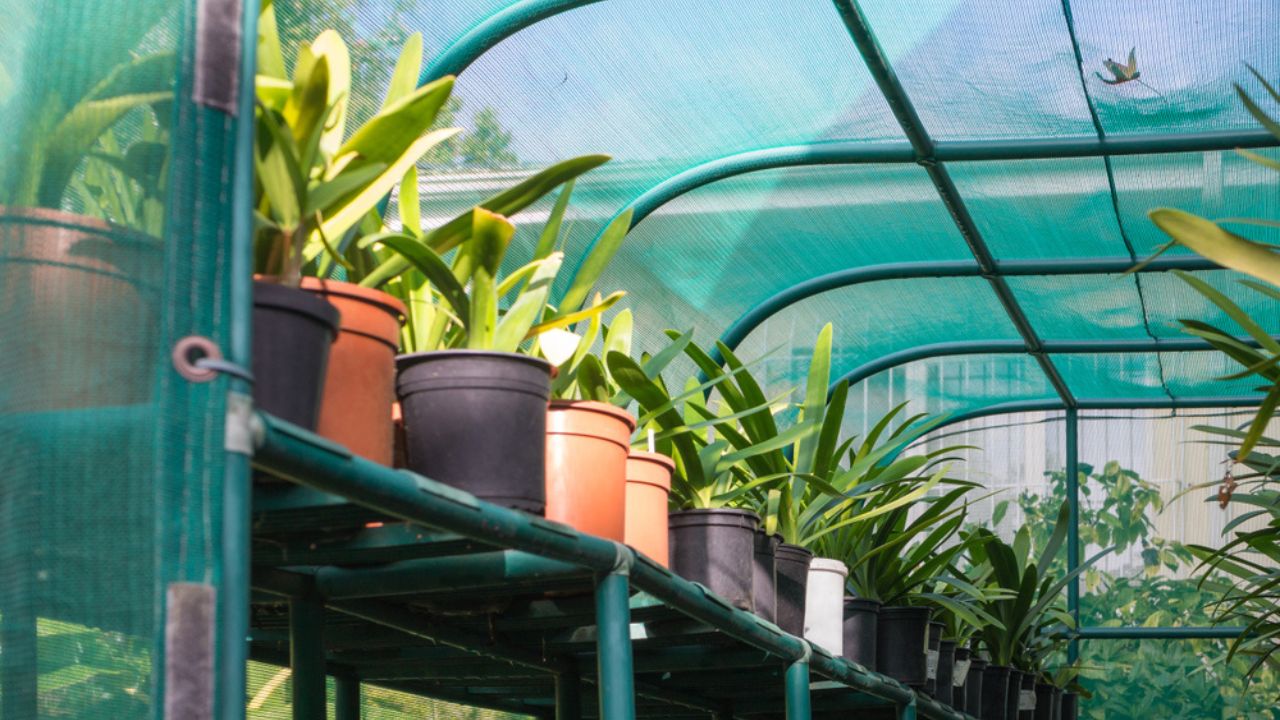
Image Credit: Shutterstock.
Clearance racks in stores are goldmines for discounted, unloved plants that still have potential.
How to Do It: Check these sections regularly during your shopping trips. Plants on these racks may need pruning or watering to rebound beautifully.
11. Rely on Volunteer Seedlings in Your Garden

Image Credit: Shutterstock.
Mother Nature helps gardeners with unexpected surprises. Volunteer seedlings often emerge from dropped seeds or last season’s plants.
How to Do It: Mark and protect these sprouts as they grow. If necessary, transplant them to a more advantageous location in your garden.
12. Join Online Gardening Groups for Trades

Image Credit: Shutterstock.
Online groups offer a global community to share and trade plants, seeds, and cuttings.
How to Do It: Join platforms like Reddit or Facebook, where plant enthusiasts connect. Many groups, like “Plant Swap” or “Take a Plant, Leave a Plant,” facilitate plant exchanges regionally or nationwide.
13. Propagate Herbs from Supermarket Cuttings

Image Credit: Depositphotos.com.
Fresh herb bundles from your grocery store can be propagated into full plants.
How to Do It: Place basil, cilantro, or mint stems in water until roots form. Transplant these into a pot of soil for a steady supply of homegrown herbs.
14. Use Water Propagation for Indoor Plants

Image Credit: Shutterstock.
We already mentioned propagating the beginning in the soil or water. In particular, propagating plants in water allows you to see root development while expanding your collection indoors.
How to Do It: Place plant cuttings, such as pothos or philodendron, in clean water until roots grow 2–3 inches long. Transfer them into the soil when the roots are established.
16. Layer Plants for Easy Propagation

Image Credit: Shutterstock.
Layering lets plants propagate naturally by rooting their stems while still attached to the parent plant.
How to Do It: Bend a branch to the ground and cover part of it with soil. Once roots form at the buried section, you can cut and replant it.
17. Encourage Self-Seeding Flowers and Herbs

Image Credit: Deposit Photos.
Allowing certain plants to go to seed guarantees new growth without any extra effort on your part.
How to Do It: Leave flowers like cosmos, marigolds, or dill to produce seeds. New plants will grow in the same spot next season.
18. Use Runners from Strawberries or Spider Plants

Image Credit: Depositphotos.com.
Runner plants like strawberries and spider plants naturally create offshoots that can be potted separately to grow new ones.
How to Do It: Pin down the runner where it’s likely to root. Once roots develop, sever it from the parent plant and pot it up.
19. Collect Free Seeds from Gardening Events

Image Credit: Shutterstock.
Many gardening centers, schools, or nonprofits organize seed giveaway events to encourage green thumbs in the community.
How to Do It: Keep an eye out for these events through local listings. Be sure to arrive early—free seeds usually go fast!
20. Gather Bulbs from Crowded Plants

Image Credit: Shutterstock.
Over time, bulbs from lilies or daffodils multiply into clumps, which can hamper blooming.
How to Do It: Dig up these clumps in late summer or fall, separate the bulbs, and plant them individually. This rejuvenates the parent plant and rewards you with more flowers.
21. Replant Pinecones or Acorns

Image Credit: Shutterstock.
Pinecones and acorns often harbor seeds that can grow into new trees.
How to Do It: Collect fallen pinecones or acorns during walks. Extract the seeds and plant them in pots with well-draining soil, ensuring the conditions are suitable for the species.
22. Observe Local Social Media Giveaways

Image Credit: Depositphotos.com.
Local groups and marketplaces, such as Facebook or Craigslist, often advertise free plants from people who are downsizing their collections.
How to Do It: Search for keywords like “free plants” or “garden giveaway” in your area. Reach out promptly, as these offers are often first-come, first-served.
Gardening on Any Budget
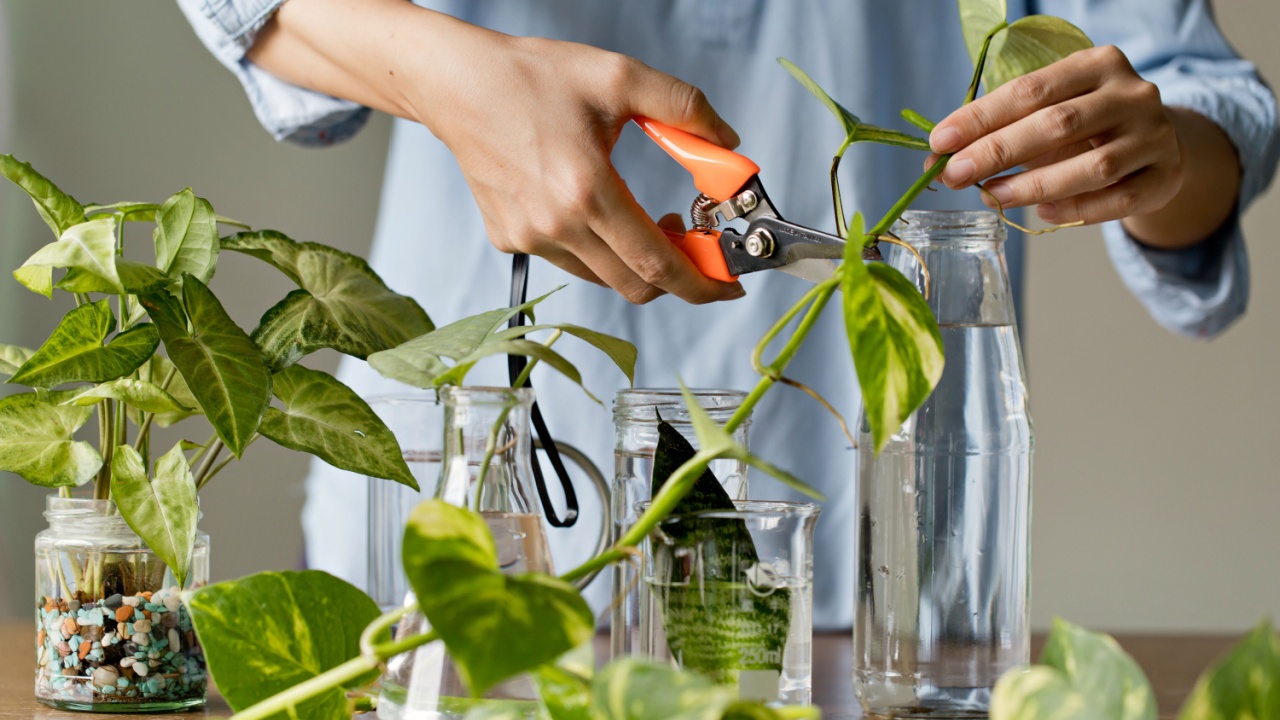
Image Credit: Shutterstock.
Creating a thriving garden or lush indoor space doesn’t have to cost you anything. With these 22 tips, you can add diversity and vibrancy to your plant collection for free. Whether it’s propagating cuttings or taking advantage of community events, growing your own green space has never been easier—or cheaper. Start exploring these ideas today and watch your garden flourish!