
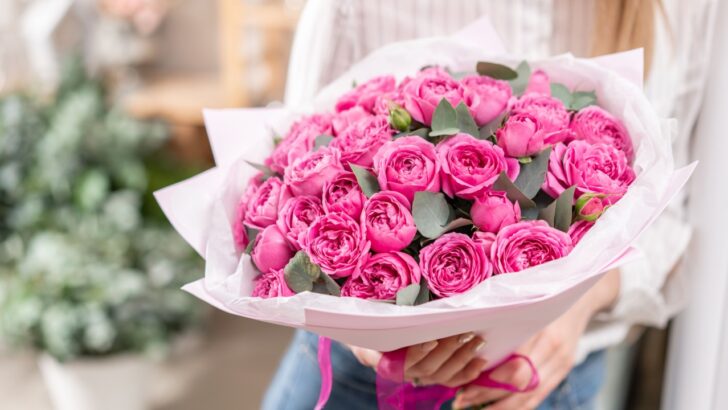
Struggling to find the perfect birthday gift? Instead of another gift card, why not give something with a personal touch? Birth month flowers, much like birthstones, offer a unique and thoughtful way to celebrate someone’s special day.
Each month is represented by one or two special blooms, each with its own rich history and symbolic meaning.
Here is a list of designated flowers for each month of the year. You’ll learn not just what they are, but also what makes them a meaningful gift and how to care for them (if you want to plant them in your garden or give live plants as a gift).
Where We Got This Data

Image Credit: Shutterstock.
The information in this article comes from a blend of trusted horticultural references, gardening guides, and expert forums. We reviewed university extension publications, historical records of flower symbolism, and widely accepted gardening practices to ensure accuracy.
The meanings of birth month flowers are rooted in cultural traditions and folklore, while the care tips are based on standard horticultural advice.
1. January: Carnation and Snowdrop
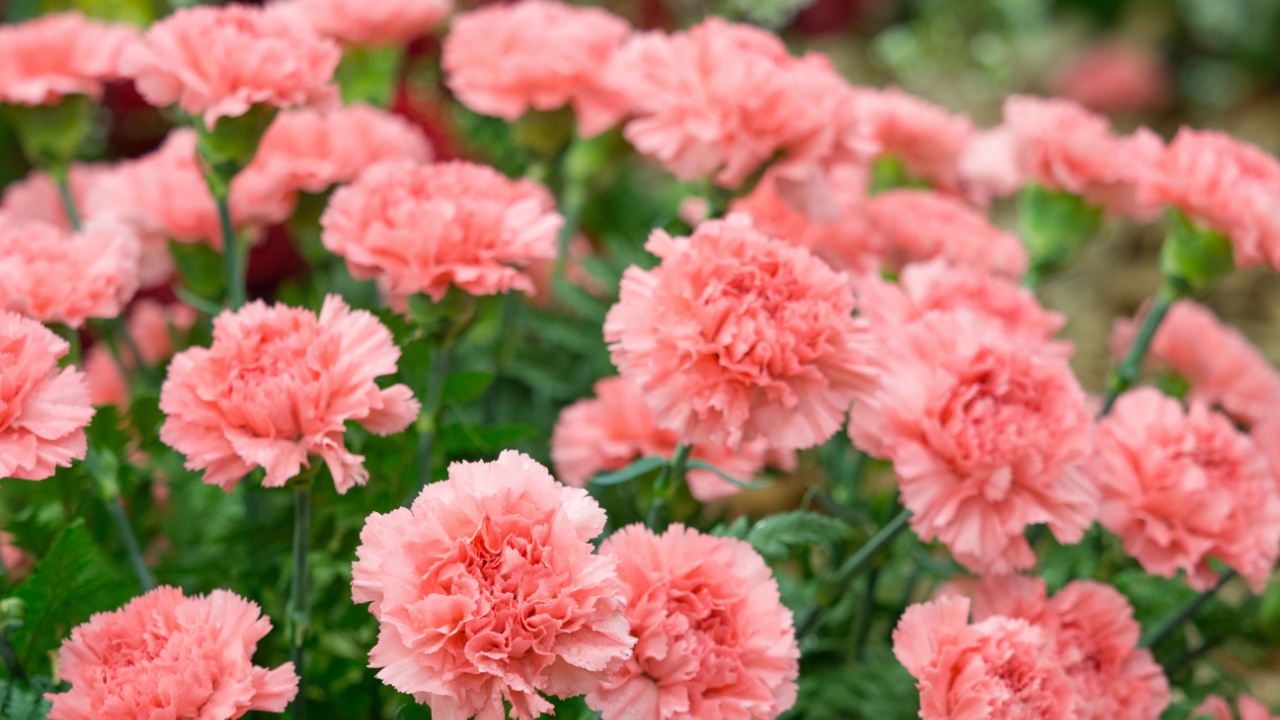
Image Credit: Shutterstock.
January birthdays are celebrated with carnations and snowdrops, two flowers that bring warmth and hope during the chilly month. Carnations, with their ruffled petals, are resilient and long-lasting, symbolizing love, fascination, and distinction.
Their colors add meaning: pink for affection, red for deep love, and white for pure love or good luck. Snowdrops, one of the first flowers to bloom through winter snow, represent hope and new beginnings. A bouquet of carnations or snowdrops is a thoughtful way to celebrate a January birthday.
- Why It’s a Great Gift: Carnations are widely available and come in a vast array of colors to suit any personality. Snowdrops are a more unique choice, perfect for gardeners who appreciate the promise of spring.
- Care Tips: Place cut carnations in a clean vase with fresh water and flower food, away from direct sunlight. Snowdrop bulbs can be planted in the fall in a shady, moist part of the garden for a beautiful display year after year.
2. February: Violet and Primrose
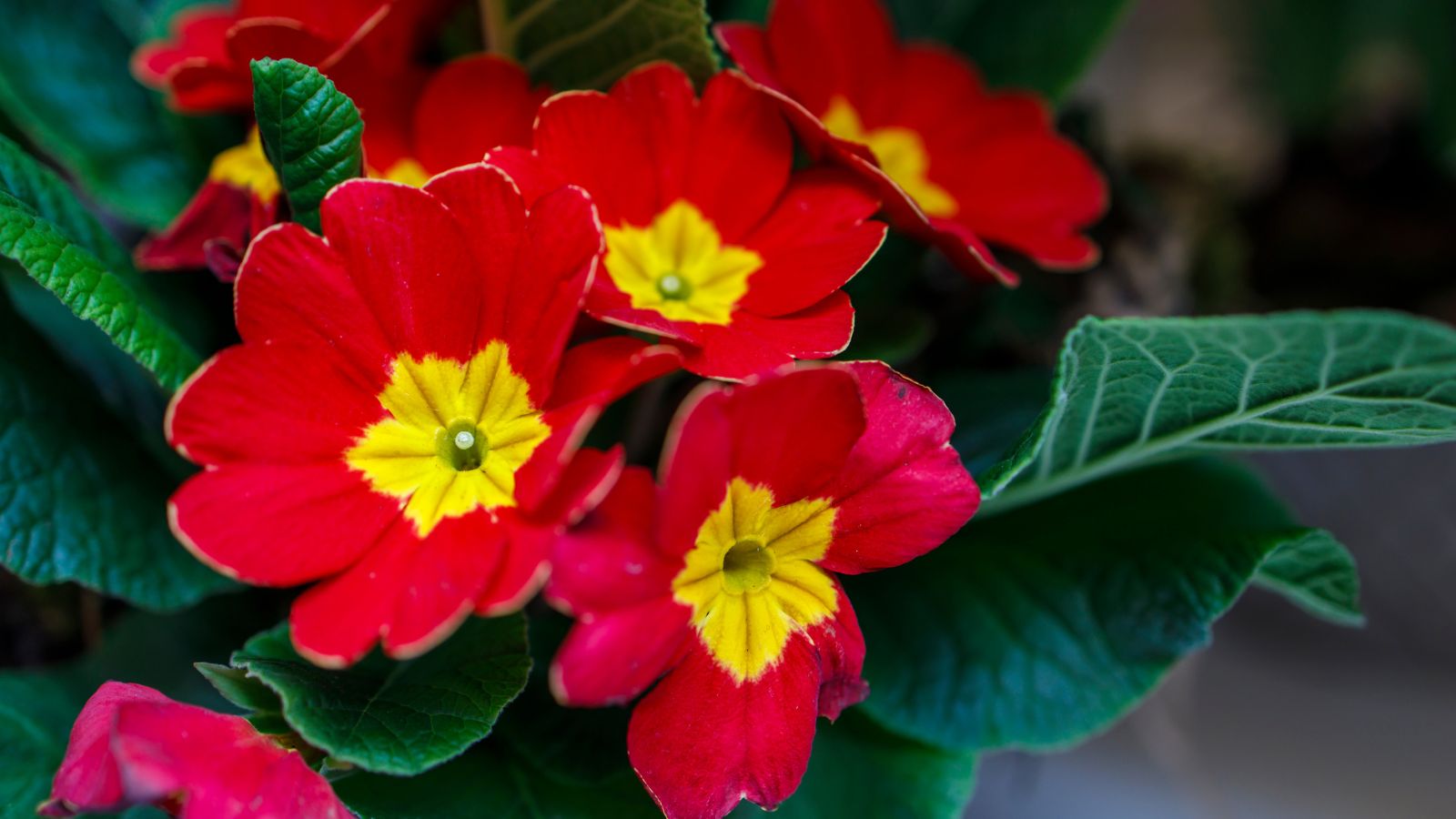
Image credit: YAY Images.
February birthdays get the humble violet and cheerful primrose. Violets, loved for their scent and heart-shaped leaves, symbolize faithfulness and wisdom. Primroses, first to bloom in spring, represent youth and enduring life. A pot of either makes a subtly elegant gift.
- Why It’s a Great Gift: Both violets and primroses are lovely potted plants that can brighten up a windowsill or a small garden space. Their symbolism of loyalty and enduring affection makes them especially meaningful.
- Care Tips: Violets prefer indirect light and consistently moist soil. Primroses thrive in cool conditions with bright, indirect light and well-draining soil.
3. March: Daffodil
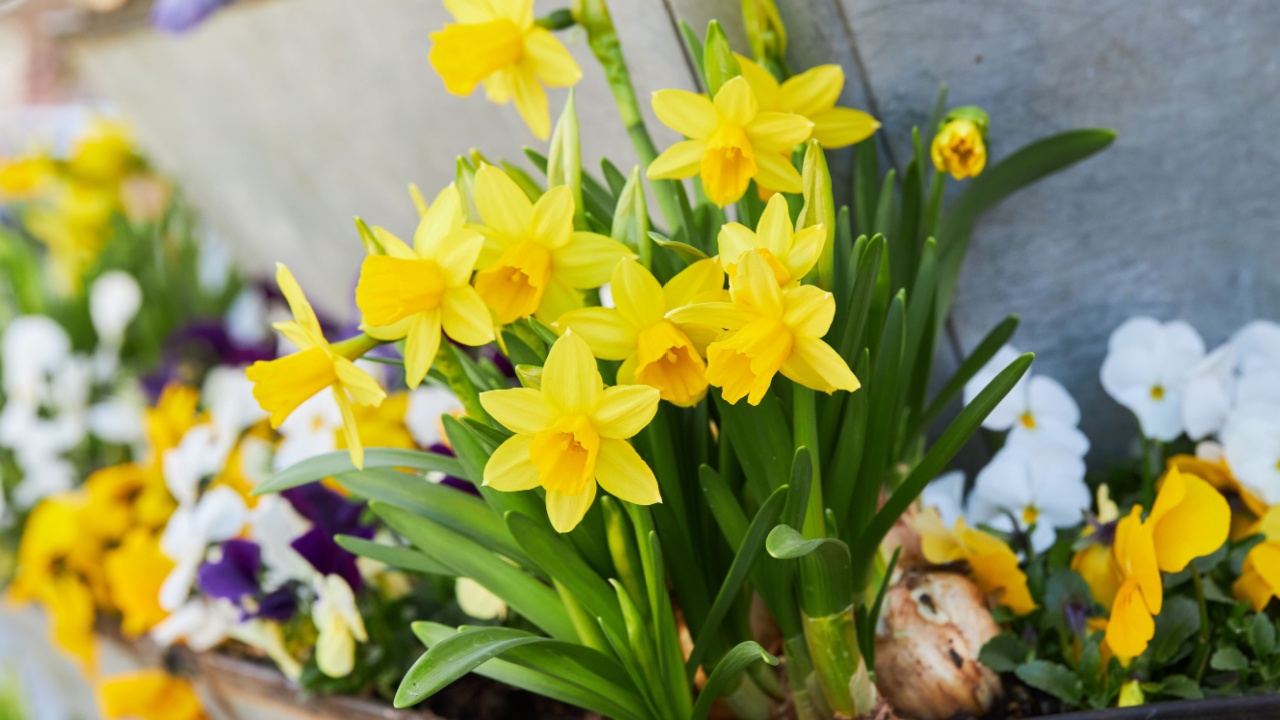
Image Credit: Shutterstock.
As winter gives way to spring, the daffodil stands tall as the flower for March. Also known as jonquils, these bright, trumpet-shaped flowers are one of the first signs of the new season.
They symbolize new beginnings, rebirth, and unparalleled love. A legend says that presenting a single daffodil brings misfortune, so it’s always best to give a full, cheerful bunch. Their sunny disposition is sure to bring a smile to anyone celebrating a March birthday.
- Why It’s a Great Gift: Daffodils are iconic symbols of spring and happiness, making them an incredibly uplifting gift. They’re also easy to find and relatively inexpensive.
- Care Tips: Daffodil bulbs should be planted in the fall in a spot with full sun. As cut flowers, they should be kept in a separate vase for a few hours before mixing with other flowers, as their stems release a sap that can wilt other blooms.
4. April: Daisy and Sweet Pea
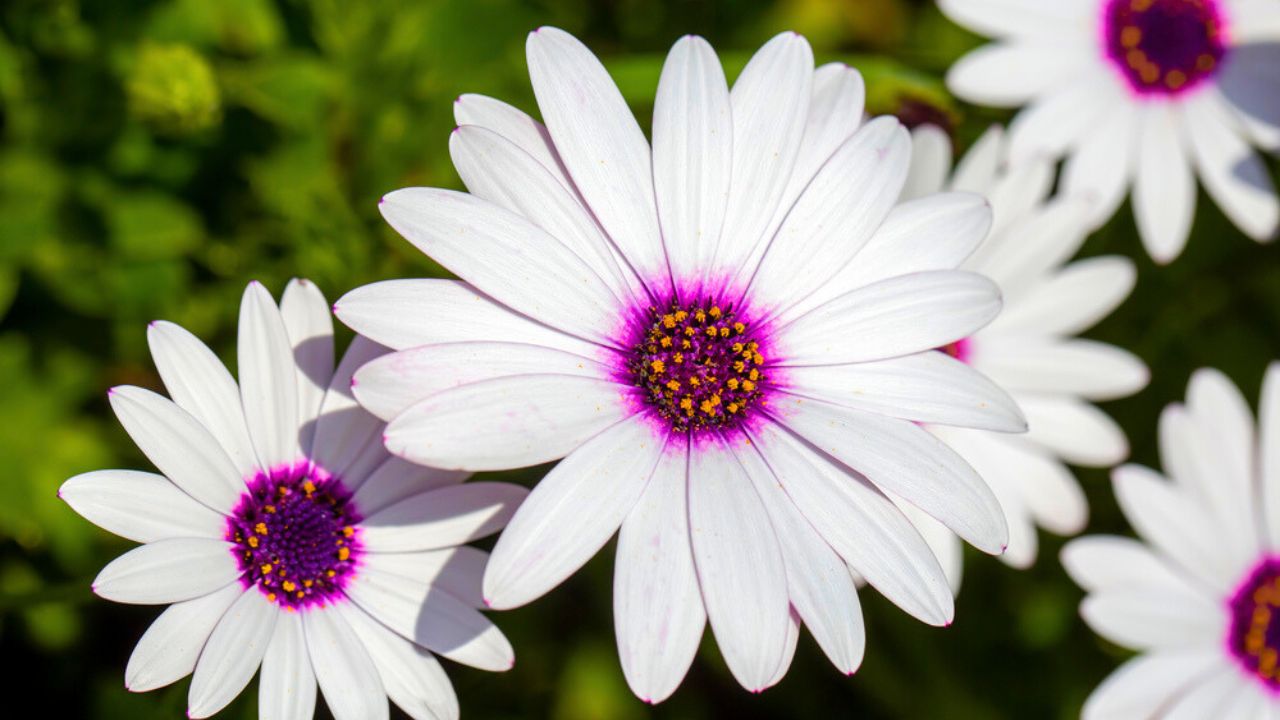
Image Credit: Shutterstock.
April is represented by the pure and simple daisy and the fragrant sweet pea. The daisy, with its classic white petals and yellow center, symbolizes innocence, purity, and loyal love.
Its name comes from “day’s eye,” as the petals close over the center at night and reopen in the morning. The sweet pea, with its delicate, candy-like fragrance, signifies blissful pleasure and is a perfect way to say “thank you for the lovely time.” Gifting a mix of these two flowers creates a bouquet that is both visually lovely and wonderfully scented.
- Why It’s a Great Gift: A bouquet of daisies has a timeless, rustic charm, while sweet peas add a touch of romantic fragrance. Together, they represent the simple joys of life.
- Care Tips: Daisies are hardy and can be grown easily in a sunny garden bed. Sweet peas are climbers and need a trellis or support. They prefer full sun and regular watering to keep their blooms going.
5. May: Lily of the Valley and Hawthorn
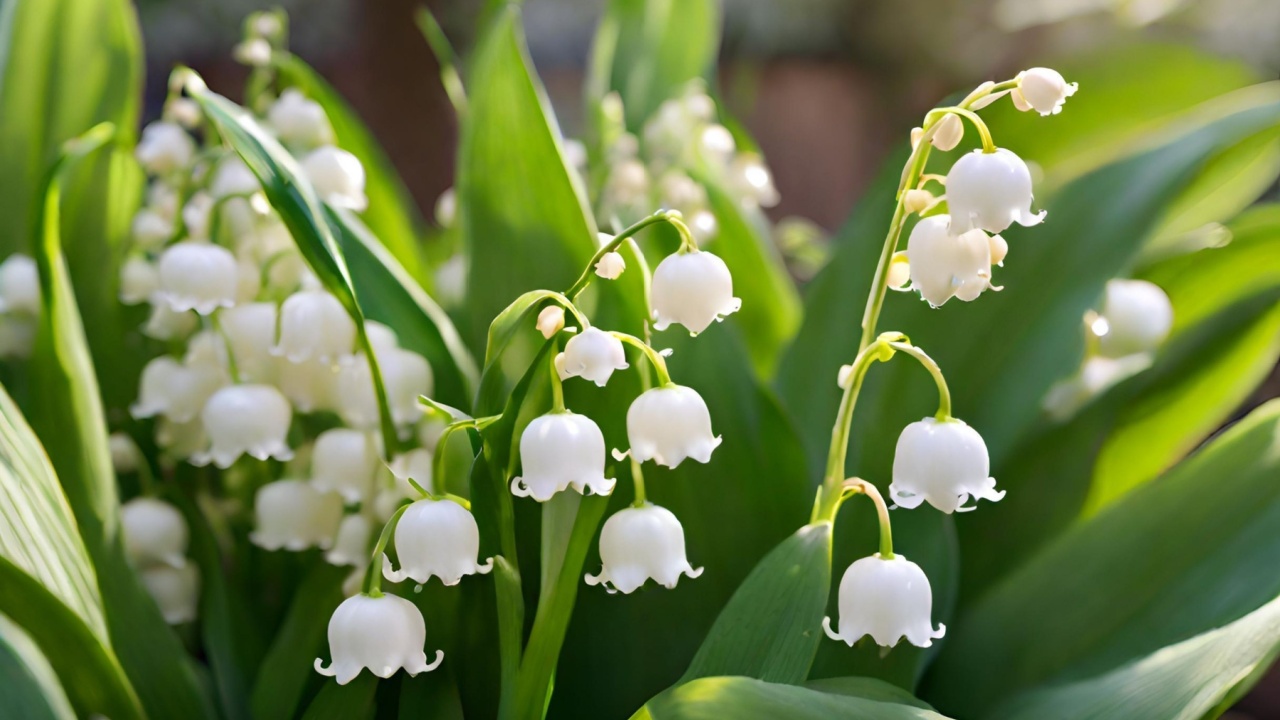
Image Credit: Shutterstock.
The sweet, fragrant lily of the valley and the unique hawthorn are the flowers for May. Lily of the valley, with its tiny, bell-shaped white flowers, symbolizes sweetness, humility, and the return of happiness.
It’s a favorite in bridal bouquets and has been cherished for generations. The hawthorn plant, with its thorny branches and clusters of white or pink flowers, represents hope and supreme happiness. It has deep roots in folklore and is said to have protective qualities.
- Why It’s a Great Gift: Lily of the valley is a classic and elegant choice, known for its enchanting perfume. A small potted hawthorn can be a unique, long-lasting gift for a gardener.
- Care Tips: Lily of the valley thrives in shady, moist conditions and will spread to form a fragrant ground cover. Hawthorn trees are hardy and adaptable, growing well in full sun and various soil types.
6. June: Rose and Honeysuckle
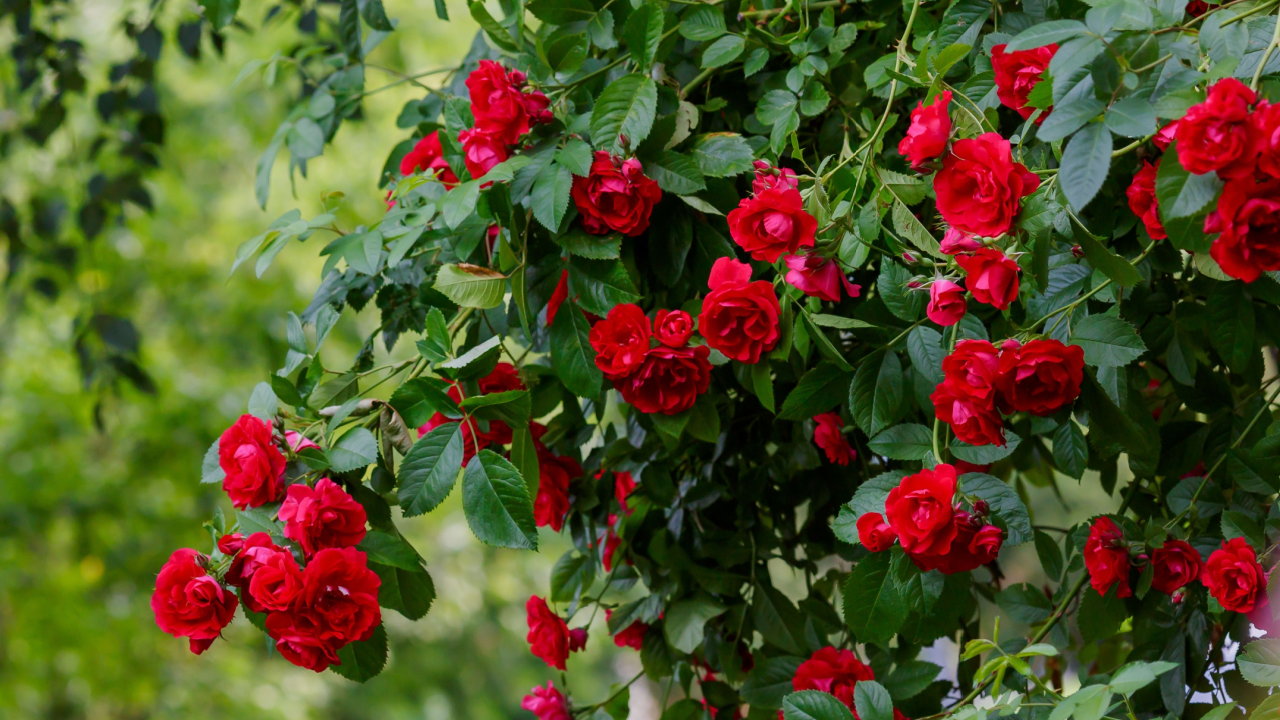
Image Credit: Shutterstock.
June claims two of the most beloved flowers: the classic rose and the intoxicatingly fragrant honeysuckle. The rose’s meaning varies deeply by color, from red for passionate love to yellow for friendship and pink for gratitude. It’s arguably the most famous flower in the world, symbolizing love and beauty in its many forms.
Honeysuckle, with its sweet nectar-filled blooms, attracts hummingbirds and butterflies and represents the everlasting bonds of love. A bouquet of roses is a timeless gesture, while a cutting of honeysuckle can be a promise of sweet things to come.
- Why It’s a Great Gift: The rose is the ultimate customizable flower gift, with a color for every sentiment. Honeysuckle is perfect for the garden lover who appreciates fragrance and attracting wildlife.
- Care Tips: Roses require at least six hours of sun per day and regular feeding. Honeysuckle is a vigorous vine that needs a sturdy structure to climb and should be planted in a sunny spot.
7. July: Larkspur and Water Lily
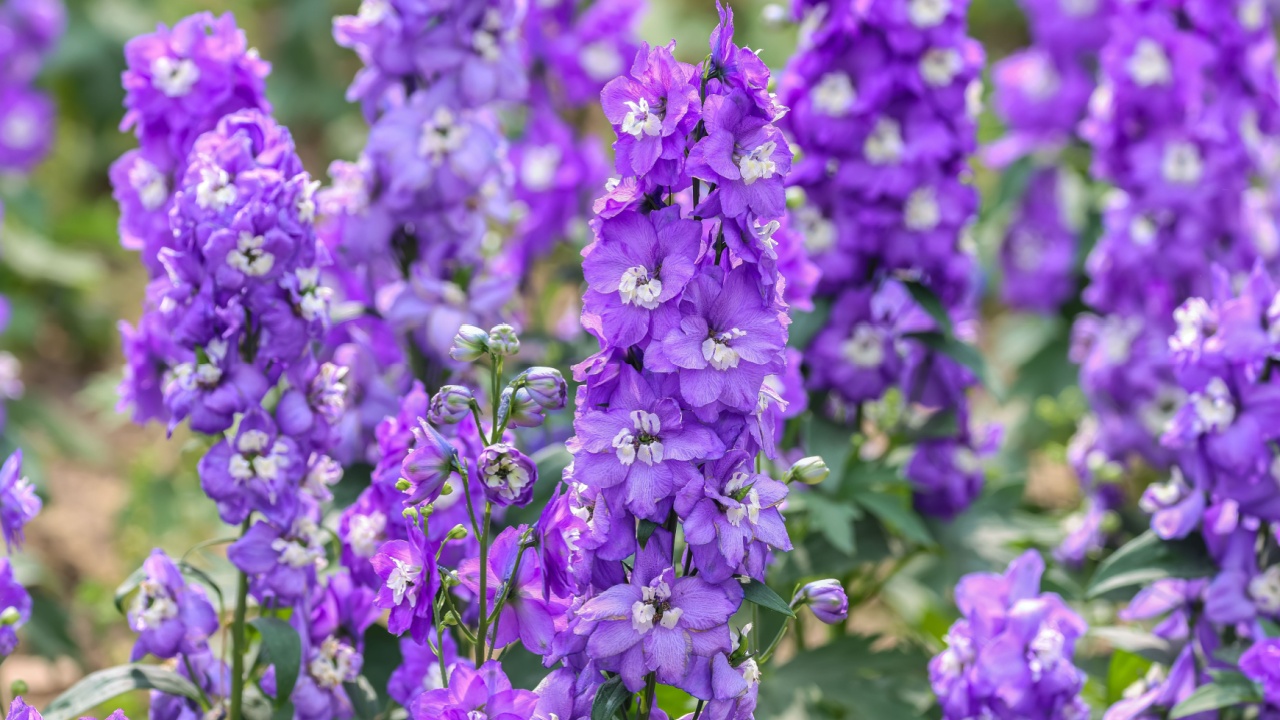
Image Credit: Shutterstock.
For the height of summer, July birthdays are celebrated with the tall, dramatic larkspur and the serene water lily. Larkspur, with its dolphin-shaped flowers arranged on a tall spike, symbolizes an open heart and ardent attachment.
Like the rose, its meaning changes with its color, with pink signifying fickleness and purple representing a first love. The water lily, which floats gracefully on the surface of ponds, is a symbol of purity, enlightenment, and rebirth.
- Why It’s a Great Gift: Larkspur adds height and drama to any floral arrangement. While a water lily itself is an unconventional gift, a print or photo of one can be a beautiful and serene present for someone with a love for aquatic gardens.
- Care Tips: Larkspur grows best in full sun and well-drained soil. Water lilies need a still pond or large water container with several hours of direct sunlight to bloom.
8. August: Gladiolus and Poppy
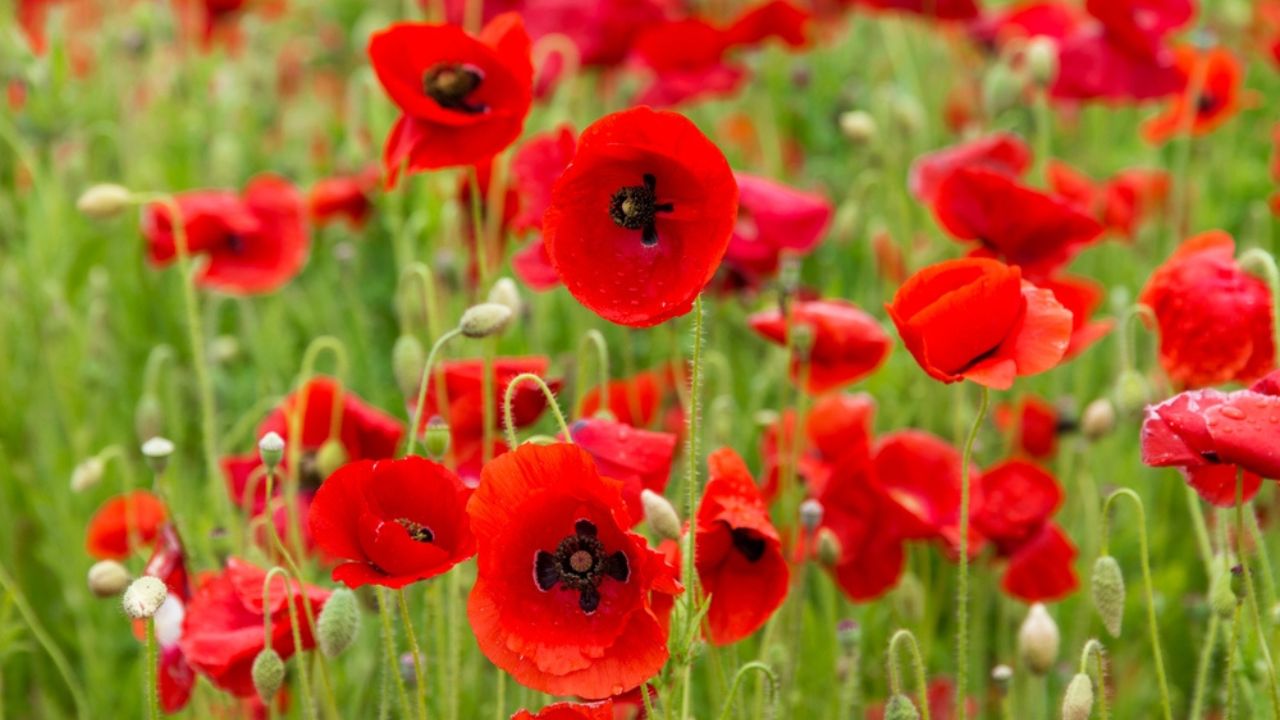
Image Credit: Shutterstock.
August birthdays are marked by the strong gladiolus and the vibrant poppy. Named from the Latin word “gladius” for sword, the gladiolus features tall stalks of flowers and symbolizes strength of character, integrity, and infatuation.
It tells the recipient that they pierce the giver’s heart with passion. The poppy, with its bright, delicate petals, symbolizes remembrance, with different colors having unique meanings. A red poppy honors fallen soldiers, while a yellow one wishes for wealth and success.
- Why It’s a Great Gift: A tall bouquet of gladiolus makes a striking statement. Poppies, especially California poppies, are a fantastic choice for a wildflower garden enthusiast.
- Care Tips: Gladiolus bulbs should be planted in the spring in a sunny location. Poppies are easy to grow from seed; simply sprinkle them over prepared soil in the fall or early spring.
9. September: Aster and Morning Glory
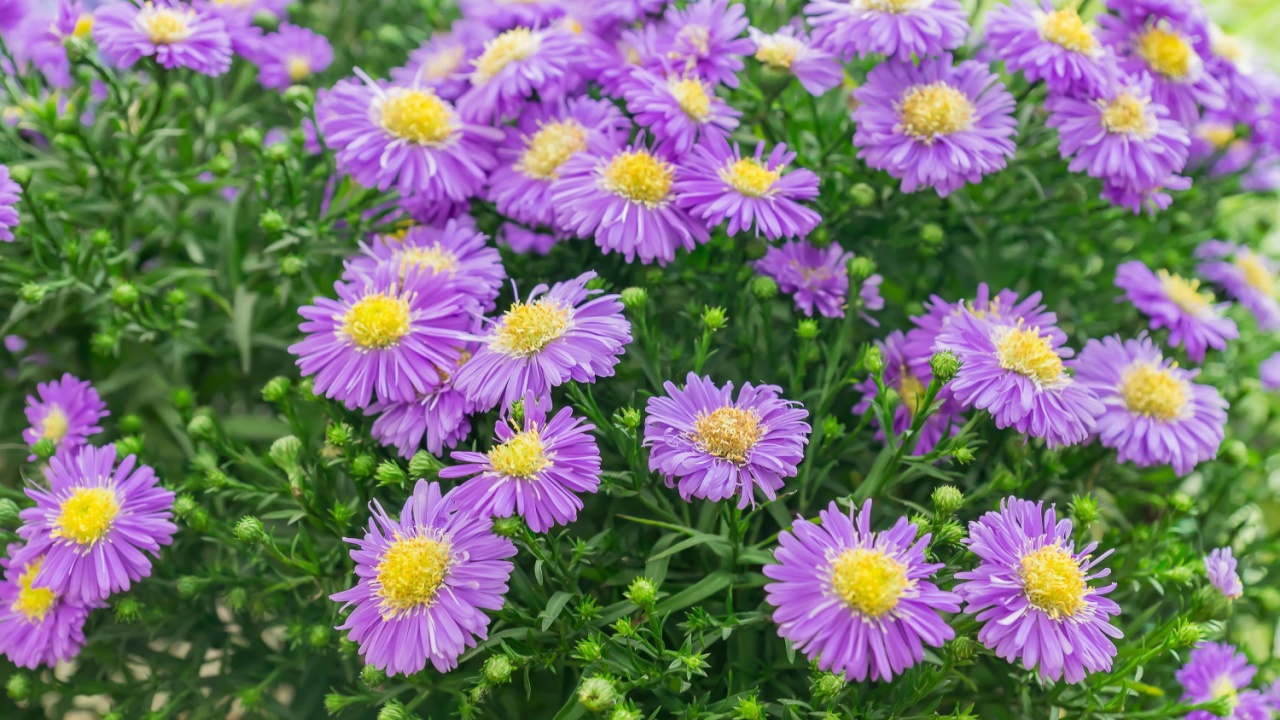
Image Credit: Shutterstock.
As summer fades into autumn, September is represented by the star-like aster and the ephemeral morning glory. Asters, which bloom in late summer and fall, get their name from the Greek word for “star.”
They symbolize love, wisdom, and faith. The morning glory, true to its name, unfurls its beautiful trumpet-shaped flowers in the early morning, only to fade by the afternoon. This fleeting beauty symbolizes affection and the transitory nature of life.
- Why It’s a Great Gift: Asters provide a much-needed splash of color in the fall garden and are a favorite of pollinators. A packet of morning glory seeds is a wonderful gift for someone who enjoys watching their garden change throughout the day.
- Care Tips: Asters are easy to grow and prefer full sun. Morning glories are fast-growing vines that will quickly cover a fence or trellis in a sunny location.
10. October: Marigold and Cosmos
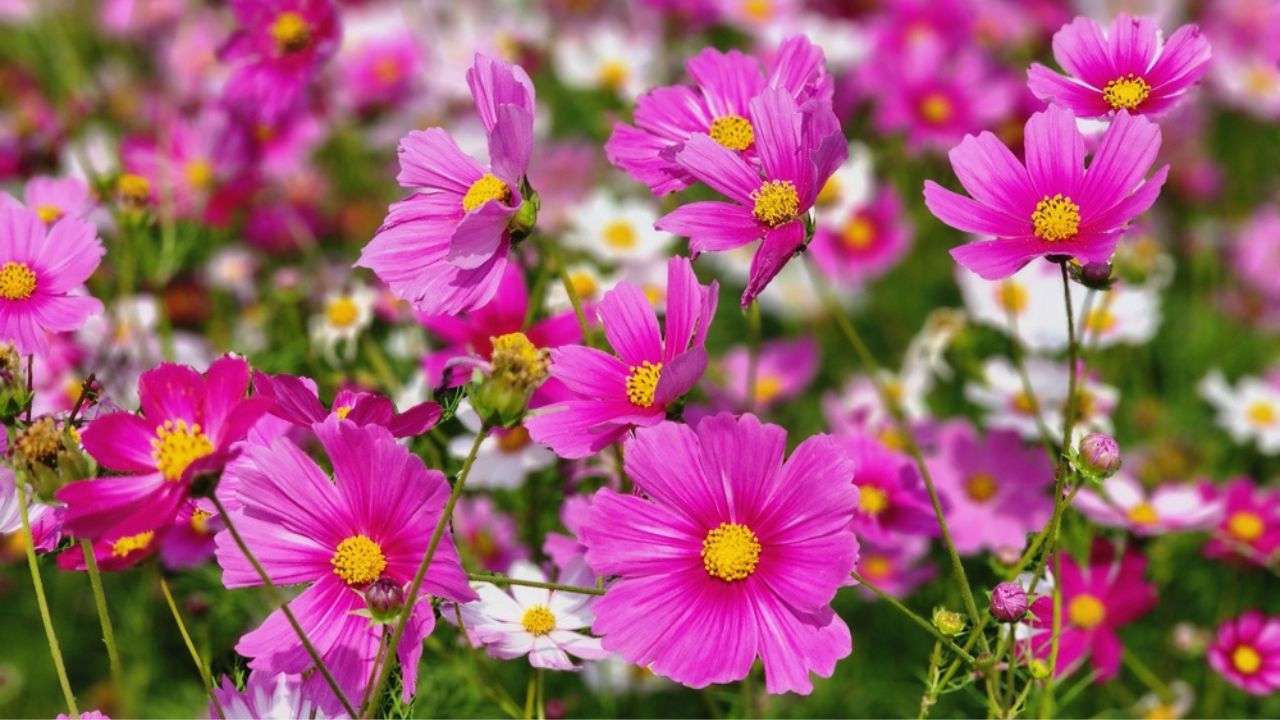
Image Credit: Shutterstock
October’s birth flowers, the marigold and cosmos, bring warmth and brightness to the fall season. Marigolds, with their vibrant orange and yellow hues, are often associated with the sun and are thought to represent passion, creativity, and fierce love.
They are also used in Day of the Dead celebrations to guide spirits home. Cosmos, with their delicate, daisy-like petals and orderly arrangement, symbolize order, peace, and serenity.
- Why It’s a Great Gift: Marigolds are famously easy to grow and are known to deter pests in the garden, making them a practical and beautiful gift. Cosmos are cheerful and low-maintenance, adding a soft, airy texture to any garden.
- Care Tips: Both marigolds and cosmos thrive in full sun and can tolerate poor soil. They are excellent for filling in gaps in a garden bed and will bloom profusely until the first frost.
11. November: Chrysanthemum
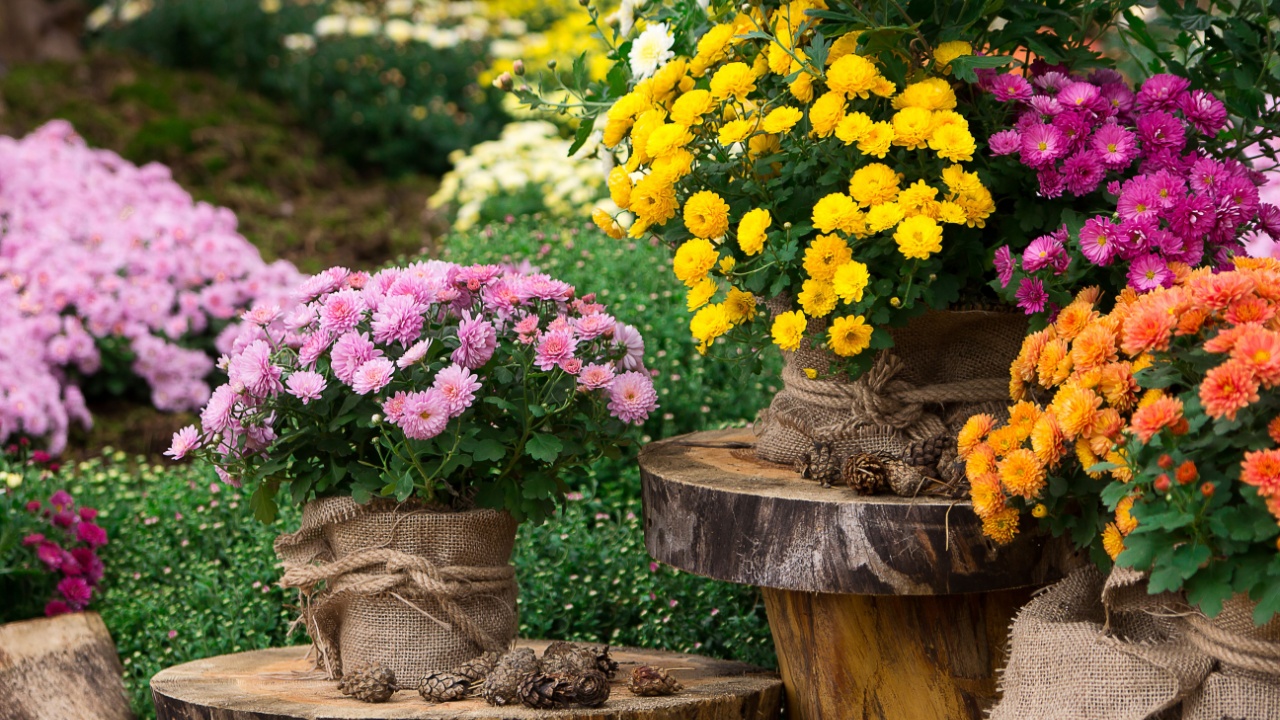
Image Credit: Shutterstock.
November is singularly represented by the versatile and vibrant chrysanthemum. Often simply called “mums,” these flowers have been cultivated in China for over 3,000 years.
In many cultures, they symbolize joy, longevity, and optimism. A red mum conveys love, while a white one represents honesty. In the United States, chrysanthemums are seen as a cheerful declaration of friendship and well-wishing. They are the undisputed queen of the fall garden, blooming in a vast range of colors and shapes.
- Why It’s a Great Gift: A potted mum is the quintessential fall gift, perfect for decorating a front porch or adding color to a late-season garden. They are hardy and provide long-lasting blooms.
- Care Tips: Mums prefer a spot with full sun and well-draining soil. For bushier plants and more flowers, pinch back the growing tips a few times before mid-summer.
12. December: Narcissus and Holly
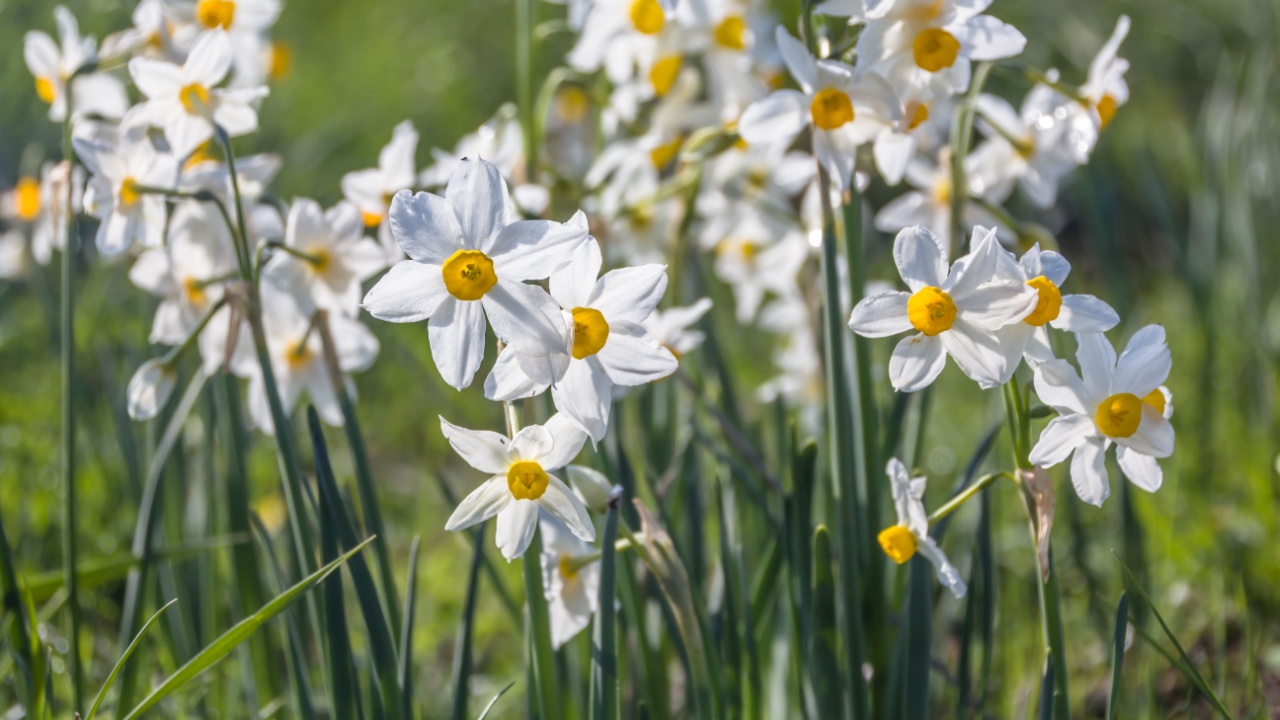
Image Credit: Shutterstock.
December brings the fragrant narcissus and the festive holly. While many associate narcissus with spring daffodils, the paperwhite narcissus is a popular variety forced to bloom indoors during winter.
It symbolizes hope, wealth, and good wishes. The iconic holly, with its glossy green leaves and bright red berries, is a staple of winter holiday decorations. It represents protection and goodwill. A gift of holly wishes the recipient a happy and peaceful home.
- Why It’s a Great Gift: A kit for growing paperwhite narcissus indoors provides a fragrant and beautiful display during the darkest days of winter. A holly wreath or small potted holly tree is a festive gift that embodies the spirit of the season.
- Care Tips: Paperwhite bulbs can be grown in a shallow dish with pebbles and water and will bloom within a few weeks. Holly bushes prefer full sun and slightly acidic, well-drained soil. Remember that you’ll need both male and female plants to produce berries.
A Thoughtful Gift for Every Month
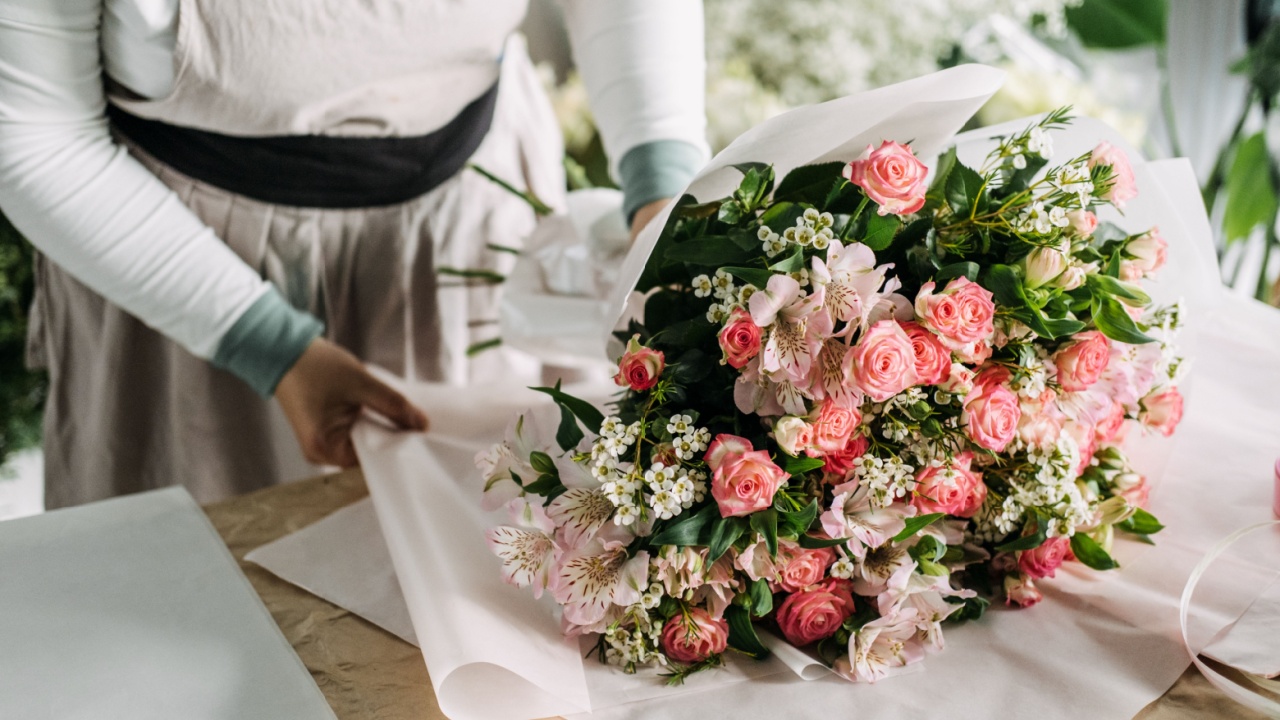
Image Credit: Shutterstock.
Choosing a birth month flower is a wonderful way to personalize a gift and show someone you care. Whether you opt for a beautiful bouquet, a potted plant, or seeds for their garden, it’s a thoughtful gesture that connects them to their special time of year.
For your next step, consider designing a small garden bed or a container garden that features the birth flowers of everyone in your family for a truly personal and ever-blooming tribute.