
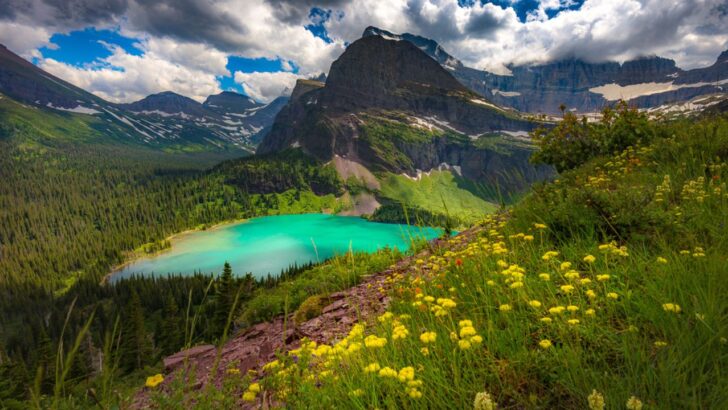
Have you ever walked through a trail covered in blooming wildflowers, feeling like you’re in a living painting? Besides being exceptionally beautiful, wildflower hikes are great for your mental health, too. It’s proven that spending at least two hours a week in nature can significantly boost well-being. And what better way to enjoy the outdoors than by exploring trails filled with colorful blossoms?
Be it alpine meadows or desert blooms, these hikes support ecosystems and rare pollinators. Across the United States, many trails are known for their wildflower displays. It does not matter if you love hiking or just want to snap some incredible photos; these trails offer unforgettable views. Here are 12 of the best wildflower hikes in the US.
1. Mount Rainier’s Paradise Meadows, Washington
-
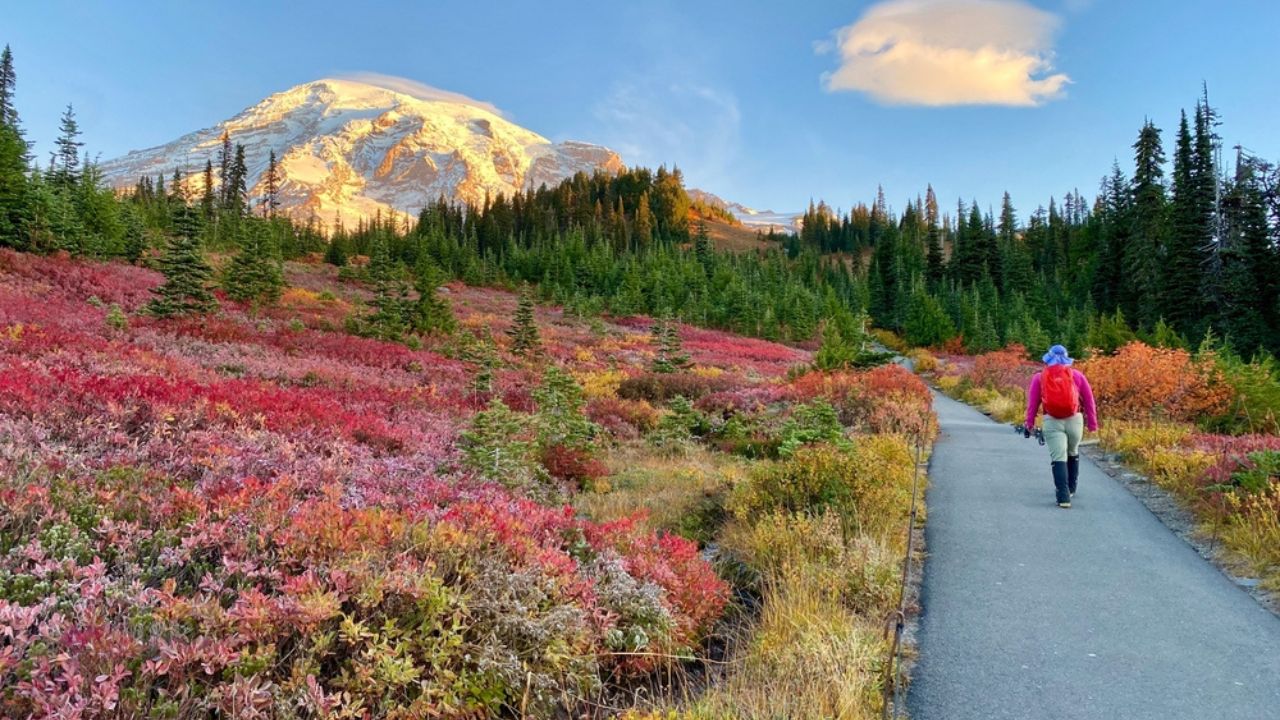
Image Credit: Shutterstock.
At about 5,400 feet elevation, Paradise Meadows stays cool enough to let snow melt slowly, which helps the wildflowers bloom longer than in lower zones. The easy 5-mile Skyline Trail Loop offers fantastic views of Rainier and meadows bursting with color.
Over 1.75 million people visit Mount Rainier each year, and many come just for the wildflower season. The fields explode with bright purple lupines, red paintbrush, and yellow cinquefoil. The National Park Service even lists over 150 species of wildflowers that bloom in this area every summer.
2. Mount Sopris, Colorado
-
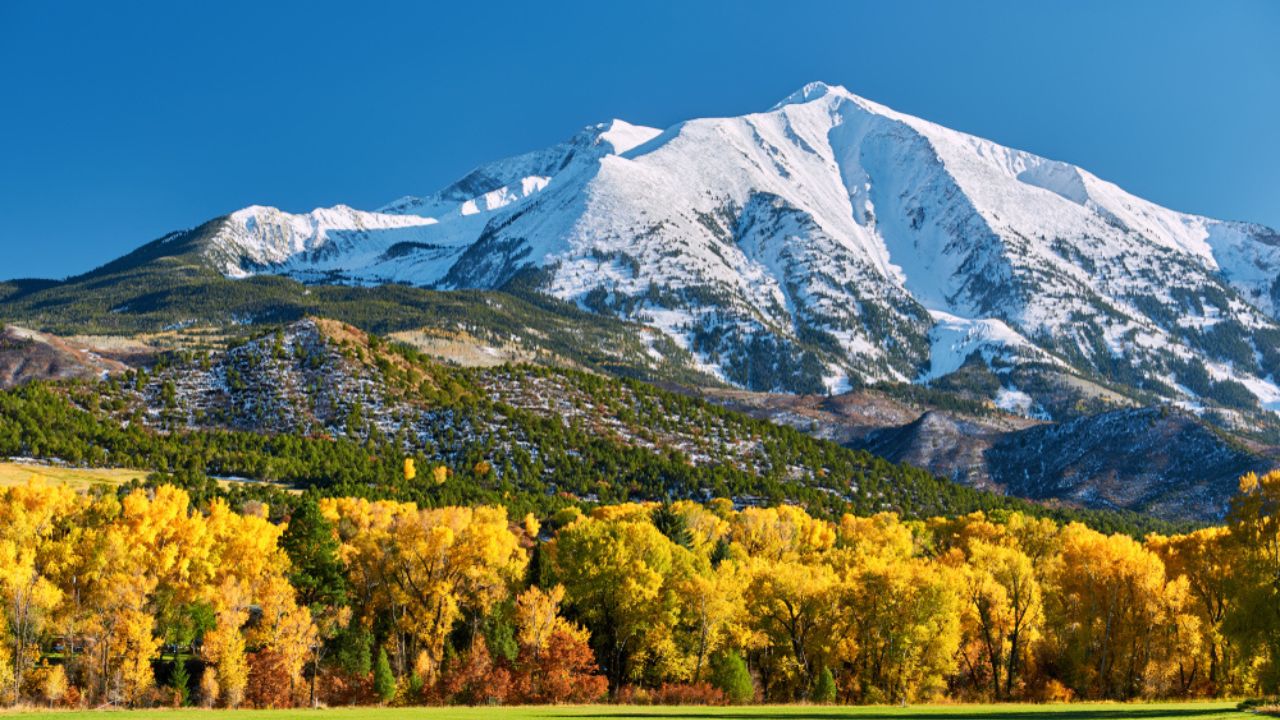
Image Credit: Shutterstock.
Spring and early summer bring an explosion of crocuses and alpine wildflowers to Mount Sopris. As you ascend through lush meadows and forested areas, you’ll be surrounded by vibrant bursts of color from crocuses, columbines, lupines, and alpine asters that thrive in this cool mountain environment.
The 13-mile round-trip trail is not for the faint of heart, but photographer Kim Kabesh shares, “There are tons of beautiful crocuses in the area. The coolest part was the 360-degree views from the top. It was even pretty driving to the trailhead to get started!” (She has some pretty sweet images of many of the areas on this list!)
3. Crested Butte, Colorado
-
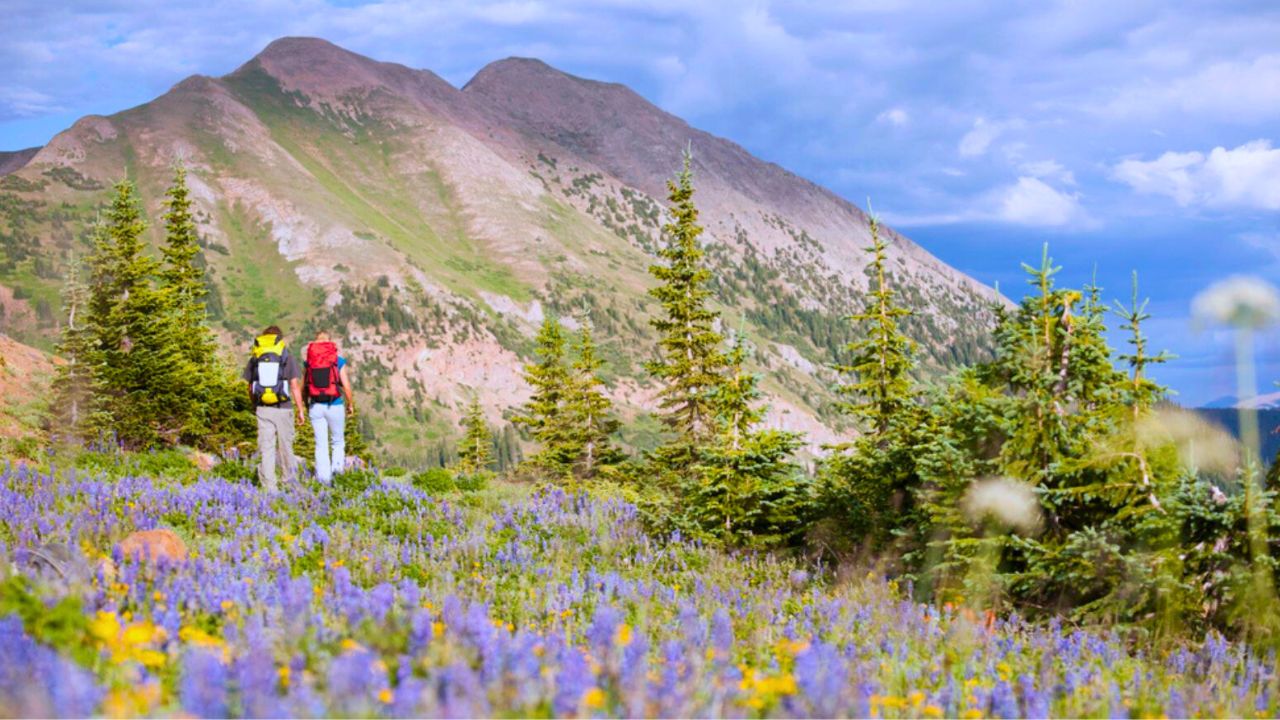
Image Credit: Shutterstock.
Crested Butte isn’t just known for skiing—it’s nicknamed the “Wildflower Capital of Colorado.” This spot holds an annual Wildflower Festival every July, drawing thousands of hikers, photographers, and nature lovers.
The most popular hike is the Snodgrass Mountain Trail, a moderate 6-mile route with open meadows and sweeping views. It’s perfect for kids, families, and anyone wanting a peaceful walk through color-packed landscapes. More than 80 miles of trails offer views of columbines, sunflowers, and Indian paintbrush in full bloom.
4. Antelope Valley California Poppy Reserve, California
-
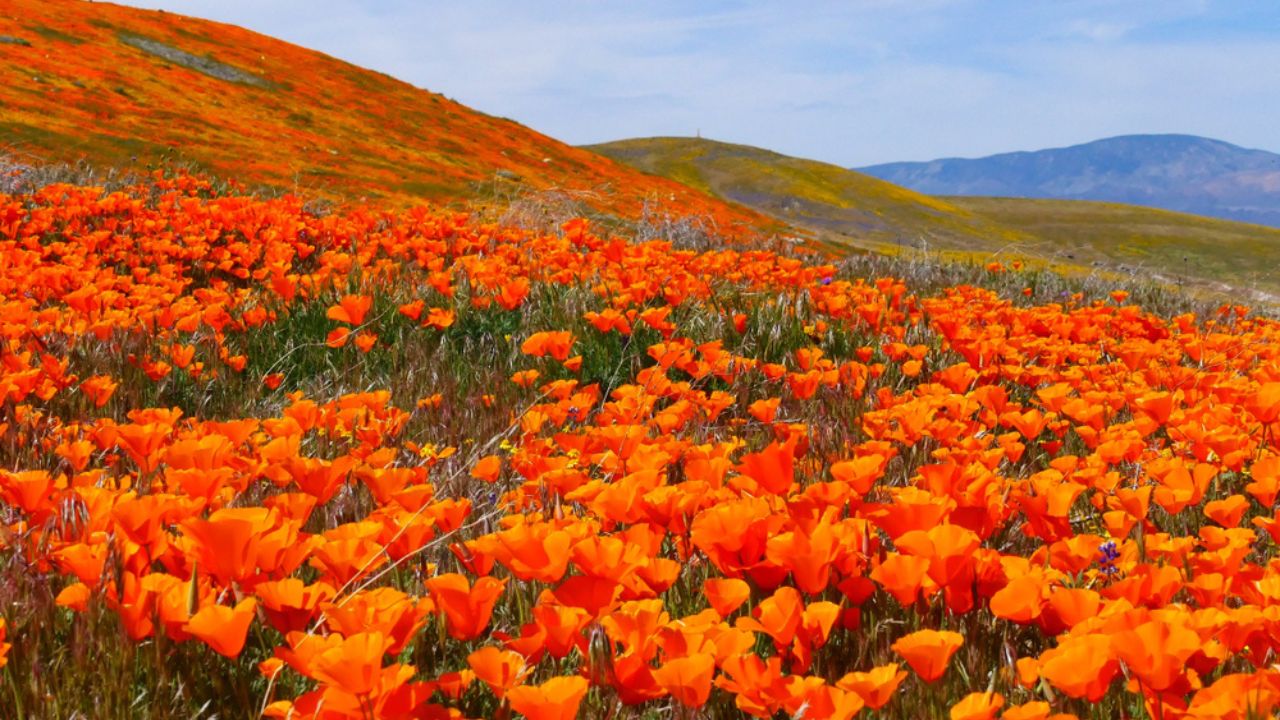
Image Credit: Shutterstock.
If you want a wildflower hike that looks like a scene from a dream, head to the Antelope Valley California Poppy Reserve. Located in the Mojave Desert, this park is famous for its bright orange California poppies that bloom across rolling hills each spring. The best time to visit is usually mid-March to early April, depending on the rainfall.
The trails are easy and range from 1 to 3.5 miles in length, making them suitable for all ages. Along with poppies, you’ll also spot lupines, goldfields, and cream cups, all native flowers that thrive in desert soil.
5. Great Smoky Mountains National Park, Tennessee/North Carolina
-
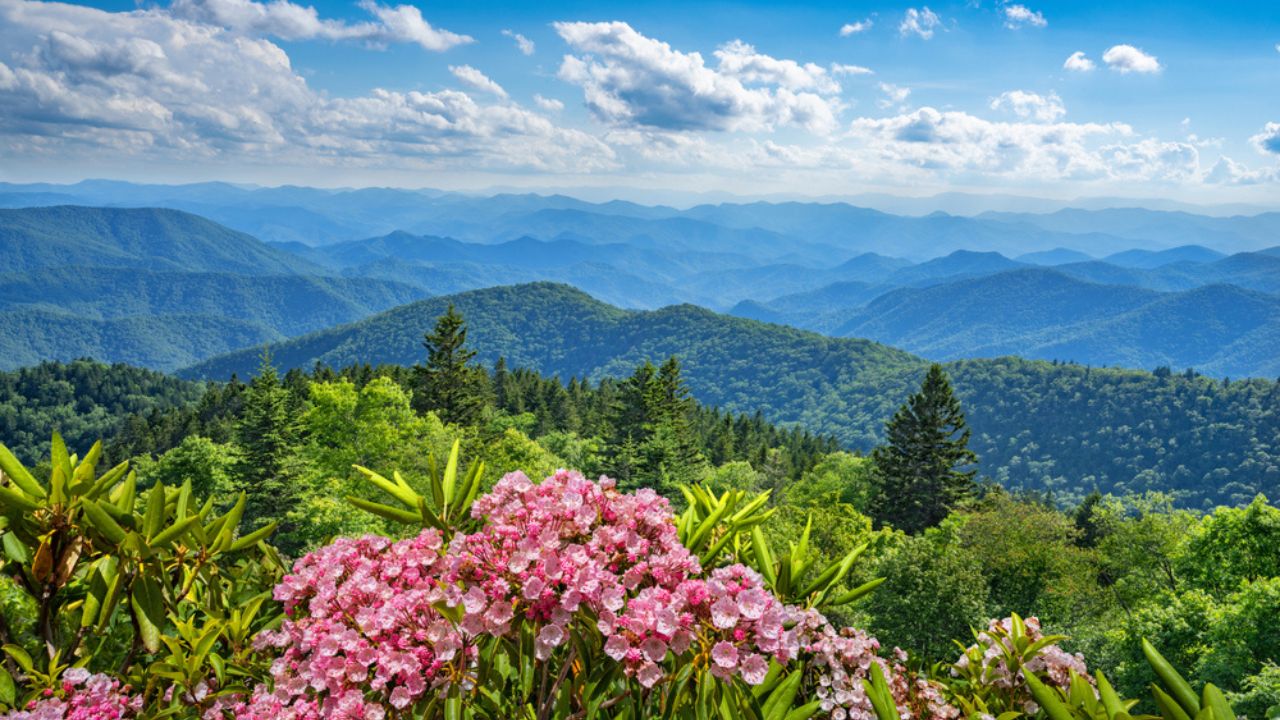
Image Credit: Shutterstock.
The Great Smoky Mountains are home to more than 1,500 types of flowering plants, earning them the nickname “Wildflower National Park.” From mid-April to late May, trails like the Porter’s Creek Trail become lined with trilliums, violets, and wild geraniums.
Porter’s Creek is a gentle 4-mile round-trip hike that follows a stream through lush forest and open meadows. The Smokies also host the annual Spring Wildflower Pilgrimage, attracting thousands of flower lovers and hikers. Even into summer and fall, you’ll find blooming species, making this a great all-season choice.
6. Death Valley, California
-
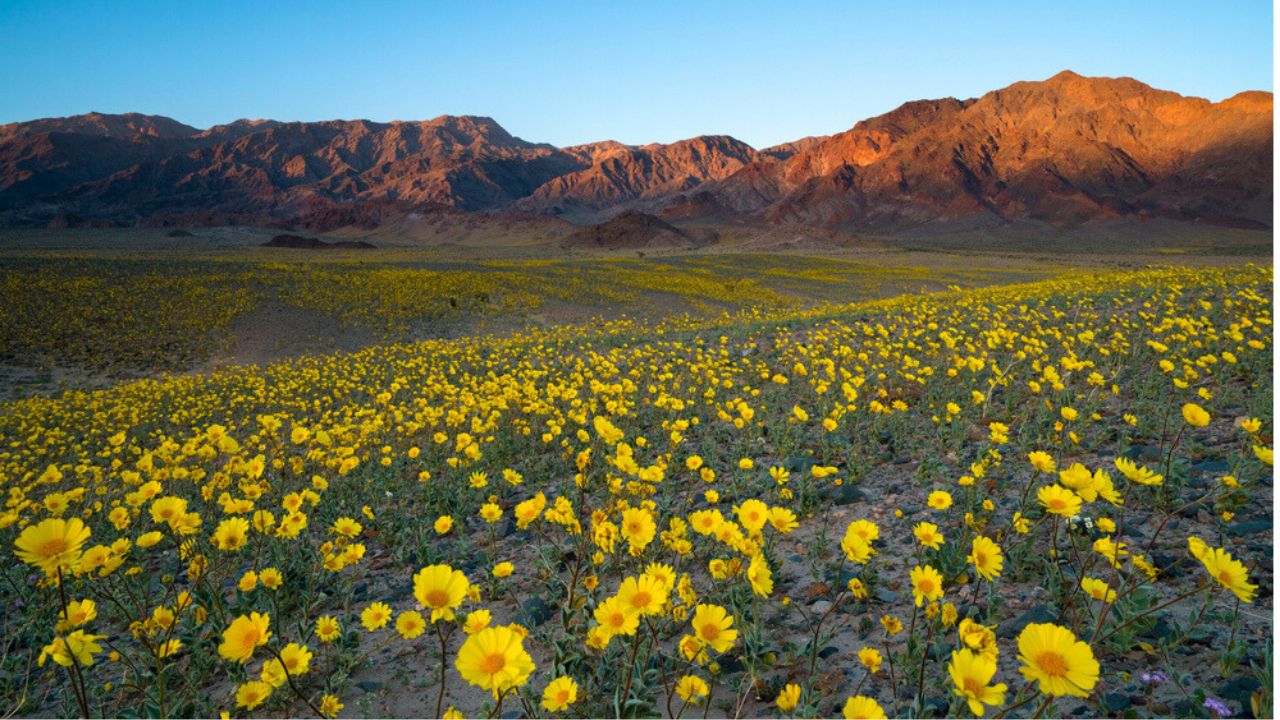
Image Credit: Shutterstock.
It’s one of the driest places on Earth, but when it blooms, it blooms. Death Valley offers a range of hiking options through its wildflower hotspots, from easy walks like the Badwater Basin Salt Flats to more challenging trails such as Wildrose Peak. The blooms are famously unpredictable, typically appearing from mid-February through early April, with March as the peak.
When conditions are just right after winter rains, the valley explodes in a rare and breathtaking superbloom, transforming the stark desert landscape into a vibrant patchwork of colors. Visitors can expect to see a dazzling variety of flowers, including desert goldfields, purple phacelia, sand verbena, desert lilies, and the fiery Indian paintbrush, all contrasting beautifully with the valley’s salt flats and rugged mountains.
According to Jan Vykoukal from 4youradventure, “Desert blooms are a unique experience that you can’t beat. It can be tricky to time, but if you happen to be there at the right moment, soak it up!”
7. Glacier National Park, Montana
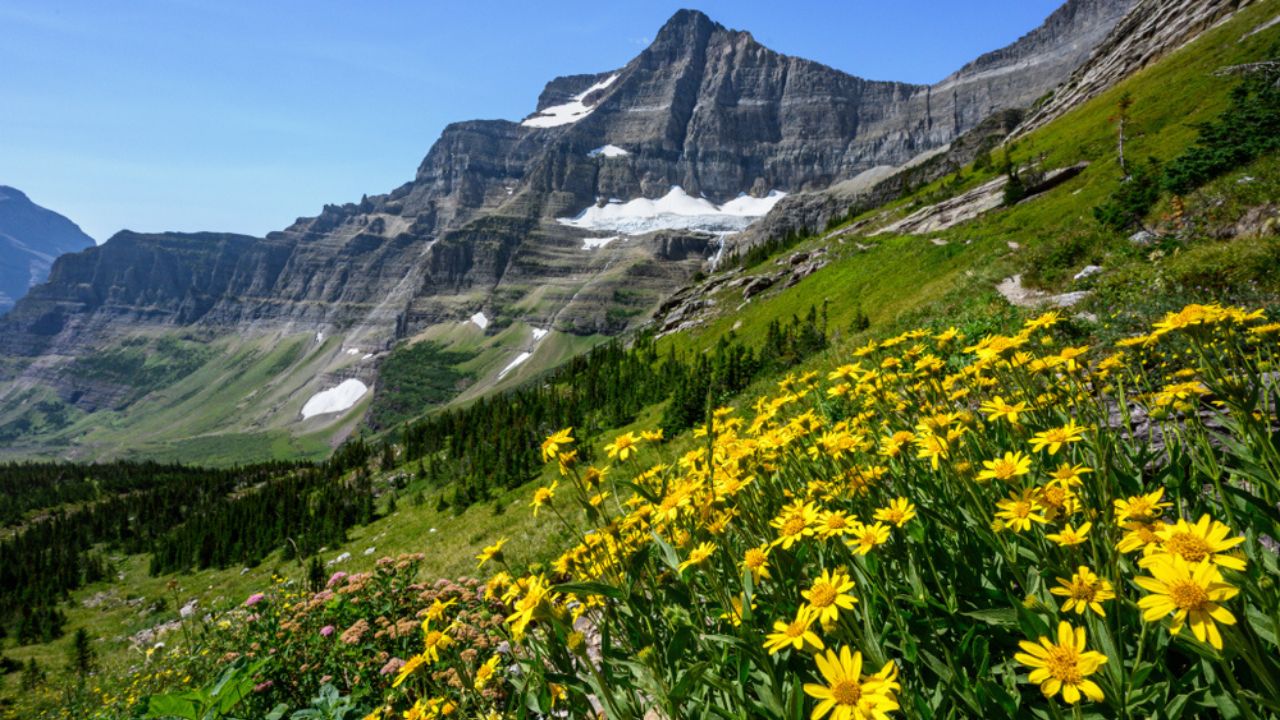
Image Credit: Shutterstock.
Glacier National Park becomes a living bouquet from late June through August. More than 1,000 wildflower species bloom across alpine meadows, especially along the Highline Trail. You’ll see glacier lilies, beargrass, Indian paintbrush, and fireweed—often all in one hike. The DOI considers the park one of the best sites for alpine wildflower diversity.
The Highline Trail runs about 12 miles one way, but many hikers choose shorter segments like the Garden Wall for its incredible views. Glacier is a top destination for both scenic beauty and rare wildflowers, including several species found nowhere else in the U.S.
8. Carrizo Plain National Monument, California
-
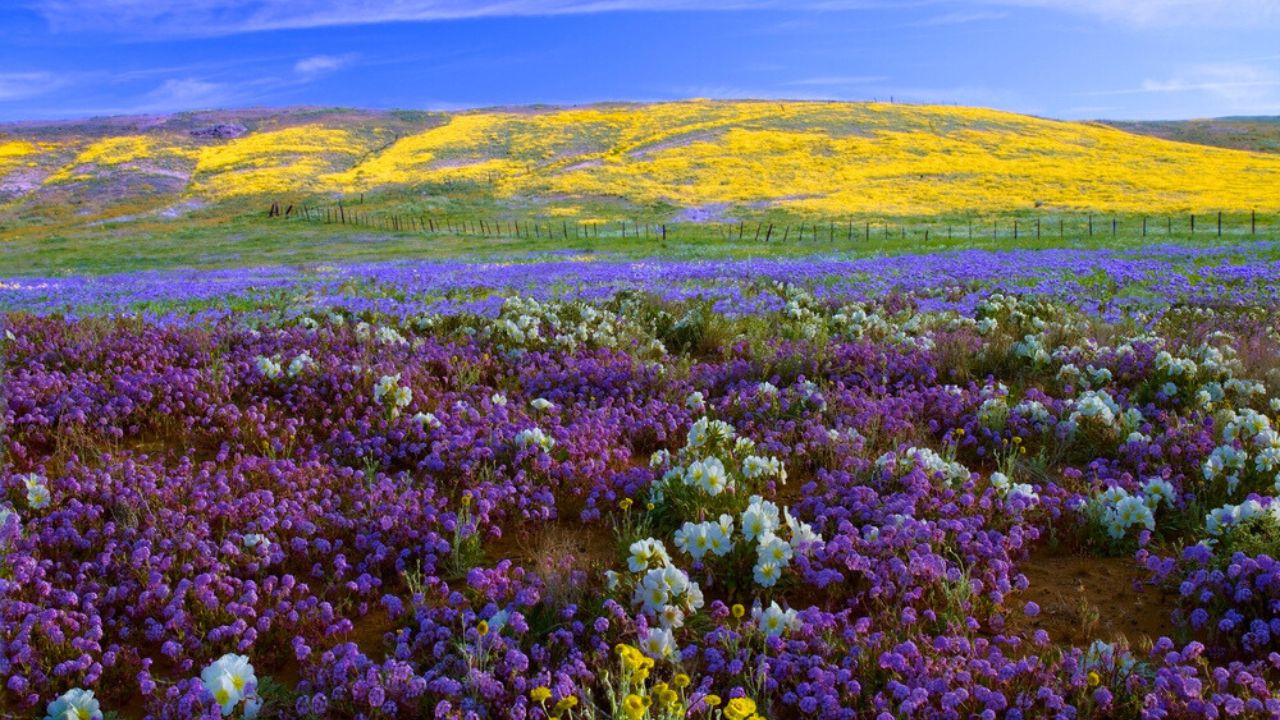
Image Credit: Shutterstock.
Carrizo Plain comes alive in what locals call a “super bloom” after a rainy winter. Located about 100 miles from Bakersfield, this area explodes with yellow coreopsis, purple phacelia, and orange poppies across its vast grasslands. NASA even uses satellite images to monitor bloom conditions, which can be seen from space!
The Soda Lake Overlook Trail is a simple 1.5-mile hike with sweeping views of flower-filled plains and shimmering white salt flats. Because blooms depend heavily on rainfall, the best time to visit is typically March to April.
9. Mount Tamalpais State Park, California
-
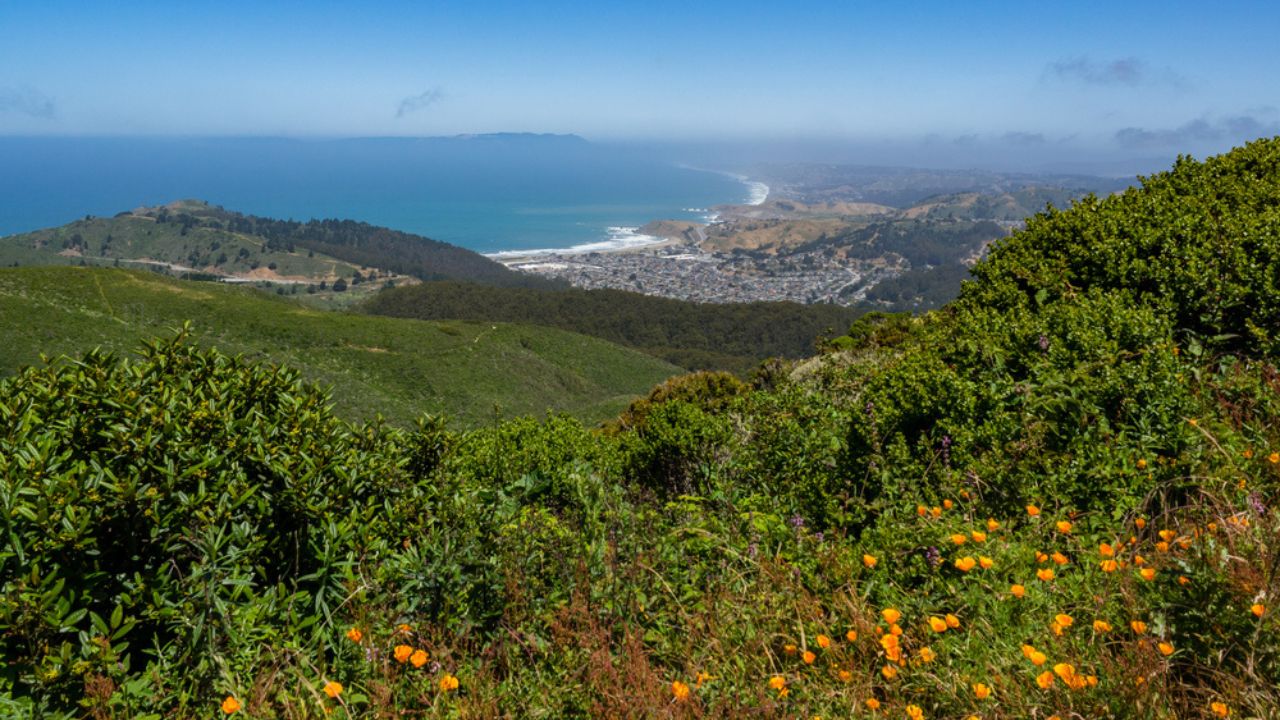
Image Credit: Shutterstock.
Just north of San Francisco, Mount Tamalpais offers colorful wildflower hikes close to the city. The Matt Davis-Steep Ravine Loop, about 7 miles long, is one of the best routes to catch spring and early summer blooms. Look for Douglas iris, California poppies, and lupines as you wind through grasslands and coastal forests.
The park’s unique climate—cool ocean breezes mixed with sunshine—helps support a long blooming season. According to California State Parks, more than 750 plant species grow in the area. With views of the Pacific and the Golden Gate Bridge on clear days, it’s both a scenic and floral adventure.
10. Enchanted Rock State Natural Area, Texas
-
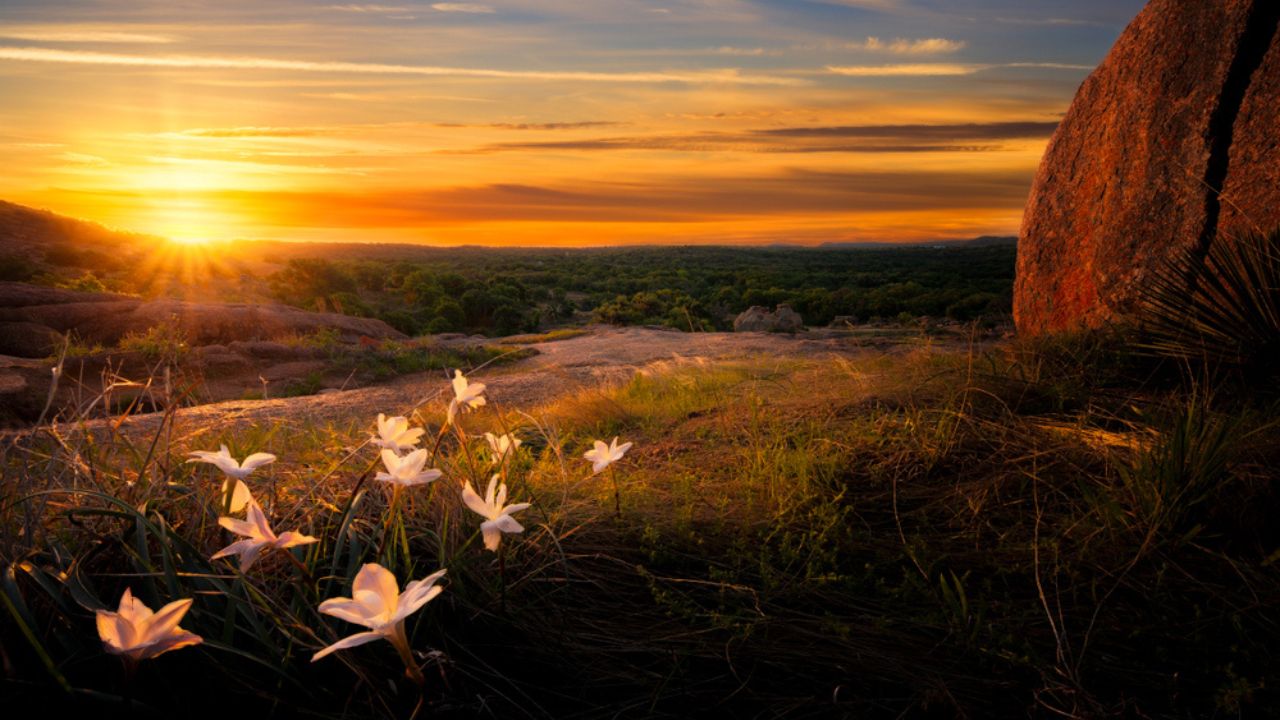
Image Credit: Shutterstock.
This pink granite dome in Central Texas is surrounded by fields of bright wildflowers each spring. From March through May, hikers on the Loop Trail and Summit Trail can see bluebonnets, Indian blankets, and Mexican hats spreading across the landscape.
Texas Parks and Wildlife reports over 250,000 visitors annually, many coming during wildflower season. The 1.5-mile Summit Trail offers panoramic views from the top, while easier flat trails loop around the rock’s base. Due to its warm, sunny climate, this park often experiences early blooms compared to cooler regions. Just make sure to bring water—spring temps can still get hot in the Texas Hill Country.
11. Shenandoah National Park, Virginia
-
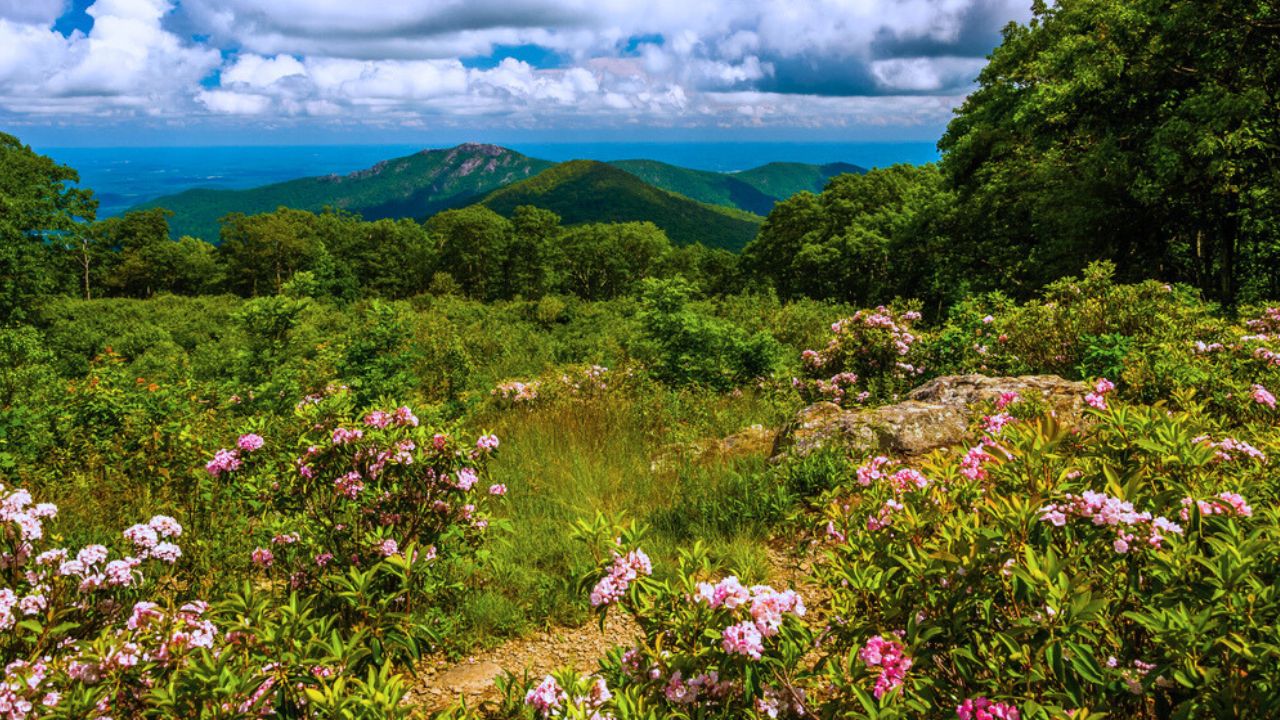
Image Credit: Shutterstock.
Shenandoah’s Skyline Drive is beautiful in fall, but spring is when the trails truly come to life with wildflowers. The Limberlost Trail, an easy 1.3-mile loop, is wheelchair-accessible and packed with trillium, bloodroot, and Solomon’s seal.
Blooming begins in April and stretches through June, making Shenandoah a perfect place for family hikes or beginner wildflower watchers. Because the park stretches over 100 miles of the Blue Ridge Mountains, you can find different flowers at different elevations and trailheads throughout the season.
12. Columbia River Gorge, Oregon
-
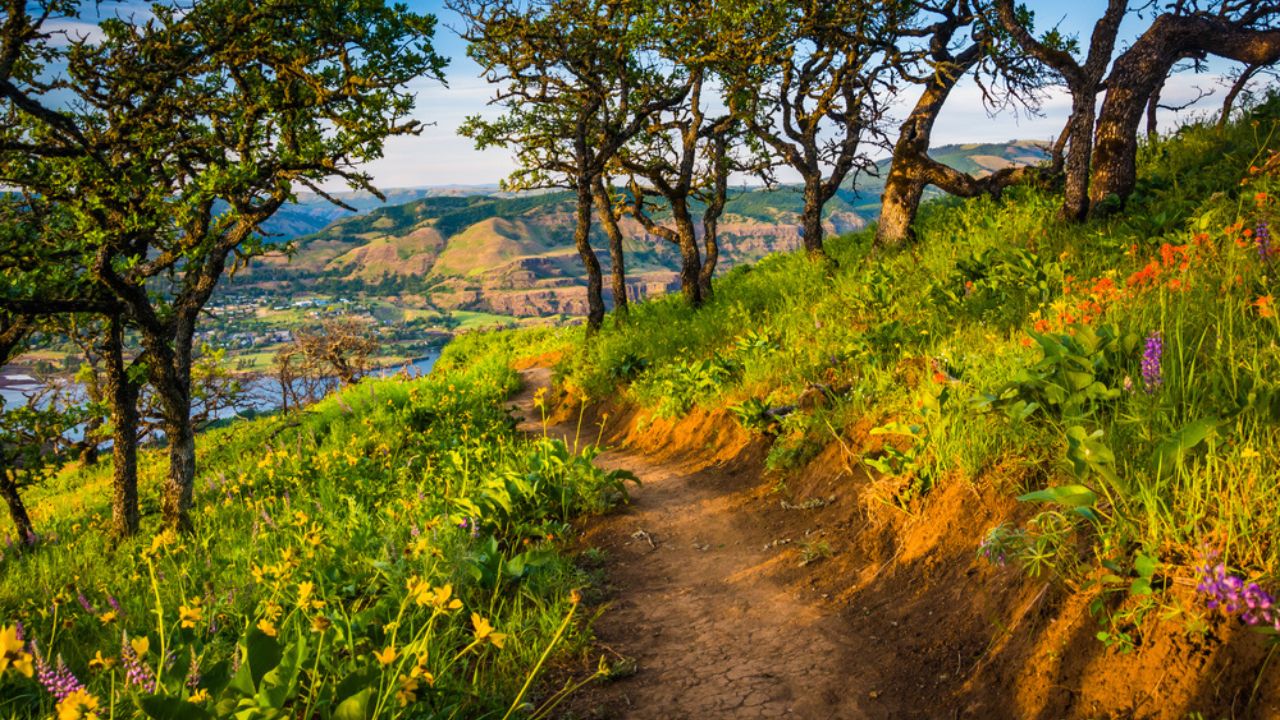
Image Credit: Shutterstock.
The Columbia River Gorge is not only a canyon—it’s a wildflower hotspot each spring. The Dog Mountain Trail is one of the most popular routes, with balsamroot, lupines, and paintbrush blanketing hillsides from April to June. This hike is known for its intensity (a 6.9-mile round trip with steep climbs), but the views are worth it.
To protect the trail during busy bloom times, permits are required on weekends in spring. Hikers often call this trail one of the most beautiful in the Pacific Northwest. This area is also a hotspot for butterflies and bees, which rely on the wildflowers for survival.
13. Lower Mad River Valley, Vermont
-

Image Credit: Shutterstock.
Tucked into the heart of central Vermont, the Lower Mad River Valley offers scenic hikes bursting with spring and summer wildflowers. One of the top trails is the Mad River Path, a flat and easy route where you’ll find trilliums, jack-in-the-pulpits, and lady’s slippers blooming along the riverbanks and wooded areas.
Peak bloom usually occurs from late April through June, making it a perfect spring getaway. Trails like the Meadow Road segment or nearby hiking paths in Camel’s Hump State Park also offer views of open meadows and wildflower-studded hills. Because it’s less crowded than major national parks, it’s a peaceful place for both experienced hikers and families to enjoy Vermont’s natural beauty at a gentle pace.
14. North Table Mountain Ecological Reserve, California
-
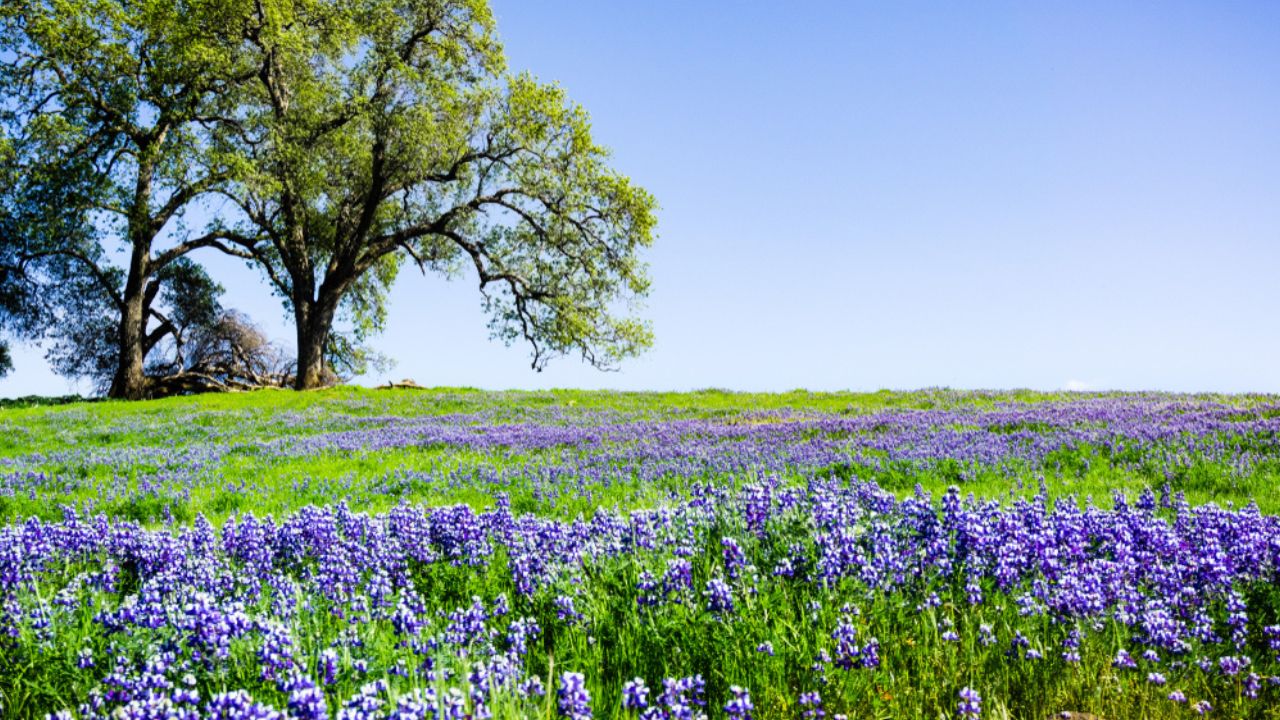
Image Credit: Shutterstock.
Located near Oroville, this lesser-known wildflower spot is a local treasure in Northern California. North Table Mountain’s open plateaus burst with meadowfoam, goldfields, and purple owl’s clover during March and April.
There are no official trails, so visitors follow natural paths or create their loop hikes up to 5 miles. The reserve also features waterfalls during spring runoff, adding to its beauty. Due to the fragile ecosystems, the state encourages visitors to stay on the rocks and avoid trampling the flower patches.
So Much Beauty to Explore!
-
Image Credit: Shutterstock.
Wildflower hikes across the U.S. are an incredible way to connect with nature. If you want to scale alpine peaks or wander through desert valleys, the stunning views along the way showcase unique landscapes and seasonal colors that make every Step unforgettable.
Timing your visit right and choosing hikes that match your pace can turn a simple walk into a breathtaking journey through blooming meadows, fragrant forests, and rugged mountain terrain.