
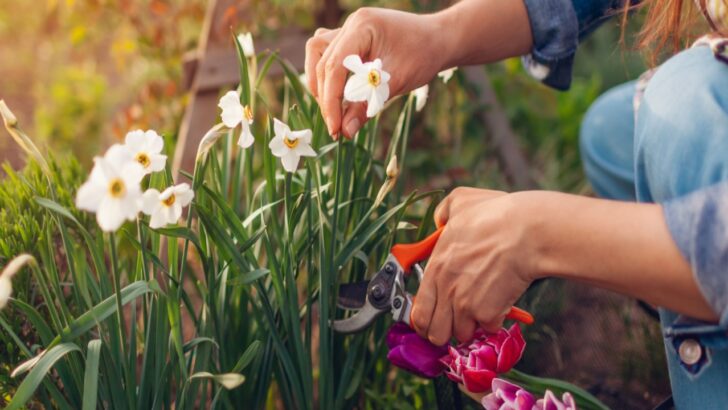
Gardens are full of beauty—and sometimes hidden risk. Even popular ornamentals can contain toxins that can sicken pets, harm wildlife, or pose real danger to people, especially curious kids.
This article covers 18 poisonous flowers. For each, you’ll find what makes a flower poisonous, tips to decide whether it’s worth planting, and safer alternatives. Use this to design a beautiful, low-risk garden without surprises.
Sourced from the Experts
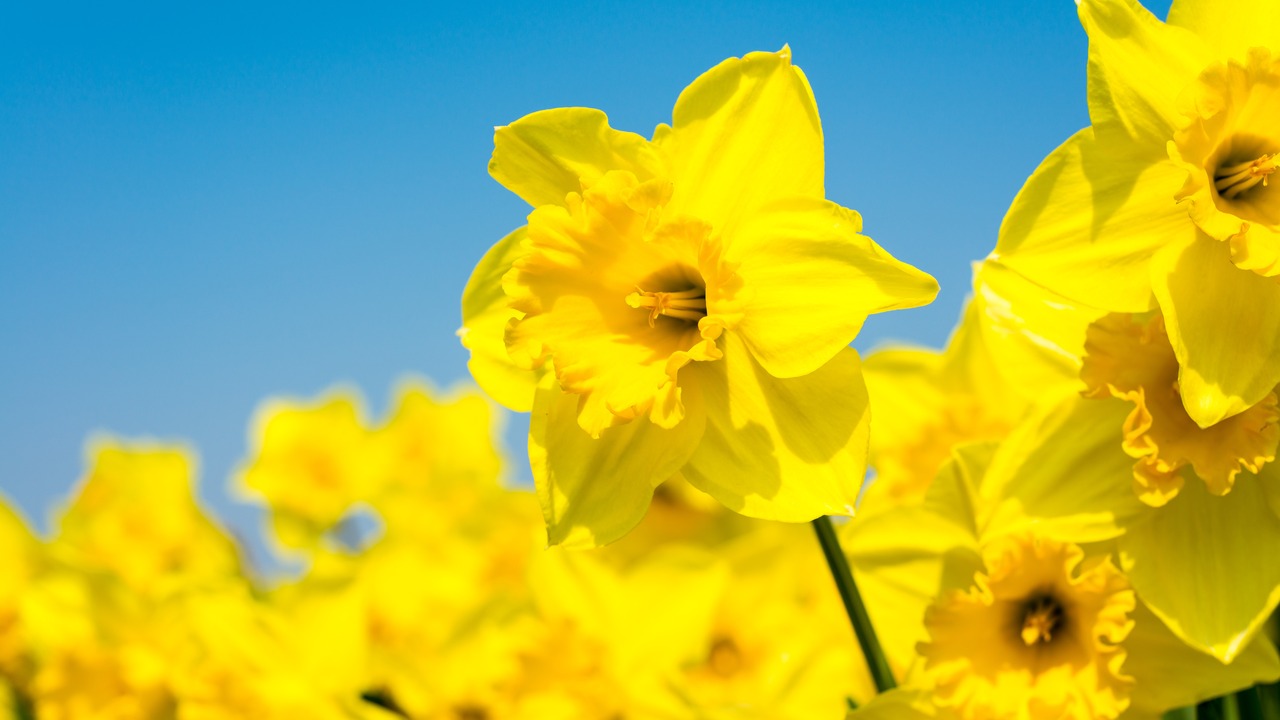
Image Credit: Shutterstock.
To ensure the accuracy of this guide (which is of course, super important!), we referenced trusted, research-based sources from leading horticultural and toxicology experts. Information on plant identification, toxicity levels, and safe handling practices was drawn from university extension programs like Cornell.
1. Foxglove (Digitalis spp.)- can be fatal
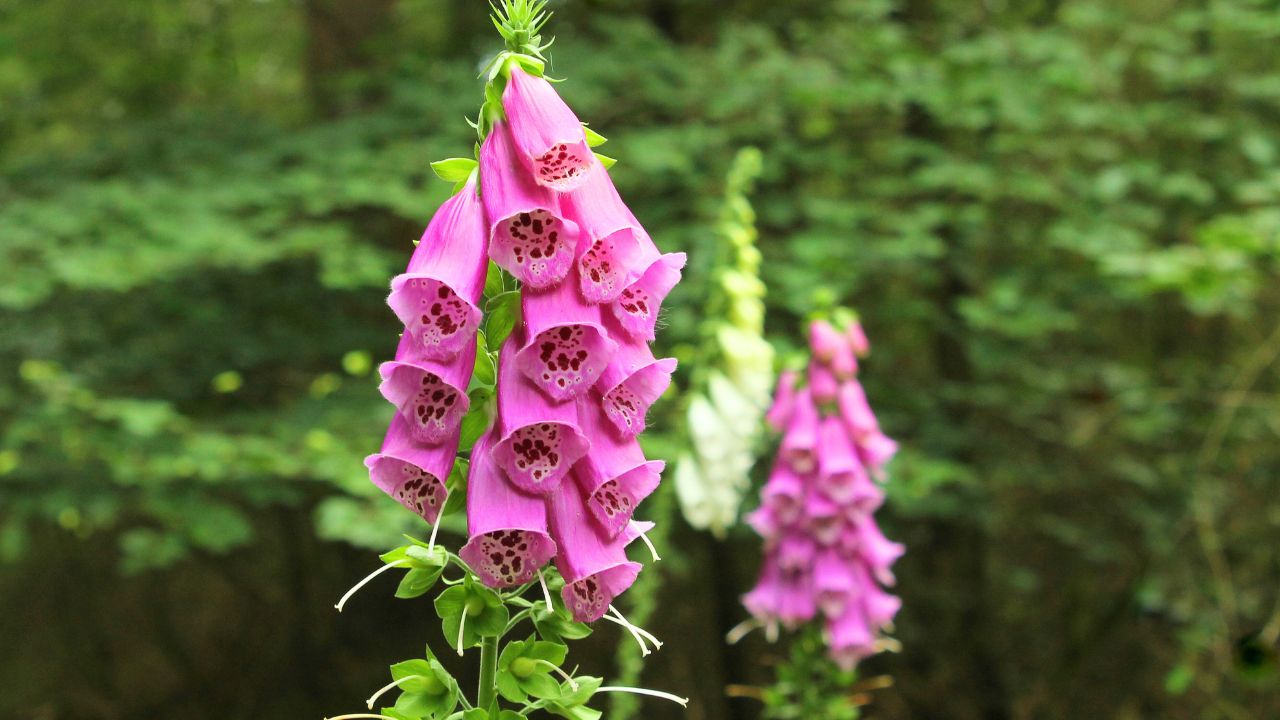
Image Credit: Matthijs van den Berg – Own work – CC BY-SA 4.0/Wiki Commons.
Towering spires of bell-shaped blooms in speckled purples, pinks, and whites. A cottage-garden favorite that draws hummingbirds.
What Makes It Poisonous
Contains cardiac glycosides (digitoxin/digoxin). Ingestion can cause nausea, confusion, irregular heartbeat, and can be fatal.
Should You Plant It?
- Avoid if you have pets or small children who might chew leaves or flowers.
- If planted, stake behind a fence and label clearly.
- Wear gloves; don’t compost plant waste if animals access your pile.
Safer Alternatives
- Penstemon (beardtongue): similar spires, non-toxic to most pets.
- Campanula (bellflower): bell-like blooms with lower risk.
2. Baby’s Breath (Gypsophila spp.)

Image Credit: Shutterstock.
Clouds of tiny white (or pink) blooms often used as filler in bouquets and airy border plantings.
What Makes It Poisonous
Saponins in flowers and leaves can cause gastrointestinal upset in pets; dried stems can irritate skin and airways.
Should You Plant It?
- Low to moderate risk. Keep away from pets prone to chewing.
- Wear gloves when arranging dried stems; avoid indoors if you have respiratory sensitivities.
Safer Alternatives
- Sweet alyssum (Lobularia maritima): honey-scented mounds of tiny flowers.
- Calocephalus (for airy texture in arrangements).
3. Bleeding Heart (Lamprocapnos spectabilis)
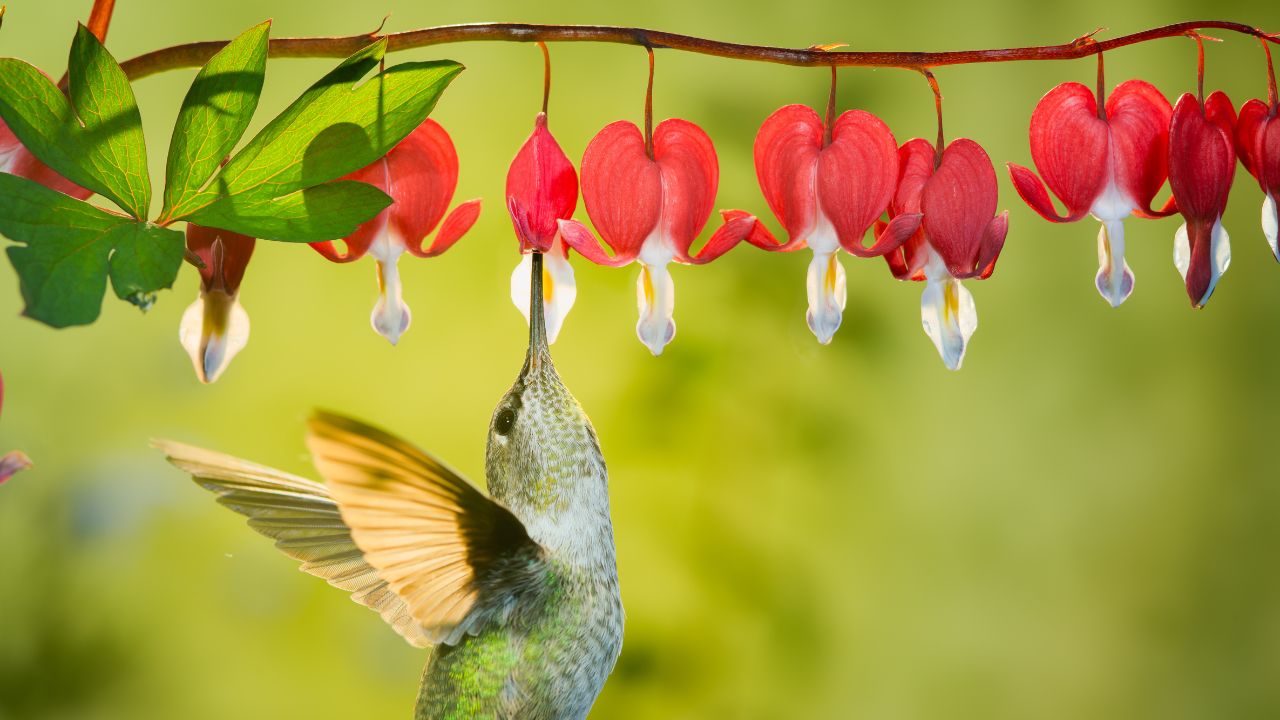
Image Credit: Shutterstock.
Heart-shaped pink-and-white flowers dangle from arching stems in spring shade gardens.
What Makes It Poisonous
Alkaloids (isoquinoline) throughout the plant may cause vomiting, tremors, and dermatitis.
Should You Plant It?
- Fine for adult-only households; supervise kids.
- Wear gloves when dividing or cutting back.
Safer Alternatives
- Dicentra formosa cultivars may still irritate; consider columbine (Aquilegia) for a delicate, nodding bloom with lower risk.
4. Daffodil (Narcissus spp.)
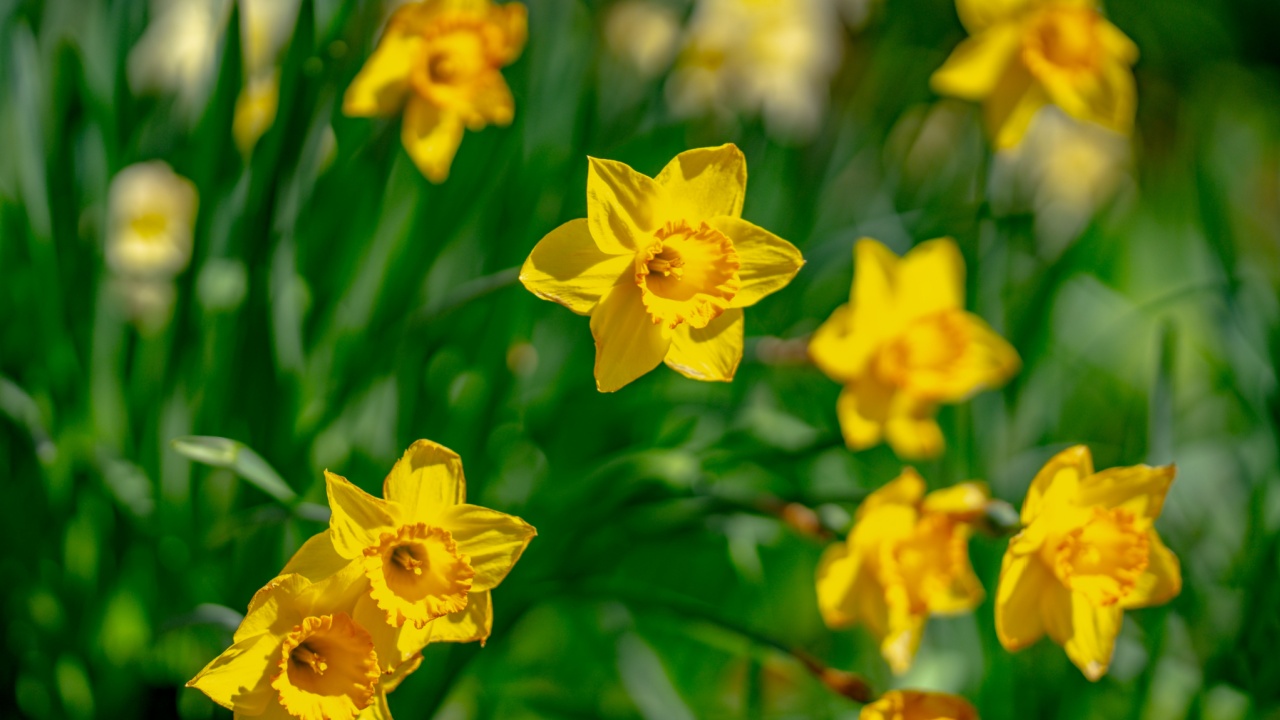
Image Credit: Shutterstock.
Bright spring bulbs with trumpeting cups in yellow, white, or bicolor.
What Makes It Poisonous
Bulbs contain lycorine; ingestion can cause vomiting, diarrhea, heart irregularities. Handling bulbs can irritate skin.
Should You Plant It?
- Avoid in yards with dogs that dig.
- Use bulb cages and bury deeply if you must plant; wash hands afterward.
Safer Alternatives
- Crocus tommasinianus (generally less appealing to pets).
- Snowdrops (Galanthus) are also toxic; consider early-blooming hellebores for a managed-risk shade choice or pansies for non-bulb color.
5. Hydrangea (Hydrangea spp.)
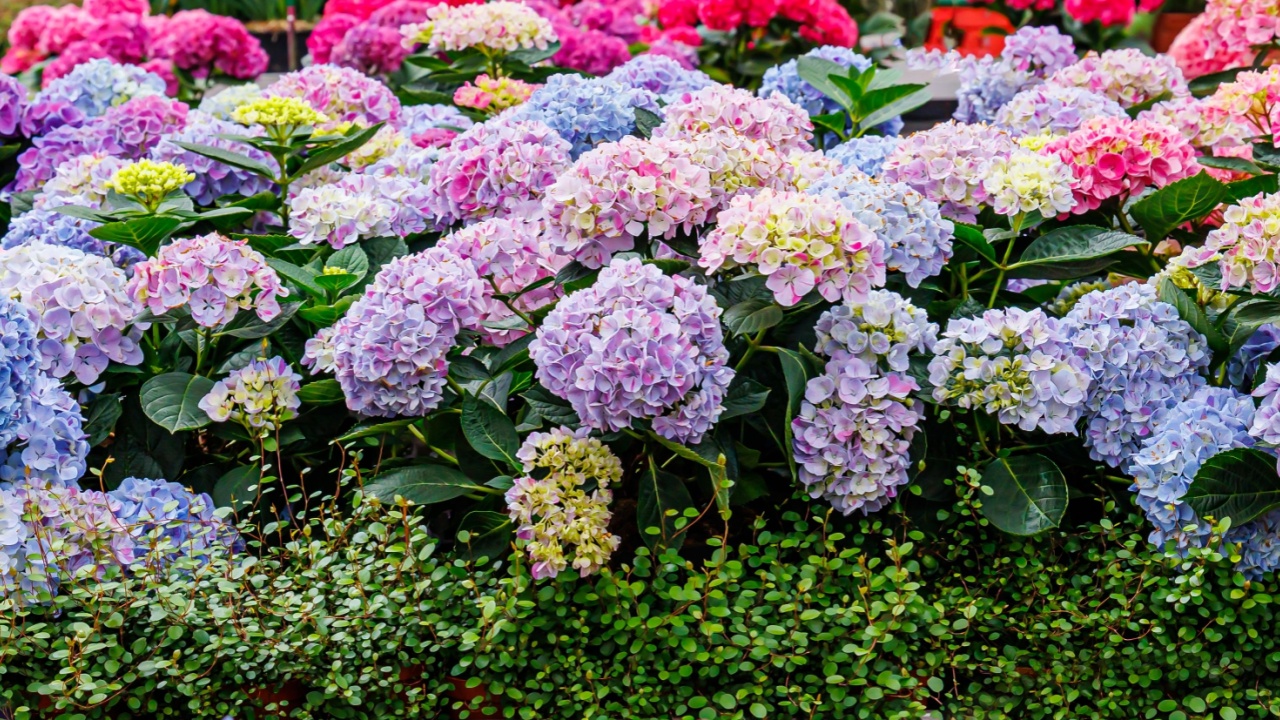
Image Credit: Shutterstock.
Large mophead or lacecap clusters in blue, pink, and white on woody shrubs.
What Makes It Poisonous
Cyanogenic glycosides; ingestion of leaves or flowers can cause vomiting and lethargy in pets.
Should You Plant It?
- Low to moderate risk if pets don’t graze shrubs.
- Avoid using pruned stems as chew sticks or decor within pet reach.
Safer Alternatives
- Oakleaf hydrangea carries a similar risk; for big blooms with lower concern, try viburnum (many species) or spirea.
6. Iris (Iridaceae family)
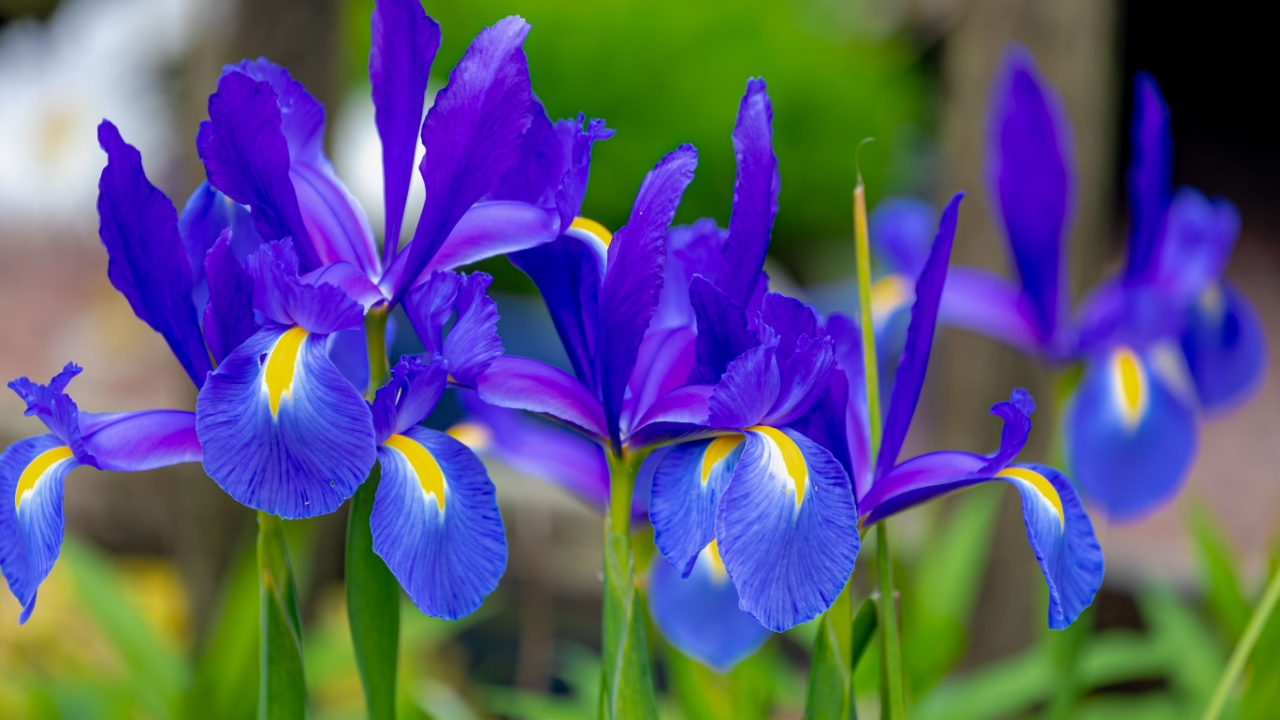
Image Credit: Shutterstock.
Sword-like foliage with elegant, frilled blooms in a broad color range.
What Makes It Poisonous
Irisin and irritants in rhizomes, leaves, and stems can cause vomiting, abdominal pain; sap may cause dermatitis.
Should You Plant It?
- Plant where pets don’t dig rhizomes.
- Wear gloves when dividing; don’t ingest any part.
Safer Alternatives
- Daylily (Hemerocallis) is very toxic to cats. Bearded iris alternatives like Siberian iris still carry similar risks—consider beebalm (Monarda) for bold color instead.
7. Larkspur/Delphinium (Delphinium spp.)- can be fatal
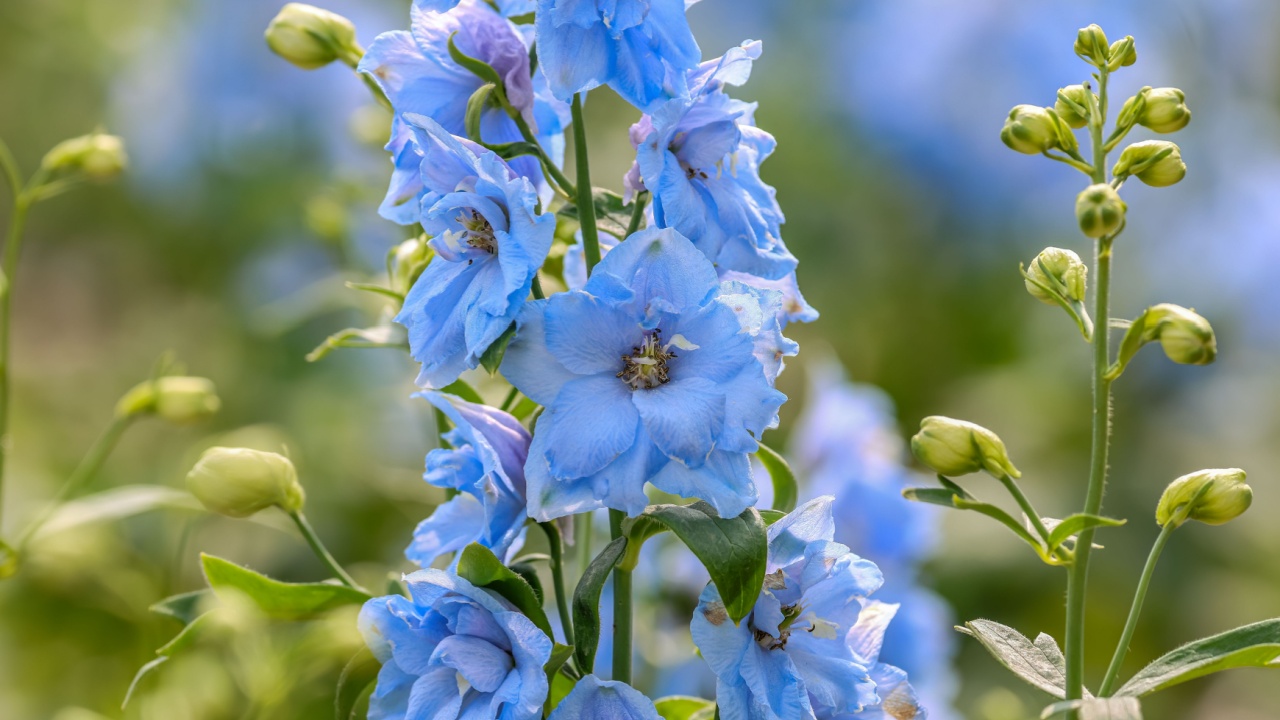
Image Credit: Shutterstock.
Tall spires covered in saturated blues, purples, and whites—stunning in borders.
What Makes It Poisonous
Diterpenoid alkaloids; young plants and seeds are highly toxic—dangerous to livestock, pets, and people.
Should You Plant It?
- Avoid if livestock or roaming pets have access.
- Stake securely; collect seed heads promptly.
Safer Alternatives
- Rocket larkspur (Consolida) can also be toxic; consider monkshood look is dangerous too. Try veronica (speedwell) or salvia for vertical color.
8. Lily of the Valley (Convallaria majalis)- can be fatal
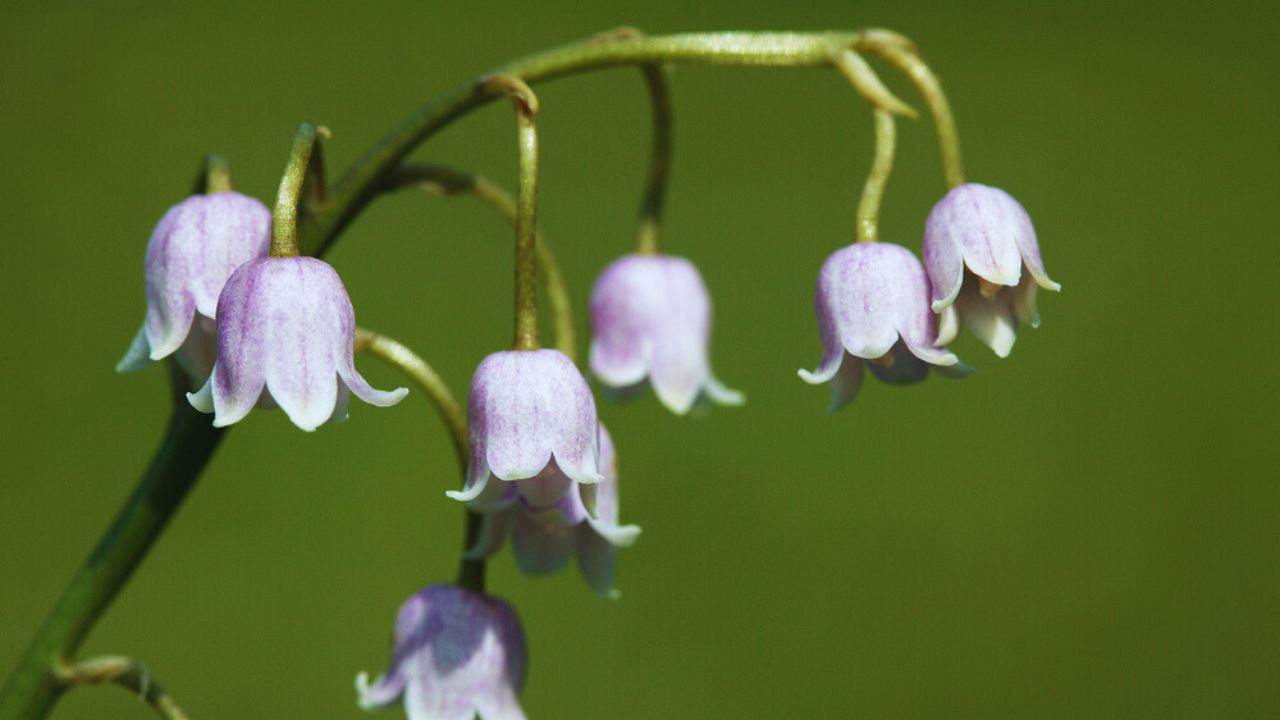
Image Credit: Shutterstock.
Short, arching stems with dangling bells and a sweet fragrance. Spreads by rhizomes.
What Makes It Poisonous
Cardiac glycosides in all parts, including red berries; can cause serious heart symptoms.
Should You Plant It?
- Avoid in family play areas; it spreads aggressively.
- If planted, locate in fenced shade beds and remove berries before they color.
Safer Alternatives
- Sweet woodruff (Galium odoratum) for fragrant groundcover with lower concern.
- Snowdrops for small white bells (still toxic) or foamflower (Tiarella) for safe shade bloom.
9. Morning Glory (Convolvulaceae family)

Image Credit: Shutterstock.
Fast-growing vine with funnel-shaped flowers in jewel tones; often self-seeds.
What Makes It Poisonous
Seeds contain lysergic alkaloids; ingestion can cause gastrointestinal distress and, in large amounts, neurological effects.
Should You Plant It?
- Avoid where toddlers can access seed pods.
- Deadhead to prevent seed set and spread.
Safer Alternatives
- Scarlet runner bean for showy blooms and edible pods when harvested young.
- Black-eyed Susan vine (Thunbergia alata) for similar color without known hallucinogenic seeds.
10. Mountain Laurel (Dermatophyllum secundiflorum/Kalmia latifolia note)
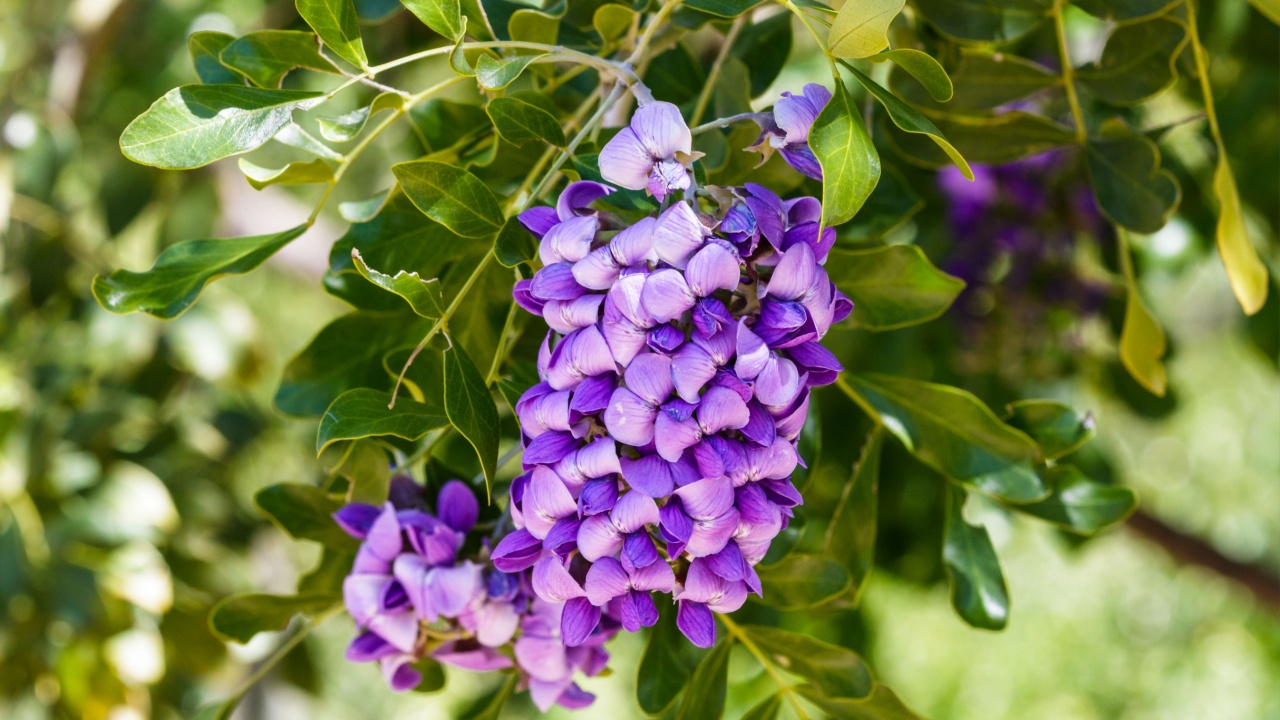
Image Credit: Shutterstock.
Glossy evergreen shrub with starry, patterned blooms; iconic in Eastern woodlands. Note: Common mountain laurel is Kalmia latifolia; Texas mountain laurel is Dermatophyllum (formerly Sophora).
What Makes It Poisonous
Andromedotoxins (grayanotoxins) in common mountain laurel cause nausea, low blood pressure, and severe symptoms; “mad honey” from nectar can be toxic.
Alternatively, Texas mountain laurel has cytisine in seeds pods, and this can cause digestive upset.
Should You Plant It?
- Avoid near livestock and bee hives used for honey harvest.
- Do not plant where pets chew leaves.
Safer Alternatives
- Pieris japonica is also toxic; consider inkberry holly (Ilex glabra) or sweetspire (Itea virginica) for evergreen or spring bloom with lower risk.
11. Oleander (Nerium oleander)- can be fatal
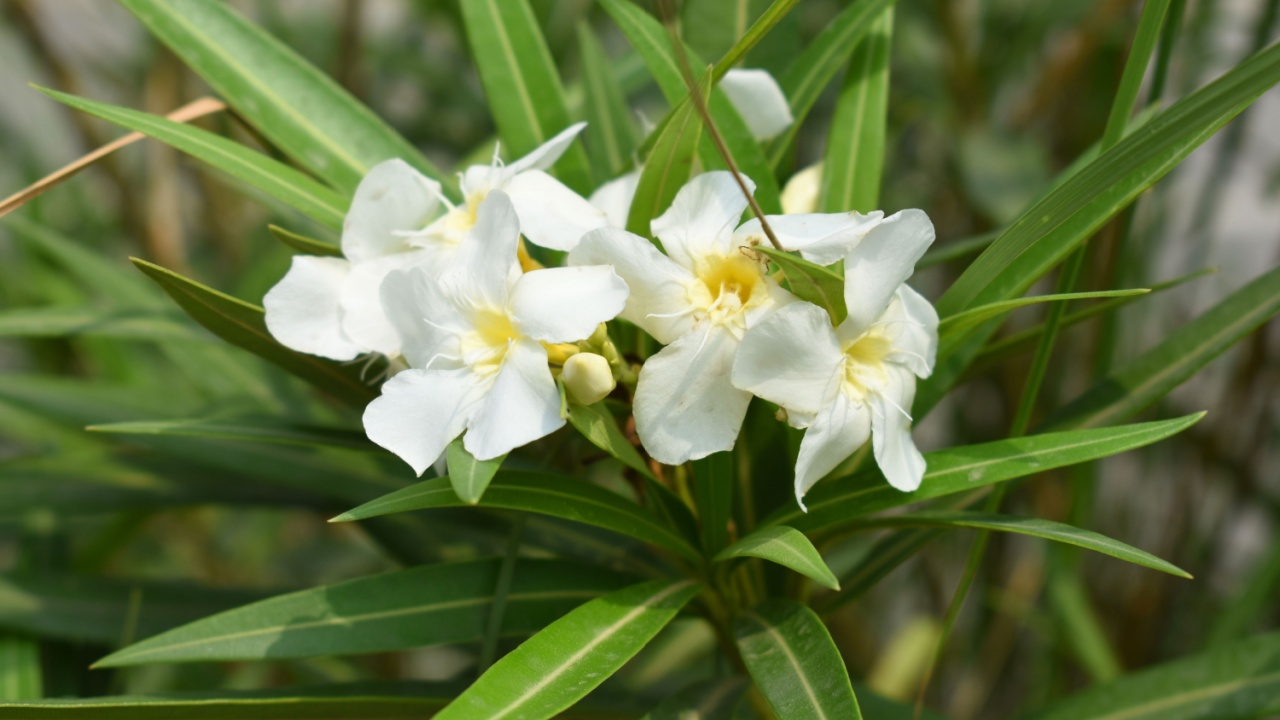
Image Credit: Shutterstock.
Heat-loving shrub with abundant pink, white, or red blooms; common in warm climates.
What Makes It Poisonous
Cardiac glycosides in all parts; ingestion of small amounts can be fatal. Smoke from burning trimmings is toxic.
Should You Plant It?
- Generally avoid in residential yards with pets or kids.
- If already installed, post signage, fence, and handle trimmings with extreme care.
Safer Alternatives
- Texas sage (Leucophyllum frutescens) or crape myrtle (Lagerstroemia) for colorful, heat-tolerant shrubs.
12. True Lilies (Lilium spp., e.g., L. longiflorum)
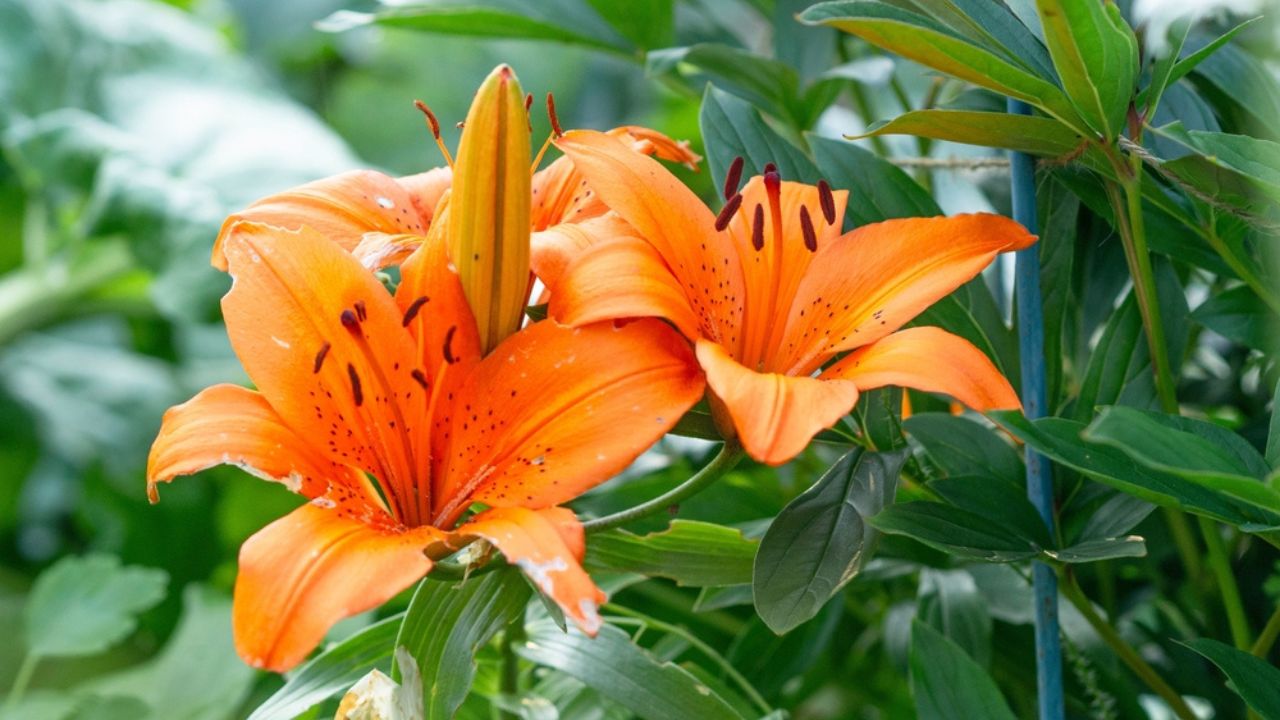
Image Credit: Shutterstock.
Elegant star or trumpet-shaped blooms with strong fragrance.
What Makes It Poisonous
Extremely toxic to cats; even pollen or water from a vase can trigger acute kidney failure.
Should You Plant It?
- Cat owners: do not plant or bring cut lilies indoors.
- If you proceed, keep far from indoor spaces and pet-traffic areas.
Safer Alternatives
- Asiatic and Oriental lilies are all risky; daylilies are toxic to cats too. Opt for Asiatic-like look with alstroemeria (still mildly toxic) or oriental poppies (Papaver orientale) if pets are controlled.
13. Tulips (Tulipa spp.)
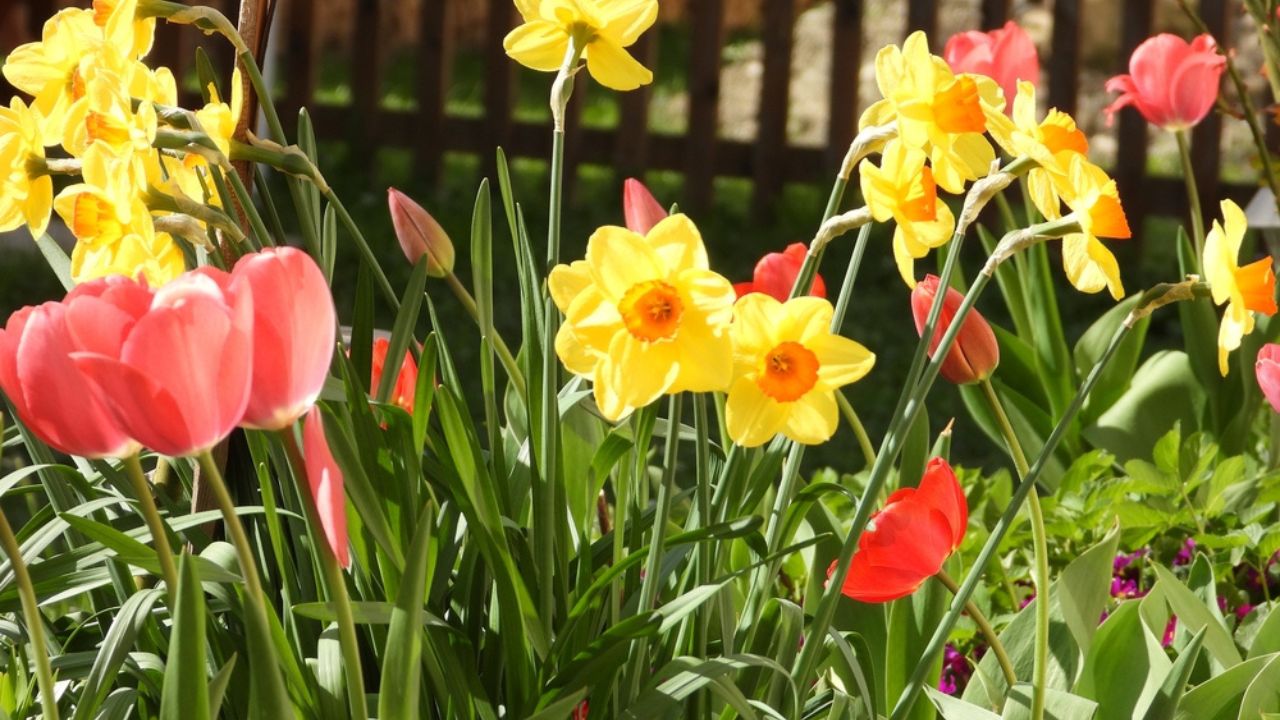
Image Credit: Shutterstock.
Iconic cup-shaped spring bulbs in countless colors.
What Makes It Poisonous
Tulipalin A/B in bulbs and plant parts cause drooling, vomiting, and dermatitis.
Should You Plant It?
- Use bulb baskets and mulch heavily to deter digging.
- Avoid in off-leash dog yards.
Safer Alternatives
- Hyacinths and daffodils are also toxic. Consider hardy annuals like pansies for spring color without bulbs in pet-heavy yards.
14. Monkshood/Wolf’s Bane (Aconitum spp.)- can be fatal
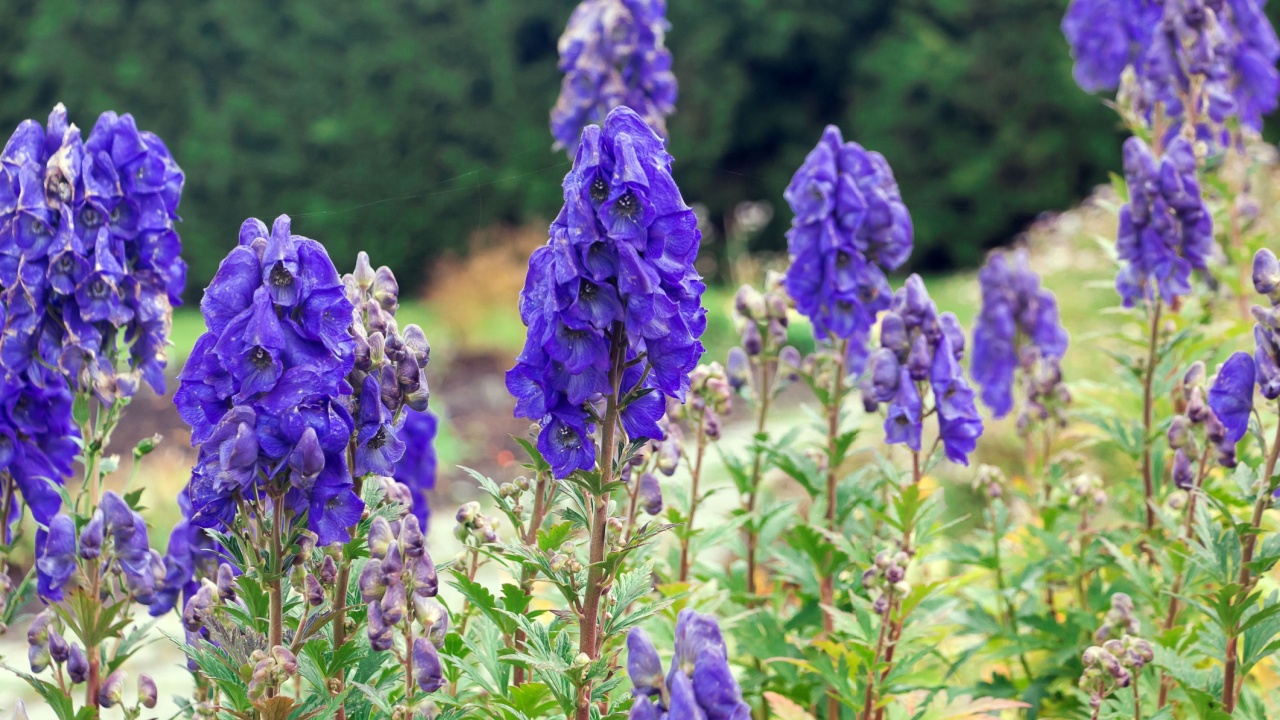
Image Credit: Shutterstock.
Deep blue to purple hooded flowers on tall spikes; thrives in cool climates.
What Makes It Poisonous
Aconitine—highly toxic neurotoxin. Skin absorption can cause numbness, arrhythmias, and can be fatal.
Should You Plant It?
- Best to avoid in home gardens. If you do, wear full PPE (gloves, long sleeves), and never handle with cuts or without protection.
Safer Alternatives
- Delphinium is toxic too; choose blue salvia, veronica, or gentian (verify species toxicity) for safer blue spikes.
15. Rhododendron and Azalea (Rhododendron spp.)- can be fatal
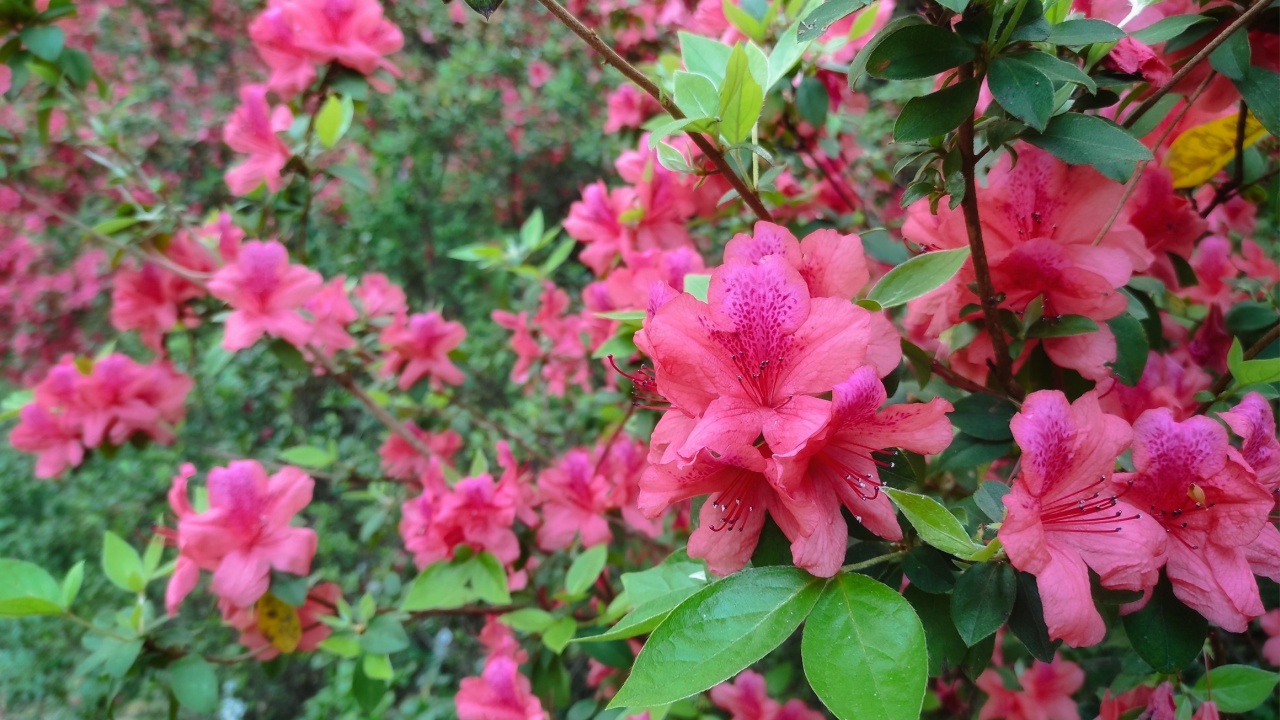
Image Credit: Shutterstock.
Evergreen or deciduous shrubs with bold spring blooms in pinks, reds, whites, and purples.
What Makes It Poisonous
Grayanotoxins in leaves, nectar, and flowers; ingestion affects heart and nervous system.
Should You Plant It?
- Fence if deer/livestock have access; keep trimmings away from goats.
- Avoid placing near children’s play areas.
Safer Alternatives
- Camellia (still mildly toxic but far less browsed).
- Fothergilla or ninebark for spring bloom and structure.
16. Angel’s Trumpet (Brugmansia spp.)- can be fatal
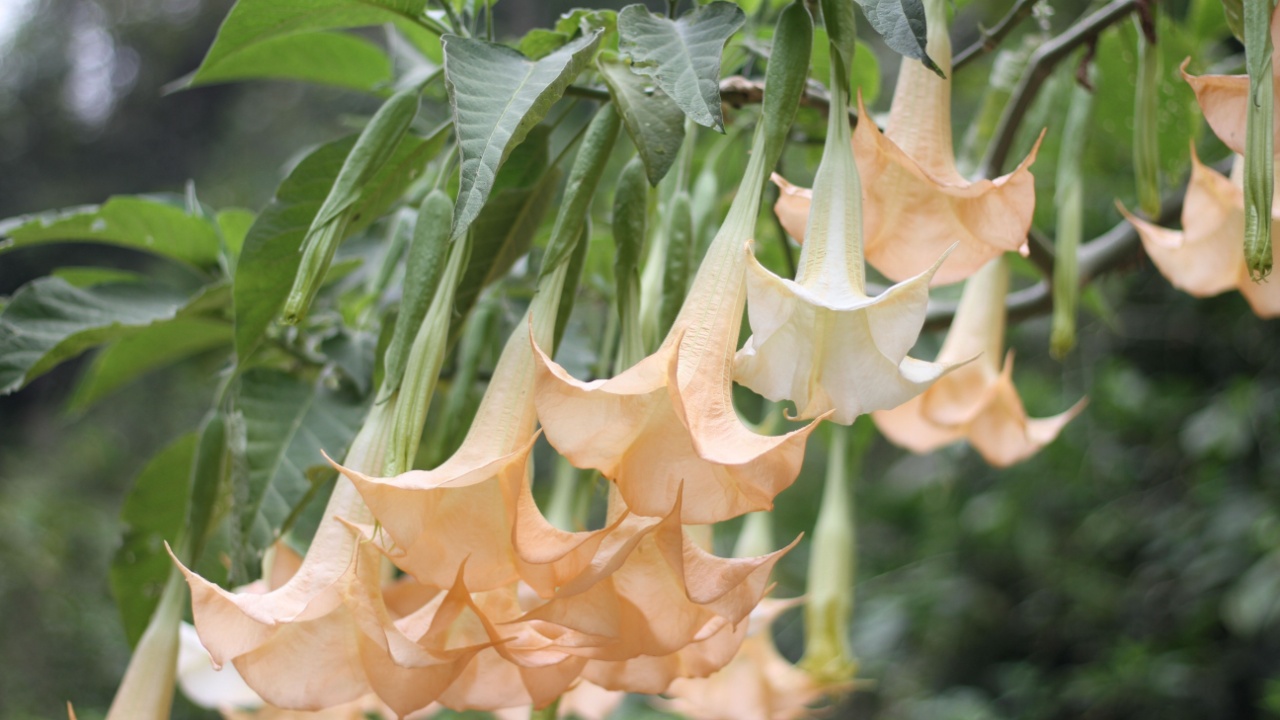
Image Credit: Shutterstock.
Tropical shrub or small tree with huge, pendulous, fragrant trumpets—show-stopping at dusk.
What Makes It Poisonous
Tropane alkaloids (scopolamine, atropine); ingestion can cause hallucinations, paralysis, and death.
Should You Plant It?
- Avoid in residential gardens; container-grow out of reach if you must, and remove fallen flowers.
Safer Alternatives
- Datura (devil’s trumpet) is also toxic. Try moonflower vine (Ipomoea alba—still caution) or hardy hibiscus for large, dramatic blooms.
17. Autumn Crocus (Colchicum autumnale)- can be fatal
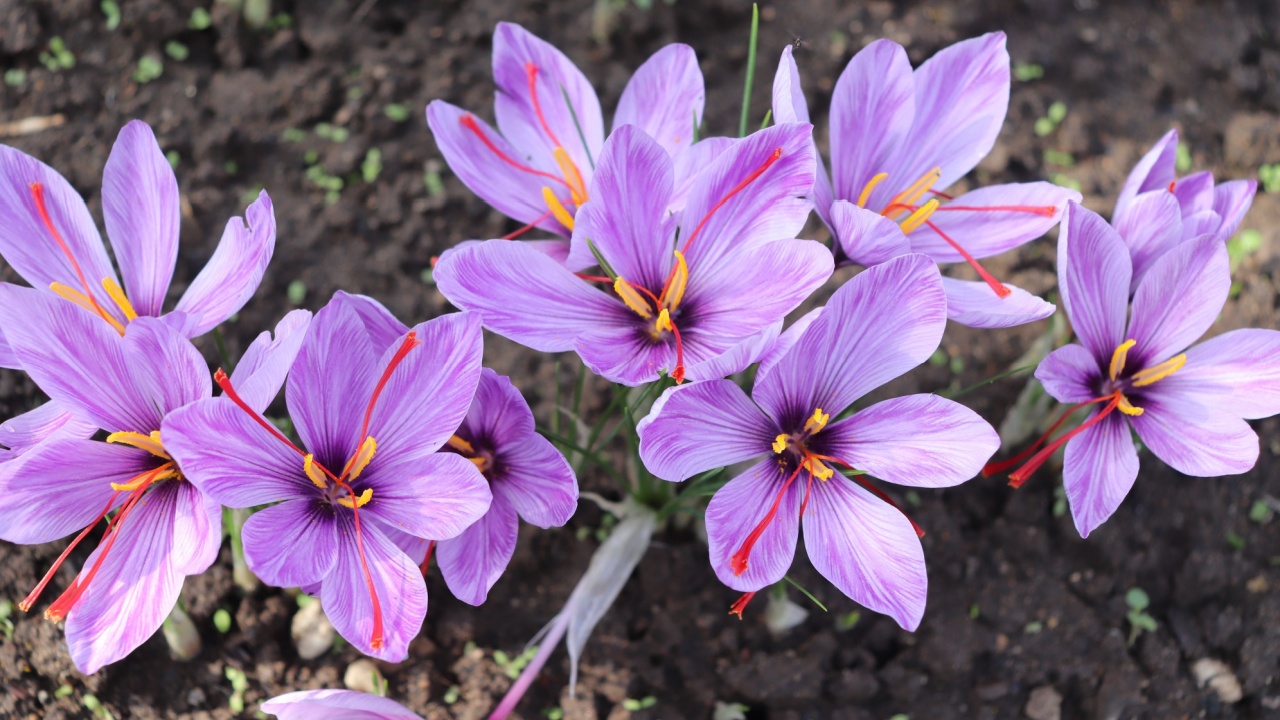
Image Credit: Shutterstock.
Lilac-pink crocus-like blooms in fall without leaves present; leaves appear in spring.
What Makes It Poisonous
Colchicine, a potent mitotic inhibitor; ingestion can cause multi-organ failure.
Should You Plant It?
- Avoid where pets or kids roam; easy to mistake for edible saffron crocus (Crocus sativus), which is different.
Safer Alternatives
- Fall-blooming crocus (Crocus speciosus) still carries some risk; opt for fall aster or Japanese anemone for autumn color.
18. Clematis (Clematis spp.)
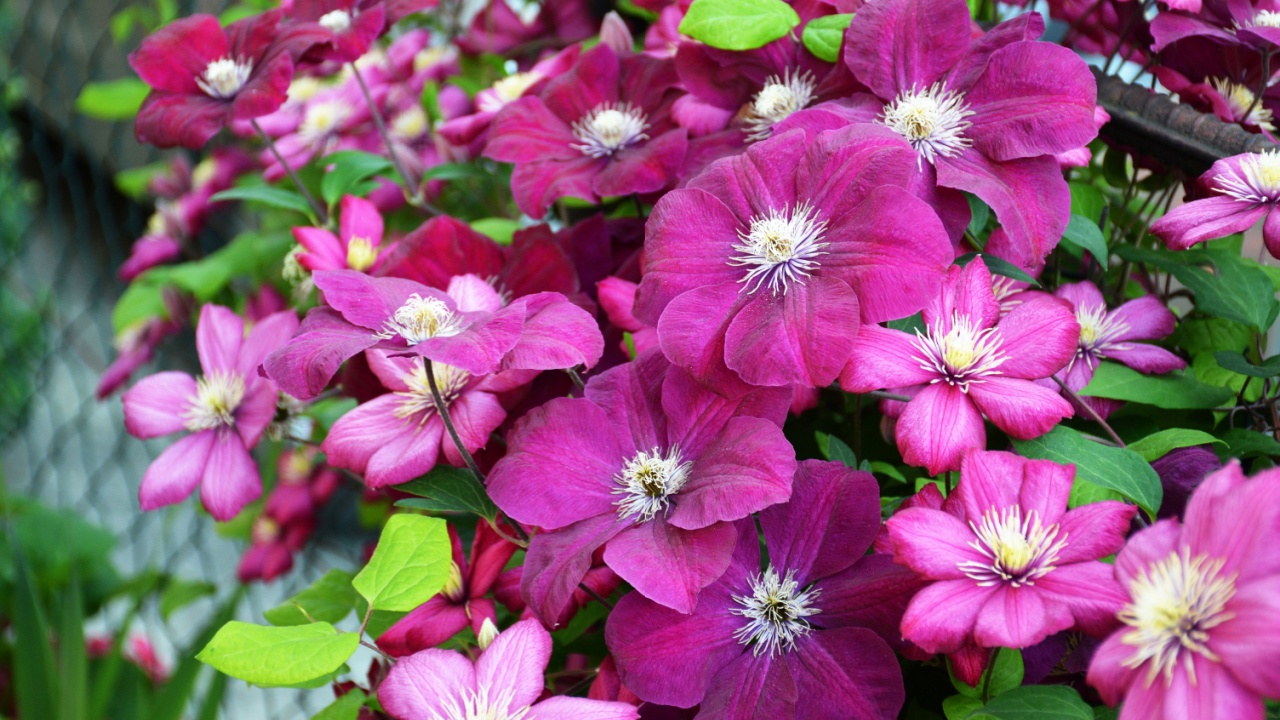
Image Credit: Shutterstock.
Vining climbers with starry or bell-shaped flowers from spring through fall.
What Makes It Poisonous
Anemonin (protoanemonin) in all parts can cause mouth irritation, nausea, and vomiting if chewed or ingested. The sap may also irritate skin.
Should You Plant It?
- Can be safe in adult-only gardens, but avoid if children or pets may nibble the vines or leaves.
Safer Alternatives
- Try native honeysuckle (Lonicera sempervirens) for a non-toxic, wildlife-friendly climbing vine.
Better Safe Than Sorry

Image Credit: Shutterstock.
Gardeners must be cautious when choosing plants for their gardens, as some may contain toxins that could harm humans or pets. By being aware of potential hazards and making informed choices, we can create beautiful and safe gardens for ourselves and our loved ones.
Final Tips:
- Always research the toxicity of plants before adding them to your garden.
- Avoid planting toxic plants near areas where children or pets play.
- Keep all chemicals and potentially harmful substances securely stored away from the garden.
- Educate yourself and others on the potential dangers of certain plants.
- Consider creating a separate, enclosed area for toxic plants if you really want to include them in your garden.