

Some invasive plants may be pretty, but they can cause a lot of damage! Often called “noxious weeds,” invasive plants outcompete native species for space, sunlight, nutrients, and water, in turn reducing wildlife habitat. They can even have a negative economic impact, especially in industries like agriculture, forestry, and fishing. As a gardener, you can …
Serena Manickam
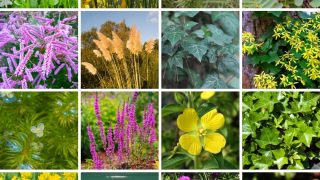
About 1,100 nonnative plants (1) have naturalized in California, and nearly 200 of those have been designated as noxious weeds by the California Department of Food and Agriculture. These invasive plants not only damage the environment but the economy of the state as well. Take action against invasive plants in California by learning how to identify …
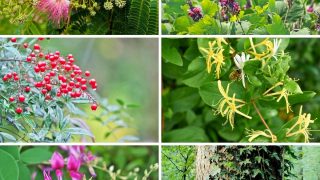
In Arkansas, invasive plants degrade ecosystems, reduce crop field productivity, and even cause harm to livestock. These aggressive nonnative plants outcompete native species for water, nutrients, and growing space, changing landscapes and reducing wildlife habitat. The good news is, as a gardener, you can make a difference! Learn how to identify and control invasive plants …
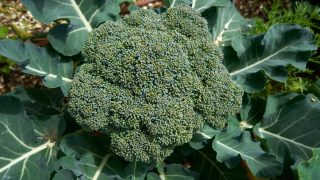
Broccoli just might be one of my favorite vegetables. But it spends a long time in the garden before its tightly budded heads are ready to harvest, giving pests plenty of time to interfere. Cabbage worms and other hungry bugs have done some significant damage to my broccoli patch! Thankfully, growing companion plants for broccoli …

Invasive species, from pathogens to mammals, can wreak havoc on local ecosystems. In the case of plants, invasives spread aggressively, out-competing native plants and thus reducing food and habitat for native wildlife. One or more of these noxious weeds might even be masquerading as innocent garden plants in your flower beds. Learn more about some …
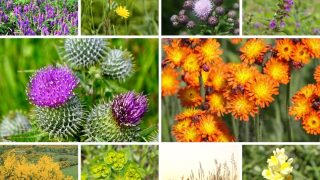
Known as “The Last Frontier,” Alaska is home to beautiful and important ecosystems that have been labeled as conservation areas, national forests, and state and national parks. These vast wild areas host remarkable biological diversity and provide important sources of income for the people who live in this state. Unfortunately, invasive plants in Alaska pose a …
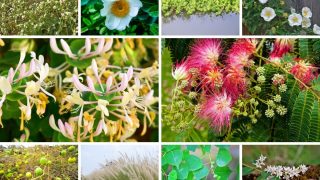
About 380 invasive plants have been identified in the state of Alabama. These aggressive plants wreak havoc on native ecosystems, competing with native plants and thus reducing food and habitat available for native wildlife. Invasive plants contribute to the decline of endangered species and also negatively impact human industries, such as forestry. Some of the …
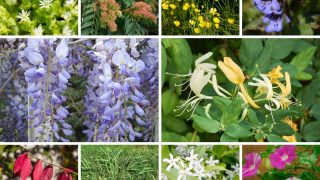
We all have at least one plant in our garden that threatens to take over. It spreads out like a carpet or pops up in random places all over the garden, and no matter how much time we dedicate to pulling it up, it still persists. In addition to how to get rid of it, …
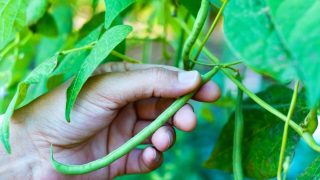
Beans are one of my favorite garden vegetables. They are so rewarding and easy to grow, and I appreciate the rhythmic work of picking and snapping them (though by summer’s end I’m tired of the work!). In winter, I can pull out a bag of frozen beans or a jar of dilly beans and enjoy …
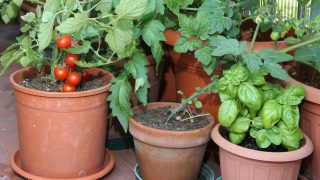
Basil is a delicious herb and one of the easiest to grow. Sprinkle a few seeds in the garden and enjoy homemade pesto, flavorful soups, pasta, focaccia, and more all summer, and even throughout the year (pesto freezes wonderfully!). Sprinkle those seeds in the right places, and you’ll also enjoy benefits from and to basil …