Airport Inspectors Find Giant Scale Insects Never Before Seen at a U.S. Port of Entry
A routine baggage inspection at Detroit Metropolitan Airport uncovered something U.S. inspectors had never seen at a port of entry before.
U.S. Customs and Border Protection agriculture specialists found several tiny insects feeding on fresh pine bark in a traveler’s luggage. The passenger was traveling from Cameroon to Illinois and told inspectors the bark was being brought in for medicinal purposes.
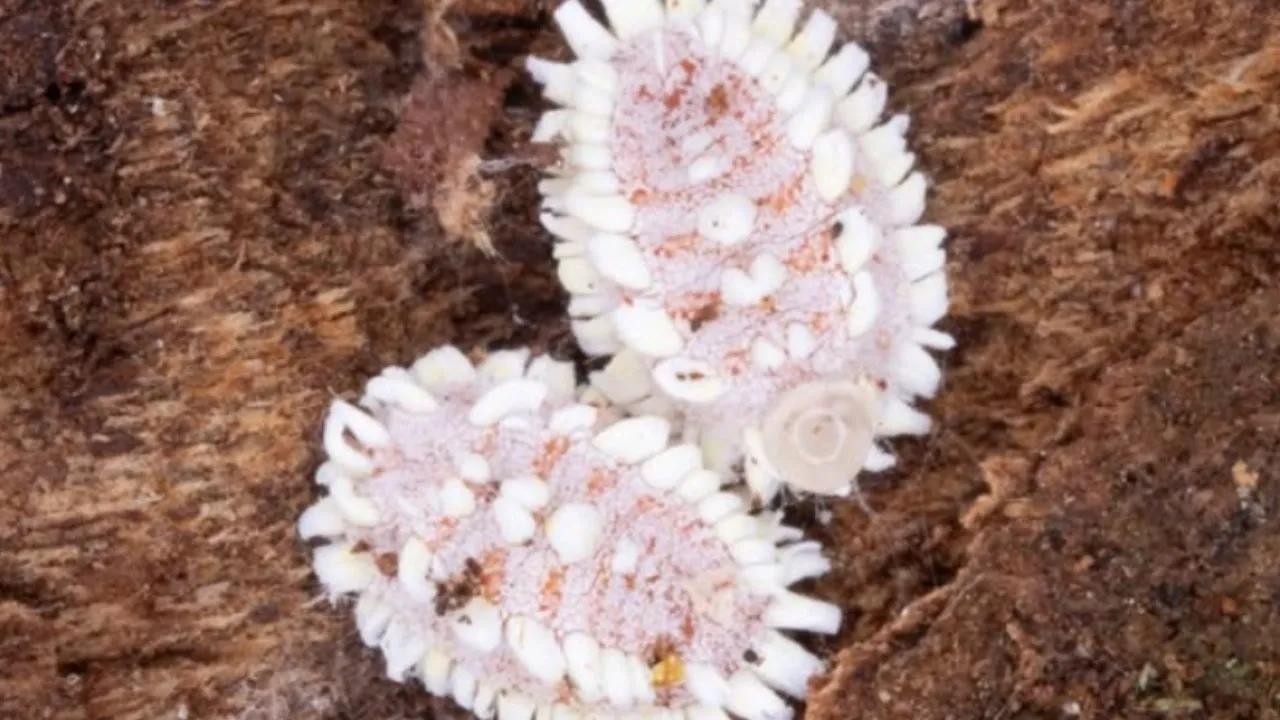
The insects were only about 5 millimeters long, despite belonging to a group known as giant scale insects. They were dark in color with light, waxy-looking material covering their bodies.
CBP and U.S. Department of Agriculture officials first believed they were a type of giant scale in February. On August 7, the USDA confirmed they belonged to the Aspidoproctus genus. According to CBP, records show this was the first time they had been found at a U.S. port of entry.
Some Giant Scale Insects Really Are quite small
Embedded media follows. Please allow a moment for it to load.
View this post on Instagram
The insects found in Detroit were small, but others in this African group can get much bigger. CBP says some species can grow to nearly 1.5 inches long. They feed on sap from plants, shrubs and trees. Female scale insects can also lay more than 5,000 eggs, and the wind can carry their tiny young.
A large infestation could damage trees and other plants, which is why inspectors closely monitor insects traveling into the country on plant material. Inspectors seized the pine bark and insects found at DTW for further testing. CBP says the traveler was told about the rules and released without incident.
“There is no such thing as a small threat,” Detroit Director of Field Operations Marty C. Raybon said.
Detroit Inspectors Had Another First This Year
In January, an agriculture detector dog alerted CBP staff to luggage arriving from Ghana. Inspectors looked through corn and seeds inside and found a small moth.
The USDA later identified it as a non-native straw crest moth. CBP announced that discovery earlier this month, saying it was also the first time that species had been encountered at a U.S. port of entry.
Travelers Need to Declare Plants and Food
CBP is using both discoveries as a reminder to declare agricultural products when entering the United States. That includes plants, seeds, fruits, vegetables, meat and other plant or animal products. Even something that seems harmless can be inspected for pests before it is allowed into the country.
The USDA says CBP and APHIS work together at ports of entry to keep foreign plant pests and animal diseases from spreading into the United States.