
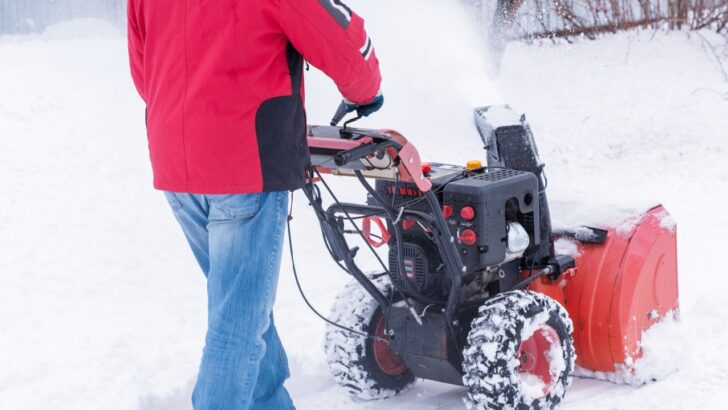
Snow blowers earn their place in the garage during winter, then get pushed aside once the season ends. That handoff period is where most damage begins. Storage mistakes shorten engine life, invite safety hazards, and lead to frustrating breakdowns when snow returns.
A few small missteps can cost far more than a tune-up. These are the most common and risky snow blower storage mistakes, along with clear ways to avoid them.
1. Storing a Snow Blower With Fuel Left in the Tank
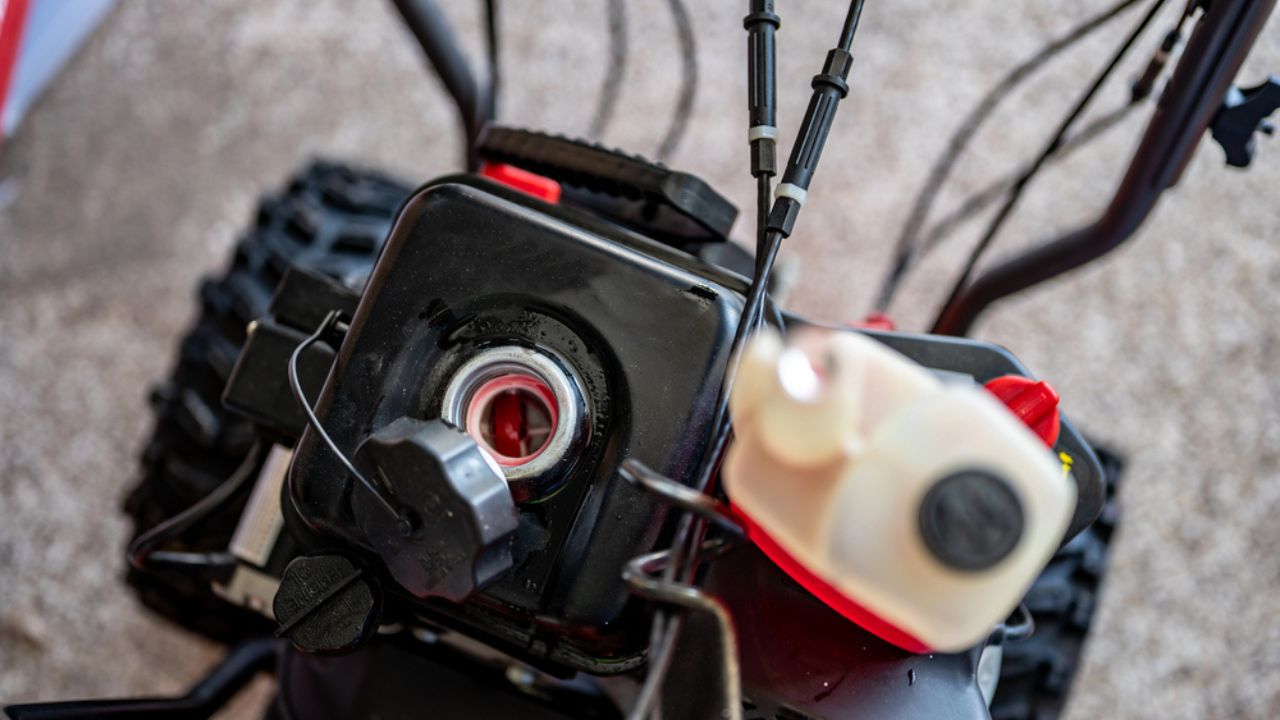
Image Credit: Deposit Photos.
Leaving fuel in the tank during storage is one of the fastest ways to damage a snow blower. Gasoline degrades, thickens, and leaves residue that clogs carburetors and fuel lines. Ethanol blends make this worse by attracting moisture, which leads to corrosion inside the engine. When winter returns, the machine may refuse to start or run unevenly.
The safer option is to either drain the fuel system completely or add a fuel stabilizer and run the engine long enough for treated fuel to circulate. Machines stored longer than a few months benefit most from an empty tank. This reduces internal buildup and keeps starting issues at bay.
2. Parking It Without Cleaning Off Snow, Salt, and Debris

Image Credit: Shutterstock.
Snow blowers often get stored exactly as they were used, packed with snow residue, road salt, and grit. Salt accelerates rust, especially on the auger housing, chute, and fasteners. Moist debris trapped under covers creates a damp environment that eats away at metal surfaces.
Before storage, visible snow and slush should be removed and the unit allowed to dry fully. A light rinse can help, followed by thorough drying. Clearing debris from intake areas and belts prevents corrosion and reduces wear when the machine is used again.
3. Covering the Machine While It Is Still Damp
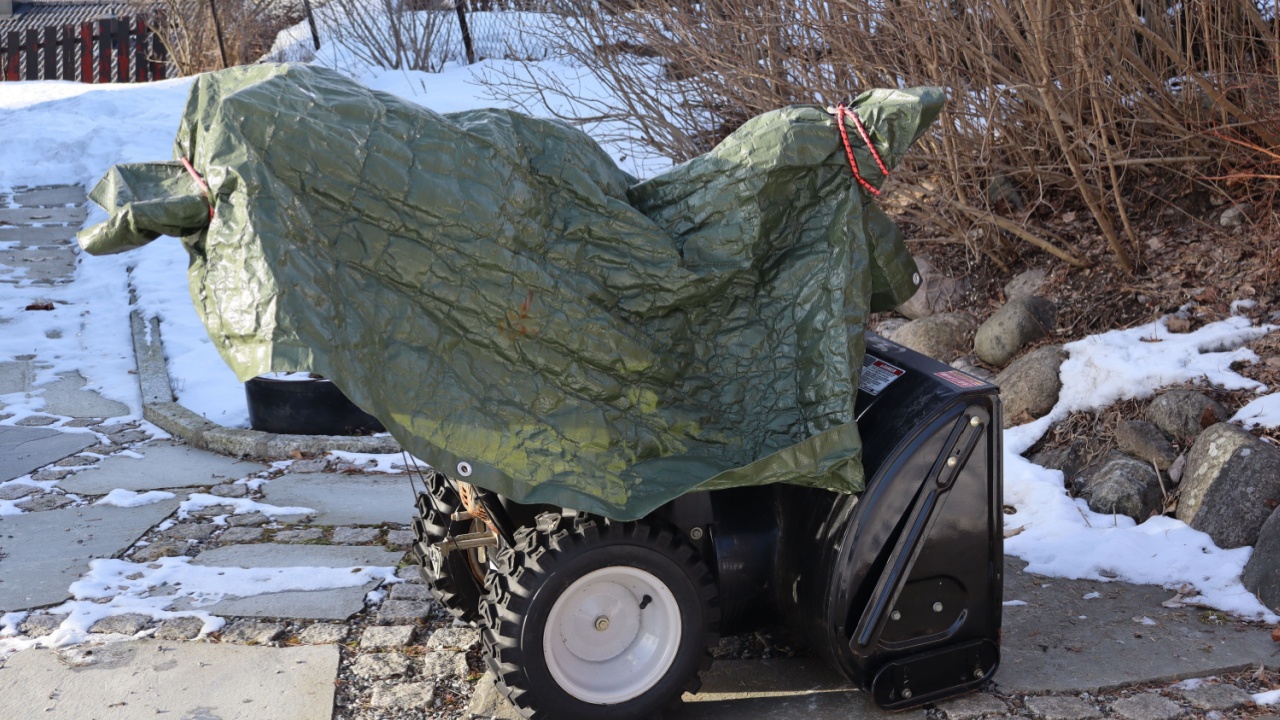
Image Credit: SiljeAO / Shutterstock.
Covering a snow blower immediately after use traps moisture inside. Even breathable covers hold humidity close to metal components if the machine has not dried first. This leads to rust, mold on grips, and electrical issues in starter components.
The machine should sit uncovered until completely dry. Once dry, a fitted cover designed for outdoor equipment helps block dust and moisture while still allowing airflow. Plastic tarps pressed tightly against the machine tend to cause more harm than good.
4. Leaving It Outdoors Without Proper Protection
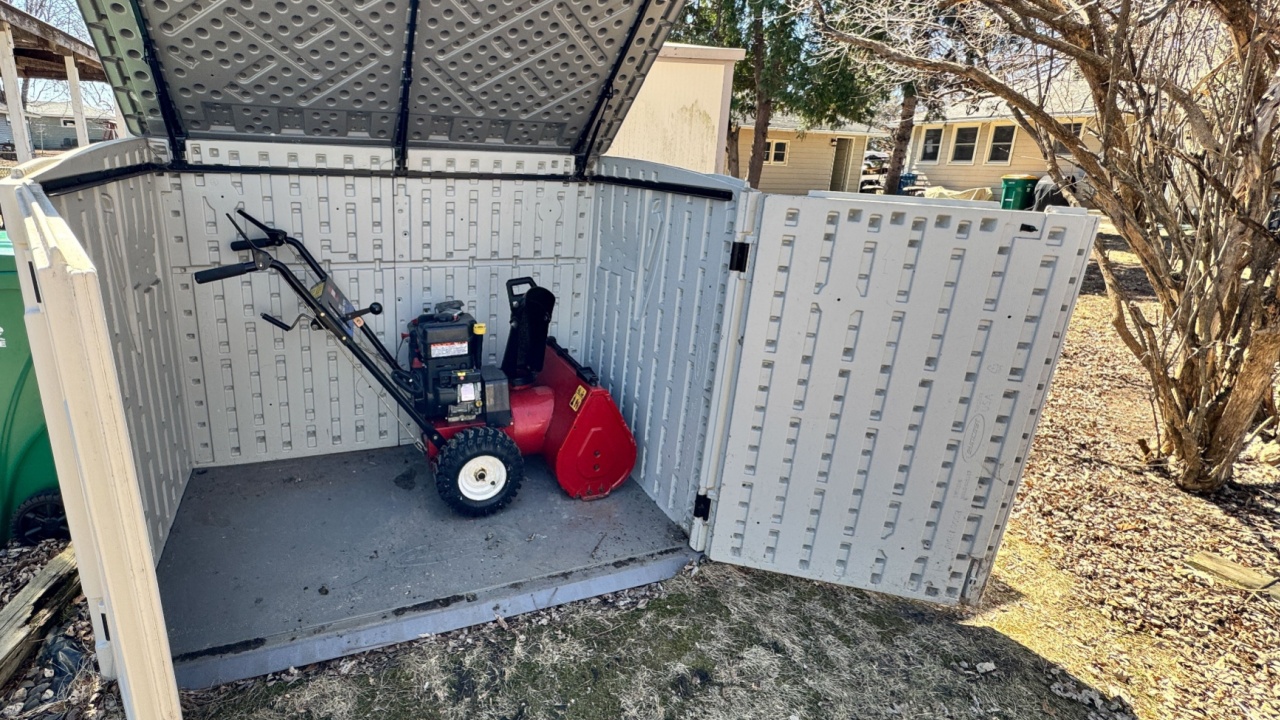
Image Credit: Shutterstock.
Outdoor storage without protection exposes a snow blower to rain, sun, and temperature swings. UV exposure degrades plastic parts and belts, while moisture works its way into bearings and engine seals. Even short periods of uncovered outdoor storage can lead to surface rust and cracked components.
If indoor storage is not available, the unit should be raised off bare ground and covered with a weather-resistant, vented cover. Placing it on pavers or a wooden platform helps prevent moisture from wicking up from the ground.
5. Skipping End-of-Season Maintenance Before Storage
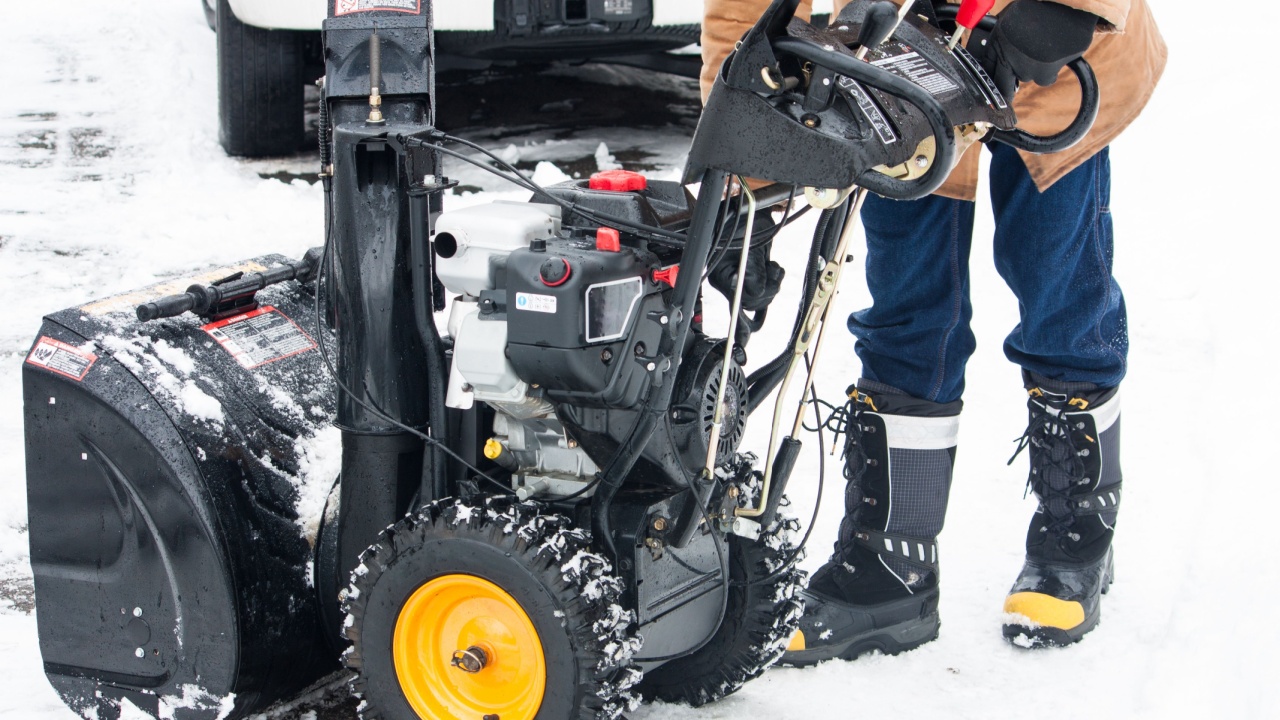
Image Credit: Shutterstock.
Storing a snow blower without basic maintenance invites problems later. Worn belts, loose bolts, dull shear pins, and dirty spark plugs do not fix themselves during storage. Small issues grow quietly and often show up during the first heavy snowfall.
End-of-season checks should include inspecting belts, tightening fasteners, lubricating moving parts, and checking oil levels. Addressing these tasks before storage avoids rushed repairs during winter and keeps the machine ready for immediate use.
Storing It Right So Winter Goes Smoothly
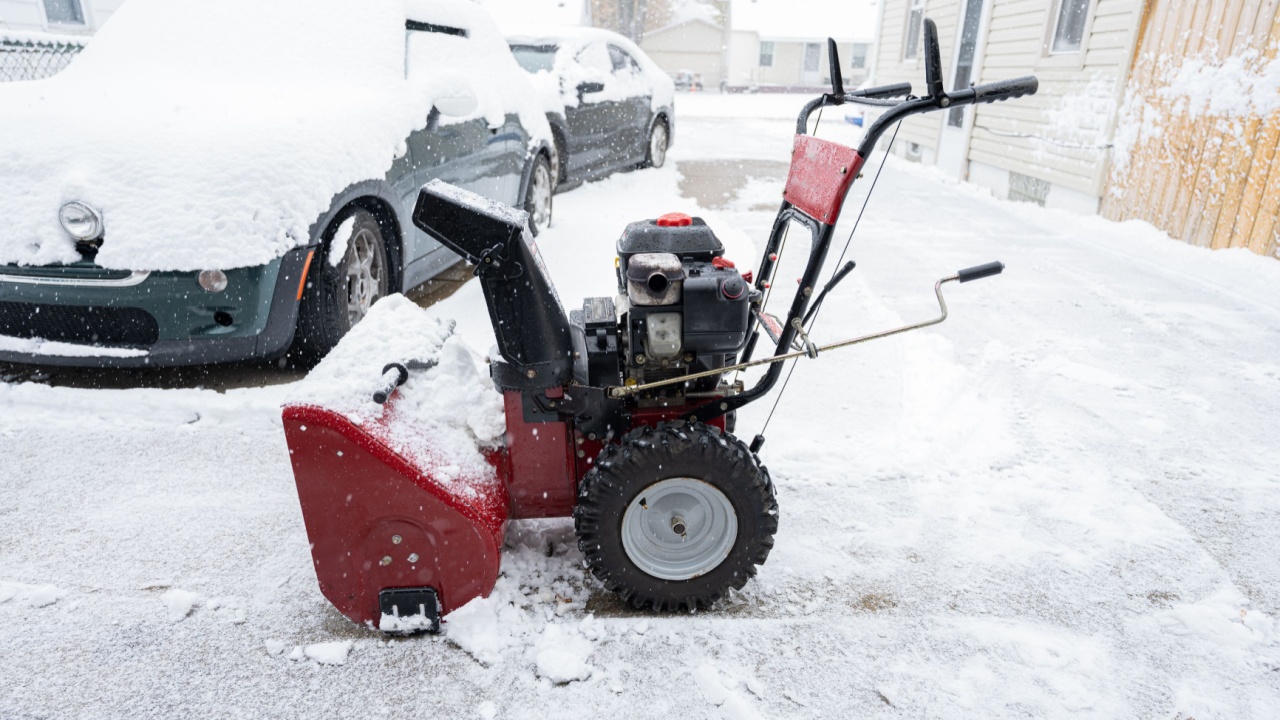
Image Credit: Shutterstock.
A snow blower that is stored correctly lasts longer, runs more reliably, and is safer to operate. The transition from winter use to storage matters just as much as how the machine is used during storms. Taking time to clean, dry, protect, and maintain it reduces repair costs and avoids cold-season surprises.
Set a simple end-of-season routine and keep storage supplies nearby, such as fuel stabilizer, a soft brush, and a proper cover. A short checklist taped inside the garage or shed keeps the process consistent year after year and protects one of the most relied-upon winter tools.