A Colorado Woman’s Thermostat Hit 79 Degrees, She Was Blocked From Lowering It
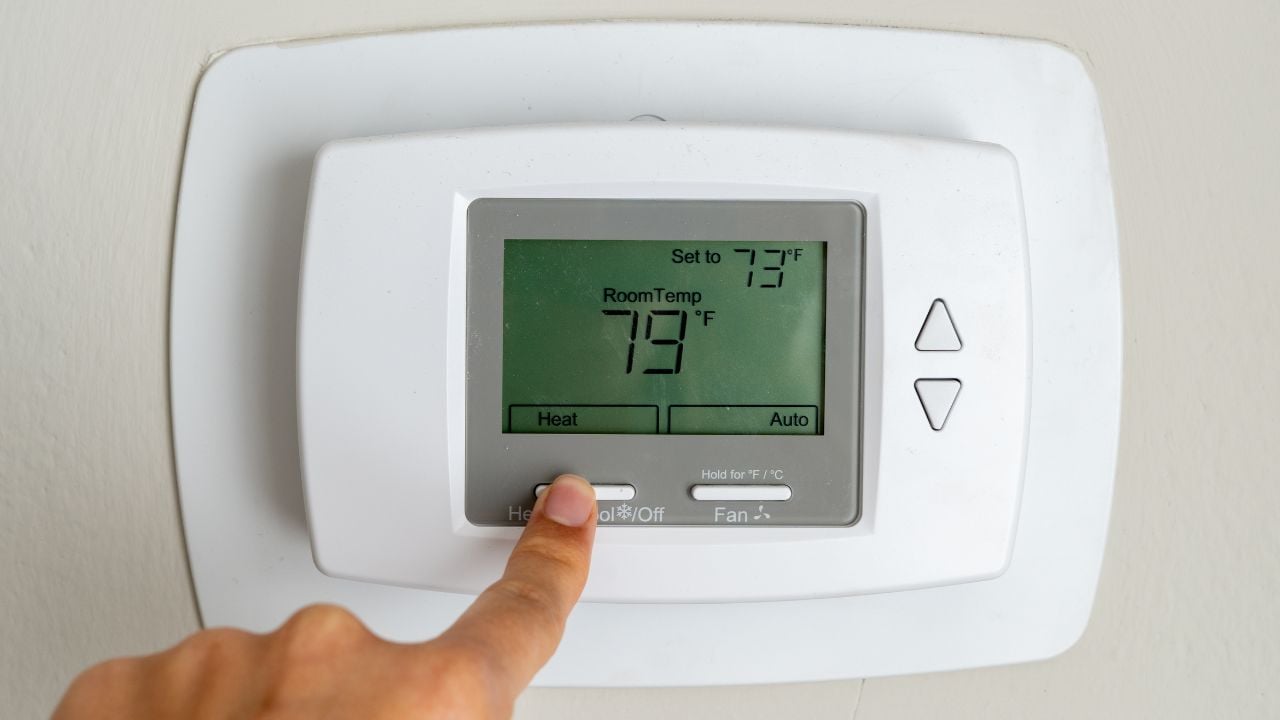
A Colorado woman was shocked when she went to change the thermostat during a stretch of extreme heat and discovered the controls were no longer entirely hers. The system would not allow her to set the temperature below 79 degrees.
Kyri Baker’s thermostat displayed a message explaining that the restriction was meant to conserve energy because the regional power grid was under stress. “It just says cannot be set lower,” she told 9NEWS in Denver.
Baker had voluntarily enrolled in Saver’s Switch, a program that compensates participants for temporarily allowing Xcel to reduce their air-conditioning use during periods of high demand.
Xcel marketing manager Dan Rasmussen told 9NEWS that temperatures above 98 degrees tend to place additional strain on the electrical system. Baker’s experience shows the tradeoff customers accept when they exchange some control over their cooling systems for bill credits, but did not say how long the setting lasted.
The thermostat would not go below 79 degrees
Embedded media follows. Please allow a moment for it to load.
View this post on Instagram
The official 9NEWS Instagram reel shows Baker explaining what happened and documents the message displayed on her thermostat.
Baker is an associate professor of engineering at the University of Colorado Boulder whose work includes electrical grids and power systems. She understood why utilities try to reduce demand during extreme heat, but told 9NEWS that being unable to override the setting went further than she initially expected.
Saver’s Switch can temporarily reduce air conditioning
The official Xcel Energy program page describes Saver’s Switch as a voluntary way for customers to help lower electricity demand during peak periods. Xcel installs a device on or near the central air-conditioning system of a participating home. A published program evaluation explains that the device can cycle the air conditioner in approximately 15- to 20-minute intervals during control events.
Xcel currently advertises a $100 enrollment credit after installation and a $40 credit each year a customer remains in the program. The annual credit generally appears on the customer’s October electric bill.
Demand-response programs are designed to reduce electricity consumption when the system is experiencing unusually high demand. A Colorado General Assembly issue brief explains that utilities can use these programs to address reliability needs and projected capacity shortages.
That does not give Xcel unrestricted authority over every thermostat. It applies to customers who voluntarily join participating programs and agree to allow certain adjustments.