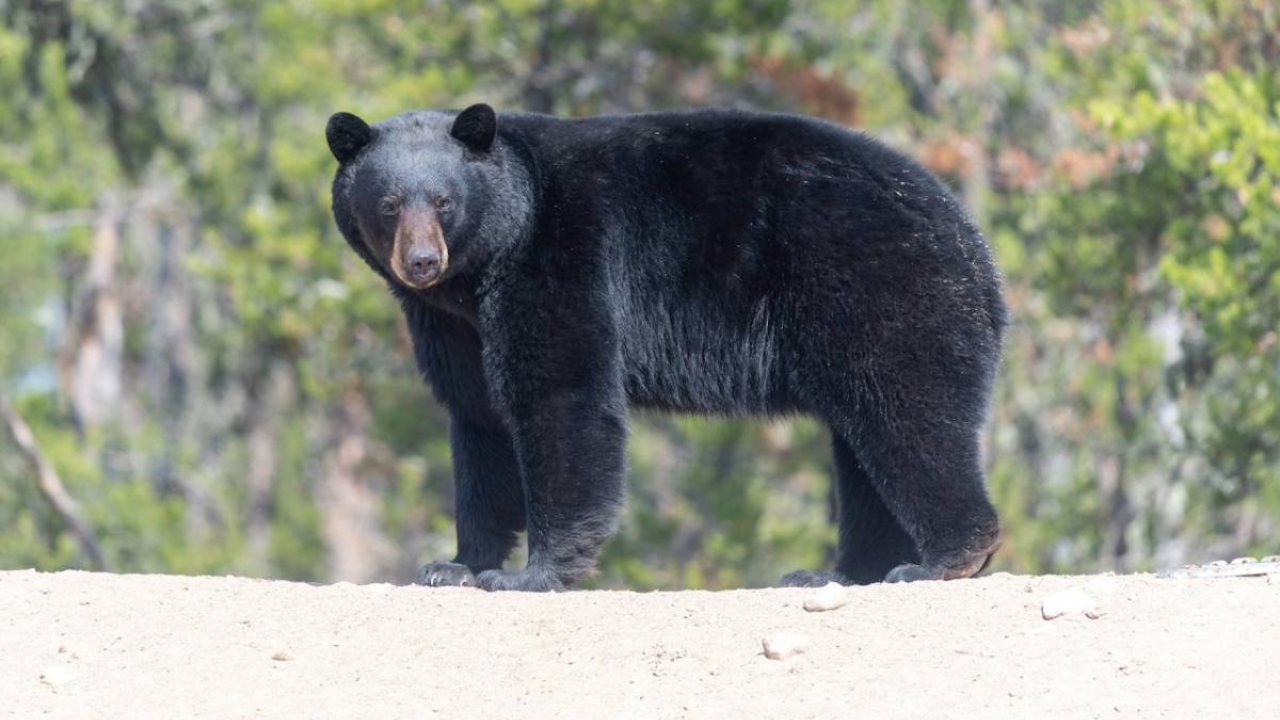
A Bear Wandered Onto a Hokkaido Property, So the Homeowner Set Off Fireworks to Scare It Off
Houseguests are fine to invite over when you’re putting together a fireworks show at home. But when that guest is a bear, and you’re using the fireworks to get it to leave, well, not so much. One homeowner in Kamisunagawa Town, Hokkaido, Japan, used fireworks to drive a wayward bear away from his house on July 11. The man called the police to report the animal on the grounds of a residence, according to DotDotNews, citing Sapporo Television. Police responded to the call, obviously bewildered at how this situation occurred.
The caller stayed inside the house and watched the bear through a window from about 65 feet away. Police said the animal measured about 5 feet long and had been wandering through the home nonchalantly. The homeowner then set off fireworks in an attempt to get it to leave.
The bear, understandably spooked, moved off through a field inside the residential area. It traveled southeast and then finally left the property. There were no injuries, though the bear’s pride may have been wounded, to be fair.
The homeowner’s affected dwelling sits on the edge of a residential district. Police said they were staying vigilant in the surrounding area for additional animals at the time as well. This particular encounter lands in the middle of a record surge in bear activity across Japan.
Why Bear Encounters Are Surging in Japan
A record 230 were killed or injured by bears in Japan since April, putting more pressure on the government to intervene as the animals push deeper into areas where people live https://t.co/NExnDzVPaE
— Bloomberg (@business) December 6, 2025
Japan is coming off its worst year on record for bear attacks. Roughly 238 people were injured by bears in 2025, and 13 of those attacks were fatal, according to Japan’s environment ministry, as reported by Britannica. Sightings tell the same story: the country logged 36,814 of them between April and October 2025, close to double the previous fiscal year’s total, per The Japan Times. Even Tokyo recorded 142.
Several pressures are pushing bears toward towns. Poor acorn and beechnut crops have sent them out of the mountains in search of food, while abandoned farmland and shrinking, aging rural populations have expanded bear habitat and closed the distance between the animals and people. Fewer hunters remain to manage the numbers. Japan sent Self-Defense Forces to Akita Prefecture in late 2025 to help set and check traps, and the environment ministry set aside ¥3.4 billion, which is about $22 million, to try to stave off more bears.
How Are Japanese Residents Supposed to Respond?
Noise is the standard first line, which is what the Kamisunagawa homeowner reached for. Under rules that took effect in September 2025, Japan permits certified shooters to fire on a bear immediately when it threatens human life in urban or semi-urban areas, a change from a system that required layers of permission and could take hours or days. Those rules still call for non-lethal deterrents to be tried first, alongside road closures and crowd control.
The homeowner’s response fits that pattern. He stayed inside, called the police, and used noise instead of confronting the animal. Hokkaido’s only bear species is the Ussuri brown bear, a subspecies of the same animal known elsewhere as the grizzly, and roughly 12,000 of them live on the island, according to The Wildlife Society. Bear activity in Japan typically eases through July and August before climbing sharply from September into November.