Maine Homeowners Left Waiting as $15 Million Roof Grant Program Hits Delay
If you’re a homeowner in Maine who will benefit from the Fortify Maine Homes Program, you’re going to have to wait a little longer to take advantage of it. The initiative, which helps homeowners pay for stronger, storm-resistant roofs, won’t start taking applications until next year, according to WGME. The $15 million project had been expected to launch this summer. Anyone who hoped to use the grants before winter will now have to wait until 2027 or cover the costs themselves.
The program offers grants of up to $10,000 for most eligible homeowners and up to $15,000 for lower-income applicants so they can replace roofs with those built to national standards. The pilot is limited to Cumberland, Kennebec, Penobscot, and York counties. It was created under a storm preparedness law and is funded by $15 million in surplus fees from insurers rather than the state’s General Fund.
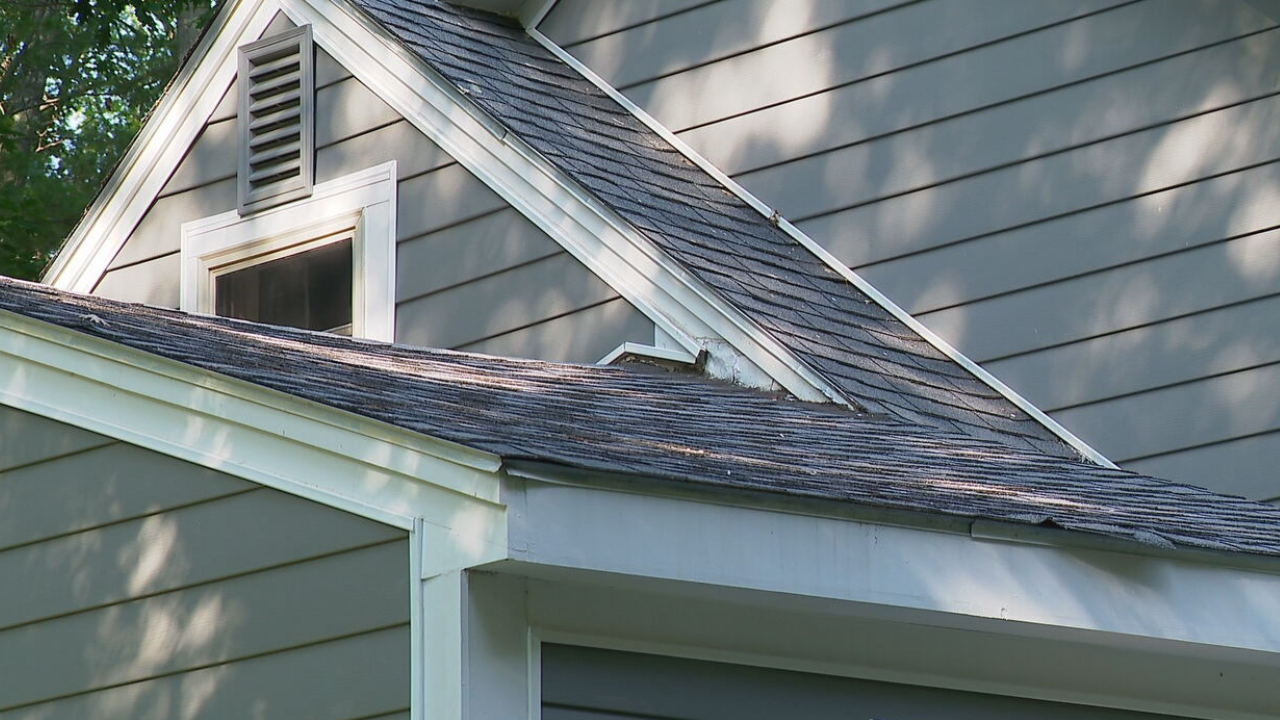
For North Yarmouth homeowner Bryan Taylor, the wait is now a massive problem. He told WGME that his roof leaks around the front door when it rains. He also has damage from a storm two years ago that has kept worsening, and the roof needs to be replaced. He said he jumped at the program because the work would be done to a verified standard with built-in inspections, but he’s now forced to wait longer.
Homeowners still can’t apply months after the launch was announced. Several contractors approved for the program told the I-Team, on condition of anonymity, that they had received few updates from the state, and some had contacted homeowners to ask whether they had heard anything. Until WGME’s I-Team asked about the delay this week, the program’s website had not been updated since May, and the application portal remains closed.
Why the State Says the Program Stalled
The Maine Bureau of Insurance attributes the postponement to administrative problems. Acting Superintendent Timothy Schott confirmed in a statement that the program is addressing administrative delays and expects to remain closed to applications until next year’s construction season. He acknowledged the effect on homeowners hoping to replace their roofs and on the contractors who partnered with the state.
The Bureau didn’t say what the administrative delays actually were. Taylor said his own efforts to get answers went nowhere. Calls to the number listed for the Insurance Bureau just went to voicemail with no callback. The lack of a reason is part of what’s leaving homeowners and contractors without a timeline.
What a Fortified Roof Actually Is
The grants are tied to the Fortified standard, which is more demanding than a standard roof replacement. Fortified is a voluntary construction standard developed by the Insurance Institute for Business and Home Safety, a research organization funded by the insurance industry, and it was created to address the specific ways roofs fail in high winds and wind-driven rain. The difference is mostly in the layers beneath the shingles rather than the shingles themselves.
The core requirement is a sealed roof deck, a secondary water barrier taped or membraned over the decking so that wind-driven rain cannot get into the house even if shingles blow off. The standard also calls for ring-shank nails in a tighter fastening pattern to hold the deck down, reinforced roof edges to stop wind from peeling the covering back, and impact-rated shingles. Because a fortified roof requires an independent inspection to certify each of those elements, it is documented in a way that a standard roof is not, which is the verification Taylor pointed to when he said he wanted the work done correctly.