Why Checking Your Carbon Monoxide Alarms Isn’t Enough to Keep Your Home Safe This Winter
As temperatures drop, families across the country are turning up their thermostats, lighting fireplaces, and spending more time indoors. While checking carbon monoxide alarms is an important part of preparing for winter, preventing this invisible household danger requires more than replacing a few batteries.
On November 24, Soundview Heating and Air Conditioning, a heating and cooling company based in Middle Island, New York, urged homeowners who rely on fuel-burning heating systems to have their furnaces and boilers professionally inspected. The reminder comes as households begin relying more heavily on their heating systems.
According to the Centers for Disease Control and Prevention (CDC), unintentional carbon monoxide poisoning unrelated to fires kills more than 400 Americans annually. More than 100,000 people visit emergency departments, and over 14,000 require hospitalization.
Carbon monoxide has no smell or color, and its effects can easily be mistaken for a common winter illness. Even something as seemingly harmless as snow piling up against the side of your house could prevent dangerous gases from escaping.
Beyond the Alarm
“Carbon monoxide alarms are essential, but they’re only one part of your carbon monoxide safety checklist,” said John Celentano, co-owner of Soundview HVAC, in the company’s November 24 announcement.
Just because your furnace is keeping your house warm doesn’t necessarily mean it is operating safely. A cracked heat exchanger or damaged vent pipe can allow carbon monoxide to enter your living space while the heating system continues running.
The U.S. Consumer Product Safety Commission (CPSC) recommends having heating equipment professionally serviced every year. Inspections should include checking chimneys and vent pipes for rust, blockages, and loose or disconnected fittings.
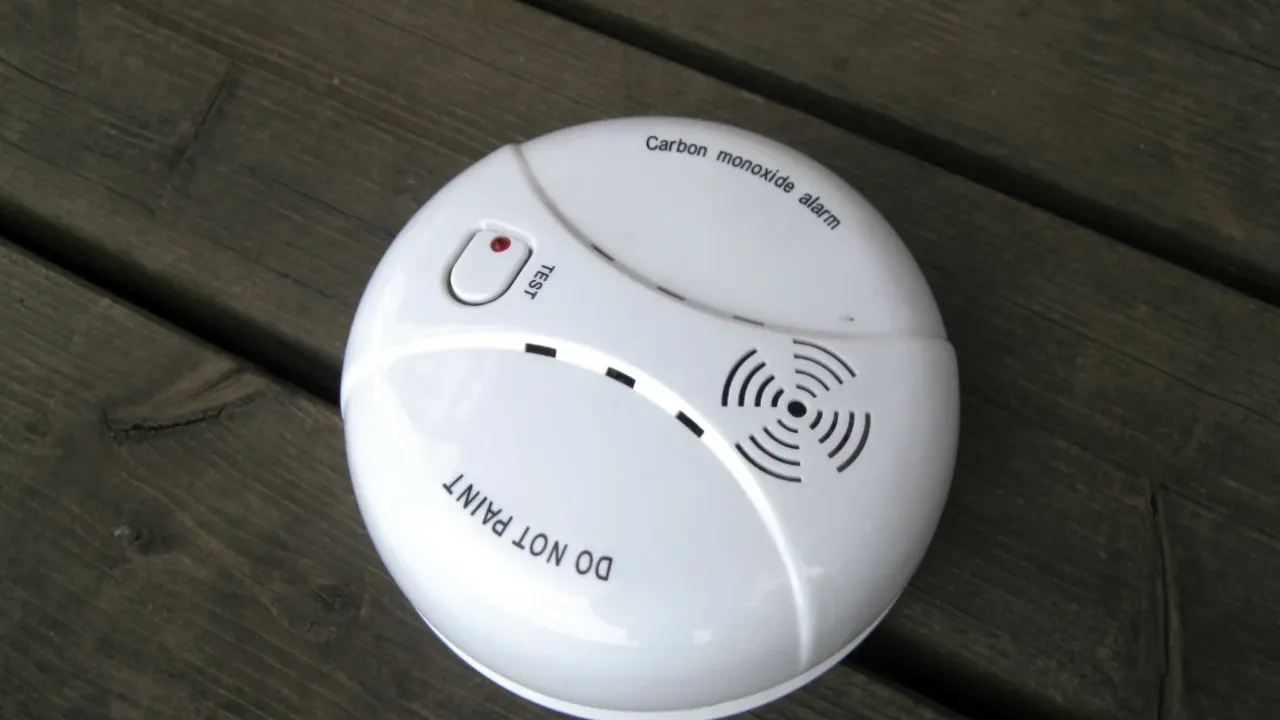
There is also an important limitation to testing your carbon monoxide alarm. Pressing the test button confirms that its electronic components are working, but it does not verify the accuracy of the sensor that detects the gas.
Homeowners should still test their alarms monthly and replace them according to the manufacturer’s instructions. Install alarms on every level of the home and outside sleeping areas, choosing models with battery backup so they continue working during power outages. Interconnected alarms offer additional protection because all units sound when one detects danger.
After the Snowfall
When a snowstorm hits, clearing driveways, sidewalks, and front steps is often a priority. The exterior pipes that carry exhaust from heating equipment can be easier to overlook.
In its November 10 winter weather guidance, the Environmental Protection Agency (EPA) recommends removing snow and ice from exterior furnace, stove, fireplace, and dryer vents. A blocked furnace vent can create a carbon monoxide hazard even if the equipment was recently serviced.
Extended power outages present another risk, particularly when families depend on backup electricity. Federal safety guidance recommends operating portable generators outdoors, at least 20 feet from buildings and more than 20 feet from windows, doors, and vents.
Running a generator inside a garage is dangerous even with the garage door open. Families should never use gas ovens, stovetops, or barbecue grills to heat their homes when their regular heating systems stop working.
More Than a Headache
Waking up with a headache or feeling unusually tired during winter might seem like the beginning of the flu. Carbon monoxide poisoning can cause similar symptoms, including dizziness, nausea, weakness, and shortness of breath, often without a fever.
Infants, older adults, and people with heart disease, anemia, or breathing problems are particularly vulnerable. According to the CDC, people who are asleep can die from carbon monoxide poisoning before experiencing recognizable symptoms.
Anyone who suspects carbon monoxide exposure should immediately move everyone in the household outside to fresh air and call 911 from a safe location. Seek immediate medical attention if experiencing symptoms, even if they improve after leaving the house. The absence of an alarm does not mean it is safe to remain indoors.
If an alarm sounds, the CPSC advises against spending time trying to locate the source. Once outside, account for everyone in the household and wait for emergency responders to give permission before returning inside. Any appliance identified as the source must be professionally serviced before being used again.