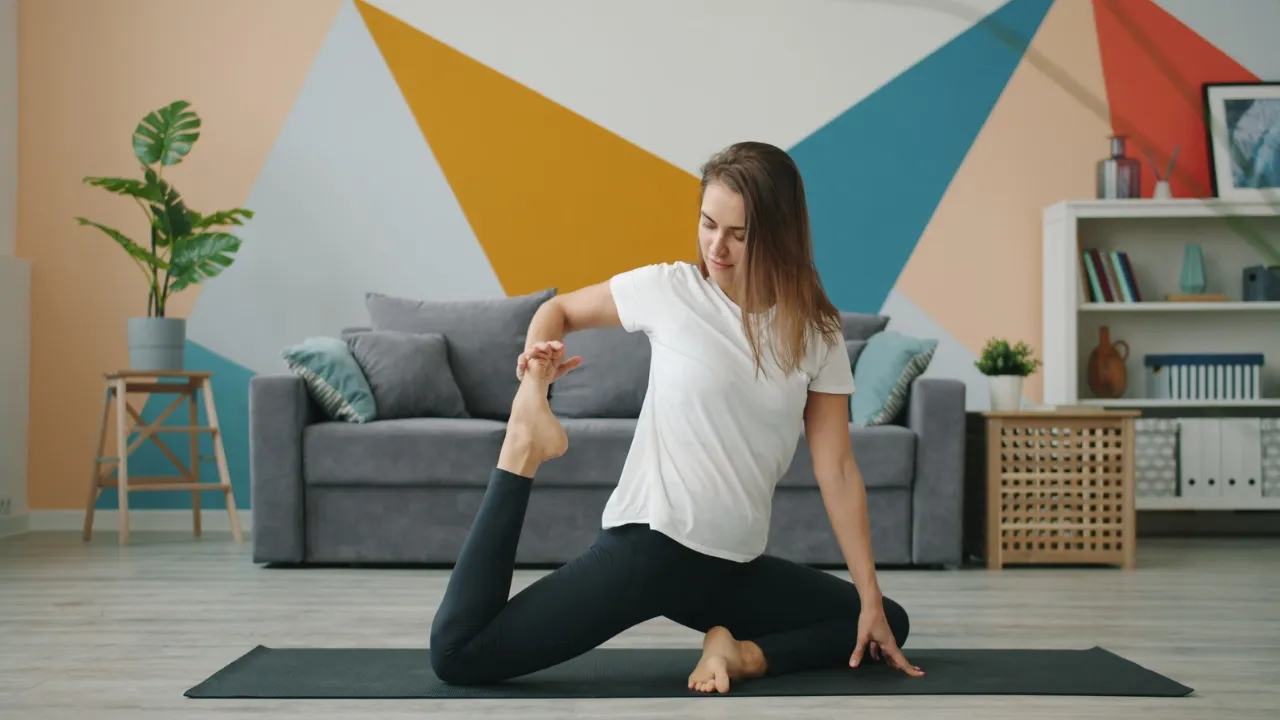
Struggling to Sleep? Research Suggests These Exercises Could Help
If you’re struggling to get a good night’s sleep, it may be worth reconsidering your exercise routine. A 2025 scientific review identified short, high-intensity yoga sessions performed twice weekly over eight to 10 weeks as a promising approach for improving sleep quality in people experiencing sleep disturbances.
Researchers at Harbin Sport University in China analyzed 30 randomized controlled trials involving 2,576 participants. Yoga ranked first among the exercises studied, followed by walking.
A separate analysis of 86 randomized controlled trials involving 7,276 adults produced a different result, ranking Pilates ahead of aerobic exercise, strength training, and yoga. Both scientific reviews were published in 2025.
Researchers at the University of Texas at Austin also found that as little as 10 minutes of daily moderate-to-vigorous physical activity was associated with better sleep among university students. For people who struggle to fit exercise around work and family responsibilities, these findings suggest that shorter workouts may be worth considering.
Disclaimer: Older adults, people with mobility limitations, and those who are new to exercise may benefit from starting with gentler activities and gradually increasing the intensity as their fitness improves. Always consult your doctor before starting a new exercise routine.
Making Time for Yoga
Embedded media follows; please allow a moment to load.
The researchers arrived at this recommendation by comparing and ranking individual exercise variables across multiple trials, rather than conducting a single trial that tested this exact routine against every other exercise program.
The Harbin Sport University study, published in Sleep and Biological Rhythms in July 2025, examined how exercise intensity, frequency, and duration affected people with sleep disturbances. The analysis identified eight to 10 weeks as the optimal program length for high-intensity yoga performed twice weekly.
Unlike slower yoga styles that emphasize relaxation and gentle stretching, more physically demanding sessions involve moving between poses, maintaining balance, and supporting your body weight. Poses such as planks and downward-facing dog require sustained muscular effort while incorporating controlled breathing.
Walking ranked second in the analysis, followed by resistance training. Although yoga ranked highest, the researchers cautioned that the limited number of studies and the characteristics of the participants warrant further investigation before firm recommendations can be established.
Pilates Makes Its Case
A separate study published in BMC Public Health in April 2025 ranked six exercise categories for their effects on sleep quality. Pilates came first, followed by aerobic exercise, combined aerobic and resistance training, resistance training, traditional Chinese exercises, and yoga.
All six categories produced statistically significant improvements in sleep quality compared with control groups. The rankings, however, do not establish that Pilates is significantly more effective than every other activity examined.
Pilates uses controlled movements to strengthen muscles, improve stability, and develop flexibility. While reformer Pilates requires specialized equipment, mat-based exercises can be performed at home using body weight for resistance.
The researchers also examined how the amount of exercise affected sleep. They found that increasing exercise beyond certain levels did not necessarily produce additional benefits, with the estimated optimal amount varying according to the activity.
Unlike the Harbin study, which focused specifically on people experiencing sleep disturbances, the larger review included a broader population of adults aged 18 to 75. Differences in participant characteristics, exercise classifications, and training programs limit direct comparisons between the two sets of rankings.
Ten Minutes a Day
Researchers at the University of Texas at Austin investigated whether exercising regularly throughout the week offered greater sleep benefits than concentrating physical activity into weekend workouts. University students wore Fitbit devices for several months, allowing researchers to compare their daily activity and sleep patterns.
As little as 10 minutes of daily moderate-to-vigorous activity was associated with better sleep among the participants. Researchers described this level of exertion as activity that increases your breathing rate while still allowing you to carry on a conversation.
Students who exercised more frequently also experienced more restorative non-REM sleep and reported better mood, energy levels, and lower stress. Lighter activities, including regular walking and standing breaks, were associated with favorable sleep patterns as well.
“Our results suggest that daily movement may be better for sleep than doing it all on the weekend,” said study co-leader Chris Corral. Since the researchers observed existing exercise habits rather than assigning participants specific routines, the study cannot establish that daily activity directly caused the improvements or that older adults would experience identical results.
Watch the Clock
Dr. Charlene Gamaldo, a sleep specialist at Johns Hopkins Medicine, explains that moderate aerobic exercise can increase slow-wave sleep. During this deep stage of non-REM sleep, the brain and body undergo restorative processes.
Exercise temporarily raises core body temperature and stimulates the release of endorphins, which can leave some people feeling more alert. Core body temperature typically begins falling within 30 to 90 minutes after exercise, a change that can help promote sleepiness.
Gamaldo recommends that people who find evening workouts disruptive exercise at least one to two hours before bedtime. Those who can exercise later without difficulty do not necessarily need to change their schedules.
People experiencing persistent sleep disturbances should consult a healthcare professional rather than relying exclusively on exercise to address their symptoms.
For people looking to improve their sleep through physical activity, Gamaldo recommends choosing an exercise they enjoy and can maintain. She notes that some individuals who complete 30 minutes of moderate aerobic exercise may notice an improvement in sleep quality that very night, rather than waiting weeks or months to experience a benefit.