Couple’s $1 Million Family Property Was Sold Without Permission and a House Is Being Built on It
When Halla Shami Jaraki called the tax office in Concord, Massachusetts, in August 2024, she wanted to know why she hadn’t received her property tax bill. What she learned during that phone call left her shaking and screaming before she passed out, according to court records.
The wooded, 1.84-acre lot had belonged to her family since 1991. Although she and her husband, Omar, eventually moved to South Carolina, they never gave up on the idea of returning to Massachusetts. If they didn’t build a home there themselves, perhaps one of their three sons would.
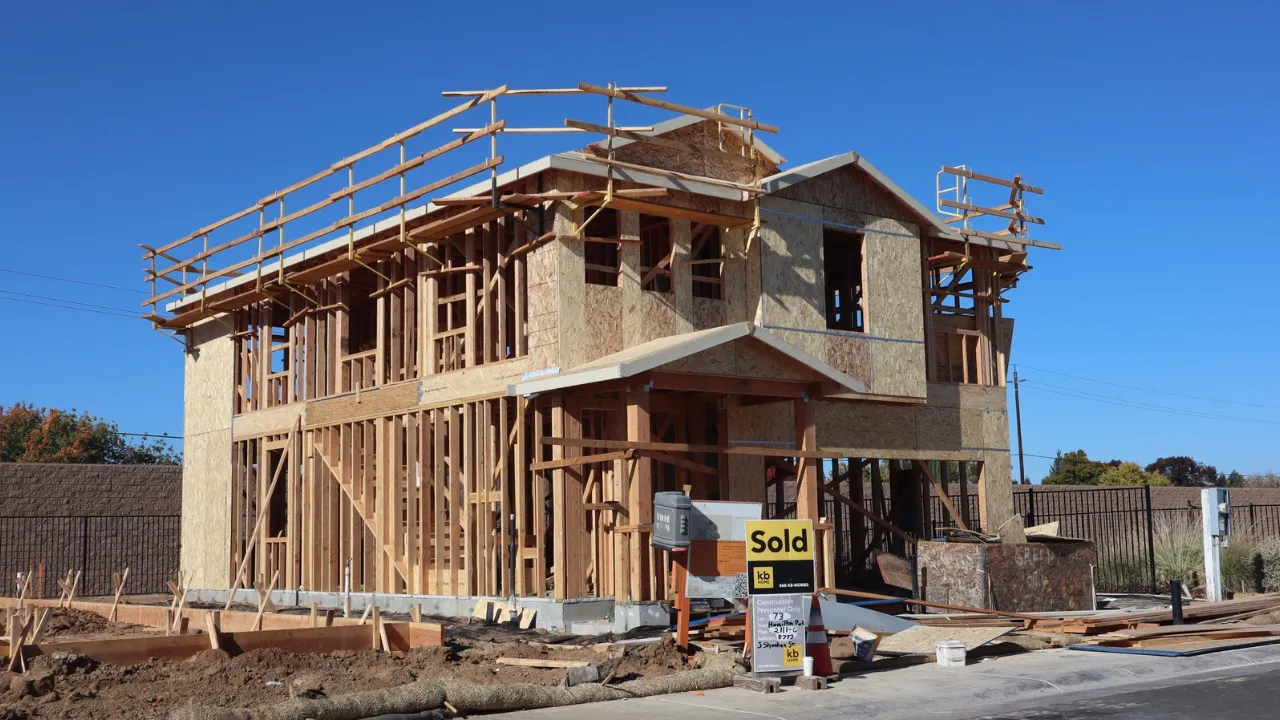
Instead, someone posing as Halla had sold the land without her permission. Trees had been cut down, the ground had been cleared, and a developer was building a house on their land.
On November 3, 2026, a Texas man pleaded guilty in a deed fraud scheme involving more than $1.5 million in property sales that attorneys have linked to the Concord transaction. Court records show that the Jarakis had tried to protect their property months before the sale went through, believing they had put an end to the matter.
Not for Sale
According to the couple’s verified civil complaint, their land went on the market in October 2023 for $699,900 without their knowledge. A developer agreed to buy it the following month for $525,000. The Jarakis believe their property was worth at least $1 million.
The first sign of trouble came in February 2024, when a certified letter arrived concerning plans to develop their land. Omar called Concord Natural Resources Director Delia Kaye on March 19 and explained that nobody had permission to sell the property or build on it. With his wife sitting beside him, he followed up with an email asking that the proceedings be canceled.
Kaye checked the property records and found that the land was registered in Halla’s name, not her husband’s. She emailed Omar to explain that she needed to hear from Halla before she could withdraw the application.
According to Halla’s testimony during a November 2025 deposition, neither spouse saw that email. She explained that her husband was retired and didn’t regularly check his inbox.
“So we thought when we told her, and we sent her the email and called her, that’s the end of the story,” Halla testified. “We didn’t expect anything more.”
Kaye, meanwhile, had spoken with a representative of the development company who suggested the owners might be trying to back out of a purchase agreement. She testified that she didn’t realize fraud was involved until the couple visited her office in August.
Third Time Through
While the Jarakis believed the matter had been settled, the sale moved forward. The transaction closed on May 13, 2024, although recording the deed proved more difficult than expected.
During a March 2026 deposition, closing attorney Alan Shocket testified that the Registry of Deeds rejected the document twice. He couldn’t remember the reason for the first rejection, but the second concerned missing information in the notarization section.
Rather than contact the notary, Shocket filled in the missing information himself. He explained that he believed the existing signature and stamp justified doing so. The deed was accepted on the third attempt, and the fraudulent seller received $496,274.35 in net proceeds from the transaction.
By the time the couple went to court in September, their once-wooded lot looked very different. A concrete foundation supported the frame of a large house, and work on the septic system and utilities was underway. A $1.8 million mortgage had also been recorded against the property.
The couple obtained a preliminary injunction on September 26, 2024, restricting access to the land and preventing further transfers of property interests. Getting their land back, however, would not undo the damage. They asked the court to cancel the disputed deed and mortgage, have the construction removed, and award them compensation.
The Jarakis argue that the attorneys and real estate professionals involved in the sale missed warning signs that could have prevented it. Those professionals maintain that they, too, were deceived by the people behind the fraudulent transaction.
Following the Money
The criminal investigation extended well beyond Concord. According to the U.S. Department of Justice, Moshe Levi of Carrollton, Texas, participated in a scheme targeting properties across Massachusetts, Georgia, Indiana, and Tennessee.
The properties had something in common: They were vacant, had no outstanding mortgages or other financial claims against them, and belonged to people living in other states.
Federal prosecutors said those behind the scheme used fake driver’s licenses and passports, email accounts, and internet-based phone numbers to impersonate property owners. The FBI has warned that criminals can obtain personal information through publicly accessible property records. Owners may never have had any contact with the people attempting to sell their land.
Levi pleaded guilty to wire fraud conspiracy and money laundering conspiracy in connection with a broader scheme involving more than $1.5 million in fraudulent property sales. His sentencing is scheduled for February 11, 2027.
Two other men, Kyon James and Bradley Beauge, were charged with money laundering conspiracy. In filings in the Concord lawsuit, attorneys representing the real estate defendants cited an FBI agent’s affidavit linking the three men to the proceeds from the sale of the Jarakis’ land.
The attorneys asked the court for permission to bring all three men into the civil lawsuit. James and Beauge remain presumed innocent, and the records reviewed do not establish whether their criminal cases have been resolved.
Paid Off, Still Vulnerable
Property owners who have spent years paying off a mortgage may not realize that owning land free and clear is among the characteristics criminals look for. Living far from a property can also make unauthorized activity harder to discover.
In September 2026, the American Land Title Association reported that 59% of surveyed title insurance firms had encountered at least one attempt at seller impersonation fraud during the previous calendar year. In its 2024 survey, that figure was 28%.
Vacant land remains the most commonly reported target, but title professionals are also reporting growing concerns about fraud involving vacation homes, rental properties, farmland, and primary residences.
One precaution may be available through your local government. The FBI recommends checking whether your county’s recording office offers a service that sends an email or text whenever a legal document is recorded in your name. These notifications won’t stop someone from attempting to sell your property, but they can help you discover unauthorized activity sooner.
Property owners should also review their title insurance policies to determine whether they cover forgery that occurs after the original purchase, including the legal expenses associated with restoring rightful ownership.
Still Waiting
More than two years after Halla called about her missing tax bill, the court records reviewed do not establish whether the family has regained clear legal title to the property or what will happen to the unfinished house.
In their October 30, 2026, response to the request to add the three criminal defendants to the lawsuit, the family’s attorneys made clear that they would not oppose the request, but they did not want it to slow down their own case.
“The Jarakis ask only that impleader not automatically delay their claims, which have been pending since 2024,” their attorneys wrote.