8 Popular Black Friday Deals for Gardening You Should Skip This Year
The “deal” sitting in your cart right now probably isn’t one. When the British consumer watchdog Which? tracked 175 Black Friday products for a full year, it found “no deals at all that were at their cheapest of the year” on the day itself.
That should give every gardener pause, because Black Friday deals for gardening are built on the same playbook. The red tags, the countdown clocks, and the “was $299” stickers are all designed to make you buy before you think. And in the garden aisle, a hasty purchase doesn’t just waste money. It can leave you with a tool you can’t legally run, a gift that sickens the family dog, or a gadget that does what a $10 alternative does better.
The timing makes this worth getting right. Black Friday lands on November 27 this year, and right now is exactly when a little planning pays off. The gear you buy this week will decide how easy your spring is, and the money you don’t waste is money for seeds, soil, and plants that actually grow.
So before you click “buy,” here are the eight garden “deals” seasoned gardeners pass over, plus the handful that are genuinely worth your money. The first one is hiding on nearly every sale page you’ll see this week.
1. Stop Trusting the “Was” Price
The biggest villain of Black Friday isn’t a product; it’s the crossed-out price beside it. NBC Chicago, reporting on WalletHub research, found that 36% of online items offered no savings at all compared with their pre-sale prices, while genuine discounts averaged around 24%. As WalletHub analyst Chip Lupo put it, “Retailers do more or less rely on people rushing in at the last minute.” Before you buy a mower, blower, or raised bed, check its price history with a free tracker. If the “sale” price matches what it cost in October, walk away.
2. Avoid That Discounted Gas Leaf Blower
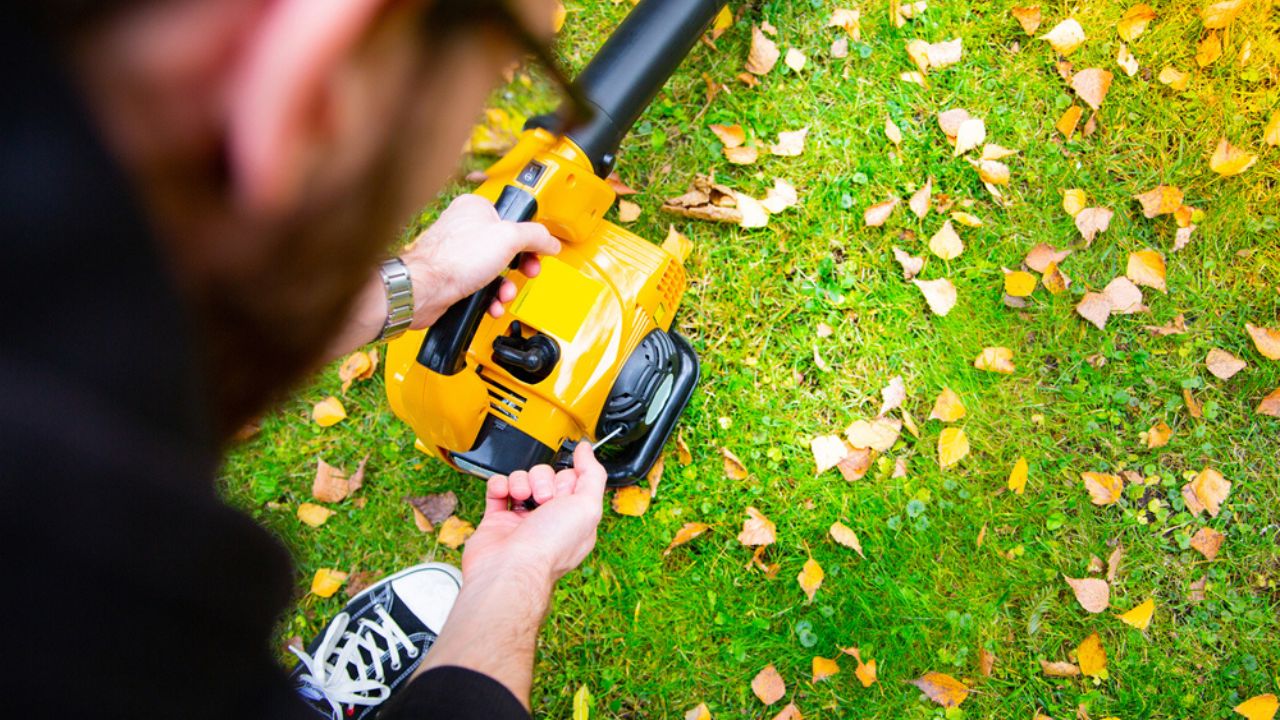
This is the one most homeowners don’t see coming. California banned the sale of new small gas engines, including leaf blowers, mowers, and string trimmers, starting January 1, 2024, according to the City of Irvine, and some cities there now ban using them outright. It isn’t just California, either. USA Today reports that “More than 200 cities, counties and local jurisdictions” have banned, restricted or discouraged gas leaf blowers. Check your town’s rules before you buy, because a bargain blower you can’t run is $0 of value. If you go battery instead, Yahoo Shopping offers a smart reminder: once you own one brand’s batteries, you’re largely locked in, so buy within the family you already have.
3. Don’t Overpay for “Special” Grow Lights

Grow lights are everywhere on Black Friday sale pages, often with premium price tags. Here’s what nursery professionals rarely advertise: for starting seeds, you don’t need them. Mississippi State University Extension says plainly that “you don’t need special grow lights,” because ordinary LED or fluorescent shop lights work just fine. The trick is keeping the light just a few inches above the seedlings and raising it as they grow. Spend the difference on seed.
4. Skip the Fancy Mail-In Soil Test Kit
Soil testing is one of the smartest things you can do for your garden, which is exactly why it gets packaged and marked up. Your state’s land-grant university almost certainly does it for less. Penn State’s Agricultural Analytical Services Lab charges $10 for a standard soil test, and so does Mississippi State Extension. At the University of Maine, “That standard soil test fee is $18,” with fertilizer recommendations from people who know your region. That’s real advice for the price of a sandwich.
5. Get Rid of the Bargain Bin Tool Set Mindset
A 10-piece tool set for $29 feels like a win until the trowel bends in clay soil. Former organic farmer Logan Hailey, writing for Epic Gardening, calls cheap hand tools a waste of money because they break after a few uses. The smarter Black Friday move is one excellent tool. Garden Gate singles out the Felco 2 pruner, with replaceable blades, as “the last pruner you’ll buy.” Your grandmother had the right idea: buy one good pair of shears and keep it for forty years. A deal on something you’ll replace in two years is just a slower way to pay full price.
6. Stop Stockpiling Seeds You Won’t Sow for Years

Seed sales are some of the best garden deals of the season, but only if you plant what you buy. According to Purdue University, seeds of corn, parsley, onion, and pansies are short-lived, “lasting only 1 or 2 years at best.” Beans, carrots, lettuce, and peas hold up longer, roughly three to five years. Buy for the season ahead, then store leftovers somewhere cool and dry; Johnny’s Selected Seeds notes that low temperature and low humidity are what keep seeds viable longest.
7. Avoid Bundles and Gadgets You Wouldn’t Buy on Their Own

Big markdowns on robot yard machines are tempting; Homes & Gardens highlights one brand offering “discounts up to $2,500” on its robotic snowblower systems. But a huge discount on a very expensive item is still a very expensive item. Bundles follow the same rule. A combo kit only saves money if you’d buy every piece anyway, and that cuts both ways: the kit Yahoo Shopping highlighted is valued at $1,606 separately and sells for $529, a true bargain for someone who needs all six tools and dead weight for someone who needs two.
The Bottom Line on Black Friday Garden Deals
The best Black Friday garden purchases are the quiet ones you’ll use in spring. Garden for Wildlife invites shoppers to “Get a head start on your spring garden” with native plant pre-orders that ship when planting season arrives, and its sale has offered up to 30% off larger orders. Discounted seed from a company you trust, one quality pruner, and gloves you’ll actually wear all belong on the list. And if you’re in your 50s or 60s and your hands ache after a long pruning session, Garden Gate points to battery-powered pruners that cut branches up to 1¼ inches with a squeeze of the trigger. That’s not a gadget; it’s another decade of comfortable gardening.
Black Friday isn’t the enemy. The rush is. As Epic Gardening’s Logan Hailey warns, “If a tool price seems too good to be true, it probably is!” Slow down, check the “was” price, check your town’s rules, and buy for the garden you’ll actually grow next year. A few careful choices before November ends will save you more than any doorbuster ever could, and your spring self will thank you.
Read More
The 7 Best Garden Items to Thrift This Fall
9 Smart Ways to Save Money in the Garden Before Fall Ends