Couple Loses Battle to Save 17 Trees and Shrubs After Neighbors Complain About Their Garden
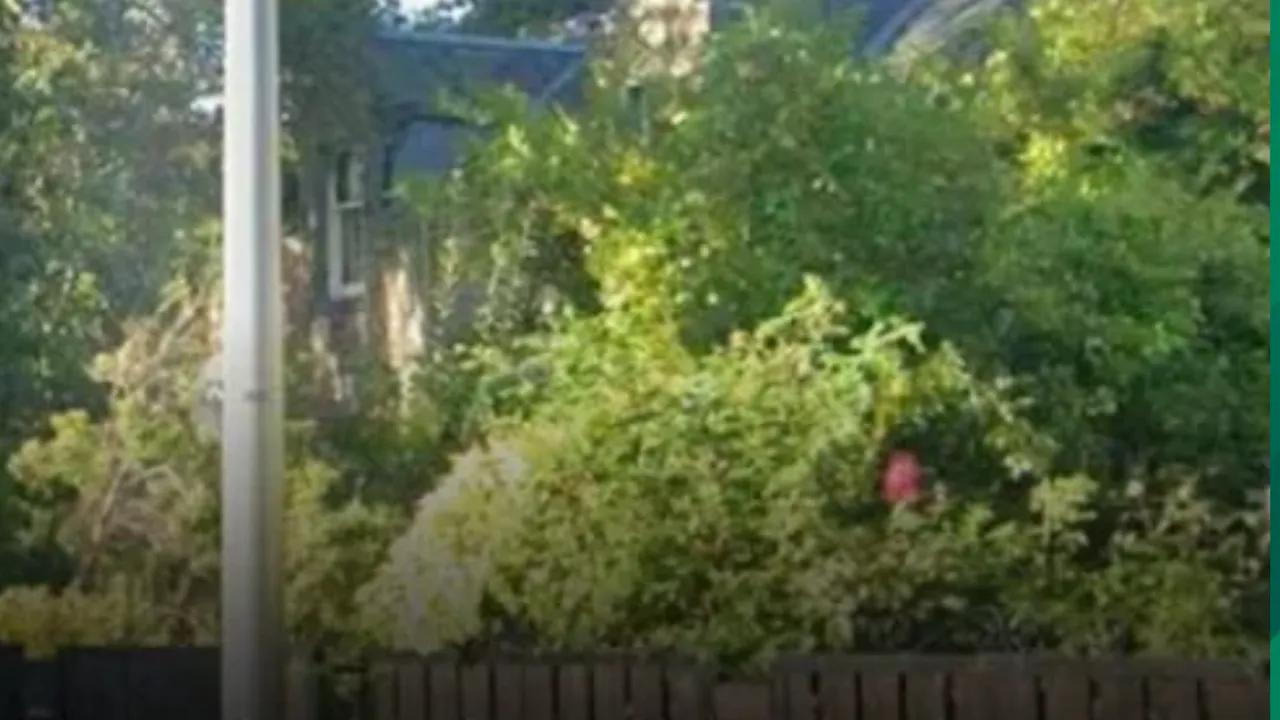
A couple in Scotland has lost a battle over their garden after arguing that the 17 trees and shrubs along their property boundary weren’t actually a hedge. Their neighbors had complained that the dense greenery blocked their view of the sky and dropped branches, leaves, and berries into their garden.
Professor Angus Macdonald and Dr Patricia Macdonald wanted to preserve the planting, which they said supported dozens of bird and butterfly species. They also believed it contributed to the appearance of their neighborhood in Musselburgh, a town east of Edinburgh.
But East Lothian Council saw a problem with the growing boundary. After receiving complaints from the neighboring property, the council issued a formal notice requiring the plants to be cut back. The Macdonalds appealed to Scottish ministers, arguing that the greenery had been incorrectly classified as a hedge.
Their appeal was unsuccessful. A Scottish government reporter concluded that the planting met the legal definition of a high hedge and interfered with their neighbors’ enjoyment of their property. The couple must now reduce much of the greenery to a maximum height of 2.5 meters, or about eight feet.
When Trees Become a Hedge
Embedded media follows; please allow a moment to load.
According to reporting by Marie Sharp of the Local Democracy Reporting Service, the disagreement centered on a garden boundary in Ashgrove, within the Musselburgh Conservation Area.
The Macdonalds maintained that their planting was a collection of individual trees and shrubs rather than a hedge. That distinction matters under Scottish law, which allows neighbors to challenge certain hedges that obstruct light.
Scotland’s High Hedges Act 2013 applies to rows of two or more trees or shrubs that exceed two meters in height and form a barrier to light. However, not every collection of trees qualifies. Officials must consider whether the planting forms a hedge rather than simply a group of individual trees.
Following a visit to the gardens, the government reporter determined that the Macdonalds’ greenery met the definition. The reporter found that the planting obstructed light and prevented the neighbors from reasonably enjoying their property.
A Haven for Wildlife
The Macdonalds argued that cutting back the plants would affect far more than the appearance of their garden. They described the greenery as an important feature of the surrounding conservation area and a valuable habitat for wildlife.
In their appeal, the couple said their relatively small garden supported more than 50 species of birds, over 10 species of butterflies, and numerous bees and other pollinating insects. Those figures were provided by the homeowners rather than independently established in the reported decision.
The couple also pointed to the practical benefits of the mature vegetation. They said the trees and shrubs provided shelter from extreme weather, helped remove pollutants from the air, and reduced temperatures during summer heatwaves, including those experienced in 2026.
For the Macdonalds, preserving the planting meant protecting those benefits. The government reporter considered their arguments but concluded that the greenery could continue contributing to the area even at a reduced height.
Neighbors Wanted More Light
The neighboring homeowners had a different experience of the garden boundary. They complained that the vegetation extended over their property, dropped tree and berry debris, and blocked their view of the sky.
Scotland’s high-hedge legislation provides a way to resolve disputes when tall vegetation interferes with the reasonable enjoyment of a neighboring home. It does not automatically make hedges taller than two meters illegal.
Instead, councils must assess the effect of the planting on the affected property while considering other relevant circumstances. The Scottish government’s official guidance explains how complaints are evaluated, including the impact of a hedge on natural light.
In this case, the reporter concluded that the barrier to light justified the council’s intervention. Although the Macdonalds emphasized the environmental value of their garden, those arguments did not overturn the finding that the hedge adversely affected the neighboring property.
Two Trees Will Stay
The ruling does not require the couple to remove every tree along the boundary. The notice calls for the hedge to be reduced to no more than 2.5 meters, approximately eight feet and two inches, and maintained at that height.
An ash tree and a willow tree at opposite ends of the boundary wall were specifically excluded from the required work. The council determined that neither needed trimming as part of the notice.
The case also prompted a debate on BBC Scotland News’ Facebook page, where readers disagreed over the balance between property rights and neighboring homeowners’ access to light. Some defended the couple’s natural-looking garden, while others supported the council’s decision.
One commenter described the outcome as a “Correct and straightforward decision.” Another favored the wooded appearance and argued that neighbors should have less influence over how homeowners maintain their gardens.
The Scottish government’s appeal decision was issued on November 10, 2026. Although the order to reduce the hedge was upheld, the reporter extended the compliance period so the required cutting could take place outside the bird nesting season.