Florida Dengue Cases Reach 651, Experts Warn About Mosquitoes Breeding in Backyards
Florida homeowners may have more to worry about than weeds and pests hiding in their gardens. A growing dengue outbreak has brought new attention to the small pools of standing water where disease-carrying mosquitoes can breed, including places people might overlook during routine yard maintenance.
According to the latest Florida Department of Health surveillance figures, the state has recorded 651 locally acquired dengue cases across 12 counties in 2026. The outbreak is the largest reported in the continental United States in decades, with infections far exceeding Florida’s previous annual record of 199 cases in 2023.
The outbreak has been concentrated around Tampa Bay, with Hillsborough County accounting for 487 cases and neighboring Pinellas County reporting 116 as of November 14. Although the latest weekly figures suggest infections may be slowing, Hillsborough County has extended its local state of emergency through November 26. Health experts also warn that official case counts may underestimate the true number of infections.
For residents, the concern extends beyond neighborhoods with confirmed cases. The mosquito species responsible for much of dengue transmission can reproduce around ordinary homes, turning flowerpot saucers, clogged gutters, and forgotten outdoor containers into potential breeding sites.
Hidden Around Homes
Embedded media follows; please allow a moment to load.
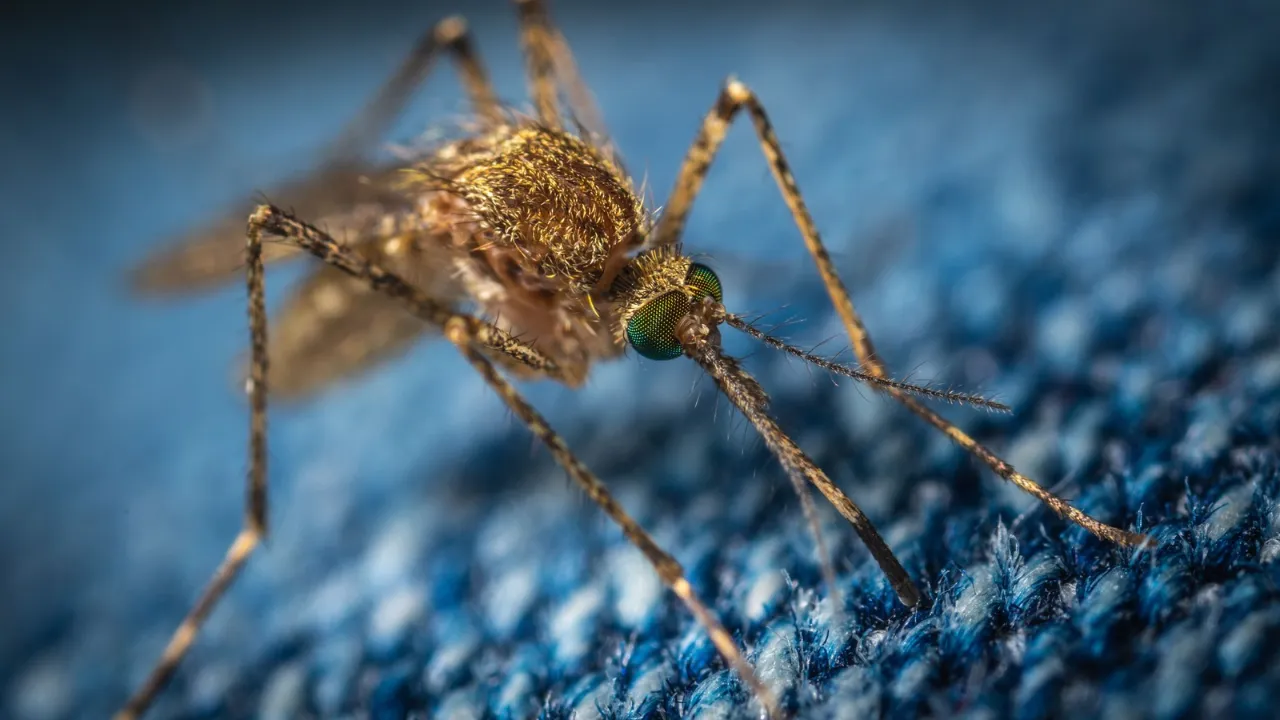
Unlike mosquitoes associated with large ponds or marshes, Aedes aegypti, a major mosquito species responsible for dengue transmission, is well adapted to living near people. It lays eggs along the inside walls of containers that collect water, making residential properties suitable places for reproduction.
Kevin Sukovich, a licensed pest control operator who owns Clermont-based Webenex, told the Clermont Sun that homeowners play an important role in controlling these mosquitoes, even when county crews are spraying public areas.
“The county can spray the streets, but this mosquito breeds in a bottle cap of water behind your grill,” Sukovich said. “Nobody owns that part. The homeowner does.”
The CDC recommends inspecting outdoor spaces at least once a week. Birdbaths, buckets, children’s toys, discarded tires, and flowerpot saucers should be emptied and scrubbed to remove mosquito eggs. Simply pouring out the water may leave eggs attached to the container.
Gardeners should pay particular attention to areas where water collects unnoticed. Rain barrels need tight-fitting covers or fine mesh screens, while gutters should be kept clear so water can drain. Water-holding plants and containers also deserve attention, especially in shaded sections of the yard.
Beyond Backyard Spraying
Removing breeding sites is an important first step, but it does not eliminate every mosquito already living around a property.
According to CDC mosquito-control guidance, adult mosquitoes can shelter in dark, humid locations, including beneath patio furniture and around garages. Targeted insecticide treatments may help control them, although products must be used according to their labels.
For water that cannot be drained or covered, the agency recommends appropriately labeled mosquito larvicides. These target immature mosquitoes before they become flying adults. Homeowners should select products intended for the particular location rather than applying pesticides indiscriminately around ornamental plants, wildlife habitats, or water features.
Personal protection matters, too. Aedes mosquitoes can bite during daylight hours, meaning gardeners are not necessarily safe just because they avoid going outside at dusk.
EPA-registered insect repellents, long sleeves, and well-maintained window screens can reduce exposure while residents work outdoors or relax on patios.
When Bites Become Serious
Dengue can cause fever, severe headaches, pain behind the eyes, muscle and joint pain, nausea, and rashes. However, not everyone who becomes infected develops noticeable symptoms.
Health experts caution that reported cases may underestimate the outbreak’s true extent because some infections cause mild symptoms or no symptoms at all. Reporting delays can also make it difficult to measure the outbreak while cases are being investigated. According to WUSF’s November 20 report, Florida recorded 27 additional locally acquired cases during the latest reporting week, down from 100 in the preceding report.
Although most people with symptomatic dengue recover, the infection can occasionally progress to severe illness involving bleeding, fluid leakage, or shock. The CDC advises seeking emergency medical care for warning signs such as persistent vomiting, severe abdominal pain, or unusual bleeding, particularly after a fever begins to subside.
There is no specific antiviral treatment for dengue. The CDC recommends rest, adequate fluids, and acetaminophen to help manage fever and pain. People who have or may have dengue should avoid aspirin and ibuprofen because these medications can increase the risk of bleeding. Anyone who suspects they have dengue should contact a healthcare professional for evaluation and guidance.
Preventing the Problem
For Florida homeowners, preventing mosquito bites begins with paying attention to the places where mosquitoes reproduce. A forgotten bucket, clogged gutter, or water-filled flowerpot saucer can provide breeding conditions even in an otherwise well-maintained yard.
With hundreds of locally acquired dengue infections already reported this year, a weekly inspection of outdoor spaces is a simple precaution worth taking. Removing standing water, maintaining screens, and using appropriate insect repellent can help reduce exposure while residents continue enjoying their gardens.