Homeowner Spots Police Drone While Grilling, Questions Why Officers Are Flying Over Private Yard
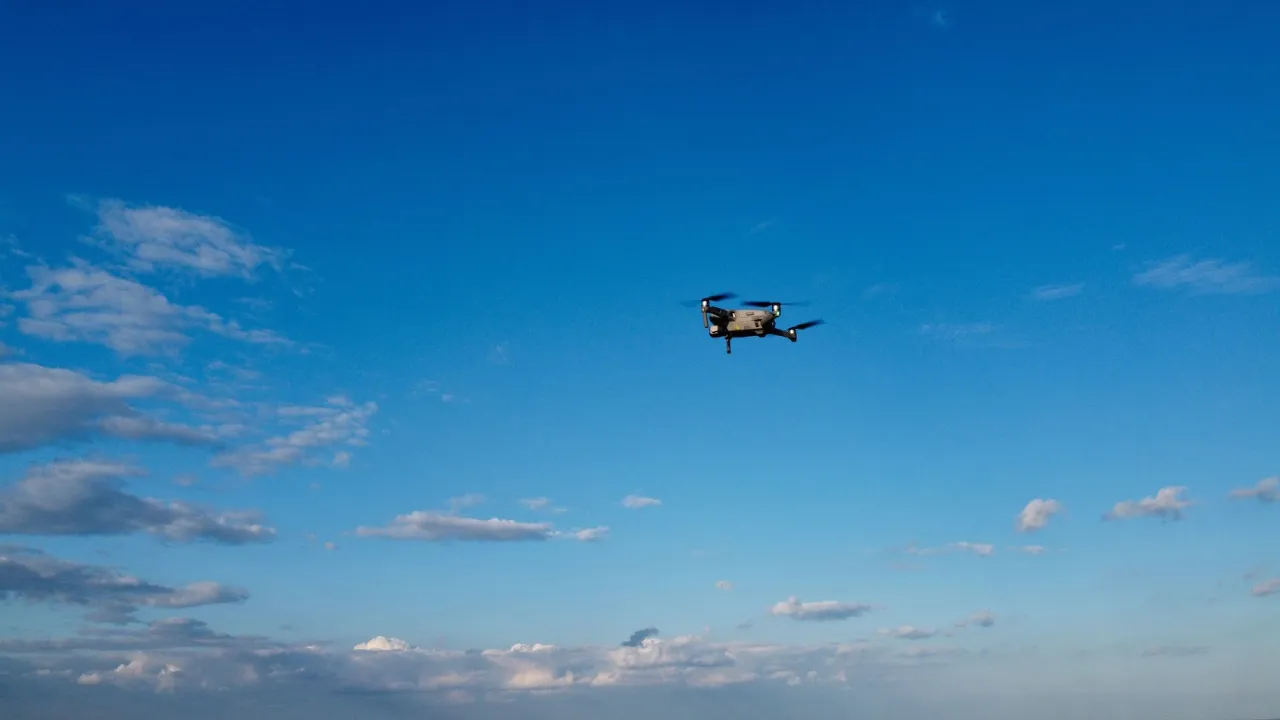
A Salt Lake City man says a police drone hovered over his backyard while he was grilling, leaving him wondering why officers would be watching him at home.
Jake Trimble described the encounter in a letter published by The Salt Lake Tribune on November 15. He said the drone flew low, stayed nearby for about 20 seconds, and then moved away.
After hearing the aircraft, Trimble walked to the front of his house. Several police vehicles were moving slowly along the street, he wrote, and the drone appeared to follow them.
The complaint comes as Salt Lake City expands its police drone program, which officers say helps them reach emergencies faster. But Trimble’s account raises questions about how the aircraft are used near private homes and what residents can do when a drone appears overhead.
Watching From Above
Trimble said he had never seen a police drone like the one that approached his home. He described red and blue lights on the aircraft and said there was no apparent emergency nearby.
In his letter to The Salt Lake Tribune, Trimble called the experience unnerving. He questioned why technology often associated with military operations was being used near people going about their daily lives.
The Salt Lake City Police Department has a different description of its drone program. According to its official website, the aircraft are meant to help officers respond to calls, locate missing people, and handle dangerous situations without putting officers or residents at unnecessary risk.
The department also makes a clear promise about privacy: “At no point will we use an unmanned aircraft for random surveillance of any private property.”
That statement does not establish why a drone was near Trimble’s home. The letter gives no exact date or address for the flight, and it does not identify the police call, if any, that led to the deployment.
Flying to Calls
Salt Lake City began its police drone program in 2022. Since then, the department has added aircraft capable of thermal imaging, using spotlights, and sending live video to officers.
Police Chief Brian Redd discussed the program’s growth in a May interview with KSL. He said drones had helped officers handle weapons calls, track suspects, and respond to a woman in danger in a parking garage.
During February, according to Redd, drones helped clear more than half of certain calls without an officer being sent to the scene. He stressed that the aircraft were dispatched for calls rather than routine patrols.
The department’s LinkedIn post embedded above shows one example. After a reported phone theft at an apartment complex, officers sent a FALCON 2 drone to locate a suspect. Police said the live video helped officers plan an arrest and recover the stolen phone.
By September, the operation had grown to five drone docking locations around the city, according to an October investigation by The Salt Lake Tribune. Detective Mike Ruff told the newspaper that pilots normally point the cameras forward during flights, rather than down into yards. He also said recording begins when officers identify a law enforcement reason to preserve video.
Where Privacy Stands
Utah has legal limits on police drone data. Under Utah Code 72-10-802, officers generally cannot obtain or use drone data without a warrant, a recognized legal exception, or another basis that does not violate a reasonable expectation of privacy.
The law does not make every flight over private property illegal. Whether police crossed a legal boundary can depend on what they observed, what information they collected, and why the aircraft was deployed.
Residents can also examine the department’s public flight dashboard. SLCPD says flights appear seven days after they occur, with an approximate location and a description of the call that prompted the flight. Additional records can be requested through the department’s records request process.
Those records could help identify what brought a drone into Trimble’s neighborhood. His published letter, however, does not provide enough information to match the encounter to a specific flight.
Privacy concerns have already reached city officials. During discussions about expanding police surveillance technology earlier this year, residents questioned the use of cameras and drones, while City Council Chair Alejandro Puy raised concerns about how information is handled and what happens when it is misused.
The department has since continued operating drones through its Real-Time Crime Center, which also brings together other police camera feeds and information. Its website states that drones will not be used for proactive patrols.