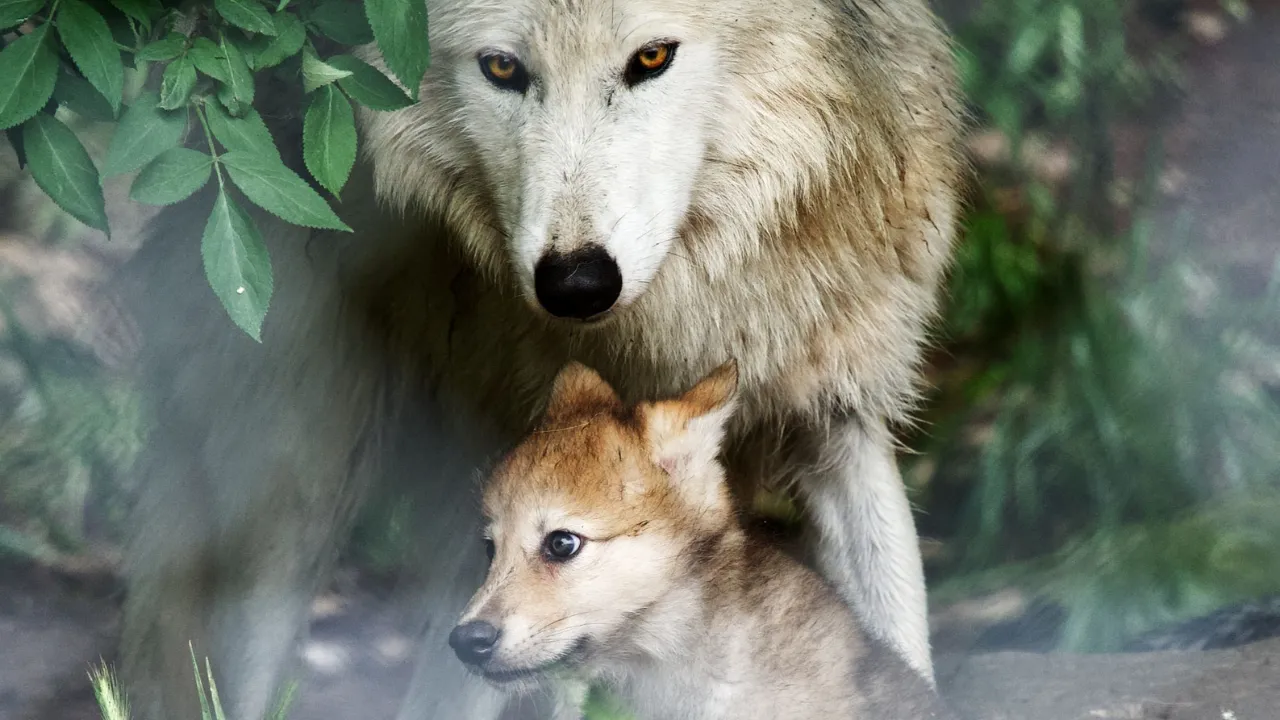
Idaho Hunters Paid $24,000 After Killing 12 Newborn Wolf Pups, Records Show
Three hunters received $24,000 in reimbursements after killing 12 newborn wolf pups in northern Idaho. State records show the animals were killed on the same day, raising questions about how the hunters managed to find so many pups that were barely old enough to leave their dens.
The killings happened on April 25, 2026, in Idaho’s northern panhandle. According to an investigation by The Guardian and Public Domain, the pups were likely between one and three weeks old. Each qualified for a $2,000 payment through a state-backed wolf control program.
Wildlife advocates are now criticizing the payments, especially because public funds help support the program. Experts also question whether the hunters used the methods listed in the state’s records.
Behind the controversy is Idaho’s long-running effort to reduce its wolf population. State officials argue that fewer wolves will help protect livestock and elk herds. But newly examined records have brought fresh attention to how far those efforts can go.
Twelve Pups, One Day
The Guardian investigation found that three hunters killed all 12 pups on April 25. Their reports listed the method as “still stalk,” which involves quietly approaching an animal before shooting it.
Carter Niemeyer, a former federal wildlife official, questioned that account. He told The Guardian that finding and shooting so many young wolves through stalking would be highly unusual.
Instead, he suspects the hunters may have found wolf dens and removed the pups. The records do not confirm that theory, and the exact circumstances of the killings remain unclear.
There were also conflicts in the paperwork. Although rifles were listed as the weapons used, at least two entries reportedly stated that no weapon was involved.
Idaho Fish and Game biologist Cory Mosby confirmed the animals were pups. Officers normally collect teeth from dead wolves to estimate their ages, but none were taken from these animals, likely because their teeth were too small.
Thousands in Payments
The hunters qualified for reimbursements through the Foundation for Wildlife Management, a nonprofit that supports efforts to reduce wolf populations.
Its program covers hunting-related expenses, including fuel, ammunition, outdoor gear, and even vehicle payments. Hunters must document eligible costs and provide state records showing that a wolf was legally killed.
The reimbursement rate for the season ending in June 2026 was $2,000 per wolf. That placed the combined payments for the 12 pups at $24,000.
A separate May 2026 Idaho Fish and Game Commission letter shows that the state authorized up to $500,000 for wolf control. Of that amount, $100,000 could support hunter and trapper reimbursements through approved agreements.
The letter does not establish whether those specific funds paid for the 12 pups. Still, it confirms that Idaho provides financial support for programs that reimburse people for legally killing wolves.
A Shrinking Population
Idaho’s wolf reduction policy was adopted years before these killings.
In May 2023, the Fish and Game Commission unanimously approved a six-year plan intended to bring the state’s wolf population toward an annual average of roughly 500 animals.
Officials cited livestock losses and concerns about elk herds. At the time, eight of Idaho’s 28 elk management zones were below population goals, with predation among the factors affecting some herds.
The state had already seen wolf numbers fall. A July 2025 commission document estimated that Idaho’s population declined from about 1,500 wolves in 2019 to roughly 1,150 in 2023.
That represents a drop of approximately 23%. Wildlife officials viewed the downward trend as progress toward their management goal.
The commission also acknowledged opposition to its policy. Roughly 2,500 public comments were submitted during the plan’s review period.
Former commission chair Don Ebert said the goal was not to eliminate wolves and that hunting pressure could be reduced as the population moved closer to the target.
Calls For Change
For wildlife advocates, the deaths of the newborn pups raise concerns that go beyond Idaho’s population targets.
Brooks Fahy, director of Predator Defense, condemned the killings and questioned why a publicly supported program would pay hunters for animals so young.
“It’s an abomination,” Fahy told The Guardian.
Former Yellowstone wolf biologist Doug Smith also warned about the effects of losing an entire litter. Wolves breed once each year, and their pups help hold family groups together. Losing them can disrupt a pack or cause it to break apart.
Despite those concerns, Idaho currently has no regulation that bans killing wolves because they are too young. Mosby confirmed that pups are not protected by a minimum-age rule.
The Foundation for Wildlife Management has since reduced its standard Idaho reimbursement rate to $1,000 for the July 2026 through June 2027 season. Higher payments remain available for qualifying kills in priority areas.
According to The Guardian, neither the foundation nor Idaho’s wolf depredation control board responded to its requests for comment about the pup killings.