Florida Billionaire Lawyer Says 23 Employees Quit After He Put Cameras on Remote Workers
Billionaire attorney John Morgan has a simple rule for employees who want to work from home: They can stay home, but the company gets to watch them. When his law firm introduced that policy, he says 23 workers quit within the first week.
Morgan doesn’t seem bothered by the departures. In fact, he believes the resignations prove his point about people who want the freedom of remote work without being held accountable for what they do all day.
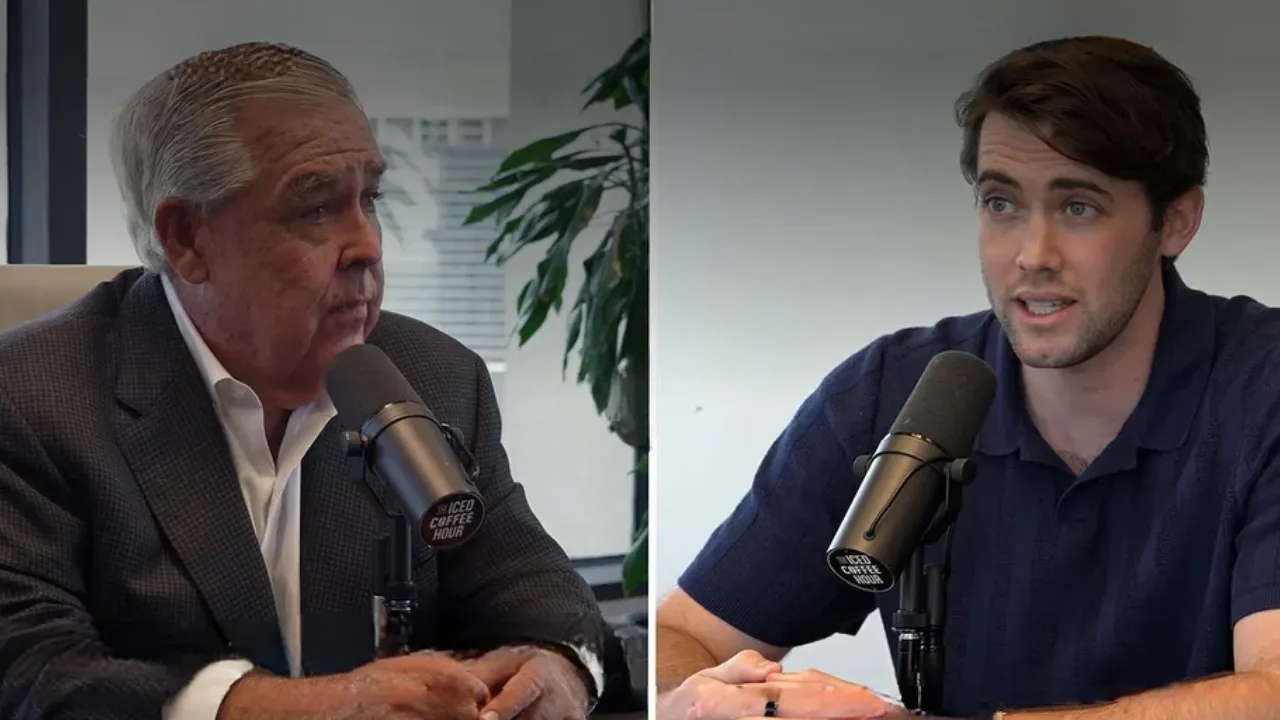
The Florida attorney, who founded the nationwide personal injury firm Morgan & Morgan, explained his approach during an August 27 appearance on The Iced Coffee Hour podcast. His comments included a blunt warning about cameras and a few choice words for employees who disliked the new rules.
At the center of the dispute is a monitoring system that tracks workers through their computers. Morgan sees it as a way to make sure people are earning their paychecks. Critics see a company watching employees inside their own homes.
Smile For The Camera
Embedded media follows; please allow a moment to load.
Morgan said the trouble began when employees resisted returning to the office. Rather than demand that everyone come back, he offered another option. They could continue working remotely, provided they accepted closer supervision.
The billionaire didn’t bother dressing up the message. He recalled telling employees the firm would put a camera on their computers, then added that it would be like putting a camera “up your ass.”
Morgan insisted the company wouldn’t sit around watching ordinary video feeds of its employees. He said the camera image would be reduced to a pixel.
That assurance apparently wasn’t enough for everyone. Morgan said 23 people quit in the first week, and he took their departures as a sign that they didn’t want to work.
The employees who stayed faced more than cameras. Morgan described a system that measures keystrokes and gives workers a productivity score.
He called the scoring system incredible, although he did not explain how it weighs different kinds of work or how the scores affect an employee’s standing.
Who’s Really Lazy?
Morgan’s view is that people who do their jobs shouldn’t have a problem with being watched. He made it clear that employees unhappy with the policy weren’t getting much sympathy from him.
But leaving a job over camera monitoring doesn’t necessarily mean someone was avoiding work. It could also mean they weren’t comfortable giving their employer that kind of access to their home.
The distinction matters because keystrokes alone cannot measure every part of someone’s job. Reading documents, reviewing a case, or thinking through a difficult problem may involve little typing, even when the employee is working.
The issue has also sparked public criticism. As Inc. reported, Morgan’s remarks became part of a wider debate about employee surveillance and the limits of remote-work monitoring.
No Apologies Here
Morgan had already defended the policy during an August 1 appearance on the Success Story podcast.
In that interview, he discussed employees who called the monitoring invasive. He rejected their complaint, arguing that the workers who objected simply didn’t want to be held accountable.
Still, Morgan acknowledged that some people can be trusted to work from home. He just believes there aren’t many of them.
His firm employs roughly 5,000 people, including more than 1,100 attorneys, according to Morgan & Morgan’s employment website.
As for the 23 workers who resigned, their individual reasons for leaving have not been independently established. Morgan has shared his interpretation of their departures in two podcast interviews, but the employees themselves have not been heard from in either account.