Tropic’s Gene-Edited Bananas Get Major Approval, but Consumer Acceptance Remains a Hurdle
People living in certain places may see something new in the produce section. Tropic has announced that it has received approval to sell its non-browning banana in two countries, expanding access to the fruit.
The announcement was made April 10, 2026, and explained how the agricultural biotechnology company had received approval to sell these gene-edited bananas in Japan and Brazil. Additionally, the company was given permission to grow the bananas in Brazil, which is one of the world’s largest markets for growing and consuming the fruit.
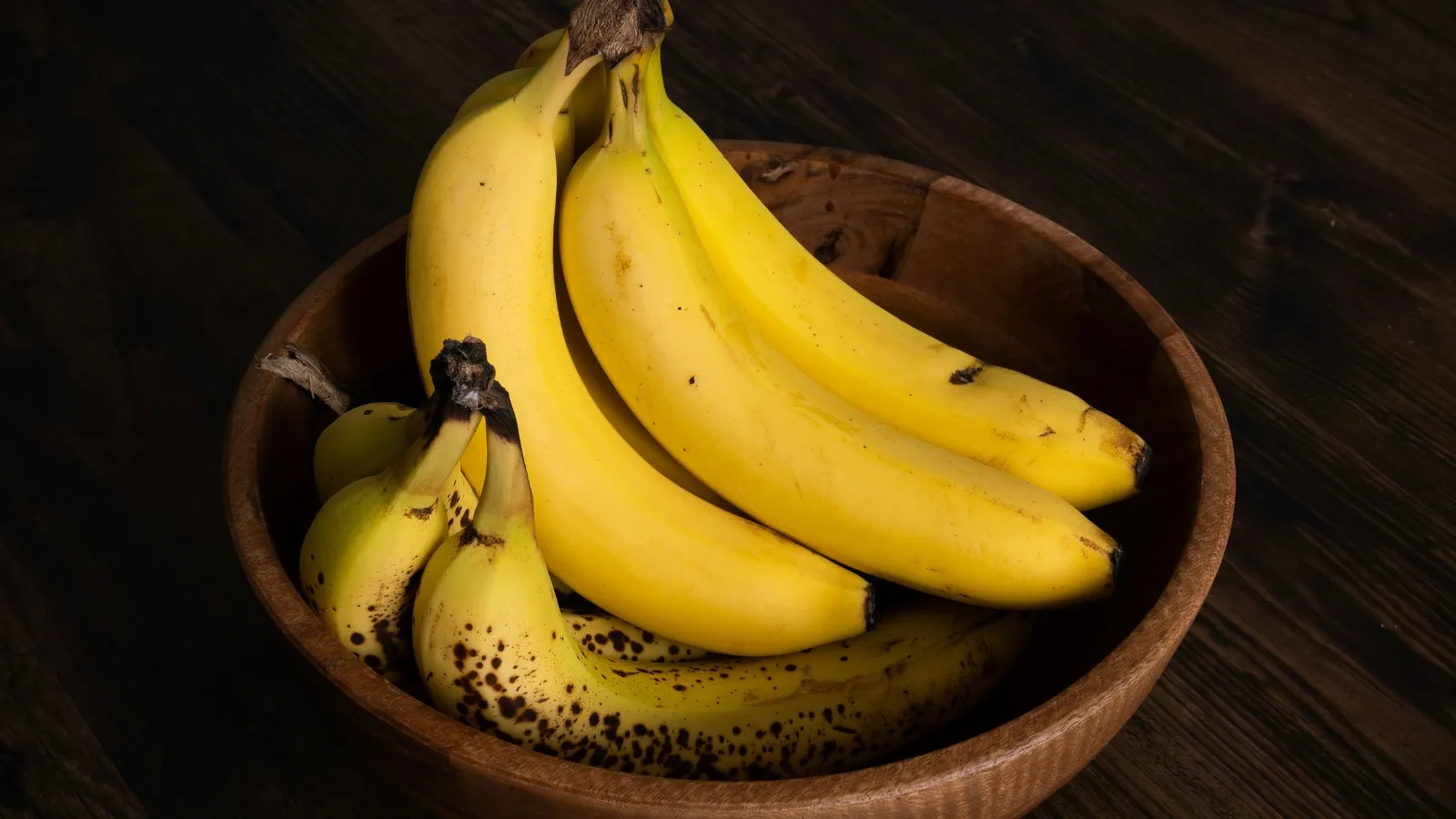
According to Tropic, the bananas will stay firm and yellow after they have been peeled and sliced, allowing them to be used in more fresh food options, including fruit salads, desserts, and more. The company says that the banana has a similar taste to the Cavendish banana.
However, the company may have to face hurdles beyond government approval before the banana becomes a success. That’s because some people report that they still have concerns about consuming gene-edited foods.
Tropic’s Non-Browning Banana is the First of Its Kind
In the announcement about the fruit’s approval, Tropic called the news a breakthrough after years of scientific development.
“These approvals represent a major step forward in bringing innovative, waste‑reducing produce to consumers worldwide,” Gilad Gershon, CEO of Tropic, said in the announcement. “Japan and Brazil each play critical roles in the global fruit market, and these decisions reflect growing international confidence in new agricultural technologies designed for modern supply chains.”
While experts say that the non-browning bananas could be revolutionary, especially when it comes to food waste, shoppers may be hesitant to add them to their carts.
People Aren’t Sure About Gene-Edited Foods
Springer Nature published the results of a survey about gene-edited bananas, surveying 1,309 people across the Philippines, Japan, and China. According to the results, 70 percent of the respondents from the Philippines and nearly three-quarters of the people in China said that they were likely to eat the gene-edited food.
However, 65 percent of the respondents from Japan felt differently and said they would probably or definitely not want to consume the fruit. Their reasoning mostly revolved around the safety of genetically modified foods and potential safety issues.
That being said, when the respondents in Japan were told about the potential environmental benefits, many of them changed their minds and said that they would be willing to give the food a try.
As for gene-edited bananas in the U.S., the jury is still out. While Tropic said that it plans to tap into the U.S. market soon, there’s no definitive timeline on when it expects to have approval.