Your Winter Cover Crop Guide: 7 Mistakes to Stop Making Before Fall Ends
The cheapest soil improvement you will ever make can also become the most expensive weed you ever plant, and late fall is when most gardeners find out which one they bought.
Cover crops sound foolproof: scatter seed, walk away, wake up to richer soil in spring. But towards the end of fall, the window for most of them has quietly closed. In her widely used timing guide, Pam Dawling of Sustainable Market Farming explains that once you are three to four weeks past your average first frost, winter rye is the only cover crop still worth sowing, and that a delay of just two weeks can seriously reduce a cover crop’s effectiveness. Choose wrong now, and you get seed that never establishes, rye you cannot kill, or a weed problem that follows you into next summer. Buy the wrong bag, and you could even be planting a weed several states prohibit outright.
The stakes are real, and so is the payoff. Gardeners have grown “green manure” for a very long time; Bootstrap Farmer points to Chinese manuscripts suggesting the practice is more than 3,000 years old, and notes it was common in ancient Greece and Rome too. Even your great-grandparents understood what modern gardeners forget: bare winter soil is the villain. It washes away, leaches nutrients, and hands next spring’s weeds an open invitation. A cover crop sown correctly does the opposite, for a few dollars of seed.
If you have been gardening for 20 or 30 years, you have probably tried cover crops at least once and wondered whether the hassle paid off. The difference almost always comes down to a handful of avoidable mistakes. Here are the seven that cost home gardeners the most, starting with the one people make every single year.
1. Stop Shopping for Vetch and Clover in Late Fall
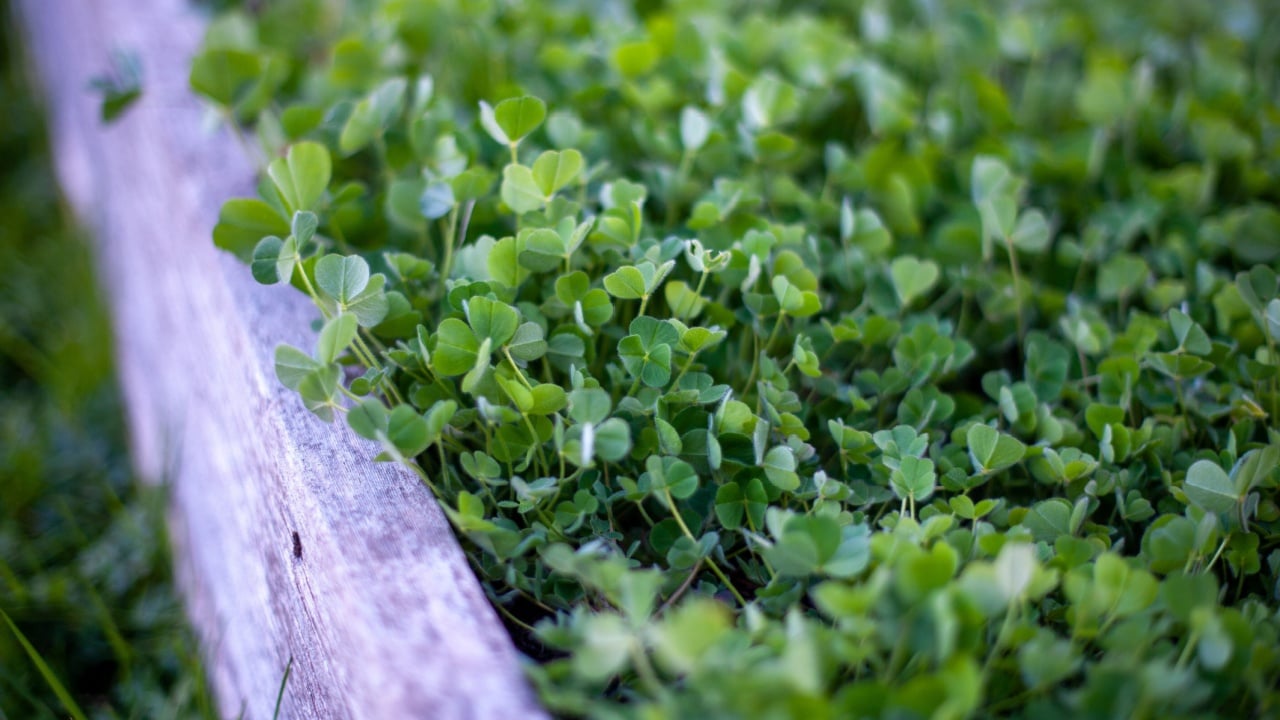
Legumes are the cover crops everyone wants, because they pull nitrogen from the air. They also need the most lead time. The UMass New England Vegetable Management Guide recommends sowing hairy vetch with a rye nurse crop from mid-August to mid-September, and Dawling notes that by 10 days past your frost date, it is already too late for clovers. Legume seed sown now is mostly money scattered on bare ground.
Right now, in late fall, the smart move is winter rye. University of Minnesota Extension says cereal rye is the most popular choice in that state because it germinates in cool temperatures and grows fast in spring. Dawling’s advice for anyone hesitating is refreshingly blunt: “any is better than none.” Once you are more than a month past your first frost, though, she advises leaving existing weeds in place rather than tilling bare ground.
2. Don’t Plant Rye in Beds You Need Early

Rye is tough, and that is exactly the problem in a bed you want for April peas or lettuce. According to Johnny’s Selected Seeds, “the primary consideration is spring management.” Rye survives winter, surges back in spring, and needs time to be cut and broken down before anything else goes in.
Dawling’s rule of thumb works beautifully at backyard scale: give rye beds to crops planted after late April, such as tomatoes, peppers, winter squash, and sweet potatoes. For beds you need early, skip the rye and tuck them in under a free blanket of shredded fall leaves instead.
3. Stop Sowing Small Seeds Right After You Turn Rye Under
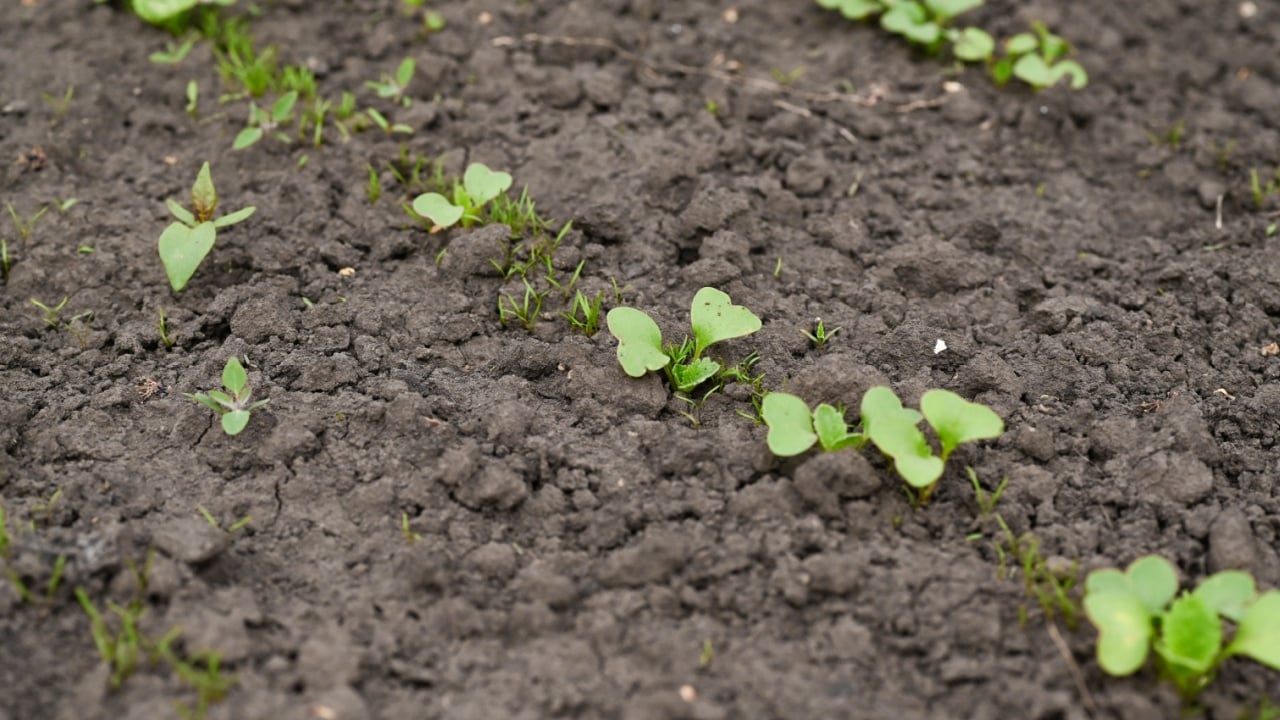
Rye releases natural compounds that suppress germinating seeds, and they do not distinguish between weeds and your carrots. As Michigan State University Extension puts it, “if a cover crop residue can kill weeds, they can also kill crops.” MSU’s research found that rye, oilseed radish, and other brassica cover crops can cause total stand loss in many vegetables seeded less than 10 days after the cover crop is worked in.
Direct-seeded, small-seeded crops such as lettuce and carrots are the most vulnerable, while transplants hold up better. A separate MSU Extension guide for home gardeners recommends terminating rye at least 30 days before planting. Count backward from your spring planting date now, while you still remember.
4. Never Let Your Cover Crop Go to Seed
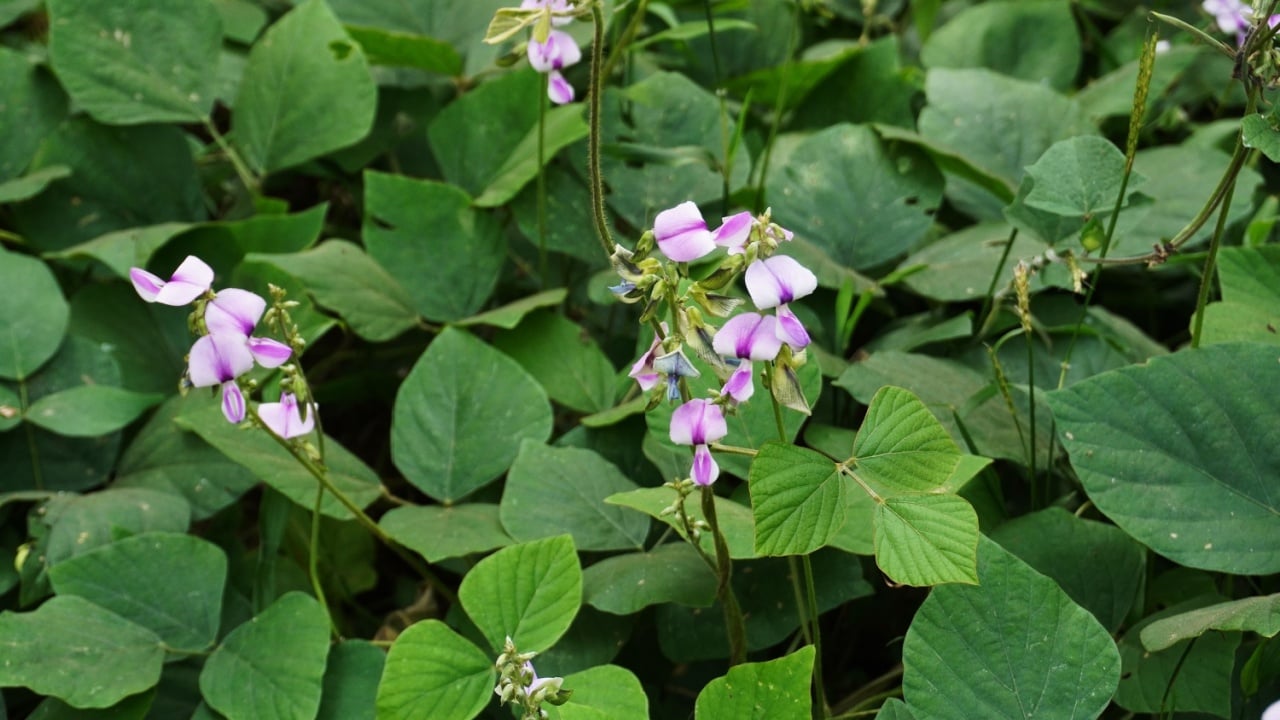
A cover crop you cannot kill on schedule is just a weed you paid for. Rye that heads up in late spring can drop seed across your beds, and hairy vetch is worse. The UMass guide is direct: “Take caution to always terminate hairy vetch before setting seed.” Nebraska’s invasive species program lists hairy vetch as invasive, noting it can sprawl up to 12 feet and that its seeds can remain viable for more than five years.
That matters beyond your own fence. Volunteers do not respect property lines, and Bootstrap Farmer warns that annual ryegrass left to seed in Zone 5 and warmer will readily pop up in unwanted spots around the property. Mow or cut before flowers turn into seed heads, and your neighbors will never know you tried.
5. Never Buy Mystery Seed by the Scoop
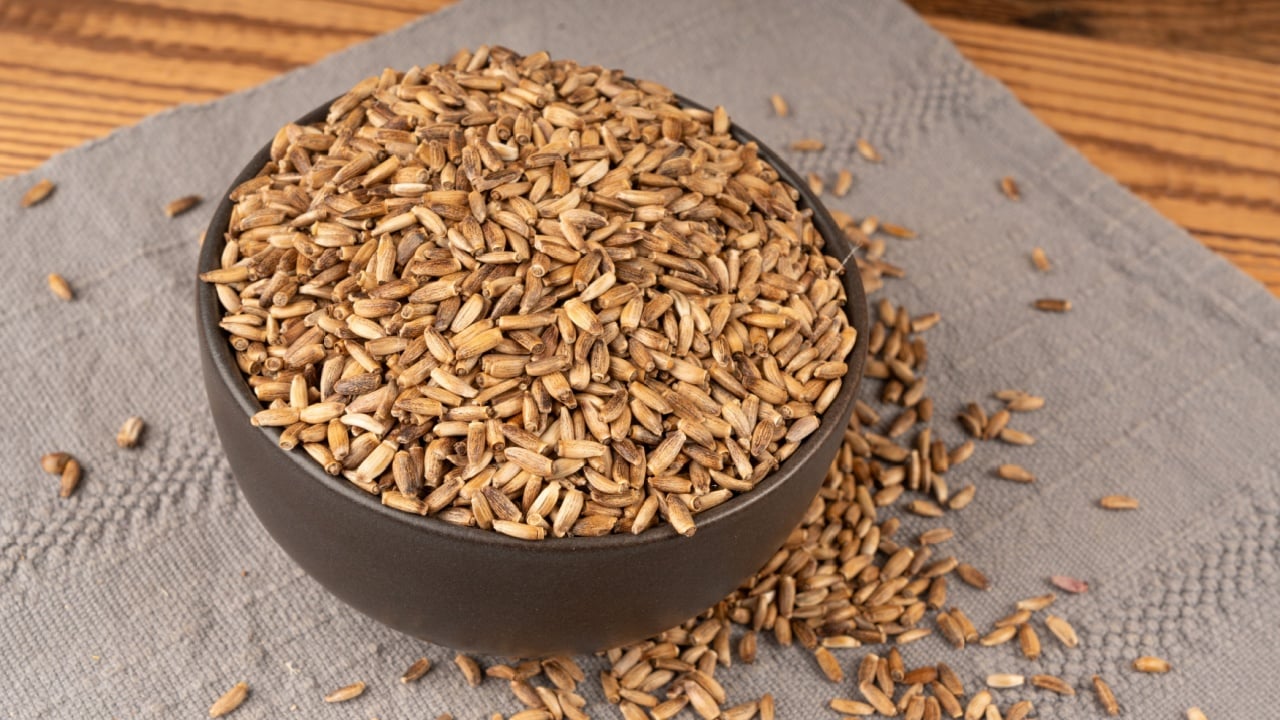
Most homeowners don’t realize cover crop seed can carry hitchhikers. In 2019, the Minnesota Department of Agriculture confirmed Palmer amaranth, an aggressive invasive weed, in a Lincoln County field planted with contaminated cover crop seed, Farm Progress reported. Palmer amaranth is a Prohibited Weed Seed in Minnesota, Iowa, North Dakota, and Wisconsin, and the state planned to monitor the site for up to three years. The department’s seed unit supervisor said the seed had been “sold prior to all the testing being completed.”
Experienced gardeners also report finding stray grass seed in rye bought in bulk. Buy from a seed company that prints a label listing purity, germination, and weed seed content, and pass on anything scooped from an unmarked barrel.
6. Keep Vetch Away From Horses, Cattle, and Chickens
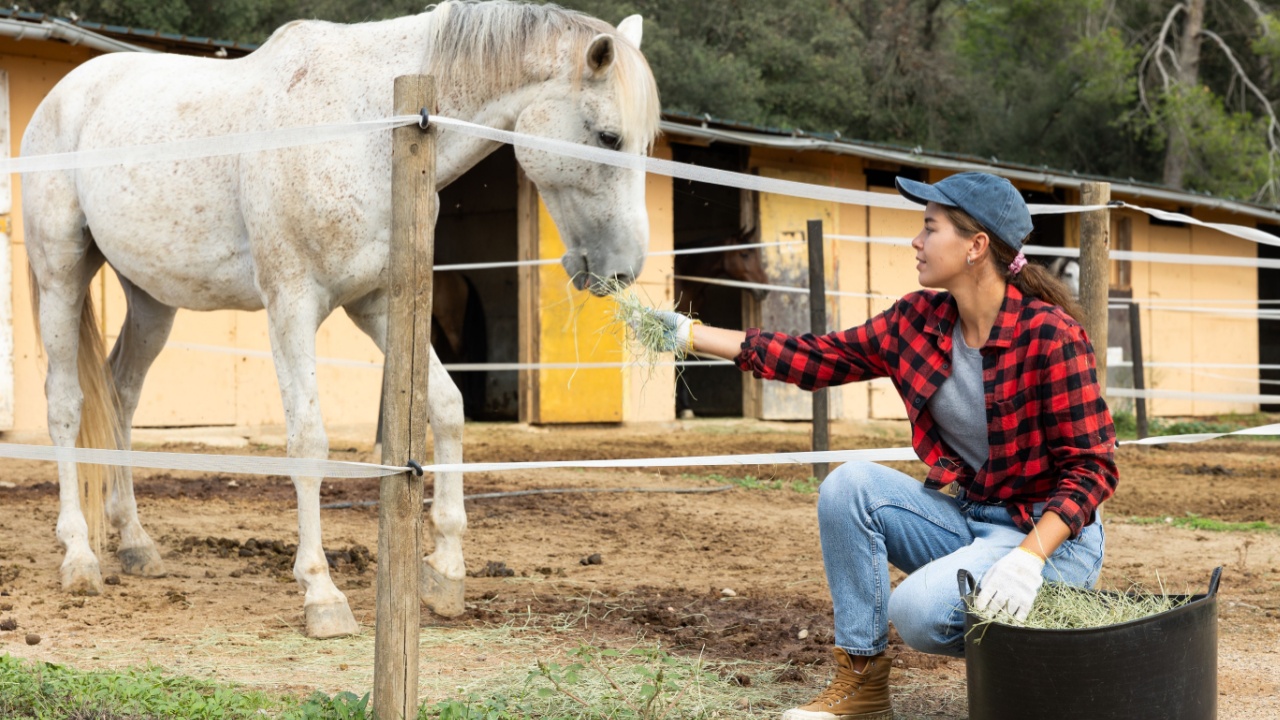
If you keep animals, hairy vetch deserves real caution. UC Agriculture and Natural Resources states plainly that “Vetch seeds are poisonous,” and warns that vetch hay can cause serious, potentially fatal health problems in horses and cows. The livestock feed database Feedipedia adds that hairy vetch seeds and plants can be poisonous to poultry as well.
Grazing animals face a second risk: Bootstrap Farmer notes that annual ryegrass can host a fungus behind a livestock disorder called ryegrass staggers. Plant vetch well away from paddocks and coops, and never let animals graze it once seed pods form.
7. Stop Planning to Dig It Under With a Shovel
Turning in a full stand of spring rye by hand is a job for a 25-year-old with nothing else to do. A writer for Gardener’s Supply Company who has done it many times in a home garden calls it “tough work,” followed by serious shovel labor. For gardeners over 50, that is a sore back waiting to happen.
There is an easier way. Bootstrap Farmer recommends cutting cover crops with a string trimmer or mower, then smothering the stubble under a silage tarp for several weeks before planting. Your knees and your soil will both be better for it.
What This Winter Cover Crop Guide Recommends Instead
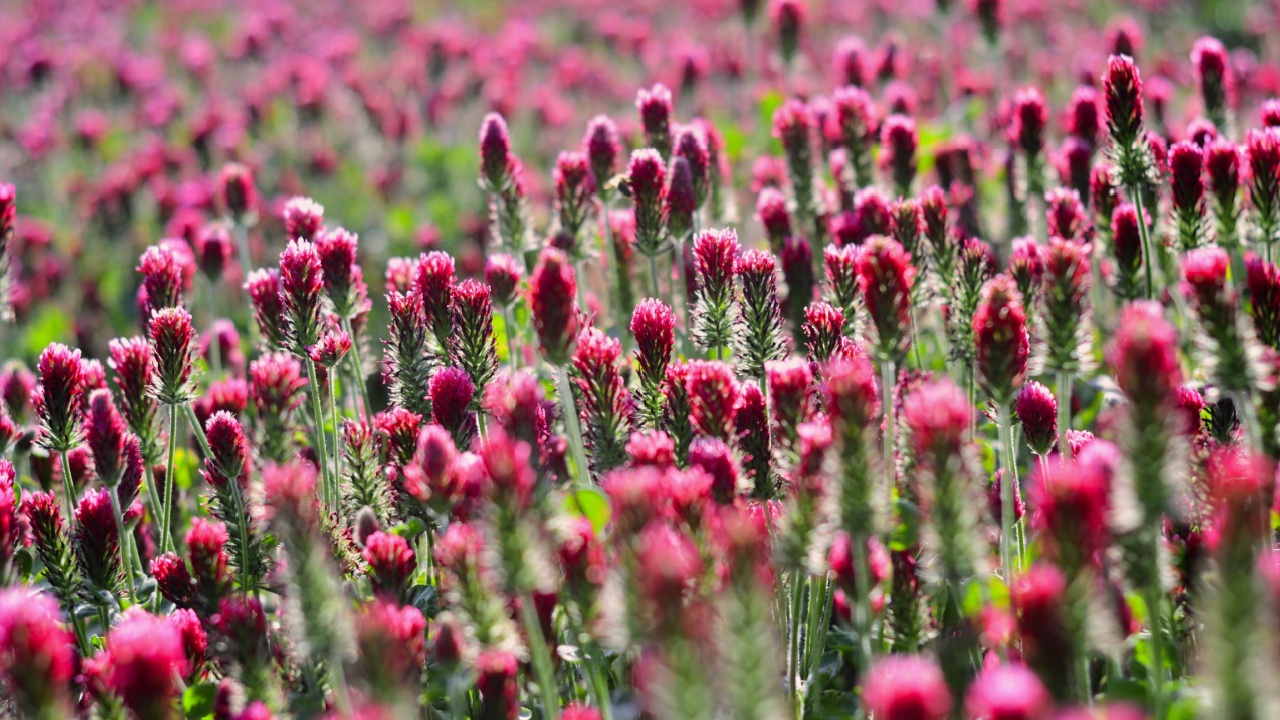
Keep it simple. This October, sow plain winter rye in beds headed for summer crops, mulch early beds with leaves, and pencil in mid-August next year for a rye and hairy vetch mix. University of Minnesota Extension advises starting with one or two species, adding that “Expensive seed mixes aren’t necessary.” The vetch costs very little: Restoration Seeds recommends about one pound per 1,000 square feet and sells five pounds for $28, which works out to under $6 for a typical backyard plot.
The payoff can be striking. After the 2012 drought, a national SARE and Conservation Technology Information Center survey of farmers, summarized by Michigan State University Extension, found that corn planted after cover crops yielded 9.6 percent more than side-by-side fields without them, and soybeans 11.6 percent more.
Bare Soil Is the Real Villain

You don’t need a perfect plan, a tractor, or a pricey blend. Even SARE, the USDA program that publishes Managing Cover Crops Profitably, reminds growers that cover crops are “not do-it-all ‘wonder crops.'” That is freeing. Pick the one crop that still fits the calendar, buy clean seed, and give it a cutting date you will actually keep.
Your grandparents never left a field naked for winter, and your garden shouldn’t sit bare either. Before fall ends, cover it.
Read More
Washing Your Lettuce Won’t Remove Cyclosporiasis, But Growing Your Own Will
Your Grandmother Stored These 8 Foods All Winter Without Canning a Single Jar