Research Finds Coral Reefs Are Being Hit Faster Than They Can Recover
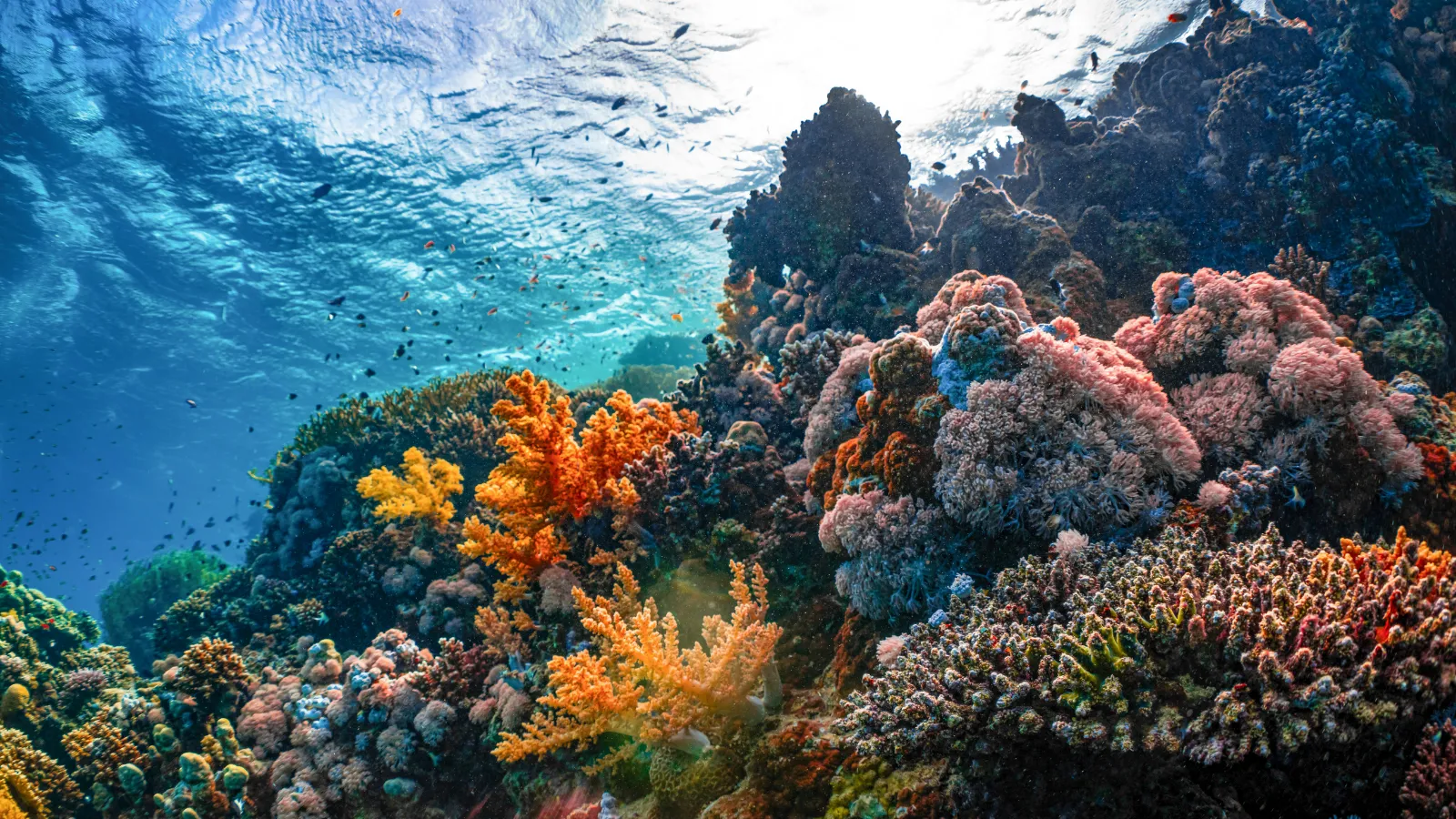
Coral reefs are among the most biologically rich ecosystems in the entire ocean, providing food and shelter for countless marine species while also supporting fisheries, tourism, and coastal communities. But when ocean temperatures climb too high, the corals themselves can become dangerously stressed.
That stress can cause a phenomenon called coral bleaching. Corals normally live alongside tiny algae that help feed them and give them much of their vivid color. During extreme heat, corals can expel those algae and turn white. Bleached coral is not necessarily dead, but it is weakened and needs time—and cooler water—to recover.
That recovery window is becoming harder to find. A global assessment from the Global Coral Reef Monitoring Network (GCRMN) published on Aug. 26 found that hard coral cover has fallen about 9.5% from historical levels. Complicating matters, increasingly frequent marine heat waves are hitting reefs before some have finished rebuilding from the last one.
The Status of Coral Reefs of the World: 2025 report analyzed 21.1 million observations from nearly 37,000 reef sites across 124 countries and territories. Lead author Manuel González Rivero said the concern is not simply how much coral has already been lost. Rather, “We’re steadily eroding the conditions they need to recover.”
What It Means For Coral To Be Bleached
Corals may look a little like colorful rocks or plants, but they are animals, as noted by the National Park Service. Tiny algae live within their tissues and provide much of the food corals need while also helping give them their color, according to NOAA.
When water becomes unusually hot, that partnership can deteriorate.
Bleaching does not automatically kill the coral. NOAA explains that corals can recover if the stressful conditions ease, but prolonged heat leaves them increasingly vulnerable to starvation, disease and death.
The trouble is that rebuilding an entire reef takes much longer than simply surviving one hot summer. Report coauthor Tracy Ainsworth told UNSW Sydney that many corals need at least five years just to mature and start reproducing, while restoring the large, decades-old corals that give reefs much of their structure can take decades.
The Next Heat Wave Is Arriving Too Soon
Major global bleaching events once occurred about a decade apart. Since 2010, the GCRMN says that gap has shrunk to about five or six years, and some reefs are now experiencing severe disturbances even more frequently.
Evidence shows reefs can recover with a sufficiently long reprieve. Global hard coral cover increased about 6% between 2017 and 2019 following an earlier bleaching event, according to the 2025 GCRMN report, only for subsequent marine heat waves to reverse those gains.
These changes to reefs have a ripple effect above the ocean’s surface too. NOAA says coral reefs support about a quarter of all marine creatures despite covering less than 1% of the ocean floor, while healthy reefs can also absorb much of the energy from waves before they reach shore. They support fisheries, tourism, coastal communities, marine biodiversity worldwide, and protection from waves and storms worldwide.
NOAA says reducing greenhouse gas emissions is critical to protecting reefs over the long term, while cutting local threats such as pollution and overfishing can give corals a better chance to survive and recover from bleaching.