Why Garlic Is the Easiest Crop to Grow in the Garden
Most garlic beds that fail aren’t ruined by pests, disease, or a brutal winter. They’re ruined in early fall by gardeners who were simply in too much of a hurry. That’s the strange truth about the crop with the easiest reputation in the vegetable garden: it rarely fails because it’s difficult, and it almost always fails because of a decision made before the first snow.
Even the people who love garlic most admit the catch. Petra Page-Mann, who has grown it in New York’s Finger Lakes for nearly three decades, writes for Cornell Small Farms that “garlic is only an easy crop if you manage it more or less perfectly.” The good news is that “perfectly” really means a handful of choices you make once, this month, and then never think about again until summer.
Those choices carry real money and real time. According to Hudson Valley Seed Company, one pound of hardneck seed garlic (listed at $26.95) plants 20 to 30 feet of row and yields about five times that amount, and Sow True Seed estimates 4 to 7 pounds of bulbs from every pound planted. Save the biggest bulbs from that harvest and next year’s seed is free. Get the fall decisions wrong, though, and you lose far more than a weekend, because as Country Living notes, garlic takes about nine months to mature.
So before you plant this October, here’s why garlic deserves its easy reputation, followed by the seven mistakes that quietly undo it. Most take less than a minute to avoid. Start with why it’s worth the trouble; then we’ll get to the mistake that begins in your own kitchen.
Why Garlic Is the Easiest Crop to Grow in the Garden
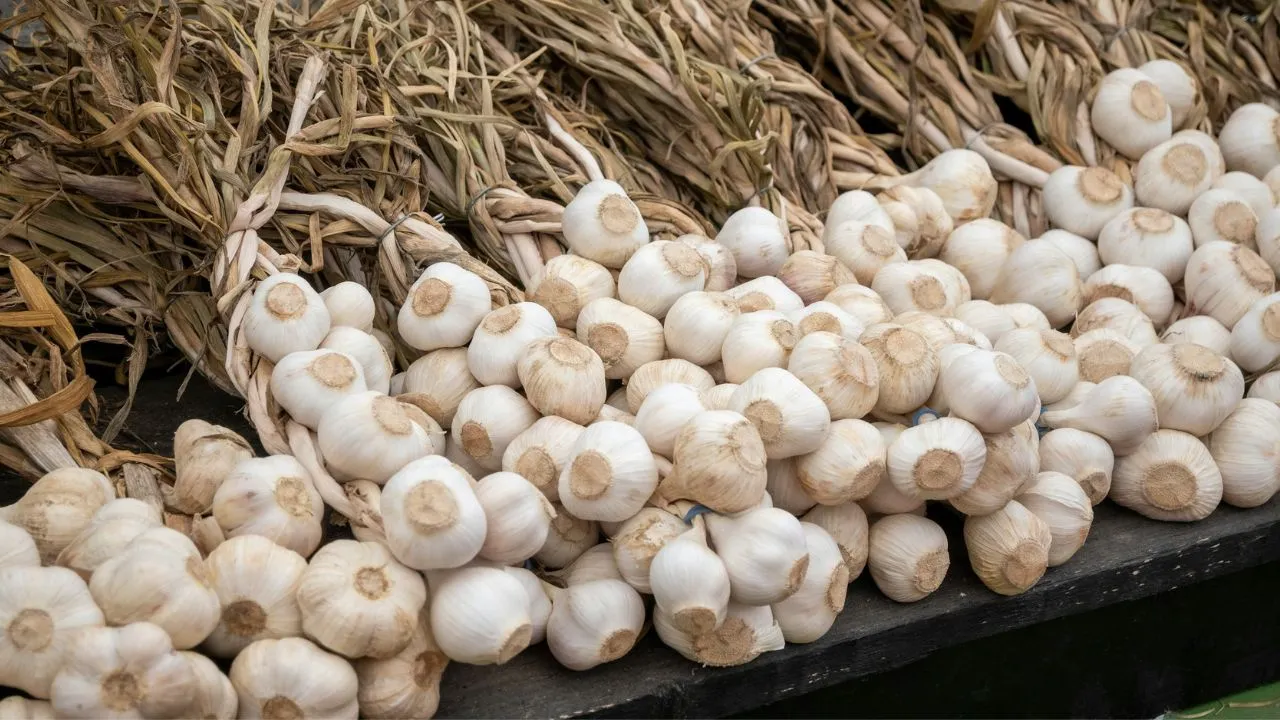
Country Living calls garlic “one of the absolute easiest crops you can grow,” and it’s hard to argue. You plant it once, mulch it once, and let winter do much of the work. There’s no seed starting under lights, no staking, and no daily watering through a July heat wave. Pests largely leave it alone; Cornell Cooperative Extension of Schoharie and Otsego Counties notes that garlic has very few pest or disease problems and even works as a natural repellent. Every clove you tuck into the soil becomes an entire bulb by summer. For gardeners who want an easy return, growing garlic may be the best return on effort the vegetable patch offers.
1. Stop Planting Grocery Store Garlic
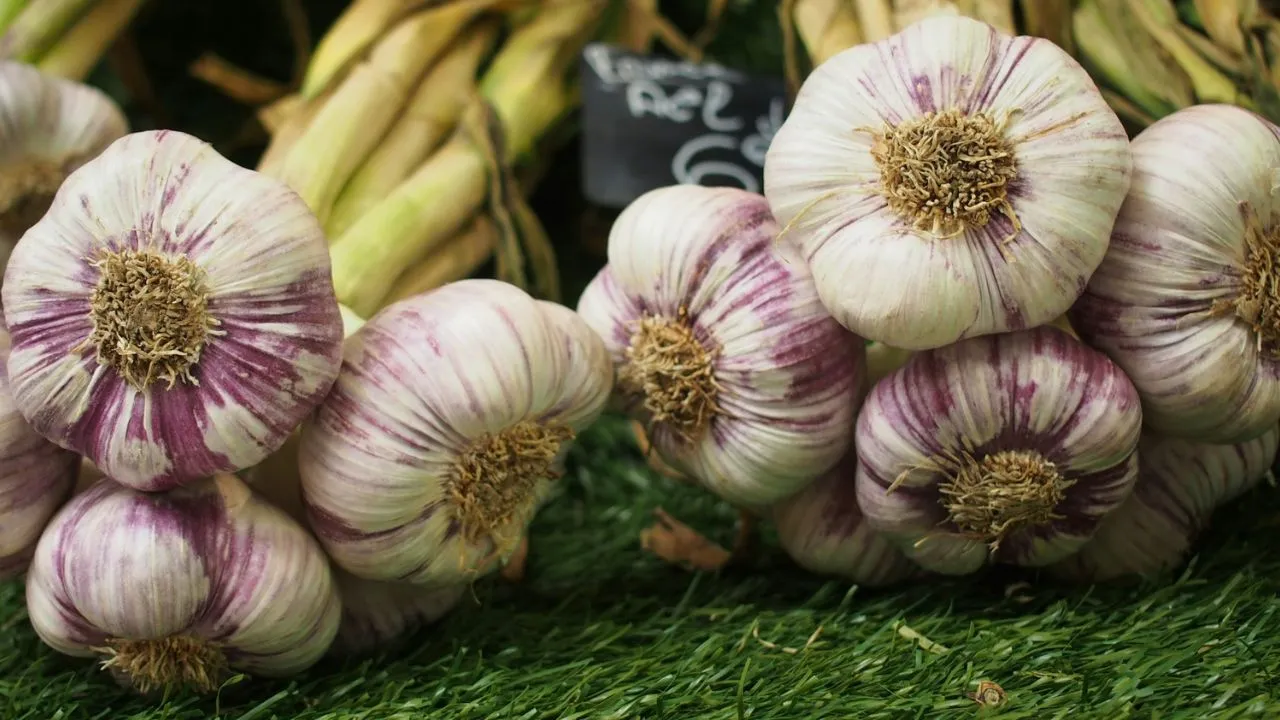
It’s tempting to push a few supermarket cloves into the bed and call it done. Resist it. Penn State Extension puts it bluntly: “Cloves purchased from grocery stores are not a good choice.” Most are treated to extend shelf life, which makes them harder to grow, and they may be varieties poorly suited to your winters. The Old Farmer’s Almanac adds that store-bought garlic may carry disease, and that’s not something you want living in your soil for years. Buy seed garlic from a local farm, nursery, or specialty grower instead. Because you can replant your own harvest, it’s essentially a one-time purchase.
2. Don’t Plant Too Early, Even When It Feels Like Fall
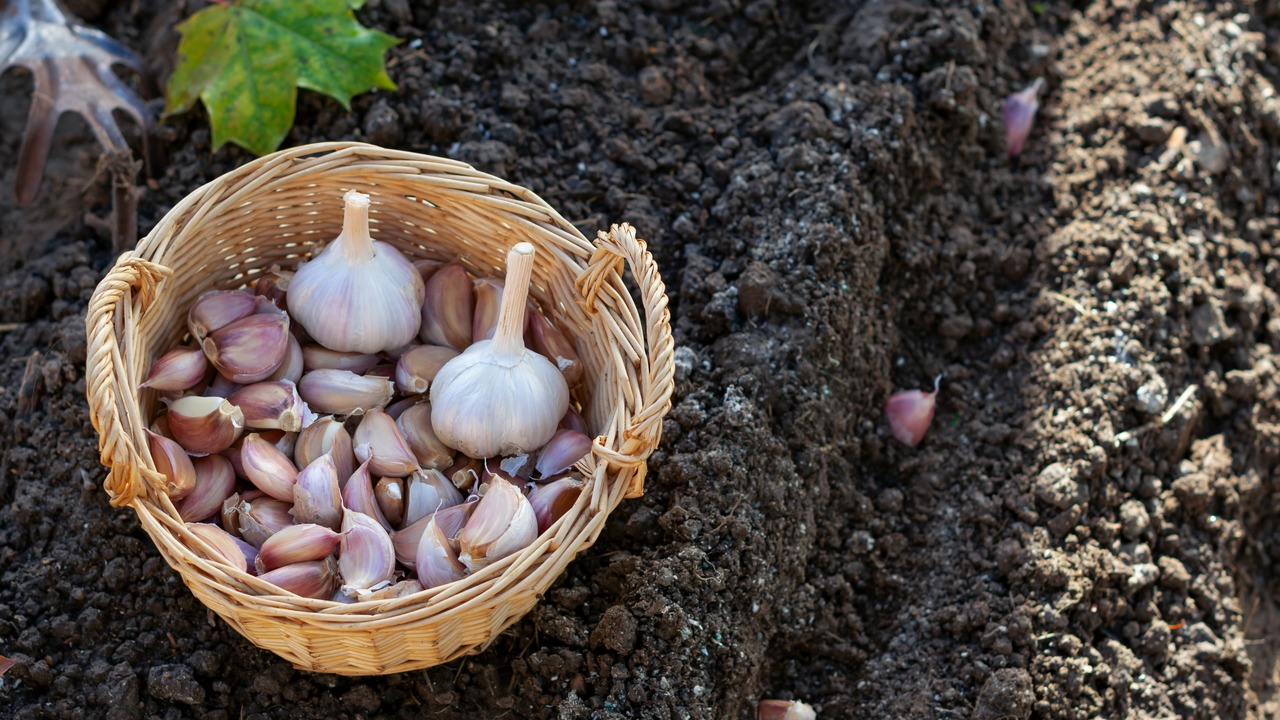
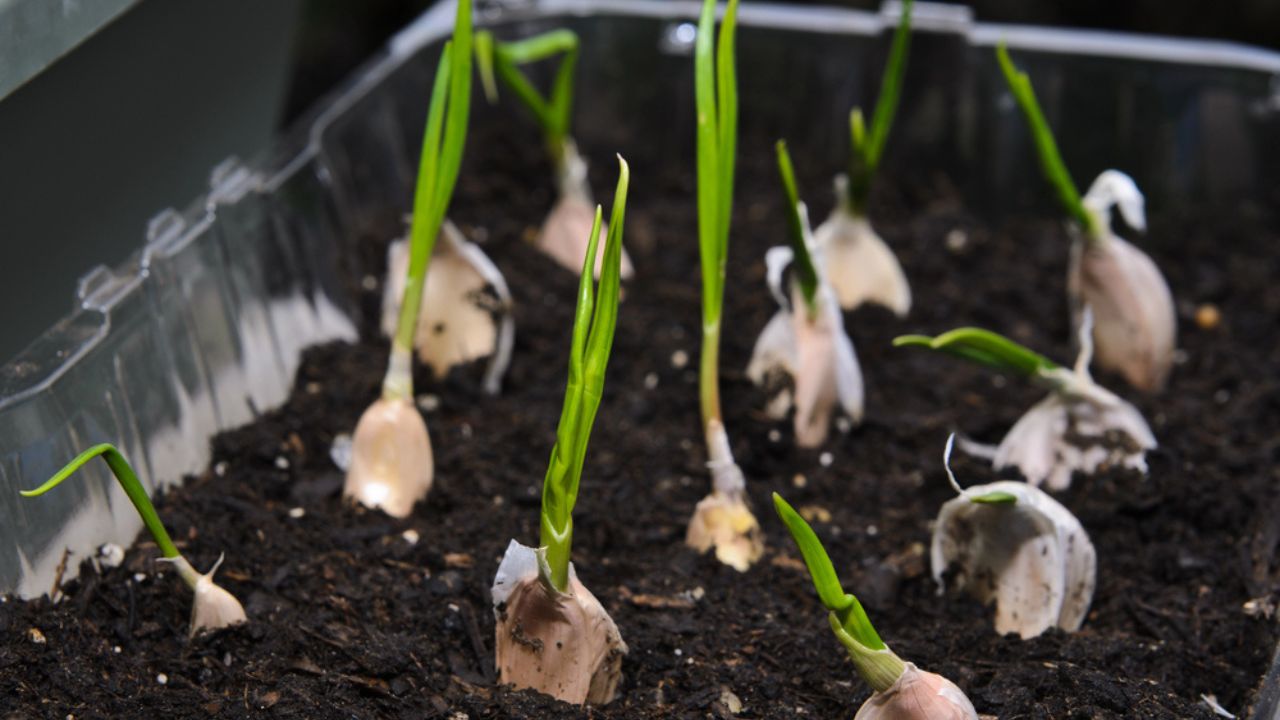
This is the big one. Meg Cowden of Seed to Fork, who has grown garlic in her zone 4 garden for more than a decade, says, “The biggest mistake I see from gardeners is planting garlic too early.” Here’s why it matters: a clove planted while the soil is still warm sends up a green shoot, and Page-Mann explains that this shoot can act like a straw all winter, drawing moisture out of the clove until it dries out and dies. The goal is roots underground and nothing green on top until spring.
So time it to your ground, not the calendar. Country Living suggests three to six weeks before your soil freezes. Page-Mann plants between Halloween and Thanksgiving, and Cowden suggests gardeners in warmer regions may not need to plant until Thanksgiving or later. If late October still feels like September where you live, wait. Garlic doesn’t punish neglect; it punishes impatience.
3. Don’t Talk Yourself Into a Spring Planting Instead
The opposite mistake costs just as much. Garlic needs a long cold spell to divide into a full bulb, which is why it goes in the ground before winter. University of Maine Cooperative Extension is clear: “Spring-planted garlic does not attain the size of fall-planted garlic.” If you truly miss the window, Fairfax Master Gardeners note that you can chill cloves in the refrigerator for at least eight weeks and plant as early in spring as possible. Treat that as a rescue plan, not a strategy.
4. Stop Planting Your Smallest Cloves

Here’s a rule worth repeating at the potting bench. According to Fairfax Master Gardeners, “The larger the clove you plant, the larger the bulb at harvest.” Sort through your seed bulbs, plant the plump cloves, and send the little ones to the kitchen, just as Penn State Extension recommends. And don’t break bulbs apart days ahead of time; the Fairfax gardeners warn that separating cloves early decreases yield, so pull them apart right at planting.
5. Don’t Plant Shallow or Skip the Mulch
Garlic spends months riding out freezes and thaws that can heave shallow cloves right out of the soil. The Old Farmer’s Almanac recommends planting each clove pointy end up, 2 inches deep and 6 inches apart, then covering the bed with 5 to 8 inches of seedless straw. Done right, the Almanac says, “Your garlic will form roots, but little or no top growth before the ground freezes solid.” In cold regions, Page-Mann suggests at least 3 inches deep under 6 inches of mulch, and that thick blanket doubles as weed control. That matters, because garlic’s shallow roots don’t compete well with weeds, as Fairfax Master Gardeners point out.
6. Avoid Soggy Soil and Last Year’s Onion Bed
Garlic sits in the ground through fall rain, winter snow, and spring melt, and Epic Gardening warns that “the rot risk increases if the soil holds onto all that moisture.” Choose a sunny spot that drains well, or build up a raised bed; Cornell Cooperative Extension recommends beds 10 to 12 inches tall in heavier soil. And rotate. Fairfax Master Gardeners advise never planting garlic where any member of the onion family has grown in the past two years, since they share the same insects and diseases.
7. Never Let Dogs or Cats Dig in the Garlic Bed
A freshly worked, fragrant bed can look like an invitation to a curious dog, and that’s a real problem. The ASPCA lists garlic as “Toxic to Dogs, Toxic to Cats, Toxic to Horses,” with signs that include vomiting, damage to red blood cells, weakness, and panting. Cover or fence the bed until the mulch settles, keep stray cloves and peels off the ground at planting time, and if you suspect your pet ate some, call your veterinarian or ASPCA Poison Control at (888) 426-4435 (a consultation fee may apply).
Prep for Next July
Before October ends, order your seed garlic, pick a sunny, well-drained spot that hasn’t grown onions lately, and line up a few bales of straw. Then watch your soil, not the calendar, and plant once cool weather has truly settled in. That’s the entire fall to-do list.
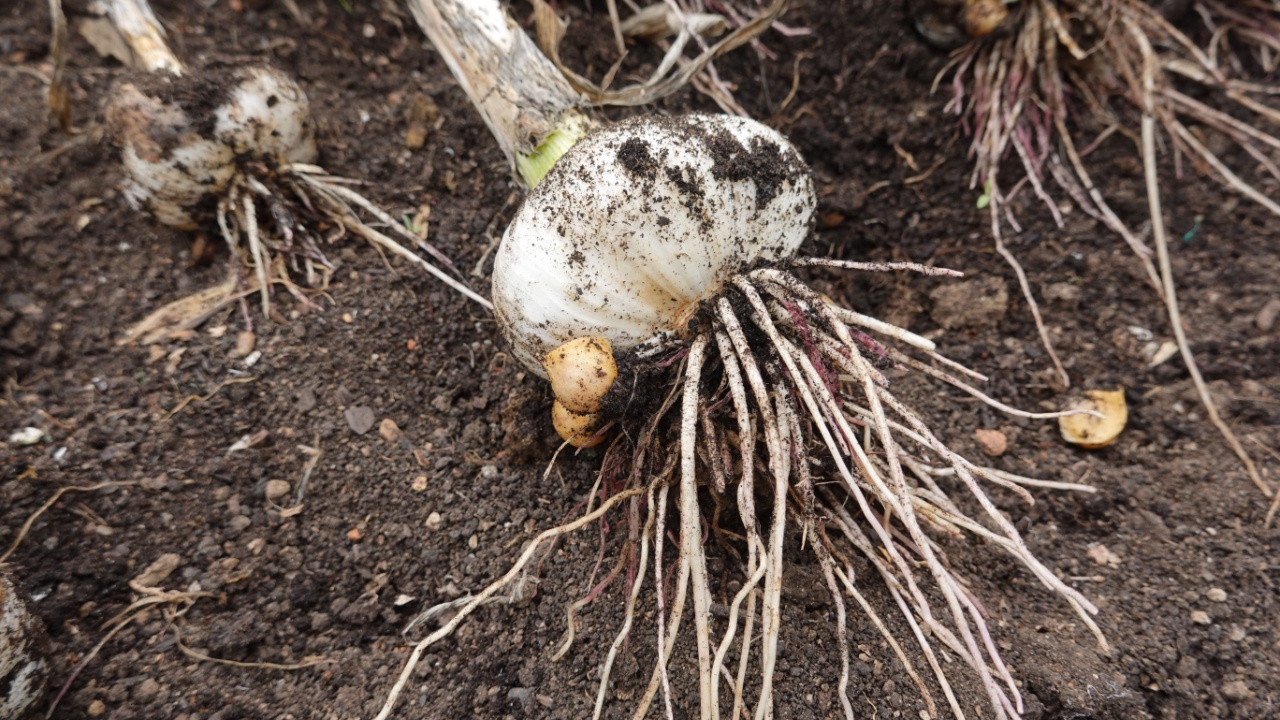
Next June, hardneck varieties will send up curly flower stalks called scapes. Snap them off and cook them, because University of Maine Cooperative Extension research found that leaving scapes on can shrink the harvested bulb by as much as 48 percent. Harvest in midsummer, and Cornell Cooperative Extension estimates that “a single 10-foot row should yield about five pounds of the fragrant bulbs.”
Then do what generations of gardeners have done: set aside your biggest, best bulbs to replant next fall. The Old Farmer’s Almanac passes along the old-timers’ belief that garlic adapts to your garden and gets better every year you replant it. That’s the quiet magic of this crop. Buy good seed once, skip a few October mistakes, and it keeps paying you back for as long as you keep a garden.
Read More
Washing Your Lettuce Won’t Remove Cyclosporiasis, But Growing Your Own Will
Your Grandmother Stored These 8 Foods All Winter Without Canning a Single Jar