7 Winter Squash Storage Mistakes That Rot Your Harvest by January
The refrigerator is where perfectly good winter squash goes to die, and so is that cool, damp corner where you keep your potatoes.
It feels backward. We are taught that storage crops want cold and humidity, so a beautiful butternut gets tucked in the crisper drawer or set on the root cellar floor beside the carrots. Then, sometime around January, a soft, weeping spot appears, and the whole squash collapses into a puddle. According to Penn State Extension, squash held below 50°F develops pitted skin and decays faster once it comes out of storage, which means the “safe” cold spot is often the very thing doing the damage.
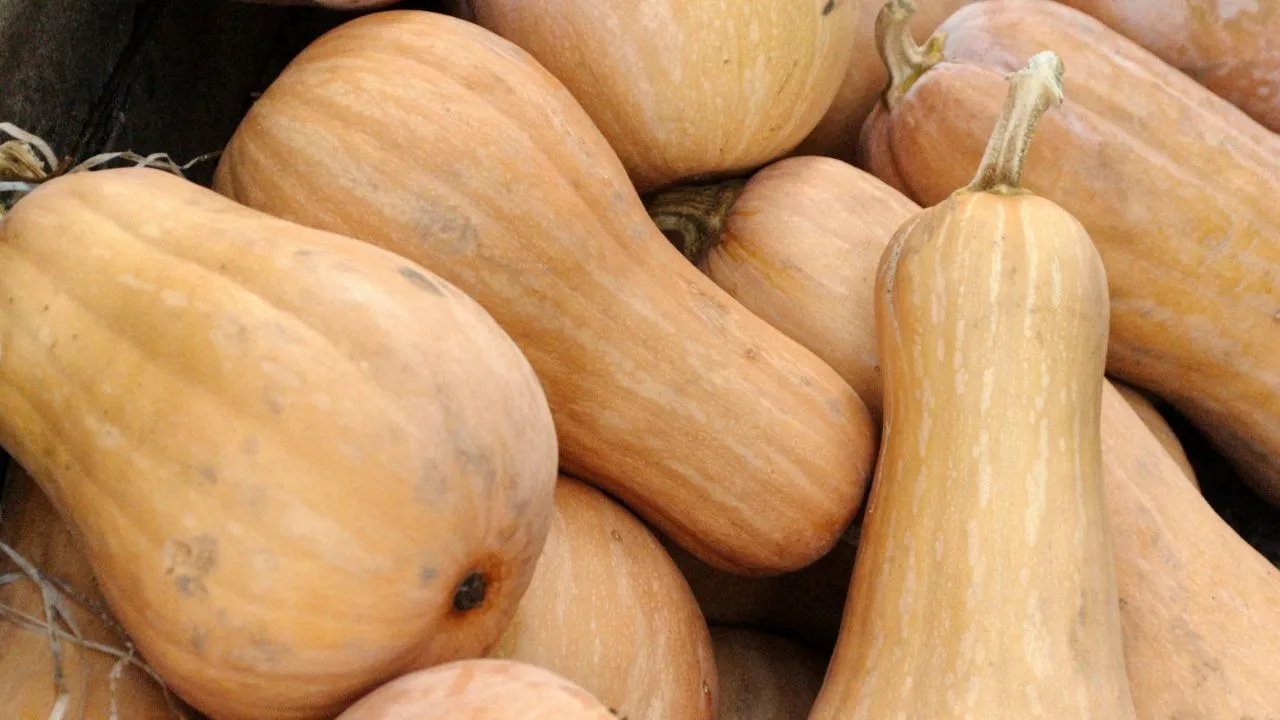
Depending on the variety, carefully handled winter squash can last 1 to 6 months. At the USDA‘s average retail price of about $1.27 a pound for butternut, and with a typical butternut weighing 2 to 3 pounds, a bin of 20 homegrown squash is roughly $50 to $75 worth of food you never have to buy in February.
Whether you have grown squash for decades or just brought home a few from the farmers market, the fixes are simple, free, and mostly about unlearning a few stubborn habits. Here is what to stop doing, starting with the one mistake hiding in nearly every kitchen.
1. Stop Putting Whole Squash in the Refrigerator

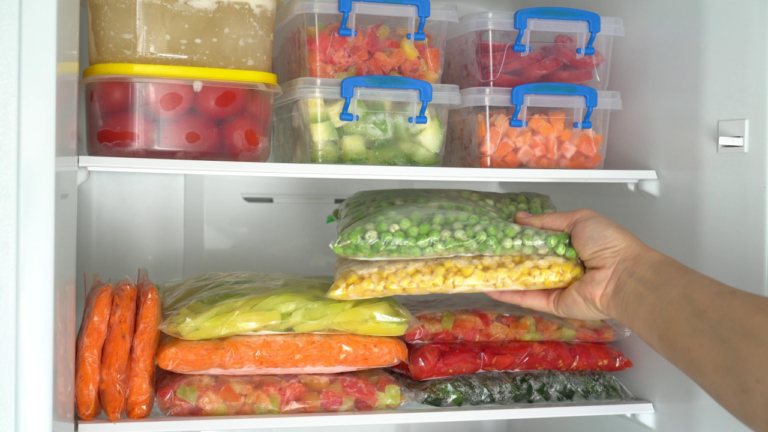
Whole, uncut winter squash keeps best at 50 to 60°F with good ventilation, according to Megan Cain of Creative Vegetable Gardener, who warns that “a typical fridge is colder and more humid than that,” which can shorten storage life rather than extend it. Save the fridge for squash you have already cut. Once the rind is broken, wrap the cut portion and use it within about a week.
2. Never Carry a Squash by Its Stem
That sturdy handle is not a handle. Bonnie Plants advises cutting squash from the vine with pruners and leaving 2 to 3 inches of stem, because “pulling can easily dislodge or break the stem,” leaving an open wound that invites rot. Any squash that loses its stem goes to the front of the eating line. The one exception, notes Oregon State University Extension, is that Hubbard types actually store best with the stem completely removed.
3. Don’t Leave Squash Out Through Chilly October Nights
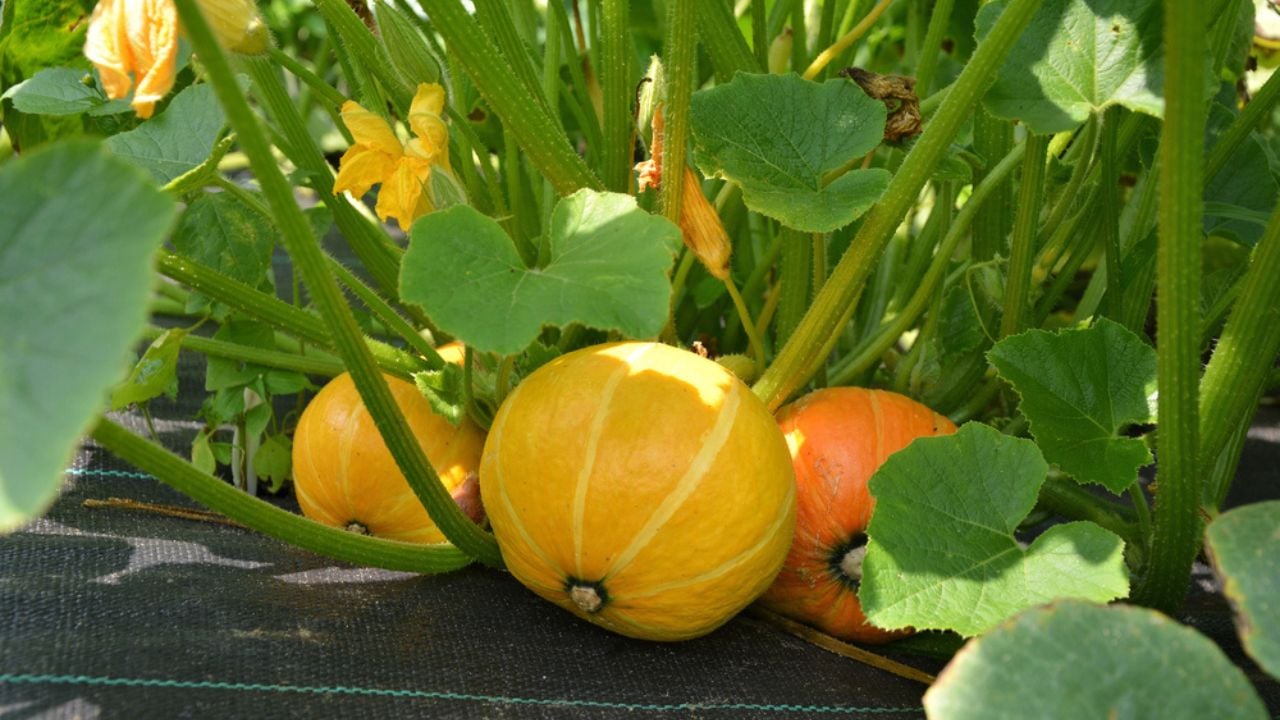
Winter squash is a warm-season crop, and Oregon State University Extension warns that squash left too long in the garden can rot early once it is stored: “If left out in the garden too long, they may decay prematurely in storage.” Their rule of thumb is to bring the harvest in once temperatures sit below about 50°F for more than a week or during an extended rainy stretch. Bonnie Plants adds that even a light frost drastically reduces storage life, so harvest before nights dip into the 40s.
4. Don’t Skip Curing (Unless It’s Acorn Squash)
Curing is simply giving squash a warm, airy rest, roughly 10 to 14 days according to Bonnie Plants, so the skin hardens and the flesh sweetens. Growfully founder and Master Gardener Cassie Johnston uses a thumbnail test: on a properly cured squash, you will barely see a dent, because “the skin is thick, tough, and ready to last the winter.” However, Bonnie Plants reports that curing actually reduces the storage life and quality of acorn squash, so skip it for those.
5. Stop Storing Squash Next to the Apples

That pretty autumn display of squash and apples in one bowl is quietly shortening your harvest. Apples, pears, and tomatoes release ethylene gas, which speeds decay in winter squash. Penn State Extension’s advice is blunt: “Keep your squash in a separate room from these crops.” Oregon State University Extension gives the same warning about apples and pears.
6. Avoid Damp Corners, Paper Bags, and Mouse Country
Squash wants moderate humidity, around 60 to 70 percent according to Bonnie Plants, and higher humidity promotes rot. Oregon State University Extension’s vegetable specialists put it in four words: “Dry fruit before storage.” OSU’s home storage guidance adds that newspaper and paper bags hold too much moisture, while a garage can work if squash sits on shelves off the floor, ideally on a layer of straw. Keep an eye out for rodents, too; UK grower Rocket Gardens traced rot in its Sweet Dumpling squash partly to mouse and rat nibbles that broke the skin.
7. Stop Eating Your Best Keepers First

Not every squash lasts equally long. As Grow Organic puts it, “as a rule Acorn and Spaghetti squash will keep 2.5 months,” while butternut and hubbard go much longer.
Here is the surprising part: some squash gets better the longer you wait. Oregon State University Extension cites University of New Hampshire plant breeder Brent Loy, who notes that butternut often improves in flavor, texture, and nutrition after a few months of storage, with carotenoid levels more than doubling. If your butternut tasted bland in September, it was not ready yet. Eat acorn and delicata first and save butternut and hubbard for the dead of winter.
The Five-Minute Weekly Check
Pick a dry, steady spot between 50 and 60°F: a spare closet on an outside wall, an unheated mudroom, or a basement shelf. Growfully points out that you do not need a root cellar at all and even suggests the space under a bed, an old habit that makes more sense than any damp cellar ever did. Rocket Gardens recommends spacing squash so “they are not touching each other,” letting air move around every side. For gardeners over 50, a waist-high shelf in a spare room beats hauling heavy squash up and down basement stairs every week.
Then look them over once a week, as Bonnie Plants recommends. Move any squash with a soft or dark spot to the front of the line and cook it now; roasted, scooped, and frozen, it becomes soup for later instead of a loss.
None of this asks for special equipment or a single extra dollar. It just asks you to retire the refrigerator and the damp cellar as squash storage and give your harvest the warm, dry room it wanted all along. Do it this October, and the squash you pull off the shelf in February will taste even better than the day you cut it from the vine.
Read More
The 7 Best Garden Items to Thrift This Fall
9 Smart Ways to Save Money in the Garden Before Fall Ends