Stop Ignoring Your Yard: 8 DIY Fixes Under $100 That Could Add Thousands to Your Home Value
You just spent $30,000 renovating your kitchen, and your home’s appraised value barely moved. Meanwhile, your neighbor spread $80 worth of mulch over a single weekend, and her realtor told her she added $5,000 to her asking price. If that stings a little, it should.
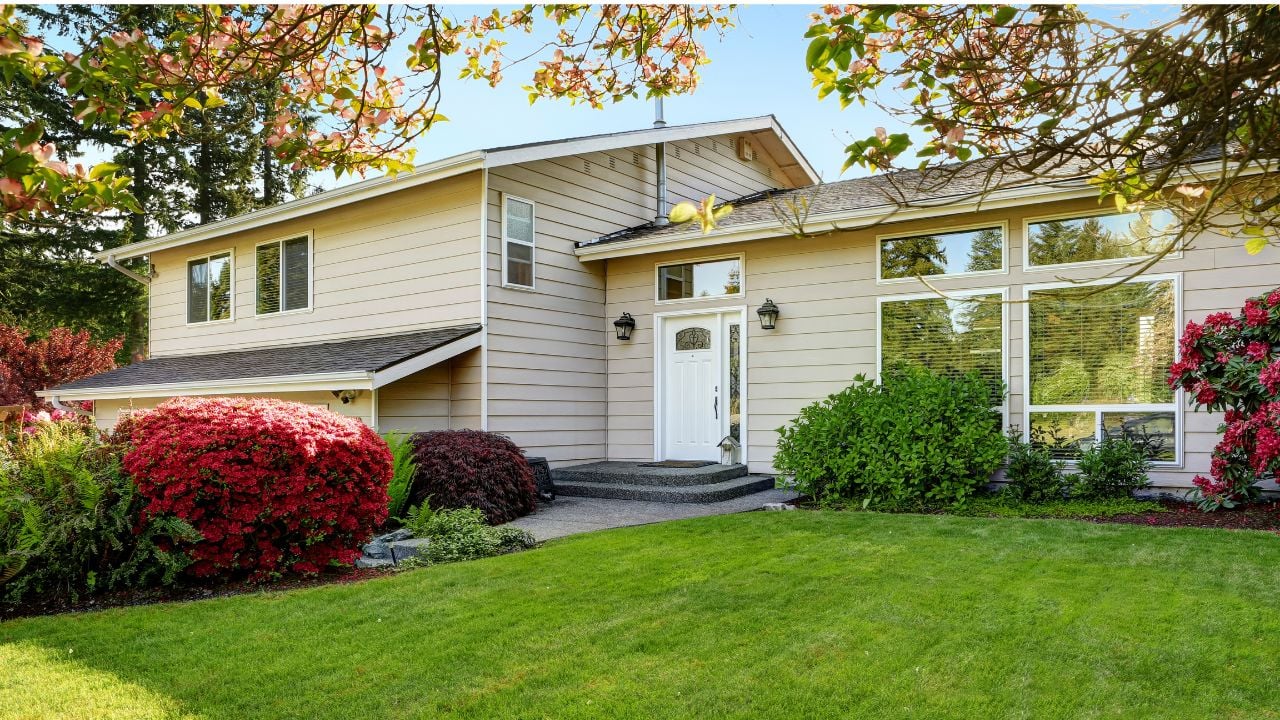
Most homeowners pour their improvement budgets into bathrooms and kitchens while completely ignoring the one thing buyers judge before they ever set foot inside: the yard. A Virginia Tech study found that well-landscaped homes sell for 5.5% to 12.7% more than comparable homes with neglected exteriors. On a $300,000 home, that is $16,500 to $38,100 left on the table simply because nobody bothered to edge the lawn or spread a few bags of mulch. Real estate agents know this; 97% of them say curb appeal is a primary driver of buyer interest, according to data compiled by Lawn Love. The problem is that nobody tells homeowners until it is too late.
What’s even more important to note is that the landscaping projects with the highest returns are not the expensive ones. Basic lawn care, which costs roughly $400 a year, delivers a 217% return on investment, according to Lawn Love. Mulching and routine maintenance return 104%. Meanwhile, that $17,000 deck you have been eyeing? It recovers about 50%. The cheapest weekend projects consistently outperform the ones homeowners spend months saving for.
August is the perfect window to tackle these improvements before the fall selling season. The eight projects below cost less than $100 each, require no professional help, and deliver the kind of returns that make interior renovations look like a bad investment. These are the projects real estate agents quietly wish every seller would do before listing.
1. Spread Fresh Mulch in Every Bed
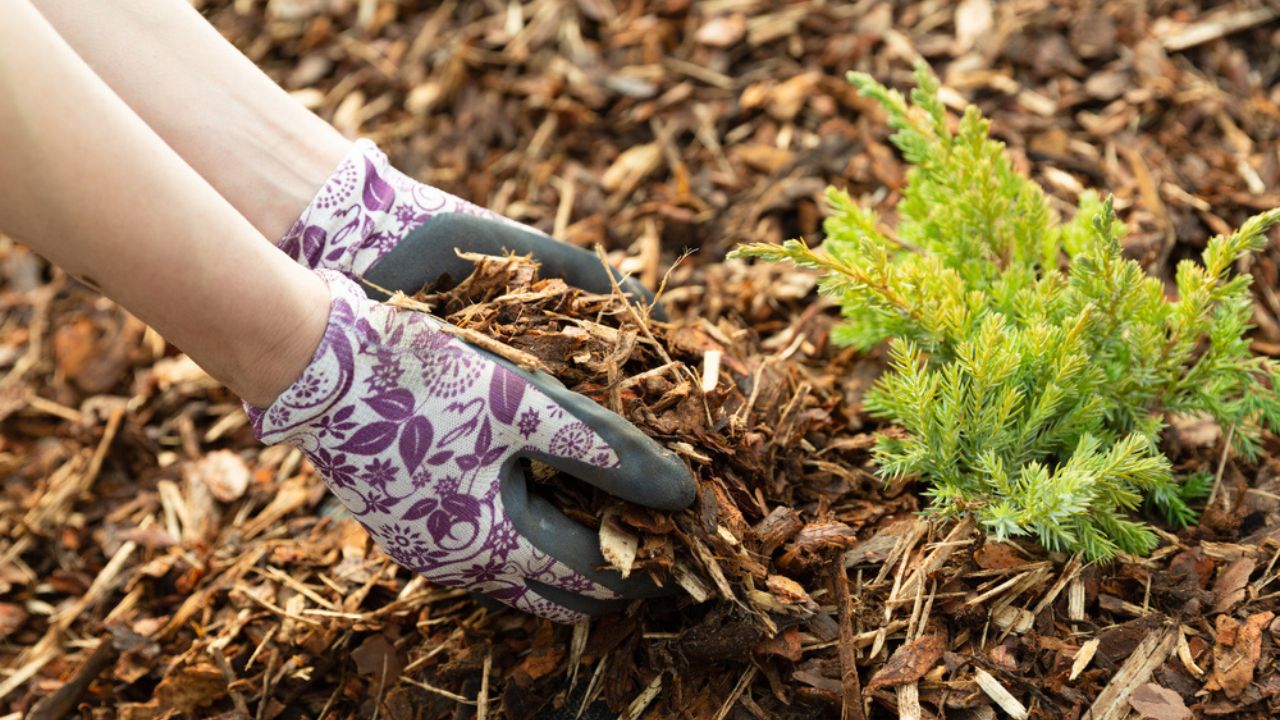
A single truckload of mulch costs $30 to $80, and it might be the best money you ever spend on your home. Chris Garrett, President of Tennessee REALTORS, says in Southern Living that this small addition increases property value because it nourishes soil, suppresses weeds, and makes every bed look instantly maintained. Landscape maintenance, including mulching, returns 104% on investment according to Lawn Love’s 2026 analysis. The visual difference between a mulched bed and an exposed one is the difference between a home that looks cared for and one that looks abandoned.
“This small tweak in your landscaping increases property resale value because of how well it nourishes the soil of your lawn. It’s also pleasing to the eye, which totally lends a hand to the visual curb appeal,” Garrett told Southern Living.
2. Edge Your Lawn and Garden Beds
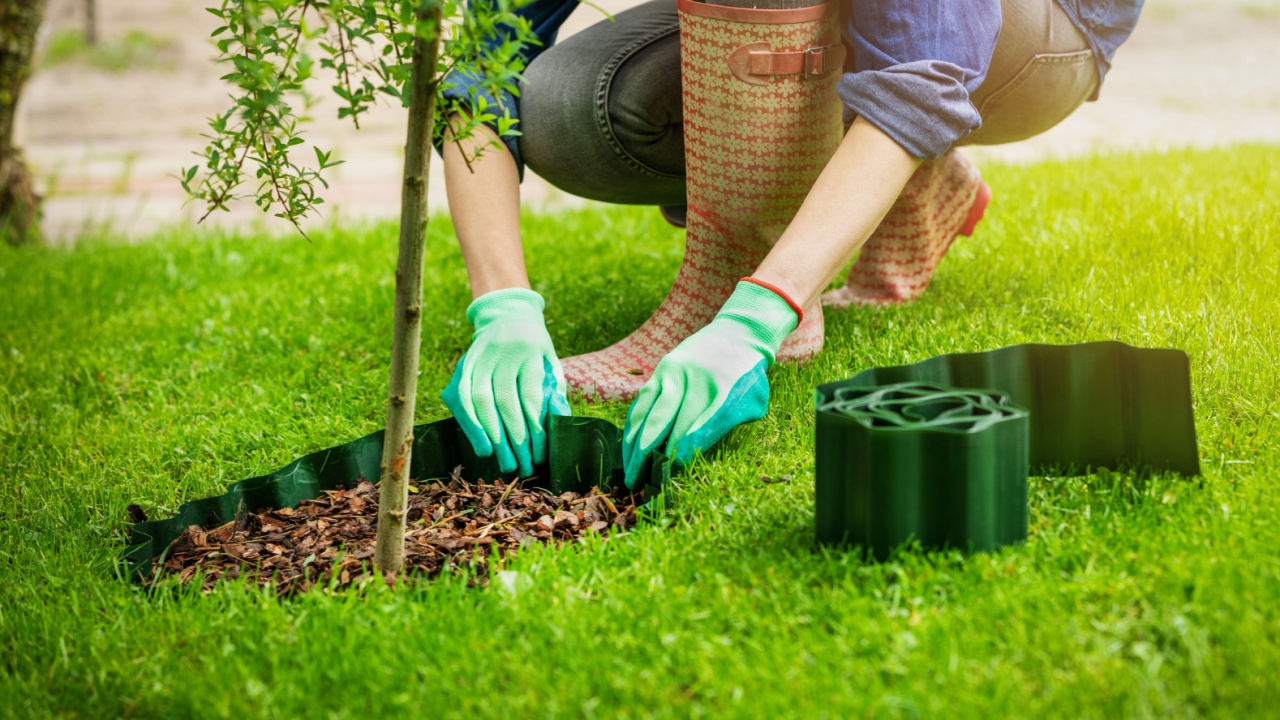
A $10 manual edging tool and one hour of work will transform your yard more dramatically than $500 worth of new plants. This is the project experienced landscapers call the most underrated transformation in residential yards. Clean edging creates crisp lines between lawn and beds, giving the entire property a manicured, professional appearance without professional cost. Andrew Day of Advanced Quality Lawn told Lawn Love that “thick, edged, weed-controlled turf reduces price negotiation conversations” with buyers. In other words, a sloppy edge does not just look bad; it costs you real money at the closing table. Agents notice unedged lawns immediately because they signal deferred maintenance, and that signal spreads to everything else a buyer evaluates.
3. Pressure Wash Your Driveway and Walkways

Rent a pressure washer for $40 to $75, or borrow one from a neighbor, and spend a Saturday morning blasting the grime off your driveway, walkways, front steps, and siding. The before and after difference is so dramatic that seasoned homeowners describe it as “like pulling up to a new house.”
HGTV recommends this as one of the top curb appeal improvements for under $100, and for good reason: dirt, mildew, and oil stains accumulate so gradually that homeowners stop noticing them. Buyers do not. A stained driveway can take up as much visual real estate as your lawn, and if it looks neglected, it drags down the perceived value of the entire property. Start with the gentlest nozzle and work up to avoid damaging surfaces.
4. Plant Perennials Instead of Buying Annuals Every Year
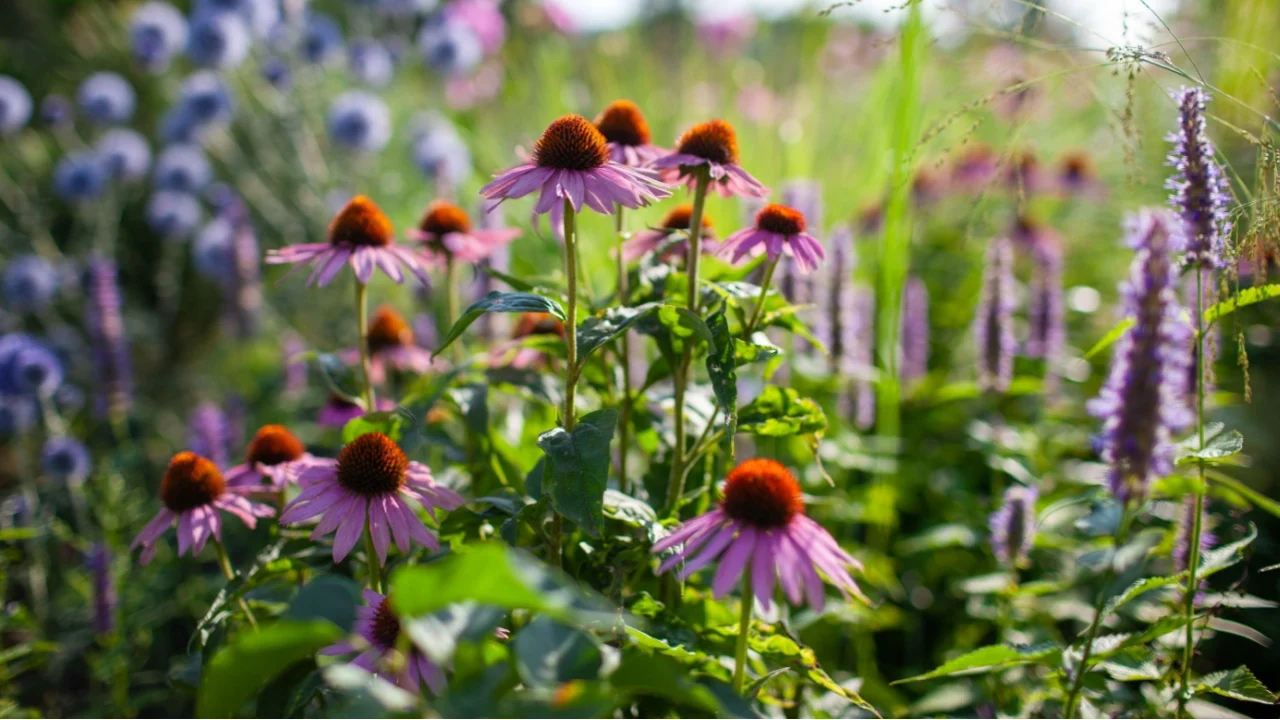
Stop throwing $100 or more every spring on flats of petunias that die in October. A one-time investment of $50 to $200 in perennials like coneflowers, black-eyed Susans, catmint, and daylilies gives you color that returns year after year with almost zero effort. Arricca Elin SanSone of House Beautiful notes that “perennials come back year after year, so they’re an amazing long-term investment.”
For homeowners who have spent decades replanting the same beds every May, this is the permission slip to stop. Choose drought-tolerant, native varieties and you will also cut your water bill. The math is simple: after two seasons, perennials have paid for themselves. After five, you have saved $300 to $500 compared to buying annuals, and your beds look fuller and more established with each passing year.
5. Add Solar Path Lights Along Your Walkway
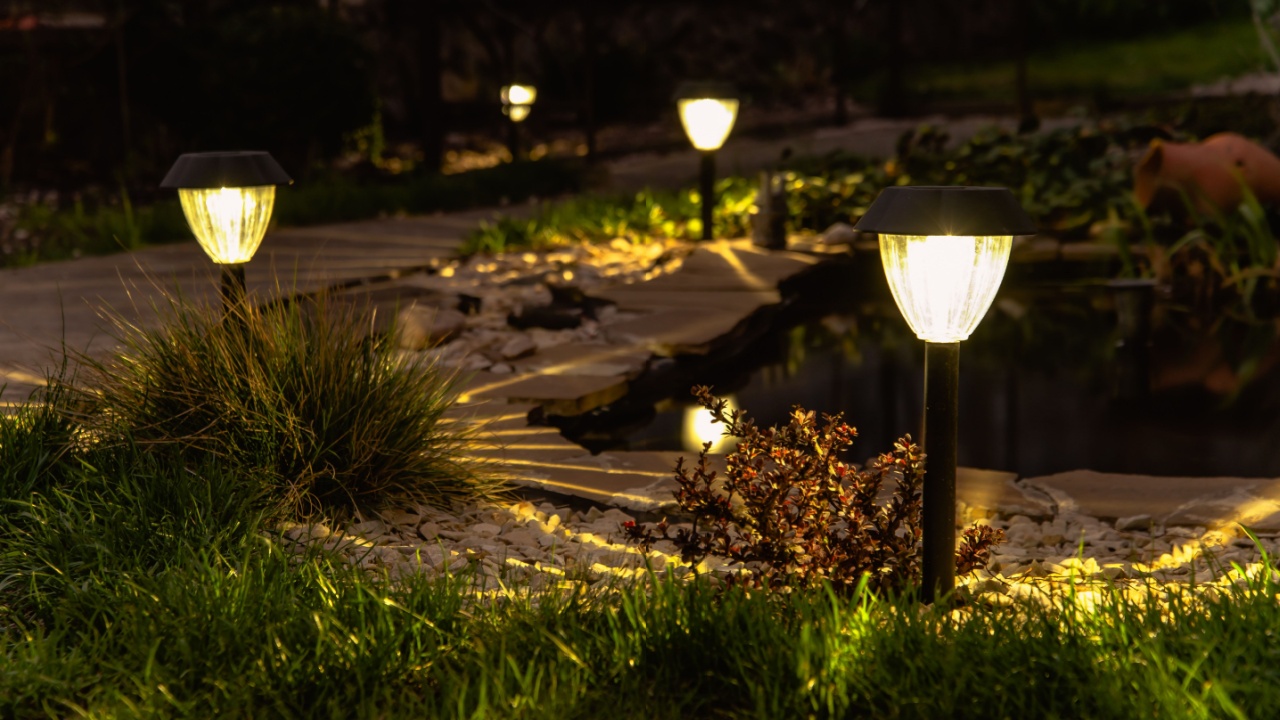
A set of solar path lights costs $20 to $50, installs in minutes with no wiring, and transforms your home’s nighttime curb appeal from dark and uninviting to warm and welcoming. Chris Garrett of Tennessee REALTORS told Southern Living that “well-lit pathways and exteriors reduce liability and deter intruders, but it also makes the home more welcoming to potential buyers who may drive by in the evening.” This is both a safety improvement and a financial one; landscape lighting delivers a 59% return on investment according to Redfin’s data. A lit walkway signals to the entire neighborhood that someone is home and paying attention. An unlit one signals the opposite. For the price of a family dinner out, you get a safety upgrade, a curb appeal boost, and the quiet satisfaction of knowing your house is the one on the block that looks good after dark.
6. Paint Your Front Door a Bold Color
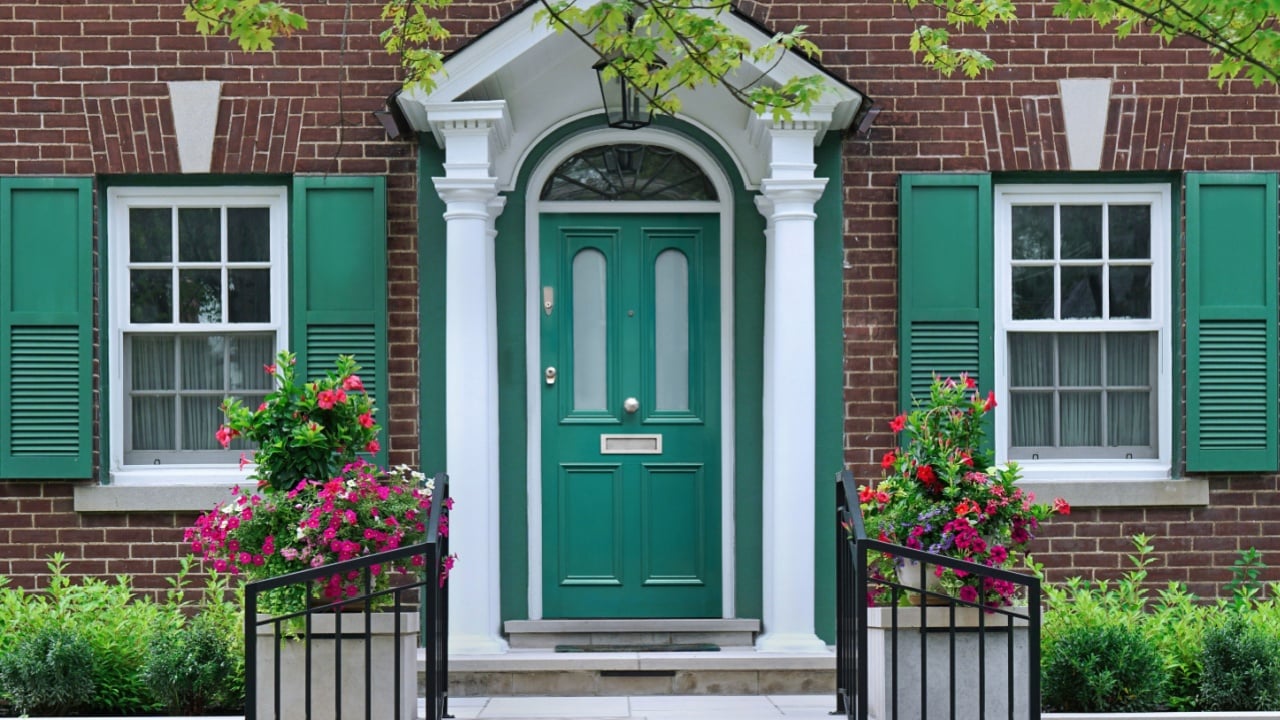
One gallon of exterior paint costs about $35. That is it. Greg Dallaire, real estate consultant and owner of Dallaire Realty, told Real Simple that he has seen homes sell for $6,000 to $10,000 more because of a neat, modern, and inviting entrance. “I personally like to paint the front door a bold color, such as dark gray or black, and then upgrade the handles and house numbers to modern alternatives,” he says. “This usually costs between $500 and $2,500” for the full package, but even the paint alone creates immediate visual impact. Your front door is the single most photographed element of your home’s exterior, and it is the last thing a buyer sees before walking inside. A faded, peeling door tells buyers the home has been neglected. A crisp, bold one tells them someone cares about every detail.
7. Seed Bare Lawn Patches This Month
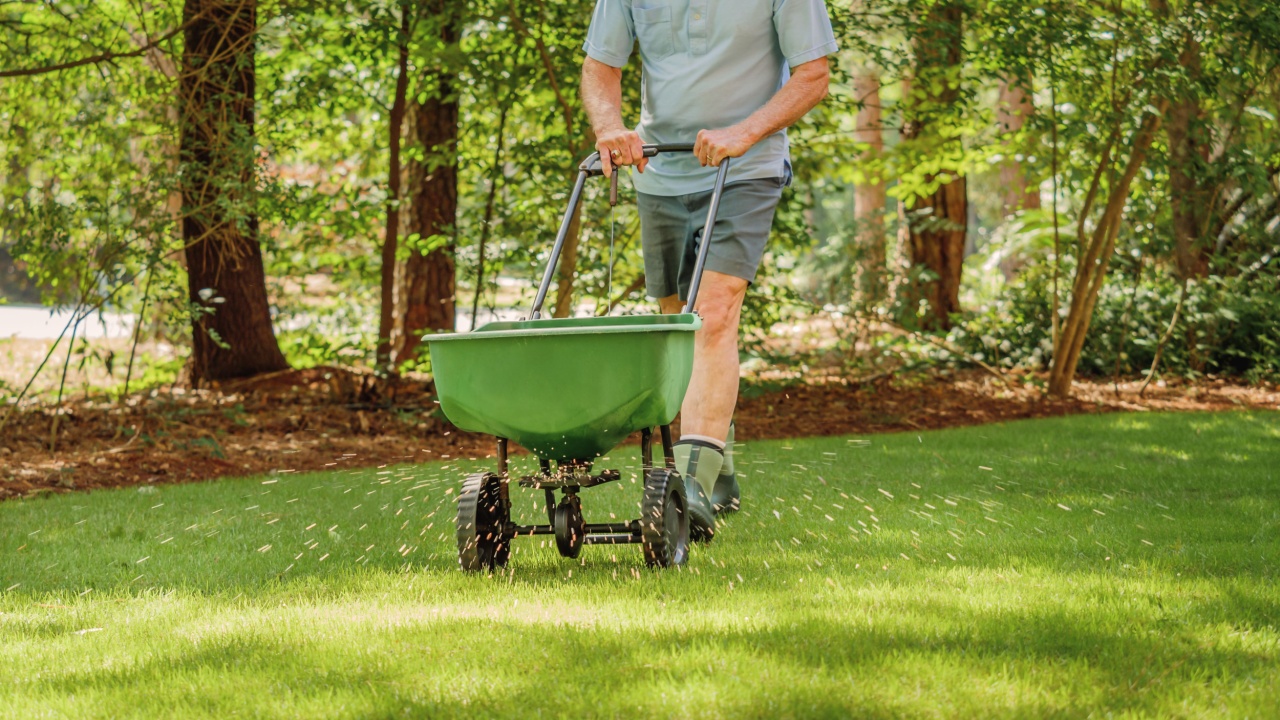
A $20 bag of grass seed applied to bare and thin patches right now, in August, will produce a lush, full lawn by next spring. This is not a minor cosmetic fix. Basic lawn care delivers a 217% return on investment, the highest of any landscaping project measured, according to Lawn Love’s 2026 data. That makes a bag of seed and a Saturday afternoon potentially worth more than any single interior improvement you could make to your home. The window matters: late summer and early fall are the ideal seeding seasons because soil is warm, nights are cool, and fall rains do the watering for you. Miss this window and you wait until next year. A patchy lawn with bare dirt showing is one of the first things that triggers a buyer to mentally lower their offer. A thick, green carpet of grass tells them the home has been loved.
8. Remove One Dead or Dying Tree
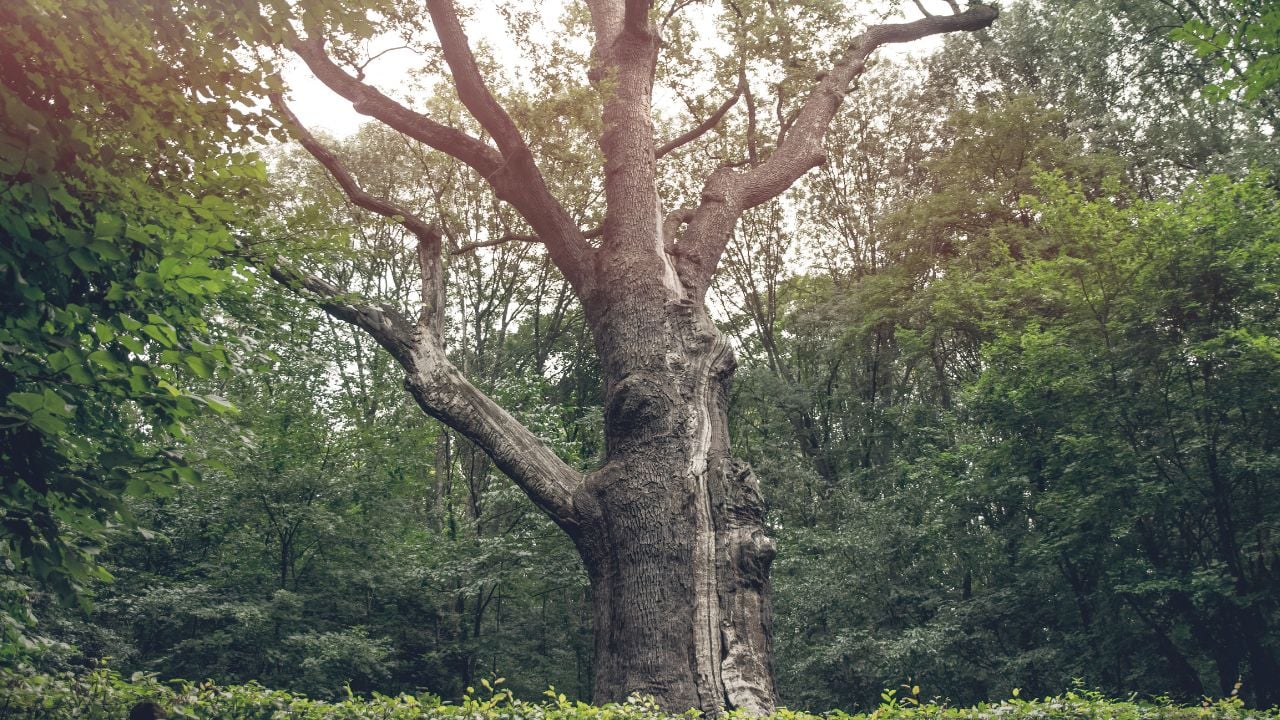
Sometimes the best landscaping move is not planting something new; it is ripping out something that should have been removed years ago. A dead or dying tree in your yard is not just an eyesore. It is a liability risk from falling branches, a potential municipal code violation, and a signal to every neighbor and prospective buyer that this property has been neglected.
Homeowners who have removed dead trees report net value increases of $3,000 to $5,000 after removal costs, and the USDA Forest Service notes that healthy, mature trees can increase property value by 7 to 10%. A dead one does the opposite. If the tree is small enough to remove yourself with a handsaw and some weekend effort, the cost is zero. Larger trees may require a $200 to $500 professional removal, but even that investment pays for itself immediately. Check your local regulations before cutting; some municipalities require permits for tree removal, and ignoring them can result in fines that dwarf the cost of doing it properly.
The Yard You Have Been Ignoring
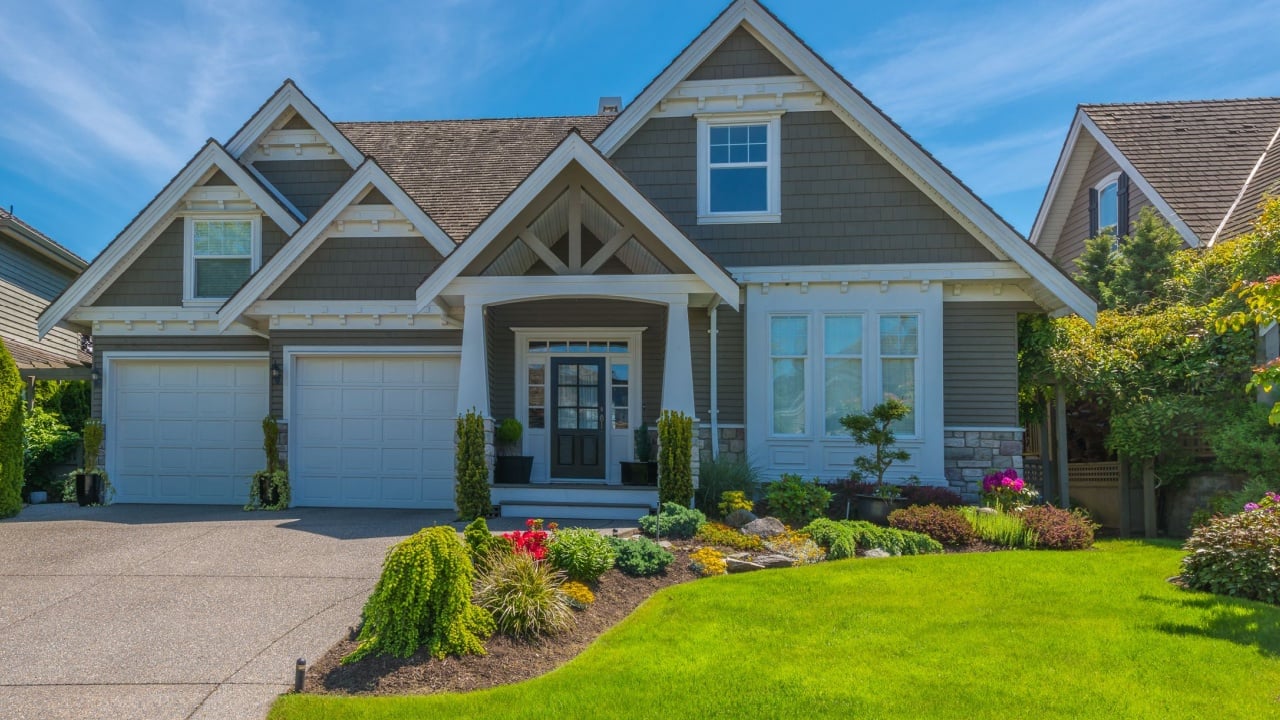
Your home’s value is not determined by what is inside the walls. It is determined by what buyers see before they ever walk through the door. The difference between the home that gets multiple offers and the one that sits on the market for months often comes down to a weekend of work and a few hundred dollars. Nobody is asking you to become a master gardener. Spread some mulch, edge your beds, seed the bare patches, and paint the front door. The yard that looks like it cost a fortune almost never did. It just had an owner who spent one Saturday doing what most people put off until it was too late.
Read More
Washing Your Lettuce Won’t Remove Cyclosporiasis, But Growing Your Own Will
Your Grandmother Stored These 8 Foods All Winter Without Canning a Single Jar