
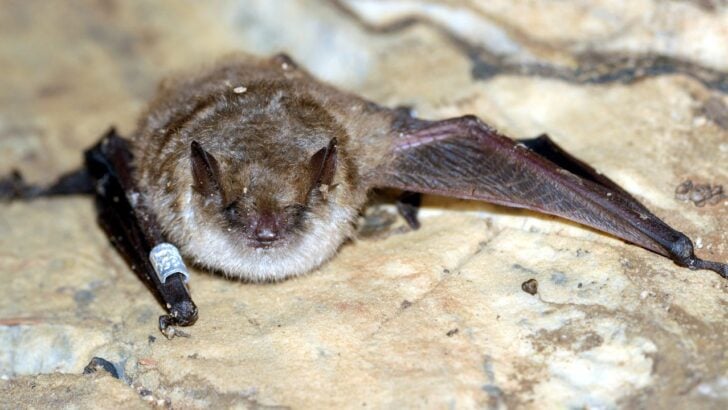
A frightening wildlife encounter at Olympic National Park has prompted an urgent warning for anyone who may have been nearby. A bat that became caught in a visitor’s hair later tested positive for rabies.
According to the National Park Service, the encounter happened at approximately 2 p.m. on Aug. 9 near Staircase Bridge. The bat swooped down onto an unidentified woman and was temporarily caught in her hair.
The warning is being shared because the same bat also swooped at other visitors, and officials do not know whether anyone else had direct contact with it. The park says that anyone who may have touched the bat, even without noticing a bite, should promptly contact a healthcare provider and local health department.
Mason County Public Health also confirmed that the captured bat tested positive for rabies. The department can be reached at 360-427-9670, extension 405, by anyone concerned about a possible exposure.
Anyone Who Had Contact Should Seek Medical Advice
Embedded media follows. Please allow a moment for it to load.
The National Park Service did not report that the woman suffered a confirmed bite. However, bat bites and scratches can be extremely small and may not be visible or painful.
Rabies can also spread when saliva from an infected animal enters a wound or comes into contact with a person’s eyes, nose, or mouth. Someone does not need to find an obvious bite mark before discussing the encounter with a medical professional.
Prompt Care Can Prevent Rabies
Rabies is a virus that can infect humans and other mammals. Once symptoms develop, the disease is almost always fatal, but appropriate medical care following a possible exposure can prevent it.
Health professionals can evaluate what happened and determine whether treatment is necessary. People should not wait for symptoms to appear before seeking advice after direct contact with a potentially rabid animal.
Anyone who believes a dog or another pet may have touched the bat should contact a veterinarian as well. Keeping pets current on their rabies vaccinations can give protection in case a wild animal approaches, but they should also get checked out after an encounter.
Visitors Should Never Handle a Bat
Park officials are reminding visitors to keep their distance from bats and other wild animals, whether they appear alive, injured, or dead. Anyone who encounters a bat inside the park should notify a ranger instead of attempting to capture or move it.
The positive test does not mean that most bats in Olympic National Park carry rabies. The National Park Service says the vast majority of Washington’s bats are healthy and play important roles in controlling insects, pollinating plants, dispersing seeds, and cycling nutrients.