Is Your House A Wildfire Target? 7 Things That Increase Your Risk At Home
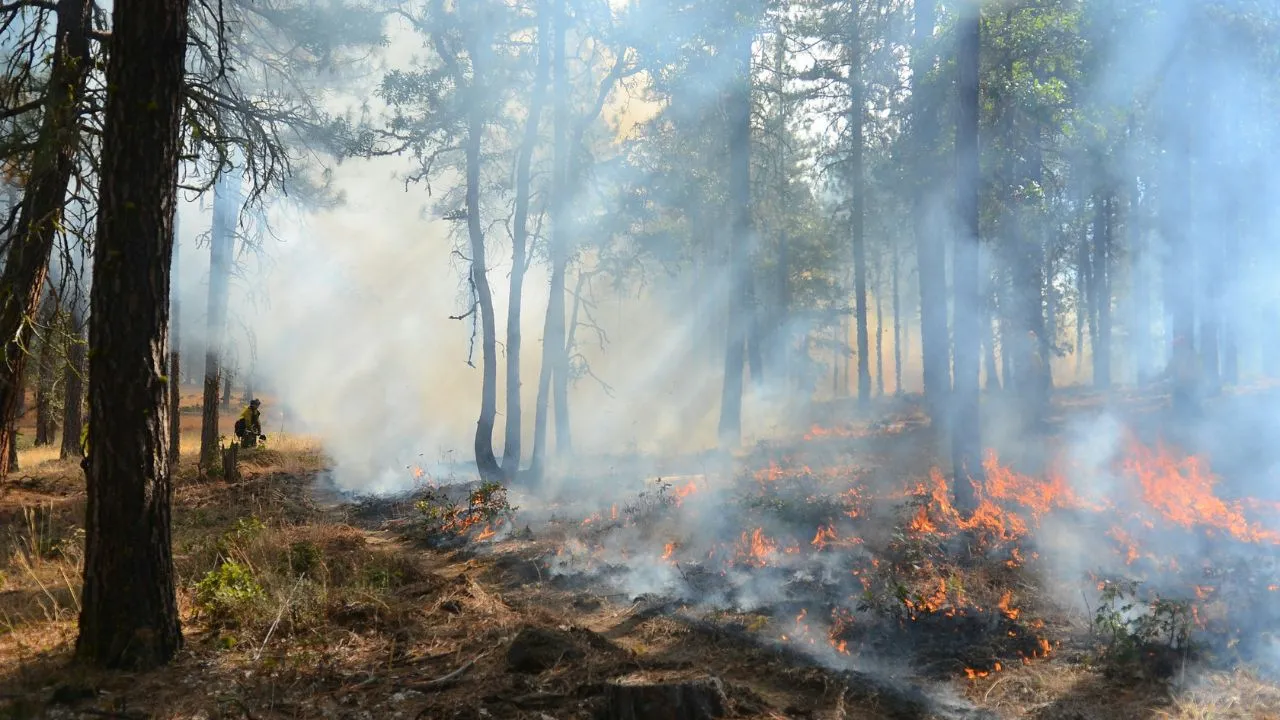
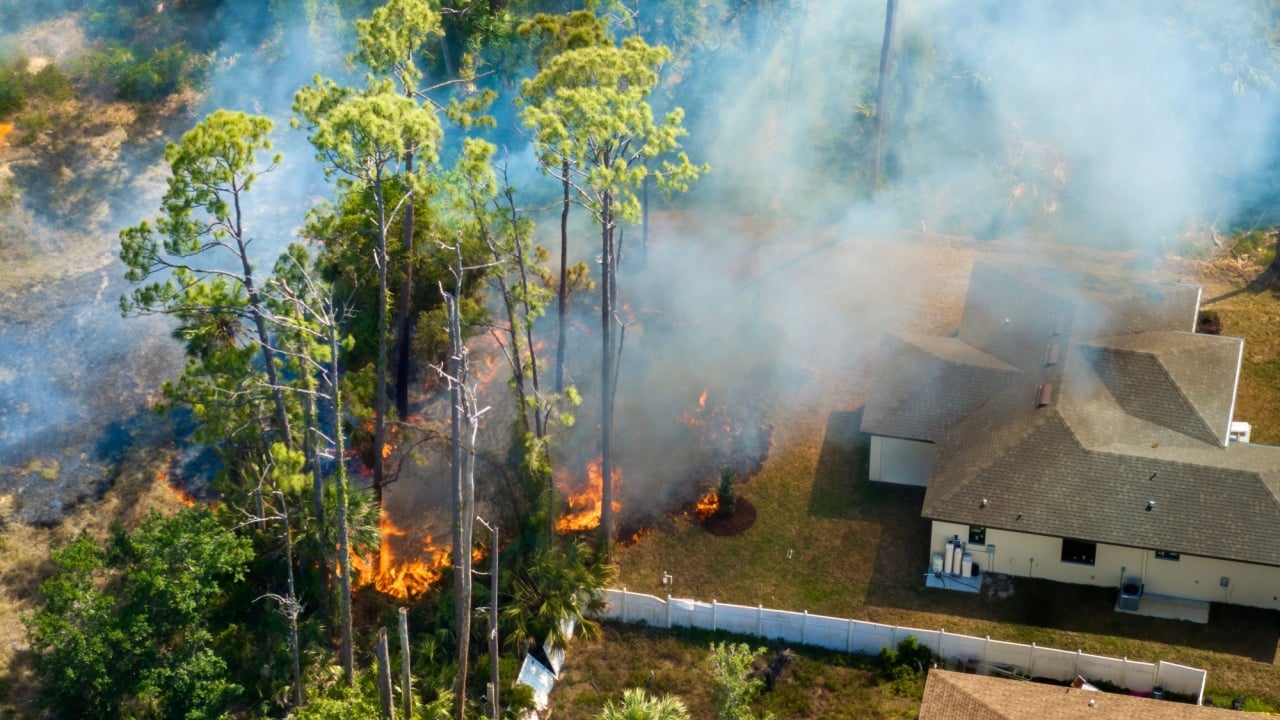
Most people picture a wildfire as a wall of flame rolling down a hillside. That image is wrong, and it may be the reason your home is at risk right now. The truth is, the majority of homes lost to wildfire never make direct contact with the blaze at all. They ignite from embers; tiny, wind-carried fragments of burning material that can travel over a mile ahead of the fire front and sneak into openings most homeowners have never thought to check.
According to the National Interagency Fire Center, most homes that burn during a wildfire catch fire from embers or small flames, not from the main body of the fire. That means your house could be miles from the nearest burning tree and still go up in smoke, all because of a clogged gutter, an unscreened vent, or a pile of bark mulch pushed against your foundation. More than 40 million Americans now live in high-risk wildfire zones, according to NPR, and that number keeps climbing as communities expand into fire-prone landscapes.
What makes this especially urgent right now, in the middle of wildfire season, is that many of the most dangerous vulnerabilities cost almost nothing to fix. Replacing a standard attic vent with an ember-resistant one runs about $5 at the hardware store. Clearing dead leaves from your gutters is free. And yet these small oversights are the difference between a home that survives and one that does not. A University of California study of the 2018 Camp Fire found that only 11 percent of homes built before 1996 survived, compared with 40 percent of newer homes built to updated standards.
If you have been gardening, maintaining a yard, or simply living in your home for more than a decade without thinking about wildfire, there is a good chance at least one of the following problems is already present on your property. Here are seven things that quietly make your house a wildfire target, and what to do about each one before this summer is over.
1. Your Gutters Are Full of Fuel
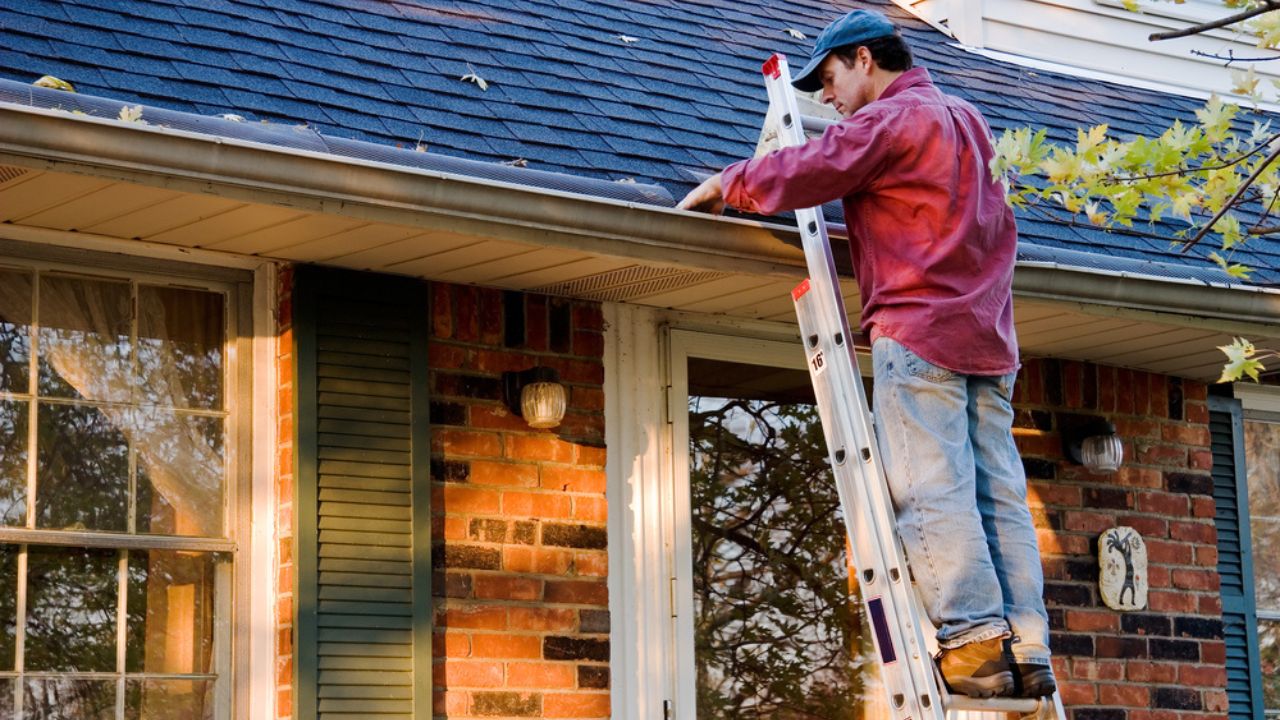
Dry leaves, pine needles, and seed pods packed into rain gutters are one of the most common ignition points during a wildfire. An ember lands in the debris, smolders for a few minutes, and the next thing you know, the fascia board is on fire. The Colorado State Forest Service lists gutter and roof debris removal as one of the very first steps in any wildfire mitigation checklist.
“Clean roof surfaces and gutters regularly to avoid accumulation of flammable materials such as pine needles, leaves, branches,” advises the National Interagency Fire Center. Installing noncombustible gutter guards, which cost roughly $1 to $3 per linear foot, is even better. This is a zero-dollar-to-low-cost fix that takes an afternoon and could save you from losing everything.
2. Your Vents Are an Open Invitation for Embers
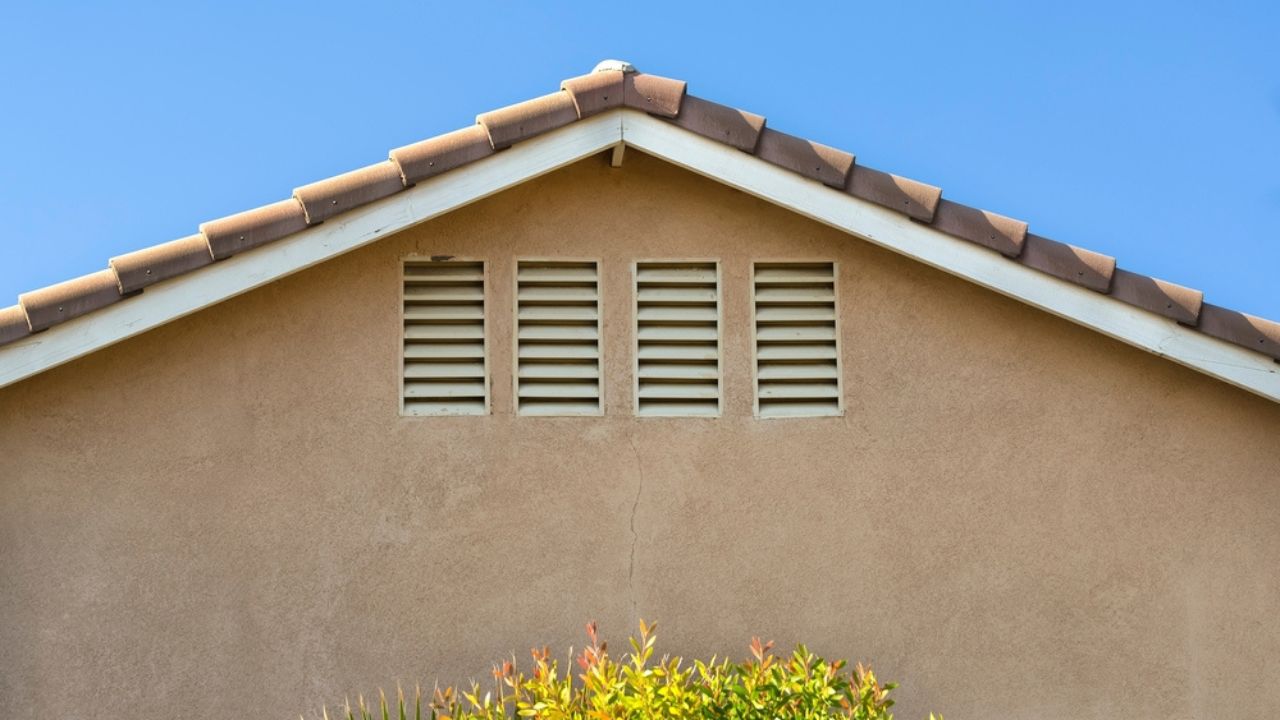
Standard attic, soffit, and crawl space vents are essentially welcome mats for windblown embers. During a wildfire, embers sail through standard vent openings, land on insulation or stored items in the attic, and ignite the home from the inside out. The California Department of Forestry and Fire Protection (CAL FIRE) recommends covering all vents with 1/16-inch to 1/8-inch noncombustible metal mesh or, better yet, replacing them with flame- and ember-resistant vents approved by the State Fire Marshal.
“Most vents are very standard size,” said Jennifer Gray Thompson of the nonprofit After the Fire USA, in an interview with ABC7. “You can buy them for about $5 each at the hardware store, and you can install them yourself.” For homeowners who have lived in the same house for decades, this is one of the most important and overlooked upgrades you can make.
3. You Have Bark Mulch Against Your Foundation

This is the landscaping mistake that turns ordinary yards into fire hazards overnight. Bark mulch, wood chips, and dense ornamental plantings piled against a home’s foundation act as kindling arranged right where it can do the most damage. A CAL FIRE demonstration showed that a test structure surrounded by mulch and plantings at its base burned down, while an identical structure surrounded by gravel and concrete survived, according to the University of California. The fix is straightforward: replace any organic mulch within 5 feet of your home with gravel, decorative stone, or bare soil.
4. Your Firewood Is Stacked Against the House
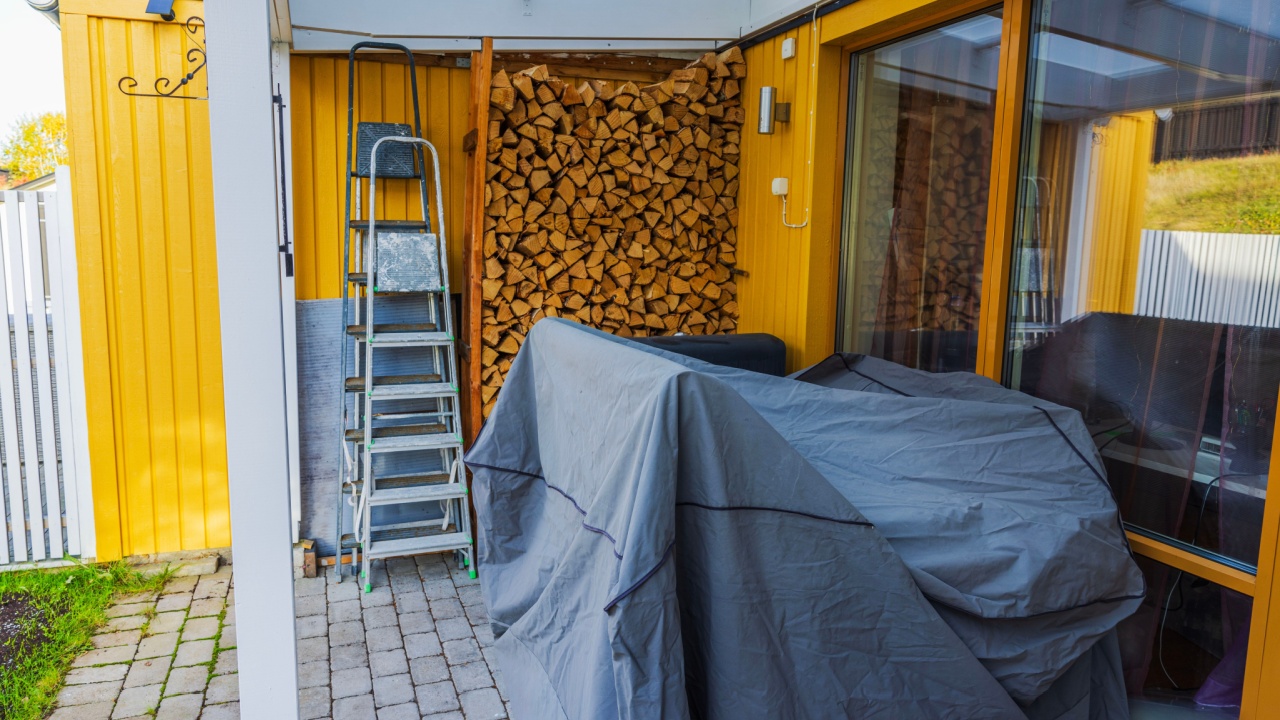
A cord of firewood leaning against your exterior wall is one of the most dangerous things on your property during a wildfire. Stacked firewood is dry, dense, and full of air gaps that feed combustion. When it ignites, it creates a concentrated, sustained heat source right next to your siding, insulation, and framing. The National Interagency Fire Center recommends keeping all combustibles, including firewood, away from structures entirely.
Move your woodpile at least 30 feet from any building. It eliminates one of the highest-risk ignition points on a residential property.
5. Your Neighbor’s Yard Is a Liability

Your wildfire risk is not determined by your property alone. In a densely built neighborhood, a vulnerability in one house can allow a wildfire to ignite several. “One home that doesn’t meet mitigation measures is a weak link in the chain,” said Kimiko Barrett, a wildfire policy expert at Headwaters Economics, in an interview with Colorado Public Radio.
If your neighbor has overgrown vegetation, a wood shake roof, or firewood stacked against a shared fence, their risk becomes your risk. This is worth a conversation, not a confrontation. Communities that coordinate wildfire preparation together, like Louisville, Colorado’s Cornerstone neighborhood, which earned a “Firewise USA” designation after the devastating 2021 Marshall Fire, dramatically improve everyone’s odds. One unhardened home on your block could be the reason your home does not survive.
6. Your Wooden Fence Is a Fuse Leading to Your Front Door
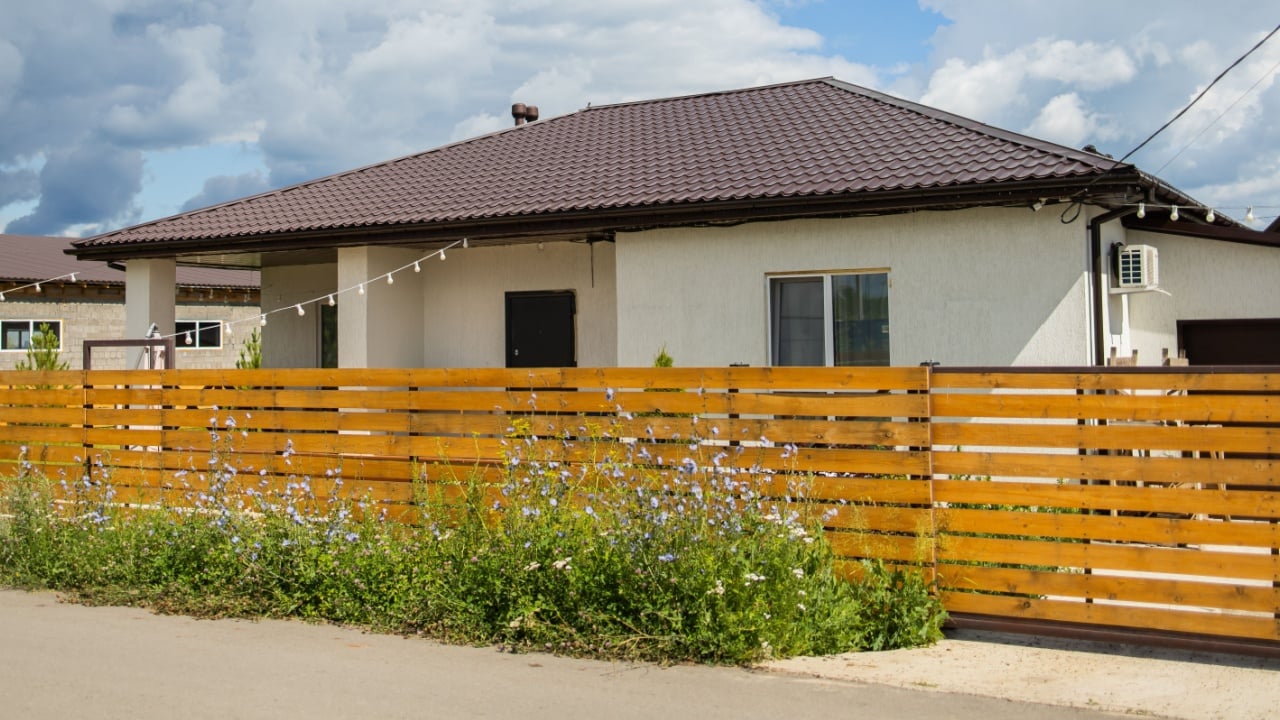
A wooden fence attached directly to your home acts as a lit fuse during a wildfire. Flames travel along the fence line and arrive at your siding, eaves, or deck in minutes. Both the Colorado State Forest Service and CAL FIRE recommend replacing any combustible fencing within at least 5 feet of the home with metal, stone, or other noncombustible materials.
You do not need to replace the entire fence, just the section that connects to the house. This single change can break the fire’s path to your home and costs a fraction of a full fence replacement; often under $200 for a short metal transition section.
7. You Have Never Checked Your Wildfire Risk Score
The USDA Forest Service maintains a free, interactive tool at wildfirerisk.org that lets any homeowner type in an address and see their community’s wildfire risk, likelihood of a future blaze, and exposure to different fire types. Most people have never heard of it. And many who check are stunned to discover they live in a higher-risk area than they assumed, especially as climate change pushes wildfires into suburban neighborhoods that once felt immune.
“I knew about wildfires, I knew they happened in Colorado, but I didn’t really have any concept that it would happen in a suburban neighborhood,” said Louisville resident Lisa Hughes after the Marshall Fire destroyed over 1,000 homes in her community, according to Colorado Public Radio. Knowing your risk is the first step. Ignoring it is the most expensive mistake you can make. Homeowners in fire-prone areas are already seeing insurance premiums surge or policies canceled entirely; in Nevada alone, insurance applications declined from 2,400 in 2022 to 13,000 by 2024. Hardening your home is not just a safety decision anymore. It is a financial one.
Resilience Starts With Small Changes

You do not need to retrofit your entire home in a single weekend, and you do not need to spend thousands of dollars. Headwaters Economics found that meaningful wildfire retrofitting can start at around $2,000, and many of the most effective steps, like clearing gutters, moving firewood, and swapping mulch for gravel, cost nothing at all. Start with the 5 feet closest to your home, remove anything flammable, screen your vents, and then work outward.
Check your risk at wildfirerisk.org. Talk to your neighbors. If you are in a state that offers wildfire mitigation tax credits, like Colorado, take advantage of them. The goal is not perfection. The goal is reducing your odds enough that your home, and your neighborhood, can survive what is coming.
A single burning ember can travel over a mile through the air, land in your gutter, and reduce your home to ash before the fire itself ever reaches your street. That is the reality of modern wildfire, and it is the reason that a $5 vent screen, a Saturday spent clearing debris, and an honest look at your landscaping choices matter more than most homeowners realize. The houses that survive wildfires are not always the newest or the most expensive. They are the ones whose owners paid attention to the small, quiet vulnerabilities that nobody else thought to check. This July, make sure yours is one of them.
Read more:
7 perennial planting mistakes to stop making right now
How to Grow Zucchini Vertically: 7 Steps That Save Space and Double Your Harvest