Fire Clouds Can Shoot Burning Embers 60 Miles. Most Homeowners Have Never Heard of Them
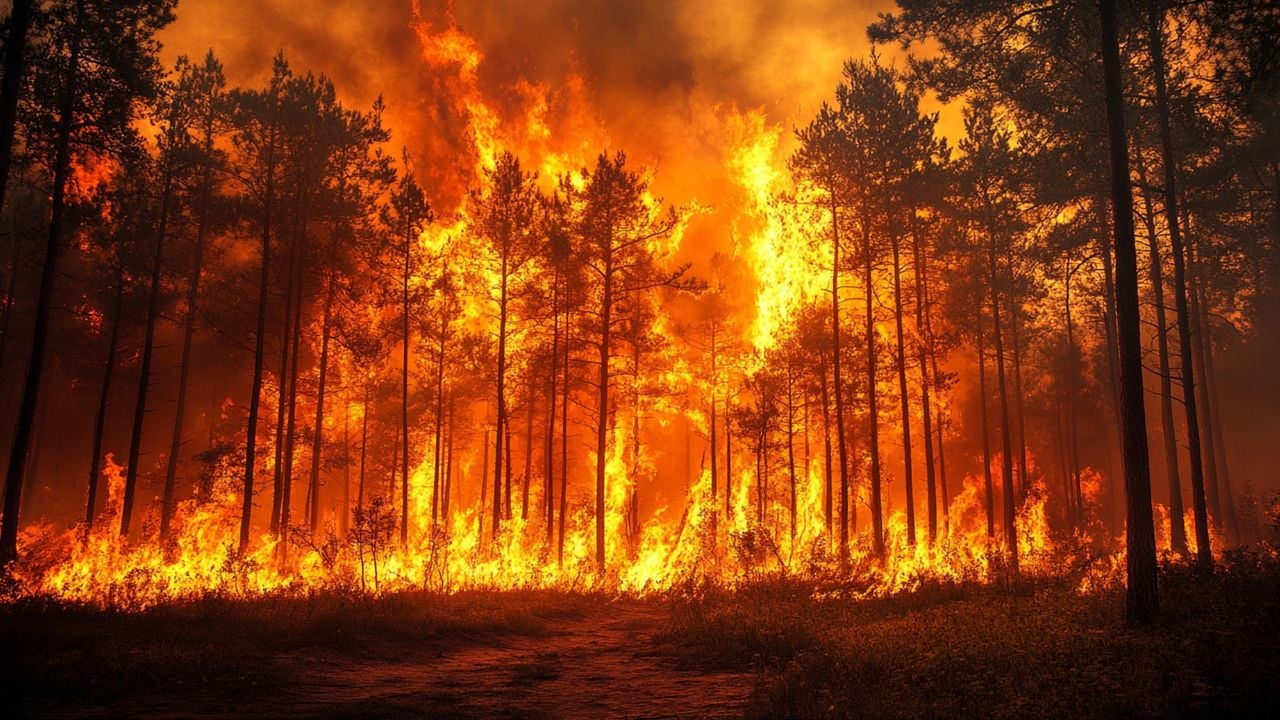
Most people picture a wildfire as a wall of flame creeping across the ground. What they do not picture is a fire so intense it builds its own thunderstorm directly above it, complete with 100-mph winds, lightning that ignites new blazes 60 miles away, and a towering cloud that NASA has nicknamed “the fire-breathing dragon.” That is exactly what a fire cloud is, and if you own a home anywhere near wildfire country, it may be the most important weather phenomenon you have never heard of.
These formations, known scientifically as pyrocumulonimbus clouds, were once considered extreme rarities confined to the vast forests of Australia and western North America. That changed in late July 2026, when France recorded its first-ever fire cloud during a catastrophic wildfire near Bordeaux that forced 220,000 people to evacuate. French President Emmanuel Macron called it the country’s most severe crisis since the Second World War, per New Scientist. Scientists at the European Centre for Medium-Range Weather Forecasts now warn that rising global temperatures mean these events will reach regions that have never experienced them.
Peak wildfire season is underway across much of the United States, and the decisions homeowners make today about their yards, gutters, and evacuation plans could determine whether their property survives a wildfire season experts say is on track to set another record.
Here are seven things every homeowner should understand about fire clouds before it is too late to prepare.
1. A Fire Cloud Is a Thunderstorm Born Directly from a Wildfire
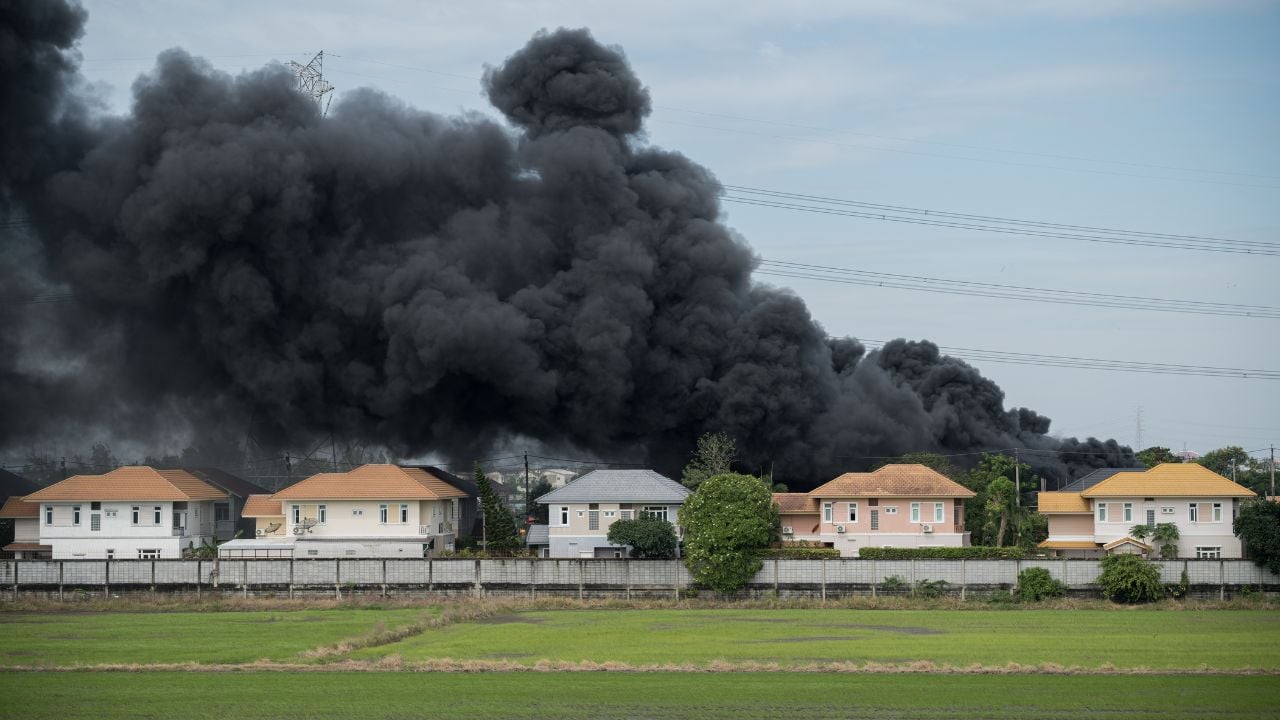
When a wildfire burns hot enough, typically at temperatures approaching 800°C, it sends a massive column of smoke, ash, and water vapor rocketing into the sky. As that column rises, the air cools, and the moisture condenses onto ash particles, forming a cloud. If the fire is large enough and the atmosphere is unstable enough, that cloud keeps growing until it becomes a full thunderstorm, reaching altitudes of 10 to 15 kilometers, the cruising altitude of a commercial airplane, according to NOAA’s National Environmental Satellite, Data, and Information Service.
The technical name is pyrocumulonimbus, but the concept is simpler and more terrifying than it sounds: the fire creates its own weather. Your grandmother might have called it “the devil’s anvil” when she saw a dark, unnatural cloud forming over a distant burn. Old-timers in fire country understood what science has only recently formalized. NASA has nicknamed them “fire-breathing dragon of clouds” because they suck smoke into the atmosphere like giant smokestacks while generating lightning, fierce winds, and heavy rainfall.
2. Fire Clouds Generate Winds That Firefighters Cannot Outrun
The towering updraft inside a fire cloud pulls surrounding air toward the blaze from every direction, generating wind gusts that can reach 160 kilometers per hour, or nearly 100 mph. According to wildfire researcher Jean-Baptiste Filippi at the University of Corsica, these winds can accelerate the fire’s spread by up to five times its original pace, as reported by New Scientist.
“You cannot stop a thunderstorm, and neither can you stop a firestorm, a strong pyrocumulonimbus,” Filippi told the publication. Eric Brocardi of France’s National Firefighters Federation described the Gironde fire in even starker terms: “The fire front is constantly shifting. We cannot fight it directly. It’s a David-versus-Goliath scenario.” When the professionals trained to fight fire say they cannot fight it, that is information homeowners need to absorb.
3. Burning Embers Can Land Miles Ahead of the Flames
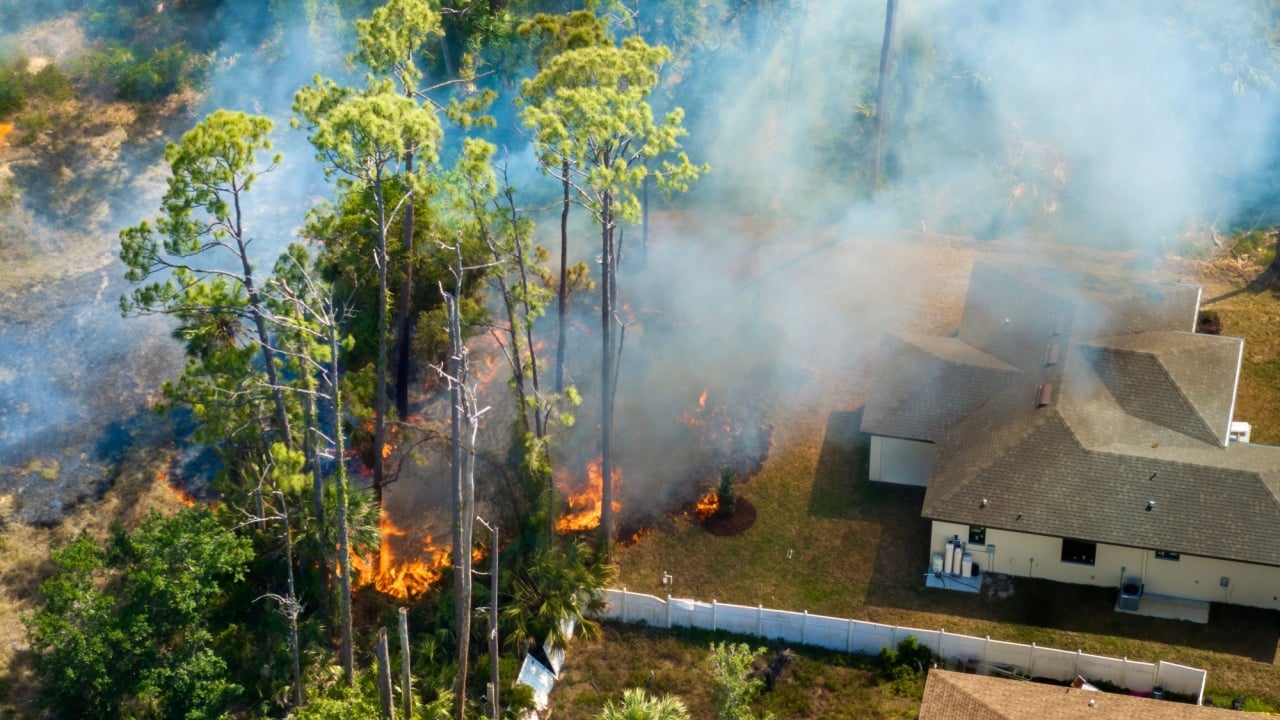
One of the most dangerous misconceptions about wildfires is that distance equals safety. Fire clouds shatter that assumption.
Powerful downdrafts within the cloud carry burning bark, branches, and embers high into the atmosphere, where winds scatter them far beyond the visible fire perimeter. During Australia’s devastating Black Summer fires in 2019 and 2020, the New South Wales Fire Service reported glowing charred debris falling up to 30 kilometers, nearly 20 miles, ahead of the fire front, three times the usual distance, according to the BBC.
Even more alarming, lightning generated by the fire cloud itself can ignite new blazes as far as 100 kilometers ahead of the main fire. A study published in Communications Earth & Environment found that fire clouds can also produce hail, violent downdrafts, and tornado-like vortices. If you live 10 miles from a wildfire and think you are safe, a fire cloud can change that equation in minutes.
4. Fire Clouds Are No Longer Rare, and They Are Spreading to New Regions
This is the fact that should keep every homeowner in a warming climate up at night. The term “pyrocumulonimbus” was not even widely used in science before 2004. Twenty years later, these storms are becoming more common. Canada’s record-breaking 2023 wildfire season generated 142 fire cloud events, while Australia’s Black Summer produced 18. And in July 2026, France recorded its first ever, during a wildfire that burned more than 420 square kilometers near Bordeaux.
“You have to have two things happening at the same time: an extreme heat source and an unstable atmosphere that interacts with the fire,” said Francesca Di Giuseppe at the European Centre for Medium-Range Weather Forecasts in New Scientist. “If the heat from the fire increases, like it’s projected to increase from our studies, then yes, you should see more of these events.”
5. Your Yard Could Be the Reason Your Home Burns

As many as 80 percent of homes lost to wildfire could have been saved if proper defensible space had been maintained around the structure, according to the City of Santa Barbara. Dead leaves in gutters, firewood stacked against the house, flammable wood mulch within five feet of the foundation; these are the ember landing pads that turn a nearby fire into a personal catastrophe.
What many homeowners do not realize is that the landscaping choices they made decades ago may now violate local fire codes. Municipalities across the western United States increasingly require defensible space by law, and noncompliance can result in fines or, worse, a voided homeowner’s insurance policy. One unmaintained yard does not just endanger that property; it endangers every home on the street. The “it won’t happen here” mindset is the single biggest barrier to preparation, and it is most entrenched in established neighborhoods where longtime residents have never experienced a major fire.
6. Wildfire Smoke from Fire Clouds Travels Farther Than You Think
Even if a fire cloud never forms within 500 miles of your home, its smoke may still reach you. Pyrocumulonimbus clouds inject smoke into the stratosphere, the atmospheric layer between 10 and 50 kilometers above the surface. At that altitude, smoke spreads across entire hemispheres, affecting air quality in communities that may not even know a wildfire is burning. David Peterson, an atmospheric scientist at the U.S. Naval Research Laboratory, told Nature: “We know that they can affect large regions, or even full hemispheres.”
The health implications are sobering. Wildfire smoke that has burned through neighborhoods is more toxic than vegetation smoke alone, because it contains chemicals from plastics, electronics, and paint. Research shared by PBS News found that more than 55 percent of residents in fire-affected areas still reported health symptoms six months after the event. Smoke and ash blow under doors and around windows, absorbing into furniture and walls and continuing to off-gas for weeks to months. A HEPA air purifier, which costs as little as $50, is one of the most effective and underused protections available.
7. The Most Dangerous Mistake Is Believing It Cannot Happen Where You Live
France’s top fire officials were stunned when a pyrocumulonimbus formed over the Gironde wildfire. “We faced another firestorm, the same incredible, unprecedented, unknown phenomenon,” said Gironde prefect Sophie Brocas in New Scientist. Rick McRae, a wildfire researcher at the University of New South Wales who spent 30 years as a senior fire manager, put it plainly in The Guardian: “It’s the first time France has had to explicitly consider the concept of a pyroCb.”
If it can happen in the wine country of Bordeaux, it can happen in your region. Climate scientists warn that rising temperatures, drought cycles, and the phenomenon known as “climate whiplash,” where a wet spring fuels heavy vegetation growth only for record summer heat to dry it all out, are creating the exact conditions fire clouds require in regions that have never seen them. The homeowner who clears dead brush, cleans gutters, swaps flammable mulch for gravel, and builds an evacuation plan this weekend spends almost nothing but time. The homeowner who does not could lose everything.
Build a Fire-Resistant Home
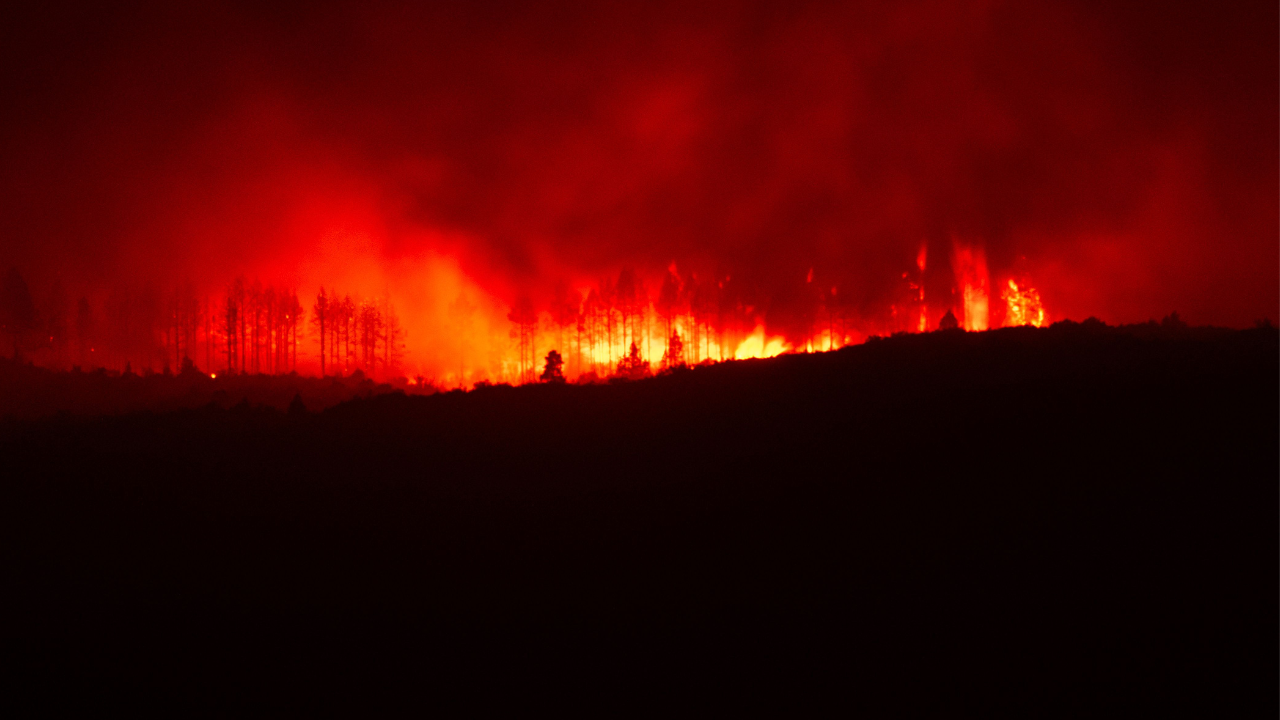
The good news is that the most effective preparations cost little or nothing. Create a defensible space of 30 to 100 feet around your home by removing dead vegetation, trimming tree branches at least 10 feet apart, and replacing wood mulch with gravel or decomposed granite. Clean gutters, clear debris from under decks, and move propane tanks and firewood at least 30 feet from any structure. Install metal mesh screens (1/16 to 1/8 inch) over vents and eaves to block embers. Prepare an evacuation plan that includes pets, medications, and important documents, and practice it. These steps are free, and fire professionals say they are the difference between a home that survives and one that does not.
Fire clouds are not a distant, exotic phenomenon anymore. They are arriving in places that never expected them, and every sign suggests they will keep spreading. You do not need to panic, but you do need to stop assuming your region is exempt. The homeowner who spends one Saturday afternoon clearing brush and cleaning gutters is not overreacting. They are doing exactly what fire professionals have been begging people to do for years. This July, take that afternoon. Your home is worth it.
Read more:
7 perennial planting mistakes to stop making right now
How to Grow Zucchini Vertically: 7 Steps That Save Space and Double Your Harvest