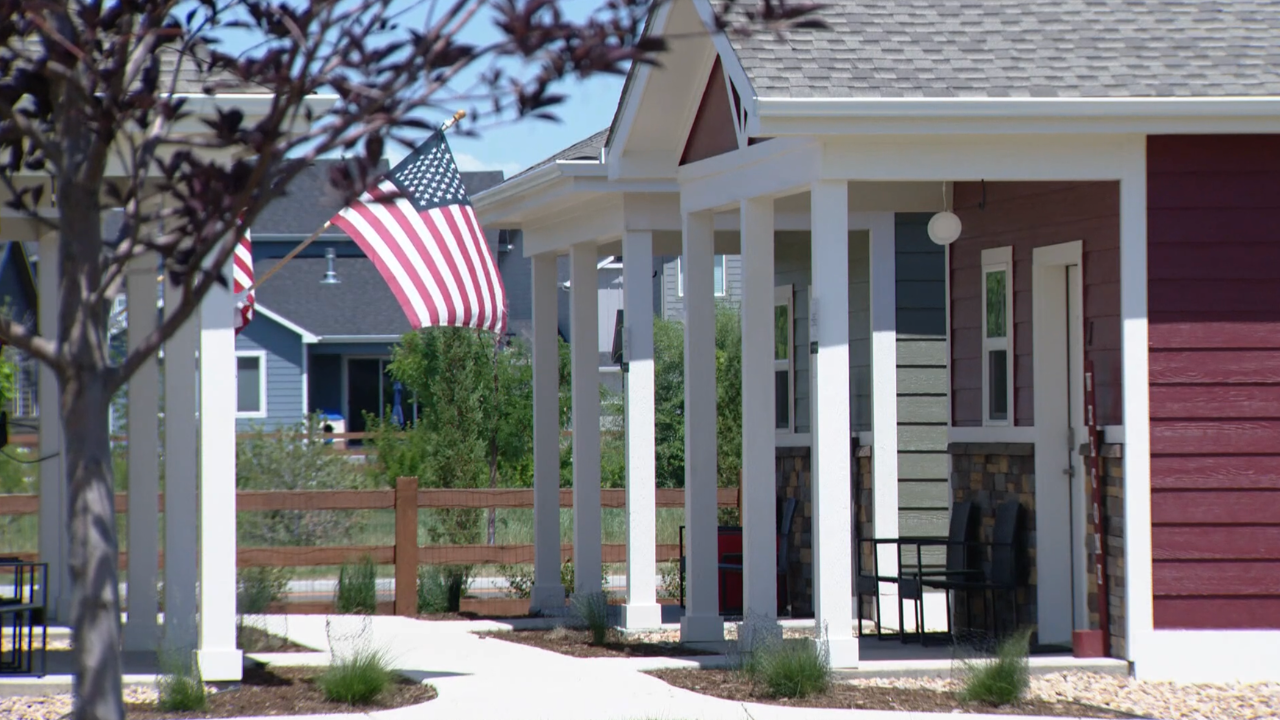
A Tiny Home Village Built Specifically for Homeless Veterans Has Reached Full Capacity
A tiny home village built by volunteers to give unhoused veterans their own homes is now operating at full capacity in Longmont, Colorado, after community fundraising helped the nonprofit behind it finish construction. The Veterans Community Project of Longmont, a 501(c)(3) nonprofit, built the 26-unit village to provide transitional housing and support for veterans experiencing or at risk of homelessness, according to 9News.
The project hit several snags before it ever got off the ground. Executive Director Jennifer Seybold said the group broke ground in March 2020, an inconvenient moment that led to delays, and construction was later paused with only six units complete when the nonprofit ran into a funding issue. Seybold said costs also skyrocketed after the pandemic, which organizers also weren’t prepared for.
The Morgridge Family Foundation stepped in with a monetary gift of $400,000, and a northern Colorado foundation identified in project materials as the Knopf Family Foundation added another $200,000 to the nonprofit’s donation total, Seybold said. Community donations, including proceeds from Next’s Word of Thanks campaign, covered the remainder needed to finish the build.
The village is one of several the Veterans Community Project has built around the country. The homes range from 240-square-foot individual units to 320-square-foot family units, and veterans can stay in them for up to two years at no cost while they work toward permanent housing. The Longmont site is now full, with the completed village able to take on more residents than the handful of homes that were usable during construction.
How the Village Works
The Veterans Community Project model centers on giving each veteran a private, self-contained home rather than just a bed in a large facility. Each tiny home is a studio living space with a kitchen, a bathroom, a bed, and a living area, and the units are pet-friendly. The design choices, down to the orientation of the beds and windows and the paint colors, were made with veterans in mind.
The housing is paired with services rather than offered on its own. Residents receive intensive case management and support aimed at helping them become ready for permanent housing. The Longmont location also runs a Veterans Outreach Center that serves veterans well beyond the village itself, providing help with food, housing navigation, and other needs to people who are not necessarily residents.
Why Veteran Homelessness is Still An Important Cause
Veteran homelessness is the specific problem the project was built to address. Even after the project’s completion, that remains true. The Longmont outreach center has served hundreds of veterans across northern Colorado and helped many of them find permanent housing since 2020, work the organization calls a larger effort to end veteran homelessness rather than simply shelter people temporarily.
Rather than emergency shelter alone, the transitional-village model gives veterans time, privacy, and support to stabilize, which advocates argue addresses the reasons people fall into homelessness in the first place. The nonprofit is also looking to welcome more veterans who need a safe place to land and a community around them. And with community assistance and donations, they might just continue to grow larger.