Plant These 8 Vegetables Right Now in July and Cut Your Fall Grocery Bill by $600
Your garden is half empty right now, and every day you leave it that way is costing you money.
Most gardeners assume that once July hits, planting season is over. The tomatoes are in, the peppers are growing, and the rest of the beds sit bare until next April. That assumption is the single most expensive mistake in home gardening. By walking away from your garden in midsummer, you are throwing away three to four months of productive growing time, the equivalent of abandoning a third of your garden’s annual output.
The vegetables you plant this month will actually taste better than nearly anything you grew in spring. According to Iowa State University Extension, cool-season crops like carrots and beets develop markedly sweeter flavor when they mature in the cooling temperatures of fall, because frost triggers the roots to convert stored starches into sugars. That flavor upgrade comes on top of the financial benefit. A well-planned fall garden started from $20 to $30 worth of seeds can produce $600 or more in fresh vegetables that you would otherwise buy at the grocery store, according to research from Michigan State University Extension.
The eight vegetables below are the ones to start right now, before July ends. Most of them mature in 30 to 80 days; they thrive in the cooler weather ahead, and several of them will keep producing well past the first frost. If you have been gardening for decades or if you are starting for the first time this weekend, this is the most forgiving, most rewarding planting window of the year.
1. Kale
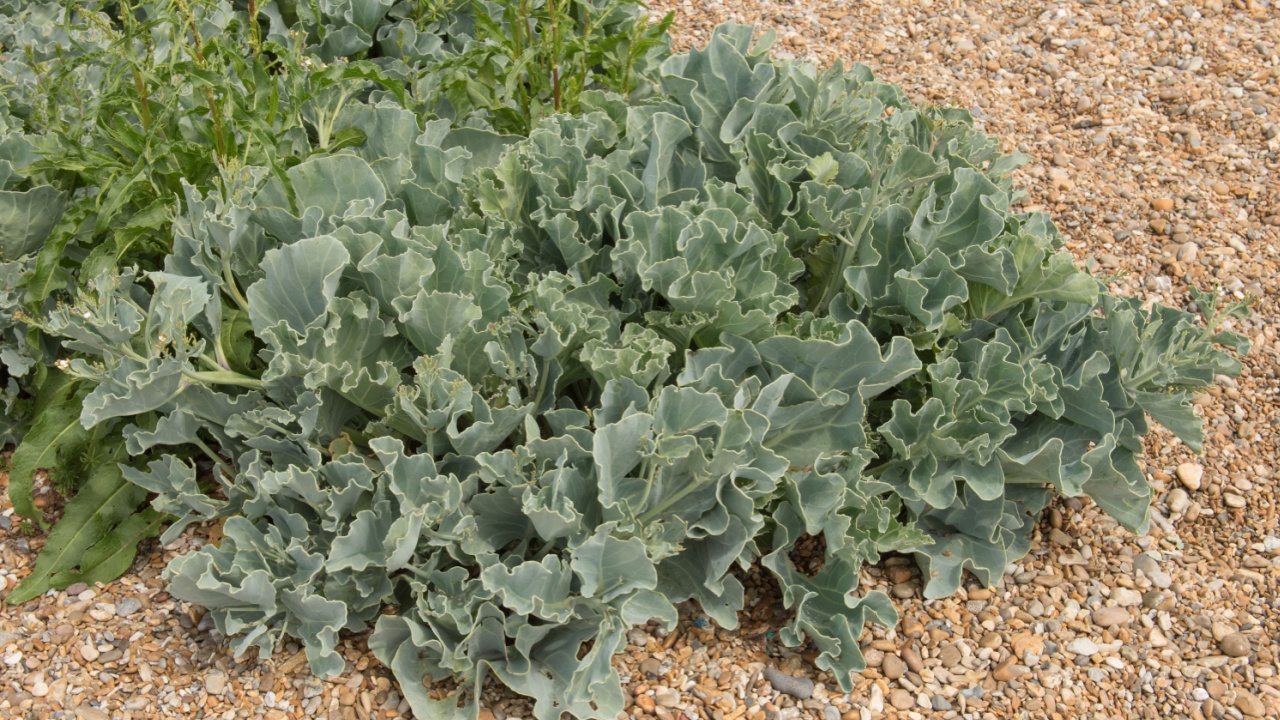
Kale is the single best vegetable to start in July for a fall harvest, and it is not close. While most crops surrender at the first frost, kale gets sweeter. The cold triggers a chemical process that converts stored starches in the leaves into sugars, a survival mechanism that happens to make kale taste remarkably better than anything harvested in summer.
Plant kale seeds directly in the garden now and expect baby greens in about 30 days. For mature leaves, plan on 55 to 75 days. According to Gardening Know How, “kale sweetens nicely as it matures in cold weather and especially after a frost,” and in Zones 6 and above, wide varieties continue producing through winter. A single packet of seeds costs about $3 and will produce greens worth $40 to $60 at the grocery store.
Harvest the outer leaves regularly, and the plant keeps producing for months. That is the kind of return on investment that makes fall gardening worth every minute.
2. Carrots
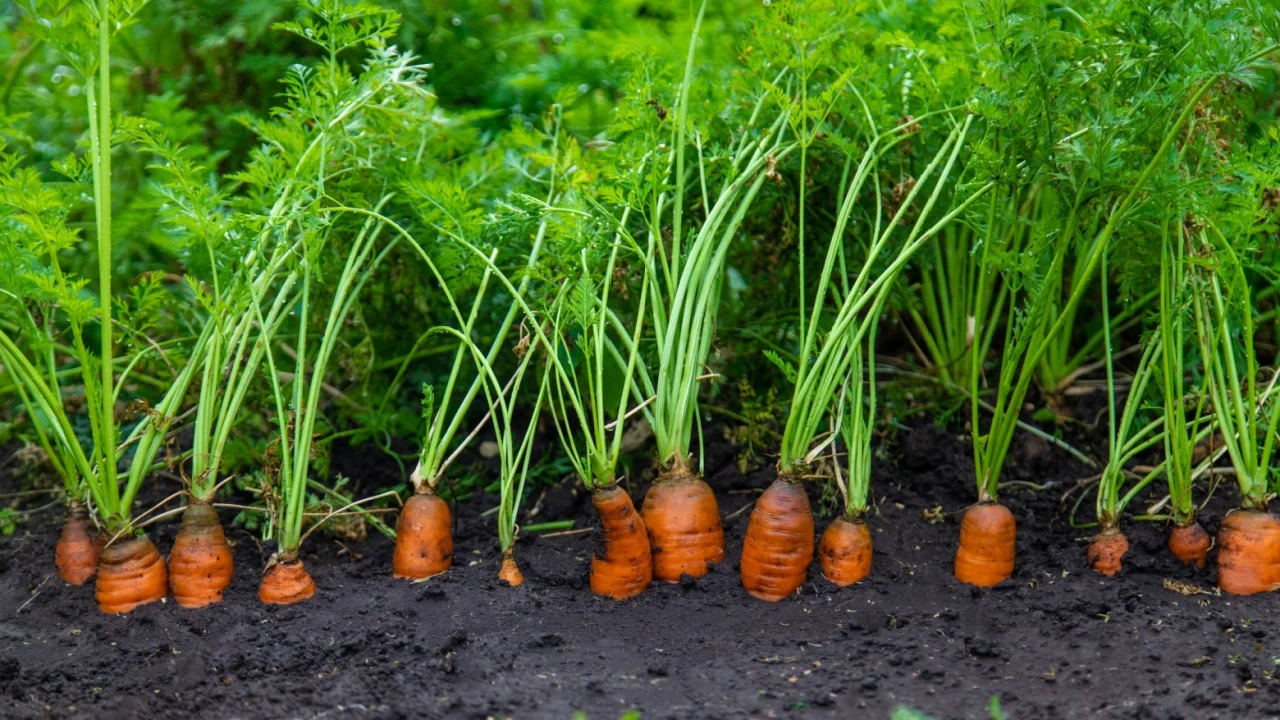
If you have only ever eaten store-bought carrots, you do not actually know what a carrot tastes like. July-planted carrots mature just as the first frosts arrive, and that cold snap transforms them. According to Iowa State University Extension, the cooling temperatures of fall cause carrots to develop a significantly sweeter flavor as starches convert to sugars in the roots.
Carrots need 70 to 80 days to mature, which means a mid-July planting hits the sweet spot for an October or November harvest. Raised beds work best because carrots need loose, rock-free soil to develop straight roots. Keep the seedbed consistently moist during germination; carrot seeds are notoriously finicky about drying out.
Leave a few carrots in the ground under heavy mulch after the first frost. Many experienced gardeners report that overwintered carrots, pulled in January or February, are the sweetest produce they have ever tasted.
3. Beets
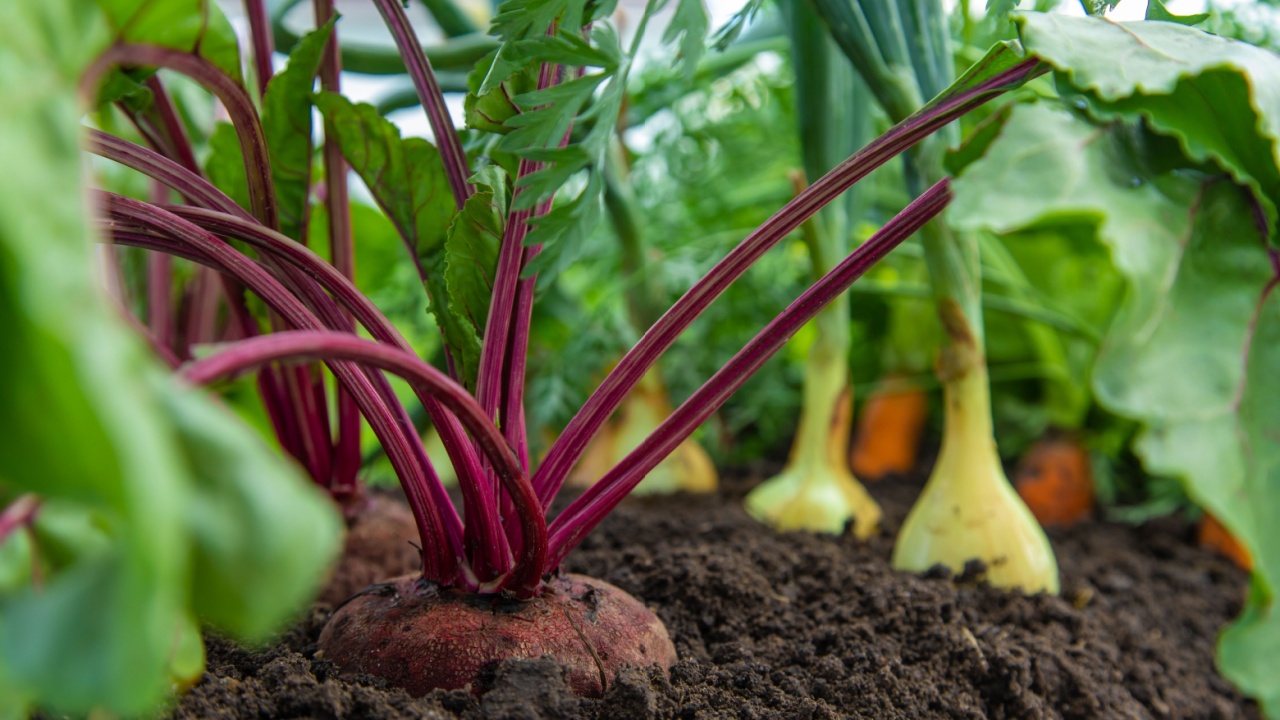
Beets are the overachievers of the fall garden because they give you two harvests from one seed. You eat the roots roasted, pickled, or sliced into salads, and you eat the greens sautéed or raw. That dual yield stretches your grocery savings further than almost any other crop.
Sow beet seeds directly in the garden in July and expect to harvest in 50 to 70 days, depending on the variety. As Ross Pearson writes in Homes & Gardens, beets “offer two harvests in one: roots below and edible leaves above” and develop better flavor as autumn temperatures improve their sweetness. Thin seedlings to two to three inches apart; overcrowding produces woody, undersized roots.
One packet of beet seeds costs around $2. A comparable amount of fresh beets and beet greens at the grocery store would run you $15 to $25. That is the kind of math that makes fall planting feel less like a hobby and more like common sense.
4. Bush Beans

Bush beans are the fastest way to fill your freezer before winter. They germinate explosively in warm July soil, mature in just 50 to 60 days, and produce heavily right up until the first frost kills them. According to Gardening Know How, “bush beans germinate well in warm soil, and they grow fast,” with consistent harvesting encouraging ongoing production.
The financial return is hard to beat. A $3 packet of bush bean seeds can yield 10 to 15 pounds of green beans, worth $30 to $45 at current grocery prices. Keep picking every few days, and the plants respond by producing even more.
As a bonus, bush beans fix nitrogen in the soil, actually improving it for next spring’s crops. You are feeding yourself now and fertilizing your garden for free at the same time.
5. Radishes
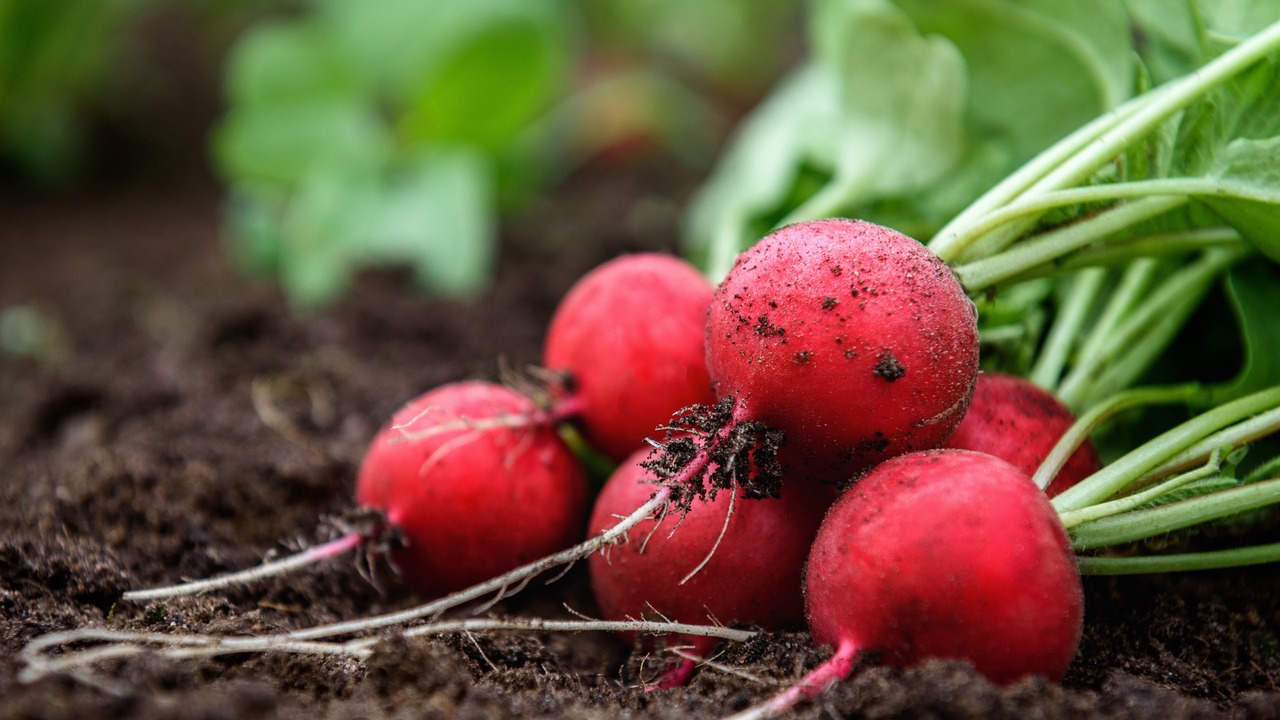
If you need proof that July planting works, radishes will deliver it in less than a month. Wide varieties go from seed to harvest in 25 to 30 days, making them the fastest vegetable in the garden by a wide margin. According to Homes & Gardens, “fall-grown radishes are usually superior to spring crops” because cooler conditions produce crisper roots with milder flavor.
Sow a short row every two weeks through July and August for continuous harvests. Radishes grow in beds, raised beds, or containers as shallow as six inches. They are the ideal confidence builder for anyone who has never planted a fall garden before.
The cost is almost laughable. A packet of radish seeds runs about $2 and produces dozens of radishes. The same quantity at the grocery store would cost $8 to $12, if you could even find them that fresh.
6. Lettuce
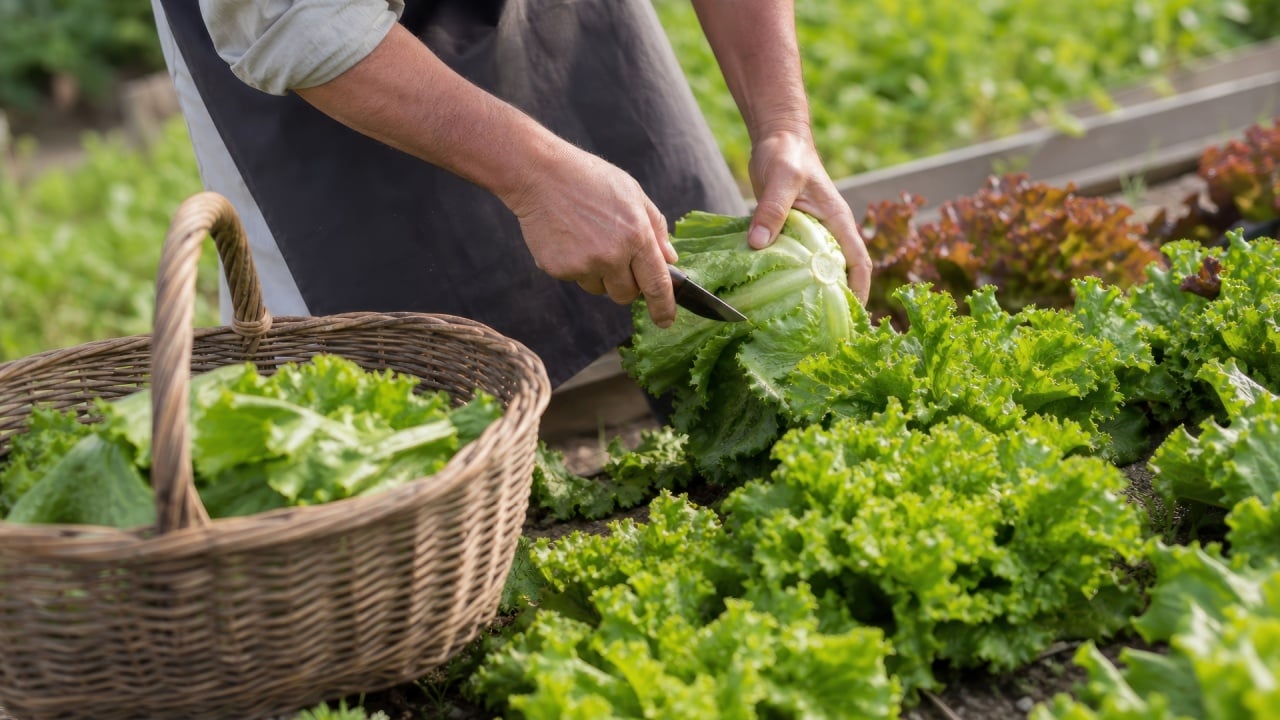
Stop buying $5 bags of salad greens that wilt in your refrigerator after three days. Lettuce planted in July matures in 30 to 45 days, and you can start harvesting baby greens even sooner. As Jessica Sowards of Roots and Refuge writes, “homegrown lettuce tastes completely different from lettuce you get in the grocery store, and growing it yourself will save you a fortune.”
The secret to July-sown lettuce is choosing heat-tolerant varieties and providing a bit of afternoon shade until temperatures cool. Once established, fall lettuce avoids the bolting that plagues spring crops and stays tender for weeks longer. Sow a new row every two weeks, and you will have fresh salad greens from August through the first hard freeze.
A single packet of lettuce seeds can replace $50 to $80 worth of store-bought salad over the course of a fall season. That is not a rounding error in your grocery budget; that is a meaningful difference.
7. Turnips
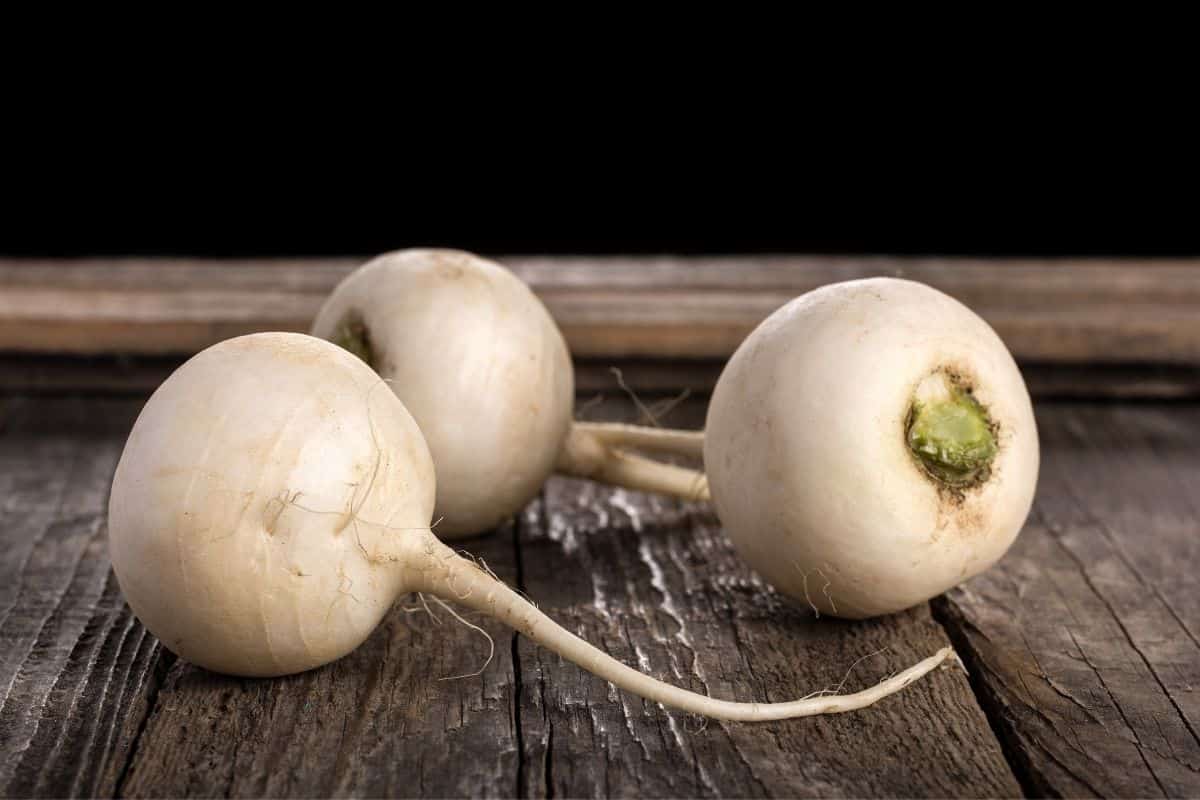
Turnips are the most underrated vegetable in the fall garden, and The Old Farmer’s Almanac has been saying so for over a century. July-sown turnips mature in just 45 to 70 days, and both the roots and the greens are edible. According to Colorado State University Extension, turnips can be “planted in July for a fall harvest” with a typical maturity of about 50 days.
Young turnips harvested at golf-ball size are sweet, crisp, and nothing like the oversized, woody specimens that gave this vegetable its undeserved bad reputation. Roast them, mash them, or eat them raw with a little salt. The greens are packed with vitamins and cook down beautifully.
For gardeners who remember their grandparents growing turnips in the fall, this is a tradition worth reviving. The flavor improves after a light frost, the plants are nearly indestructible, and a $2 packet of seeds replaces $20 or more in root vegetables and cooking greens.
8. Broccoli

Broccoli takes longer than the other vegetables on this list, but it is worth the wait. Start seeds indoors right now, in mid-July, and transplant the seedlings into the garden about six weeks before your first frost. According to Iowa State University Extension, broccoli is classified as a hardy crop that “will survive temperatures in the mid to lower 20s°F” and is “frequently harvested after the first frost.”
The advantage of fall broccoli over spring broccoli is significant. Fall-grown heads are denser, more flavorful, and far less likely to be destroyed by cabbage worms, which are less active in cooler weather. Professional gardeners know this, which is why many commercial growers actually prefer fall production.
A single broccoli plant can produce a large central head followed by weeks of side shoots. At $3 to $4 per head at the store, three or four plants can easily save you $20 to $30 on broccoli alone. Start the seeds indoors in a cool room and move them outside when the worst of the summer heat has passed.
What to Do This Weekend
The most important step is finding your average first frost date. The Farmer’s Almanac frost date calculator makes this simple; enter your ZIP code, and you will have the date in seconds. Count backward from that date using the “days to maturity” on your seed packets, then add 14 extra days. That two-week buffer, what experienced gardeners call the “fall factor,” accounts for the slower growth that comes with shorter days and cooler soil.
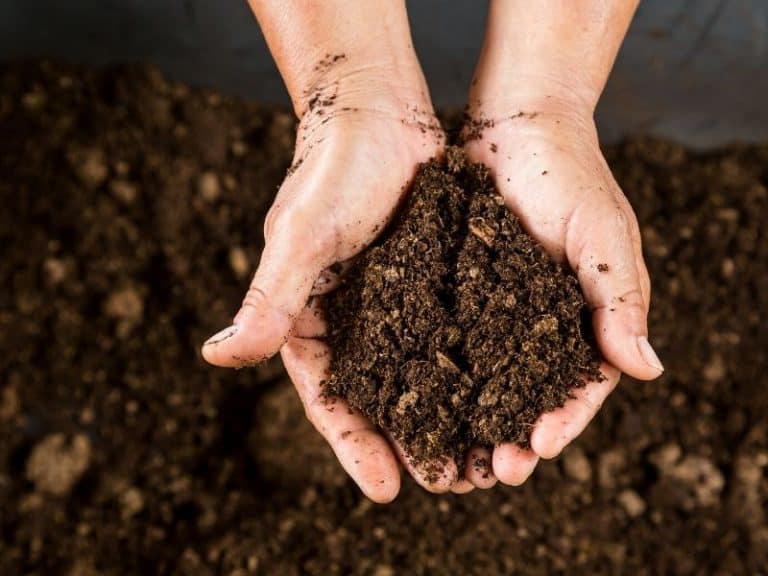
Before planting, work a few inches of compost into the beds where your spring crops have finished. Mulch after planting to keep the soil cool and moist. Water consistently, especially during the first week after sowing; seeds need steady moisture to germinate in July heat. If temperatures are above 90°F, consider a simple shade cloth over newly planted beds until seedlings establish.
The most overlooked truth in home gardening is that fall is actually easier than spring. The pests are winding down, the weeds grow slower, and the weather is moving in your favor rather than against you. For gardeners who find the July and August heat exhausting, fall harvesting happens in the most comfortable weeks of the year.