Why One Niagara Homeowner Refuses to Sign Away Her Rights for a Radioactive Soil Test
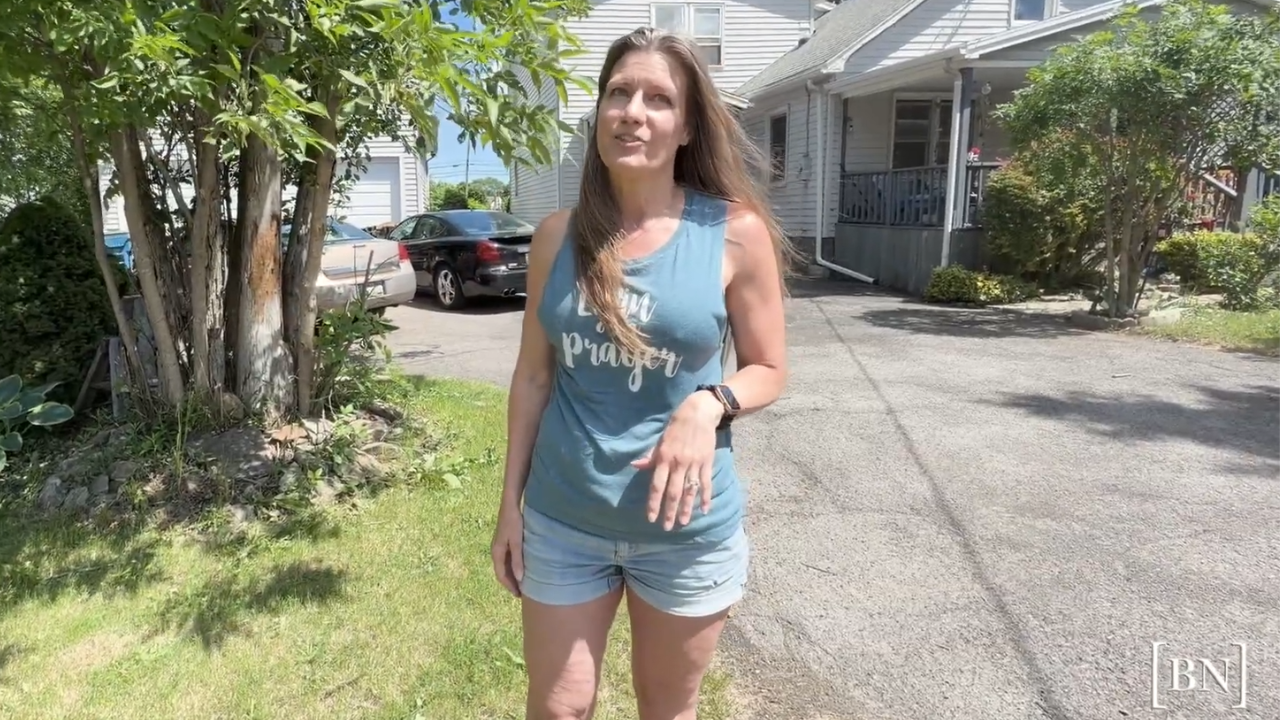
Carolyn Johnson has lived on Fox Avenue in the town of Niagara for 36 years and raised her entire family there. But now, one single letter has forced her to re-evaluate the area in which she watched her loved ones enjoy their lives. Two environmental agencies wrote to inform her that they wanted to test her property for radioactivity.
The notice came from the New York State Department of Environmental Conservation and the U.S. Environmental Protection Agency. It was part of an ongoing investigation into radioactive hotspots across Niagara and Erie counties. She had already been privy to a private test that found high radioactivity in both her front and back yards. Since receiving the letter, she’s been understandably concerned about the very grounds her family played on and their potential effects on their health.
The testing is part of what the agencies call the Niagara and Erie County Radiological Assessment, now in its third phase. Launched in 2023, it has moved from an aerial survey to a roadway survey covering roughly 1,000 miles and now to checking individual properties singled out along the way. For decades, a gravel-like industrial byproduct known as slag, some of it radioactive, has been sold to fill driveways and parking lots — and it seems this might have affected Johnson’s property as well.
Johnson wants the testing done. What she won’t do is sign the form the agencies sent to get it. The access form asks property owners to waive “any and all claims” to seek or receive reimbursement from the DEC, the EPA, or the state, now or in the future. To her, that is too much to give up before anyone even knows what is in her yard. Her case has stalled there. The standoff points back to the history that put her property on a list, and forward to a consent form many homeowners will find hard to sign.
Why The Property Is Under Suspicion
Niagara County has a much more storied radioactive history than other areas. During and after World War II, Lake Ontario Ordnance Works stored uranium ore-processing residues from the Manhattan Project. Later, plants produced slag that ended up being spread cheaply across yards and other locations in the area. Surveys were mapping radiation across the region as far back as the 1980s. A 2016 investigation by the Gazette’s partner, Investigative Post, found that officials had long known of at least 60 contaminated properties in Niagara County and on Grand Island.
Radioactivity back then was measured at three to more than 70 times the natural background. Some sites have since been cleaned up, including a bowling alley and building-supply lot on Niagara Falls Boulevard. The current EPA and DEC assessment is meant to fill in the rest of the map. It is careful work, though, because a radiological reading picked up from the air or a passing truck does not always mean contamination. The agencies note it can come from natural features like glacial deposits or bedrock, or from something as ordinary as a brick building or a granite curb. That is why they want to test the soil directly.
The Catch in the Consent Form That Changes Things
The DEC and EPA sent out access forms asking permission to enter properties and do an initial radiological check, using handheld detectors, soil samples, and photos. The sticking point is a single clause. By signing, an owner waives any claim, now or later, to seek reimbursement from the DEC, the EPA, or the state. Johnson read that and stopped. She is willing to let them test, but not to surrender her rights to do it. As she put it, “Residents shouldn’t have to give up any of their rights.”
That has left her in a standoff. Johnson has asked the agencies to test without the waiver, and so far they have not agreed. She also says they will not share the results of earlier surveys unless she signs first. To her, that makes the trade feel one-sided, her rights in exchange for information she cannot see.
The DEC, for its part, calls the waiver language standard for access agreements like this one, and says the assessment is being done out of an abundance of caution to get current, scientific answers. Whatever Johnson decides, the test will need to have its results reviewed by the EPA and the state health department before anyone discusses cleanup.