A New Homeowner Found a Kingsnake in Her Boiler, and Two More May Still Be in the House
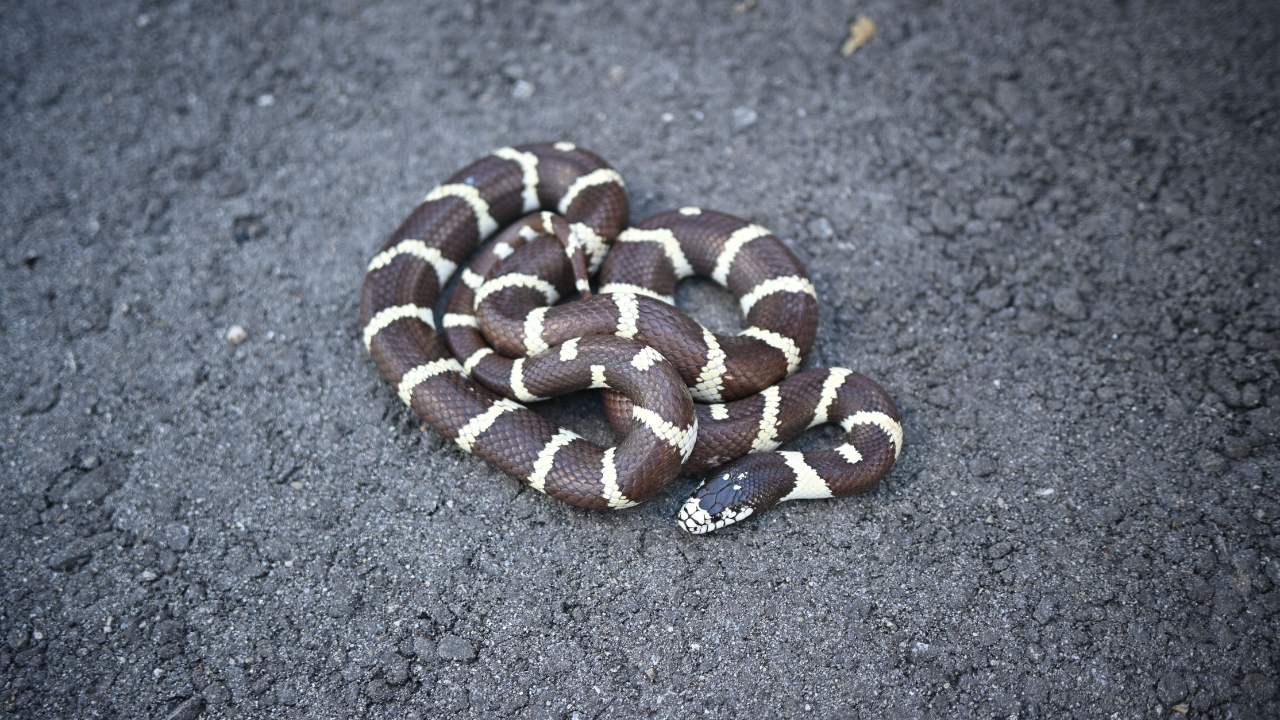
Moving into a new home comes with the usual surprises: a sticky window that won’t open all the way, damaged flooring, or a lightswitch that won’t turn on. A woman in Workington, England, got an even stranger one. Not long after she settled in, a kingsnake slithered out of the boiler in her kitchen.
But that was just the start of things. The woman called Pet Encounter Cumbria, a local animal sanctuary. What its staff told the BBC made the find more troubling. The previous occupant of the house had reportedly owned three snakes and may have released them before moving out. One of them was now in the boiler. The other two had not been found.
The kingsnake hadn’t been living well. When rescuers took it in, its scales were damaged and it was very hungry. The sanctuary rehydrated it, checked it over, fed it, and got it settled for the night. Its keepers didn’t hide their anger at how it had been left. As sanctuary worker Siobhan Harkness put it, “No animal deserves to be treated like that.”
For the one snake, it’s thriving. It’s safe and looking for a permanent home. The two still loose are another issue entirely. Turning an exotic animal loose is a bad idea for everyone, the animal most of all. And we’re seeing the issues that happen because of humans’ negligence.
How an Escaped Pet Snake Ends Up in a Boiler
A snake heading for the boiler isn’t just a random move. Reptiles are cold-blooded. They cannot make their own body heat, so they borrow it from whatever is around them. In a house, the warmest spots are often the ones this snake found, a boiler, a utility room, the back of an appliance. An escaped reptile with no heat lamp will hunt for the next best source of warmth, and a boiler cupboard is close to ideal.
The snake was almost certainly someone’s former pet. Kingsnakes come from the Americas, not the north of England, and they are common in the exotic-pet trade because they are hardy and easy to handle. A pet snake, whether you purchase one or find one, depends completely on its owner for heat, food, and water. Cut off from all three, it starts to fail. This one showed up with damaged scales and an empty stomach, which means it was likely left on its own.
Why You Never Free an Exotic Pet
Releasing a pet like this is one of the worst things an owner can do, and it fails on two fronts. For the animal, it is close to a death sentence. A kingsnake set loose in England faces cold it did not evolve for, no reliable food, and no heat source, which usually means dehydration, starvation, or worse. This one got lucky by finding its way indoors. Many released pets do not.
When a non-native animal survives outdoors, it can prey on local wildlife or crowd it out, the pattern behind invasive-species problems worldwide. A snake from another continent has no place loose in the English countryside, for its own sake and everyone else’s. When keeping a pet is no longer possible, rescues and sanctuaries will take it in, which is what happened here once someone made the call. If you happen to inherit a “bonus” or “surprise” snake, it might be better to let professionals handle the situation so as not to cause any issues with either the animal or the way you care for it.