The New American Dream? A Second Home in the Backyard
More and more families are finding similar answers to the housing squeeze. They’re building a second, smaller home in the backyard. Their goal is to let several generations share one property while keeping their own front doors. Grandparents, parents, and grandchildren all end up a short walk apart instead of a long drive away. Now, a new wave of state laws is making that very thing much easier to do.
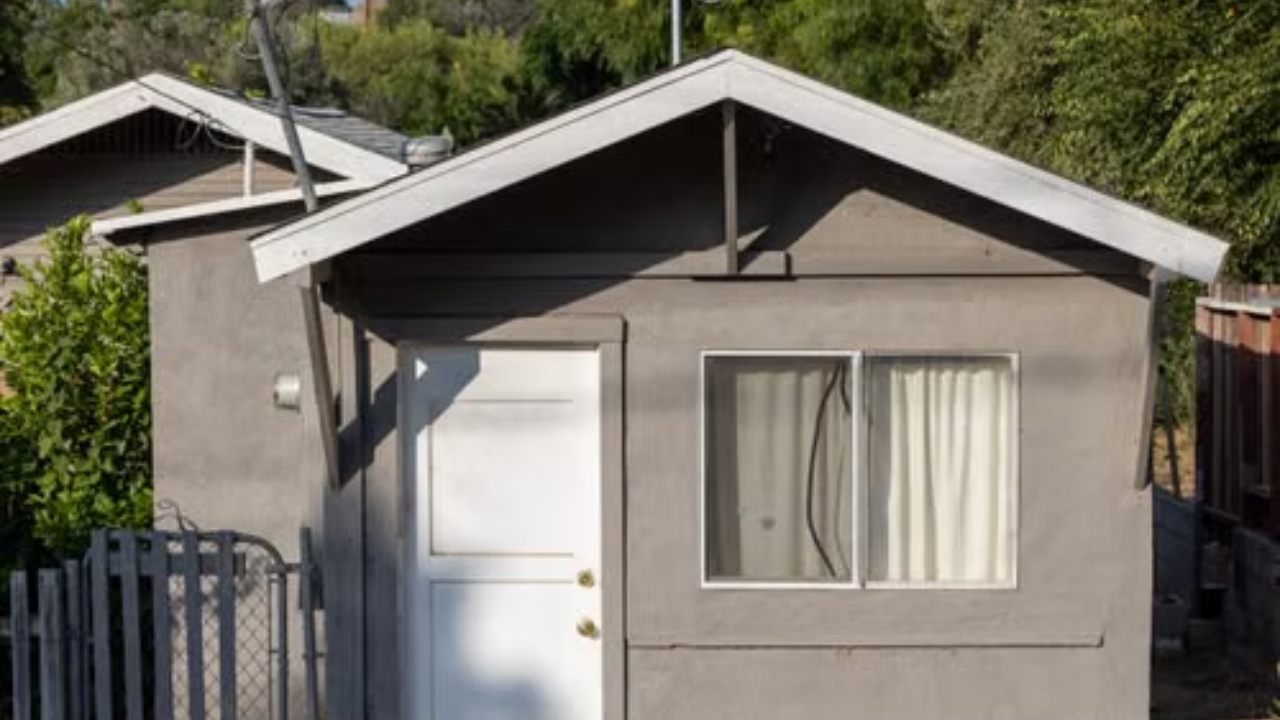
These backyard homes have a bureaucratic name, accessory dwelling units, or ADUs, though most people know them as granny flats, in-law suites, or casitas. An ADU can be a converted basement, an apartment over the garage, or a small standalone house out back. Whatever the form, they were illegal to build in much of the country for decades, thanks to zoning that allowed only one home per lot. That is changing quickly. According to the Washington Post, citing New York University’s Furman Center, 24 states have now passed laws to enable ADUs, 11 of them in just the past two years.
Plenty of ADUs become rentals, a source of extra income for the homeowner. Nearly as often, though, they house family. Sometimes it is an aging parent moving into a small home on their adult child’s property. Sometimes it is a grown child living over the garage instead of moving across the country. In California, which has led the country in legalizing ADUs, surveys have found that roughly 3 in 10 owners have a relative living in the unit.
Consider one family outside Boston. After Massachusetts loosened its ADU rules in 2024, Joel and Oreon Mode floated a plan to their son Carter and his wife, Zoe. The Modes would build a 900-square-foot house in their own backyard and move into it. Then they would sell the larger house, the one Carter grew up in, to the young couple at a steep discount. It is a snapshot of where this is heading, and it points to the two sides of the story, the reasons the boom arrived now, and the obstacles that remain.
Why the Boom Is Happening Now
For most of the last century, building a second home on a single-family lot was simply against the rules. Zoning across much of America allowed one house per parcel, which quietly outlawed the backyard cottage. Undoing that has become a rare point of bipartisan agreement. Groups like AARP have spent years lobbying statehouses to let homeowners add ADUs without special permission. Lawmakers on both sides have signed on, drawn by the promise of more housing without big apartment blocks.
The demand was already there, waiting for the rules to catch up. Housing has grown brutally expensive, pricing young adults out of their own places and making a spot in mom and dad’s backyard look sensible. At the other end of life, most older Americans say they want to age in their own homes and communities rather than in a facility, ideally near family who can help. An ADU threads that needle. It keeps a parent close enough for Sunday dinner and daily check-ins, while giving everyone a private front door and a measure of independence.
What Continues to Make the Situation Difficult
This is neither cheap nor simple. A detached backyard home is still a house, with a foundation, a kitchen, and utility hookups, and the bill often climbs well into six figures. Financing can be its own maze, since a construction loan or a cash-out refinance is a bigger reach than a kitchen remodel. Even where ADUs are now legal, local permitting, parking requirements, and design rules can slow a project to a crawl. Legal on paper does not always mean easy in practice.
Many towns agreed to allow ADUs, picturing a grandmother in the backyard, not a stranger paying rent. In reality, both happen. In California, owners turn out to be a bit more likely to rent the unit to a stranger than to house a relative, the very outcome some communities feared. Even counting how many families live this way is hard, because the Census treats some ADUs as separate households and folds others into the main home. As one housing researcher put it, “we want them to do a lot of things,” from steadying families to easing a national housing shortage. Whether one small building can carry all of that is the real test ahead.