Wildfire Evacuations Are Happening More Than Once, and Homeowners Need a Plan Before the Smoke Arrives
For some Western homeowners, wildfire evacuation is no longer a one-time decision. It can mean packing up, returning home, and then being told to leave again.
That is what Anitra Cornish faced near Eureka, Utah, when smoke and flames from the Iron Fire pushed her and her 86-year-old aunt to evacuate, according to AP News.
They returned after five days, only to face another evacuation about 24 hours later.
For homeowners in fire-prone areas, repeat evacuations change what preparation needs to look like. A plan has to account for shifting wind, changing fire lines, closed roads, pets, medications, documents, and the possibility that residents may not be allowed back for long.
Repeat Evacuations Are Wearing Families Down
AP reported that residents in several Western states are dealing with evacuation orders, changing fire behavior, and the stress of not knowing whether their homes will still be standing.
In Ouray, Colorado, Chantelle Geyer said her family was ready to evacuate as smoke from the Gold Mountain Fire moved over the mountain near her home. Her daughter was anxious about leaving, while her younger son did not want to sleep because the fire could change overnight.
Firefighters Are Stretched Across the West
More than 9,000 personnel were working this week to contain fires around the country, including more than 50 large fires, according to AP’s report citing the National Interagency Fire Center.
Three firefighters were killed last weekend while fighting a wildfire near the Colorado-Utah border, underscoring why evacuation orders need to be followed quickly when officials say an area is no longer safe.
A Go Bag Should Be Ready Before the Warning
Ready.gov advises households to keep enough supplies for everyone, including a first-aid kit, in a go bag or vehicle.
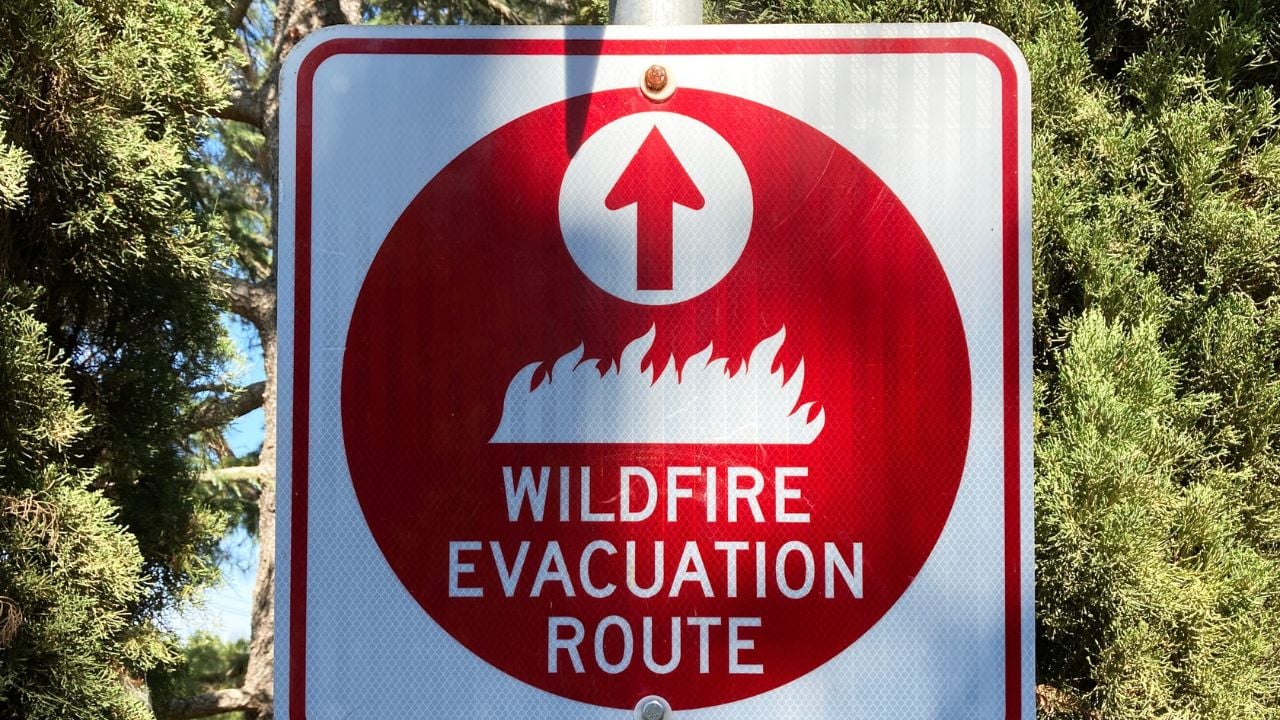
Ready for Wildfire recommends keeping water, food, medications, important documents, extra clothing, cash, batteries, and pet supplies ready to take. The agency also advises planning at least two evacuation routes in case fire, smoke, traffic, or road closures block the first option.
The Yard Matters Before Fire Season Peaks
Evacuation planning is only one part of wildfire preparation. Ready for Wildfire says defensible space creates a buffer between a home and surrounding vegetation, helping slow fire spread and giving firefighters a safer area to work.
Before smoke is visible, homeowners should clear dry leaves and debris, move flammable items away from the house, trim vegetation, prepare pets, and keep vehicles fueled or charged. When an evacuation order is issued, the safest plan is the one that is already packed, discussed, and ready to use.