Mobile Home Residents Faced Water Shutoff Over Someone Else’s Bills. Now the City Must Change Its Rules
An Illinois city has agreed to pay more than $42,000 and rewrite its water-shutoff rules after mobile home park residents faced losing service over bills tied to the property owner.
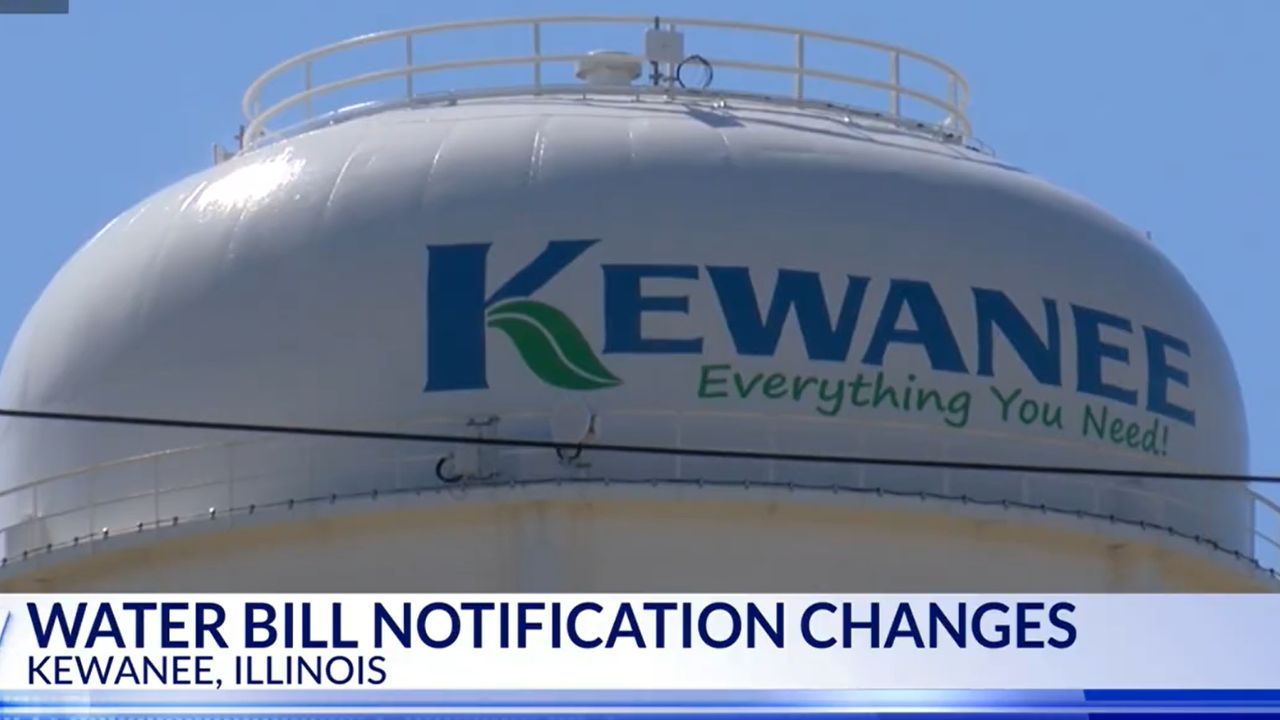
The dispute involved residents of the former Reecy’s, Reecy’s East, and Southwind mobile home parks in Kewanee. According to The Cool Down, the city agreed to a $42,170 settlement after a 2025 lawsuit brought by residents represented by Prairie State Legal Services.
The lawsuit argued that Kewanee’s policy violated residents’ constitutional rights because water service could be cut off without notice to the people actually living in the homes.
Mobile home residents often own the structure they live in while renting the land underneath it. When a park owner, landlord, receiver, or lender controls the utility account, residents can be exposed to shutoff threats over debts they did not create.
The Bills Were Tied to the Park Owners
Kewanee Voice reported that a Chicago-area bank holding a mortgage on the three parks owed the city nearly half a million dollars in unpaid water bills, according to city officials.
Under the court ruling and settlement, trailer park residents may not be held liable for water bills owed by the park owners. Prairie State Legal Services said the city must also waive water balances that accrued through March 2026.
The City Must Add Shutoff Protections
Prairie State Legal Services said Kewanee must amend its Municipal Code within 90 days. Water service cannot be discontinued unless both the property owner and tenant receive notice of delinquency and a 30-day opportunity to address the issue.
The settlement also says tenants and mobile home park residents cannot be held retroactively responsible for unpaid amounts owed by a landlord or mobile home park owner.
Water Shutoffs Can Threaten Housing Stability
Without water, residents can lose access to drinking, cooking, bathing, laundry, toilet flushing, and basic sanitation inside the home.
Residents in mobile home parks, rental homes, or properties with shared utility accounts should save every shutoff notice, ask whose name is on the utility account, document payments made to a landlord or park owner, and contact a legal-aid group or local housing attorney if service is threatened over another party’s debt.