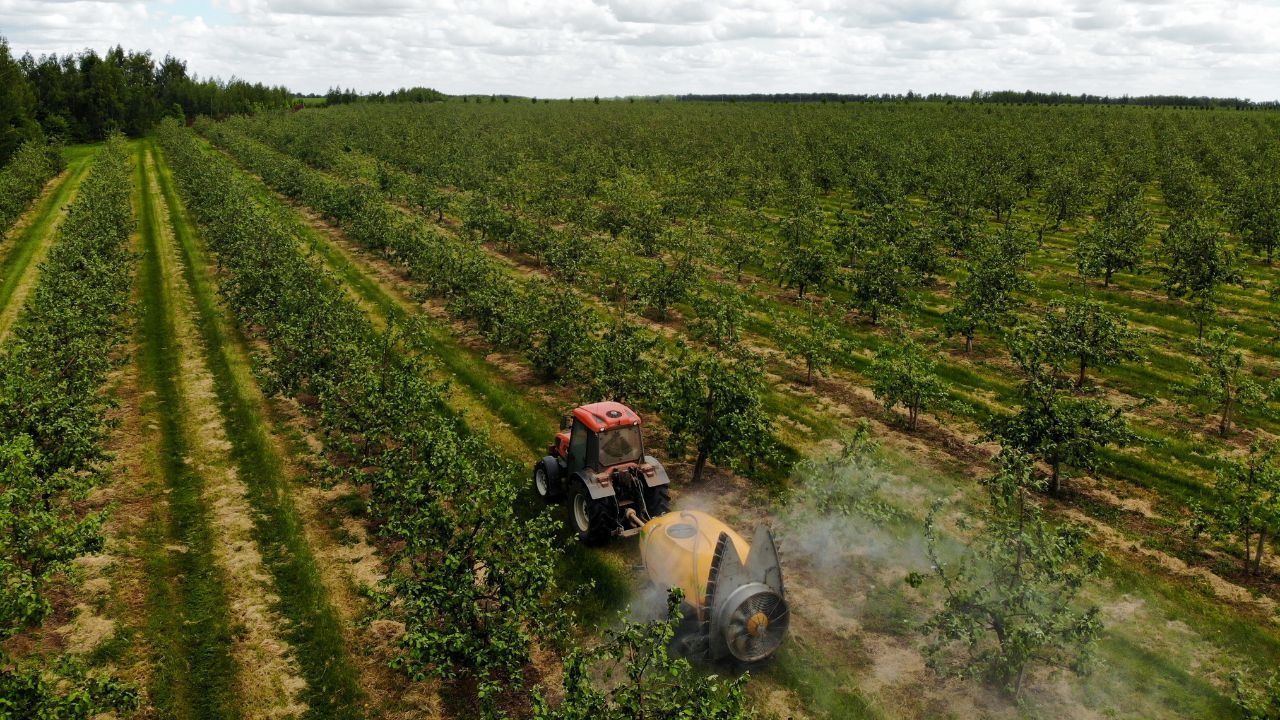
Vermont Just Banned a Weed Killer That EPA Says Should Not Be Used Around Home Gardens
Vermont has become the first U.S. state to ban paraquat, a widely used agricultural weed killer at the center of a long-running health debate.
The herbicide is used on crops including soybeans, cotton, corn, apples, and grapes, according to AP. Lawmakers cited concerns about a possible link between paraquat and Parkinson’s disease when moving the ban forward.
The rule is especially relevant for readers who live near farms, orchards, vineyards, or other agricultural land. Paraquat is not a normal backyard weed-control product.
EPA says there are no homeowner uses for paraquat products and no products registered for application in residential areas. The agency also says paraquat should never be used around home gardens, schools, recreational parks, golf courses, or playgrounds.
The Ban Begins November 1, 2026
The Vermont ban goes into effect Nov. 1, 2026, with a longer transition period for some growers. AP reported that farmers using paraquat on fruit-producing orchards, berries, and small fruit crops have until 2030 to transition away from the herbicide.
The New Lede reported that Gov. Phil Scott signed the legislation May 26. The law allows limited exemptions through the transition period when no less harmful pesticide would work for an environmental or agricultural emergency.
EPA Says Paraquat Is Restricted and Highly Toxic
EPA says all paraquat products registered in the United States are restricted-use pesticides that may only be used by trained certified applicators. Unlike many other restricted-use products, EPA says paraquat may not be used by people working only under the supervision of a certified applicator.
The agency also warns that paraquat is highly toxic, that one small sip can be fatal, and that there is no antidote. EPA says paraquat should never be transferred to food or drink containers, should be secured from children and unauthorized people, and should never be stored in or around residential dwellings.
The Health Debate Is Still Contested
AP reported that Parkinson’s advocates and some health experts see Vermont’s ban as a major public-health step, especially for farmworkers and people with exposure to agricultural chemicals.
EPA says studies on paraquat and Parkinson’s disease have produced conflicting results. The agency says it has not found a clear link between paraquat exposure from labeled uses and adverse health outcomes such as Parkinson’s disease or cancer.
Vermont is moving ahead with a state ban based on health concerns, while EPA continues to allow restricted agricultural uses under federal rules.
Farmers Warn the Change Could Raise Costs
Some Vermont farmers told AP the ban could make their work more expensive. Greg Burtt, who owns a family apple orchard and serves as a Republican Vermont lawmaker, called paraquat a critical tool and said growers in states that still allow it may have a cost advantage.
Alternatives can include other herbicides, hand weeding, mechanical tilling, and crop rotation, but AP reported that those options can bring their own costs or risks.
Paraquat is not a product for residential weed control, and EPA says it should not be used around home gardens. Anyone who finds an old container, unlabeled chemical, or suspected paraquat product near a home should keep children and pets away and contact local authorities or pesticide regulators before handling it.