A Storm Knocked Out Power. Then Repair Equipment Tore Up a Homeowner’s Lawn
A South Bend homeowner got her power restored after a June 11 storm, but the repair work left a second problem across her backyard: deep lawn damage.
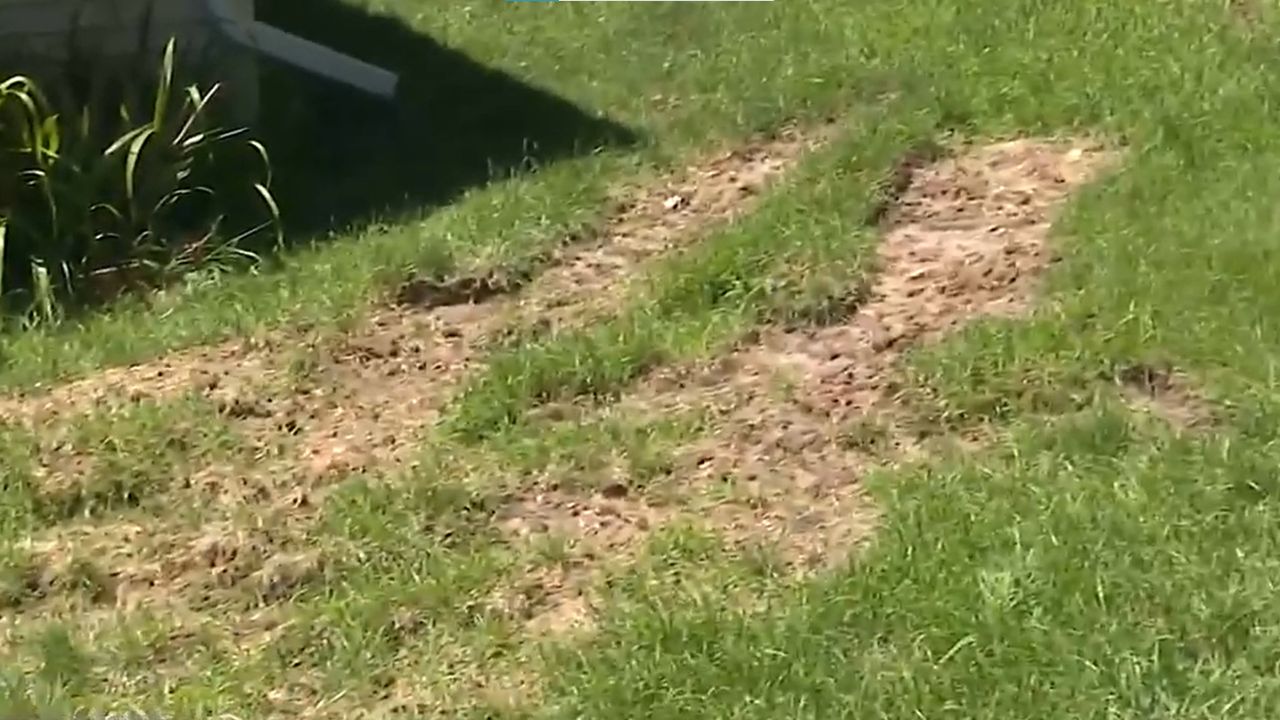
Geraldine Woodard, who lives off Riverside Drive, told WNDU that a storm knocked down a power line in her backyard. Indiana Michigan Power sent a crew to repair the line, but Woodard said the company’s machinery left deep divots in the grass.
The storm itself caused real damage across northern Indiana. The National Weather Service said its June 11 event included at least 14 confirmed tornadoes from surveys conducted between June 12 and June 18, along with straight-line wind damage across the area.
For homeowners, storm recovery can bring a second round of property problems after the power comes back. Utility crews may need fast access to poles, wires, and downed lines, but heavy equipment can leave lawns, soil, landscaping, and backyard access paths needing repairs of their own.
A Downed Line Brought Crews Into the Backyard
Woodard told WNDU she was in bed when she heard a loud noise that shook the back of her house. She said a second tree uprooted around 2 a.m. the next morning, fell onto another tree that was already down, and broke the power lines.
I&M restored power quickly, according to the station. Woodard’s remaining concern was the condition of the yard after repair equipment moved through the property and behind the garage to reach the pole.
The Storm Brought Widespread Damage
The National Weather Service’s Northern Indiana office said the June 11 severe weather event included tornadoes and damaging straight-line winds. Wind reports listed by the agency included gusts of 56 mph in St. Joseph County and stronger readings elsewhere in northern Indiana.
That storm context helps explain why repair crews may need quick access to private property after trees and power lines come down. Once the immediate hazard is handled, homeowners are left looking at the ruts, torn grass, compacted soil, and repair work still ahead.
I&M Said It Would Work With the Customer
WNDU reported that its I-Team called I&M while heading to Woodard’s home. Within minutes, Woodard received a call saying a company representative would come assess the damage.
An I&M representative later arrived while the station was there and said photos would be taken. The company told WNDU, “We try every measure to protect our customers’ homes and their property. We will be working directly with the customer to reach a solution.”
Damage Claims Need Photos, Receipts, and Dates
AEP’s claims portal says people who believe AEP caused property damage can call to submit a claim and should provide documentation such as invoices, receipts, and photographs.
The portal also says missing documentation may delay evaluation and that AEP usually approves or denies submitted claims within 30 days.
For lawn damage after utility work, homeowners should photograph ruts, tire tracks, damaged grass, soil displacement, fences, gates, landscaping, and any path equipment used to reach the repair area before cleanup changes the scene.
Repair estimates, dated notes, emails, service-call information, and receipts for soil, seed, sod, grading, or landscaping work can help keep the claim focused on what changed after the emergency repair.