A Deadly Backyard Electrical Fire Is Raising New Concerns About DIY Solar Projects
A deadly Glendale, Arizona, house fire is raising new concerns about backyard electrical work, do-it-yourself solar projects, and lithium battery systems.
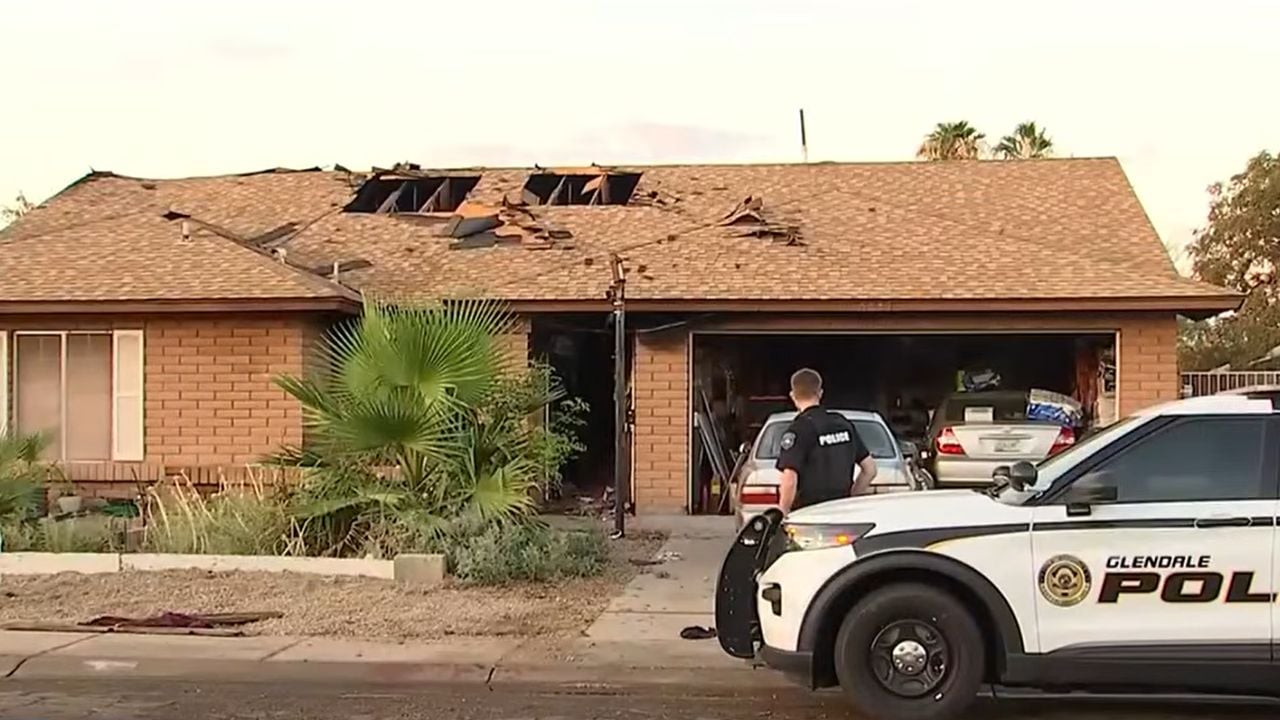
The Glendale Fire Department said the fire started in the backyard of a home near 63rd and Peoria avenues and was caused by an electrical malfunction, according to AZFamily.
Officials classified the fire as accidental. Investigators had not identified the exact component or equipment failure, and AZFamily reported that further examination would typically be handled by a qualified electrical engineer as part of an insurance investigation.
The fire broke out around 1:30 a.m. on June 14. A 76-year-old woman who was trapped inside later died from smoke inhalation.
The Fire Started in the Backyard
AZFamily reported that a separate source with knowledge of the situation said the malfunction was tied to a do-it-yourself solar installation the homeowner was assembling, including a lithium battery system.
Neighbors told the station they had seen solar panels, numerous wires, and the homeowner installing equipment before the fire.
Glendale fire officials confirmed the backyard electrical malfunction, but they had not publicly named the exact failed component in the initial investigation update.
DIY Solar Can Carry Serious Electrical Risk
Solar United Neighbors representative Adrian Keller told AZFamily that residential solar has become more accessible as homeowners look for relief from high electric bills.
Keller said the risk increases when homeowners try to handle complex electrical work themselves. He said solar equipment connects to a live electrical network, and lithium battery systems add another layer of concern.
He also told AZFamily that Arizona law requires the final tie-in to the electrical grid and meter to be performed or supervised by a licensed electrical contractor.
Battery Systems Add Another Fire Concern
The National Fire Protection Association warns that lithium-ion batteries can create fire risks when they are damaged, improperly charged, incorrectly stored, or modified.
The U.S. Fire Administration tells residents to stop using lithium-ion batteries if they notice odor, color change, excessive heat, shape change, leaking, or odd noises.
The EPA says lithium battery fires can be extremely difficult to extinguish and may reignite hours or days later. For homeowners considering solar-plus-storage, backup power, or large battery banks, that risk belongs in the planning stage, not after equipment is already connected.
Permits and Inspections Are Part of the Safety System
The U.S. Department of Energy says qualified solar installers work to meet local building, fire, and electrical codes, and that solar systems go through inspection as part of the installation process.
DOE guidance also says permitting and inspection help confirm that a building is safe for solar panels and that the system is properly installed.
Homeowners who have already started a DIY solar or battery project should pause before connecting equipment to the home, meter, or grid. A licensed electrical contractor, local permitting office, utility provider, and insurer can help determine what needs inspection before the project is used.
Solar power can be part of a safe home energy plan. The dangerous point is when panels, batteries, wiring, and storage equipment are assembled without the permits, inspection, and qualified electrical work needed to protect the house.