59 Cats Found Dead After Virginia House Fire Displaces Two Residents
A house fire in Vinton, Virginia, killed 59 cats and displaced two residents early Sunday morning, according to local fire officials.
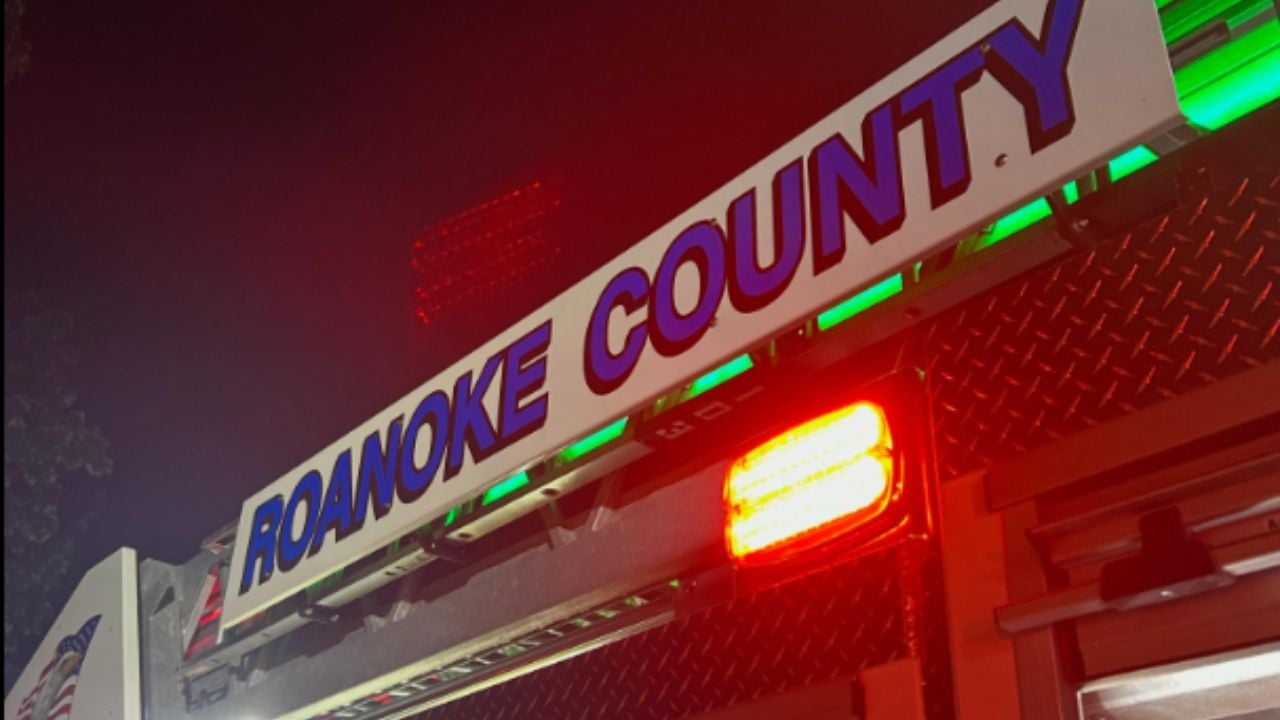
Roanoke County Fire & Rescue crews were called to the 200 block of Gunn Avenue just before 5 a.m. after reports of a residential structure fire, according to WSLS.
Firefighters found heavy fire at the home and brought the blaze under control in about 10 minutes. One resident was taken to the hospital, and officials said one cat and one dog survived.
Investigators estimated the fire caused about $100,000 in structural damage. The cause had not been determined.
The Fire Displaced Two Residents
WSLS reported that two residents were displaced after the fire. One of them was taken to the hospital, and the American Red Cross was providing assistance after the home could no longer be occupied.
A neighbor, Allen Dawes, told the station he woke up to smoke, lights, fire trucks, and ambulances outside.
He said he saw smoke coming from the home and a neighbor standing near an ambulance.
Animal Groups Pointed To Capacity For Care
The number of animals inside the home prompted local animal welfare advocates to speak about pet ownership and safety.
Lisa O’Neill, director of Angels of Assisi, told WSLS that homes with many animals can carry fire risks owners may overlook, including pet hair, lint, and household items that can create hazards.
Julie Rickmond of the Roanoke Valley SPCA said responsible pet ownership depends on “capacity for care,” including the ability to meet animals’ physical and mental needs.
For homeowners with several pets, that care can include enough space, safe routines, cleaning, veterinary planning, evacuation plans, and a realistic look at what one household can manage over time.
Pet Fire Safety Starts Before An Emergency
The American Red Cross advises pet owners to extinguish open flames, protect or remove stove knobs, keep young pets away from fire-starting hazards, and make sure pets have collars so firefighters can identify them more easily.
The ASPCA also recommends practicing escape routes with pets, keeping the phone number and address of a local animal hospital handy, and using a rescue alert sticker near the front door with current pet information.
In a fast-moving fire, pets may hide in familiar places. Knowing those spots, keeping leashes or carriers easy to reach, and telling firefighters how many animals are inside can help when smoke, noise, and panic make a search harder.