Nevada’s New Casita Law Could Change What Homeowners Can Build in Their Backyards
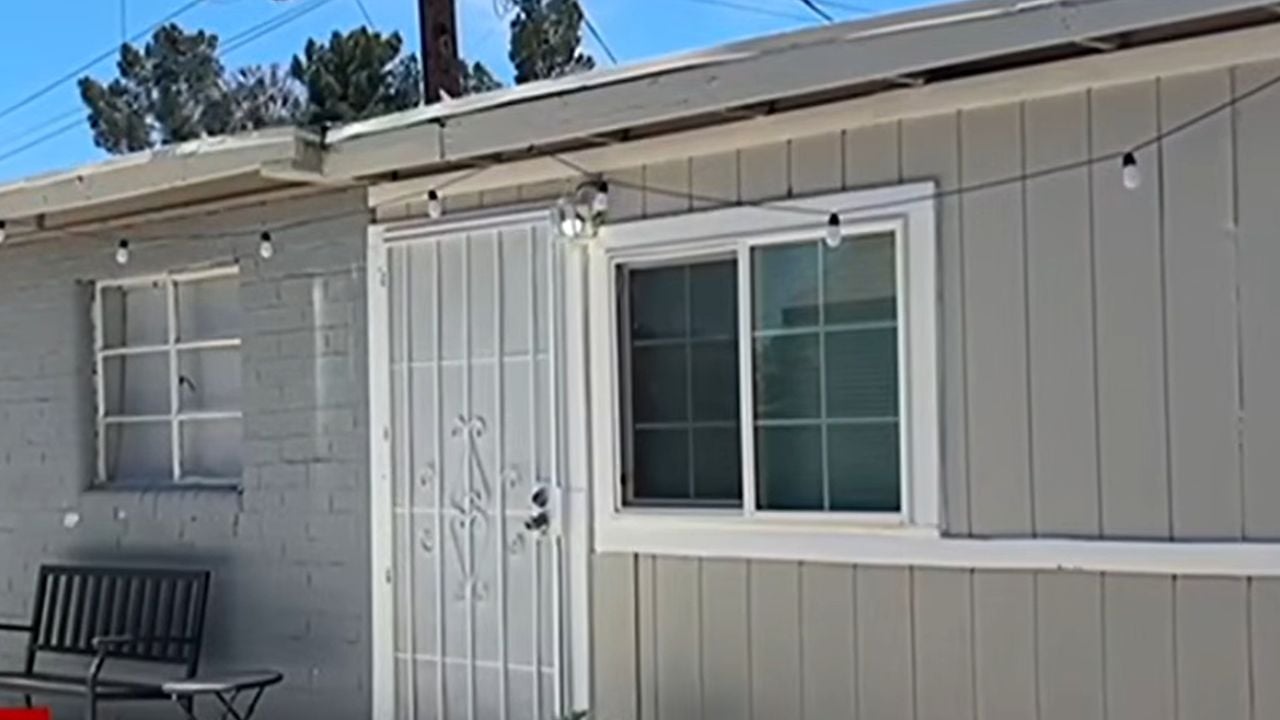
Nevada homeowners may soon have more options for adding a casita, in-law suite, granny flat, or other small second living space to a residential property.
The change comes from Assembly Bill 396, a new state law aimed at expanding accessory dwelling units, or ADUs.
FOX5 Vegas reported that larger cities and counties must make any needed code changes by July 1.
ADUs are separate living spaces on the same property as a primary home. They can be detached, attached, or built inside the main residence, with their own kitchen and bathroom.
The Law Targets Bigger Cities And Counties
The Nevada Legislature says AB 396 applies to counties with populations of 100,000 or more and cities with populations of 60,000 or more. Those local governments must authorize ADUs on single-family residential property.
If a covered city or county does not adopt a compliant ordinance before July 1, 2026, the law says ADUs are authorized on residential-zoned parcels without restriction.
That deadline gives local governments a strong reason to update their own rules instead of leaving homeowners and builders waiting for answers.
Local Rules Still Shape The Final Project
The law limits some common barriers. Local ordinances cannot prohibit separate kitchen facilities, require more than one additional parking space when existing and street parking can meet the need, or block an owner from using an ADU as rental housing.
Cities and counties can still restrict transient lodging, and ADUs still must meet applicable building, housing, health, and safety codes.
That means the state law may make ADUs easier to approve, but it does not make every backyard ready for the same project. Lot size, setbacks, utilities, design, access, parking, permits, and local review still matter.
Las Vegas-Area Governments Are Already Responding
FOX5 Vegas reported that North Las Vegas staff said the city’s current code already complies with state law.
Las Vegas introduced an ordinance clarifying setbacks, ADU size, lot sizes, and that only one residential ADU is allowed on a property.
Henderson staff told the station the city had already expanded ADU options in 2022 and passed minor changes last fall to comply with AB 396. Clark County staff said March code changes removed several lot-size limits for accessory living quarters, though special use permits are still needed in some cases.
Homeowners Need More Than The State Law
Before planning a casita, homeowners still need to check city or county zoning, permit steps, utility connections, building-code requirements, parking, setbacks, and any HOA or neighborhood architectural rules.
They also need to be clear about how the space will be used. A unit for a parent, an adult child, a long-term tenant, or occasional guests can raise different design, privacy, parking, insurance, and tax questions.
AB 396 gives more Nevada homeowners a path to consider a second living space. The final answer for any one property will still depend on the lot, the local ordinance, the project design, and the way the homeowner plans to use the unit.