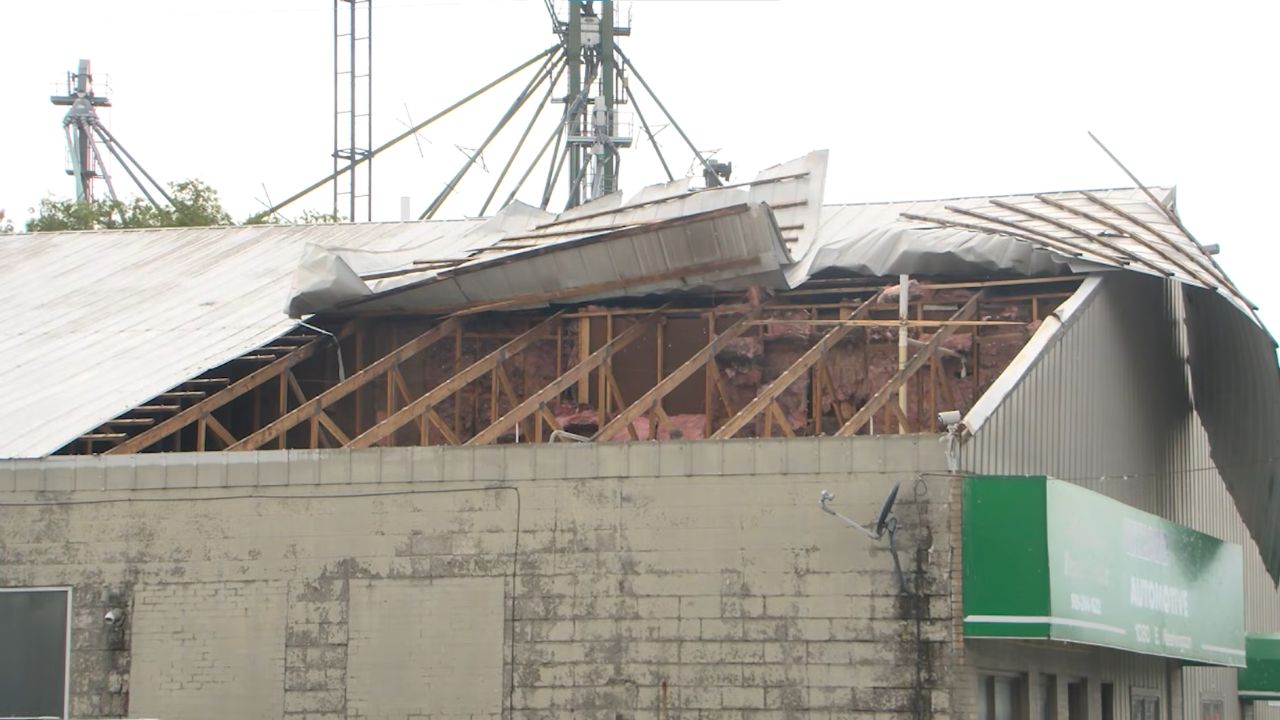
Storm-Damaged Homeowners Warned As Contractor Fraud Rises 38% Nationwide
Homeowners cleaning up after storms are being warned to slow down before hiring anyone who knocks on the door, calls out of the blue, or promises fast repairs after damage.
The warning comes from the National Insurance Crime Bureau, which says reported contractor fraud rose 38% from 2023 to 2025. According to 23ABC, the group is seeing more fraud tied to severe weather, including tornadoes, hurricanes, floods, wildfires, and damaging wind events.
The danger comes when people are trying to make fast decisions with a damaged roof, fallen trees, broken windows, water inside the house, or debris scattered across the yard. NICB President and CEO David Glawe said disaster victims can be hit twice: first by the storm, then by criminals trying to profit from the damage.
A contractor who shows up right after a storm may offer roof work, yard cleanup, water mitigation, debris removal, rebuilding, or emergency repairs before an insurance adjuster has reviewed the loss. That is the moment homeowners can be pushed into signing paperwork they have not had time to read.
Door-To-Door Offers Are A Red Flag After Storms
NICB says dishonest contractors often go door to door in damaged neighborhoods after a disaster. Some may pressure homeowners to pay up front, use inferior materials, or do work that does not meet code.
The Federal Trade Commission warns that scammers may claim they do not need a license, offer a discount only if the homeowner signs immediately, ask for a blank contract, or demand payment by cash, gift card, wire transfer, payment app, or cryptocurrency.
Insurance Should Be The First Call
NICB’s strongest advice is to call the insurance company first after storm damage.
The bureau warns homeowners not to let a contractor interpret the policy, discourage contact with the insurer, or rush them into signing an assignment of benefits. Signing that kind of agreement can transfer insurance rights to the contractor, so homeowners need to understand what they are giving up before they sign.
NICB also warns people to be careful with callers who claim to represent a national insurance carrier. The bureau says homeowners should not provide personal information over the phone unless the caller first confirms a claim number.
Written Estimates Can Protect The Repair
NICB recommends getting more than one estimate, checking references, verifying an active local business license, and getting the full job in writing.
The contract should spell out the cost, work to be done, schedule, guarantees, payment terms, and other expectations. Homeowners should not sign contracts with blanks or make the final payment before the work is finished.
The FTC also advises homeowners to confirm licensing and insurance, compare written estimates, keep invoices and receipts, and pay by credit card or check instead of cash, gift cards, payment apps, cryptocurrency, or wire transfer.
Suspected contractor fraud can be reported through NICB. Homeowners who believe they encountered a scam can also report it to the FTC or their state consumer-protection office.