As Cities Loosen Old Zoning Rules, Akron Homeowners Could Get More Ways to Use Small Lots and Backyards
Across older U.S. cities, homeowners can own land that looks useful but is blocked by zoning rules written for different neighborhood patterns.
Akron, Ohio, is now considering changes that could make small vacant lots, backyard cottages, duplexes, triplexes, and older residential buildings easier to use for housing.
The proposals would remove minimum lot-size requirements in the city’s legacy zoning code, expand where accessory dwelling units and small multi-unit buildings can be built, and protect some older residential uses that no longer match current zoning rules, according to Signal Akron.
City spokesperson Stephanie Marsh told Signal Akron that the proposals are expected to come before City Council later this summer after officials gather feedback through community meetings and surveys.
The Proposal Would Remove Minimum Lot Sizes
One proposal would eliminate minimum lot-size rules in Akron’s legacy zoning code. The city’s June 15 Planning Commission packet says current rules require single-family dwellings to sit on lots of at least 4,000 square feet, while buildings with two or more units must be on parcels at least 60 feet wide and at least 7,000 square feet.
Planning staff said those rules conflict with long-standing development patterns in the city, especially in older neighborhoods. The staff report also said the rules make it unnecessarily difficult to redevelop land where houses once stood.
The city owns hundreds of vacant lots that used to have houses on them but are smaller than the current 4,000-square-foot threshold. Signal Akron reported that about 2,000 lots citywide could be easier to develop if the lot-size requirements were removed.
If adopted, the change could let development on smaller lots move forward without extra review tied only to lot size. Owners would still have to meet yard, building, permit, and other zoning requirements that apply to the specific property.
Backyard Cottages and Duplexes Could Become Easier to Build
View this post on Instagram
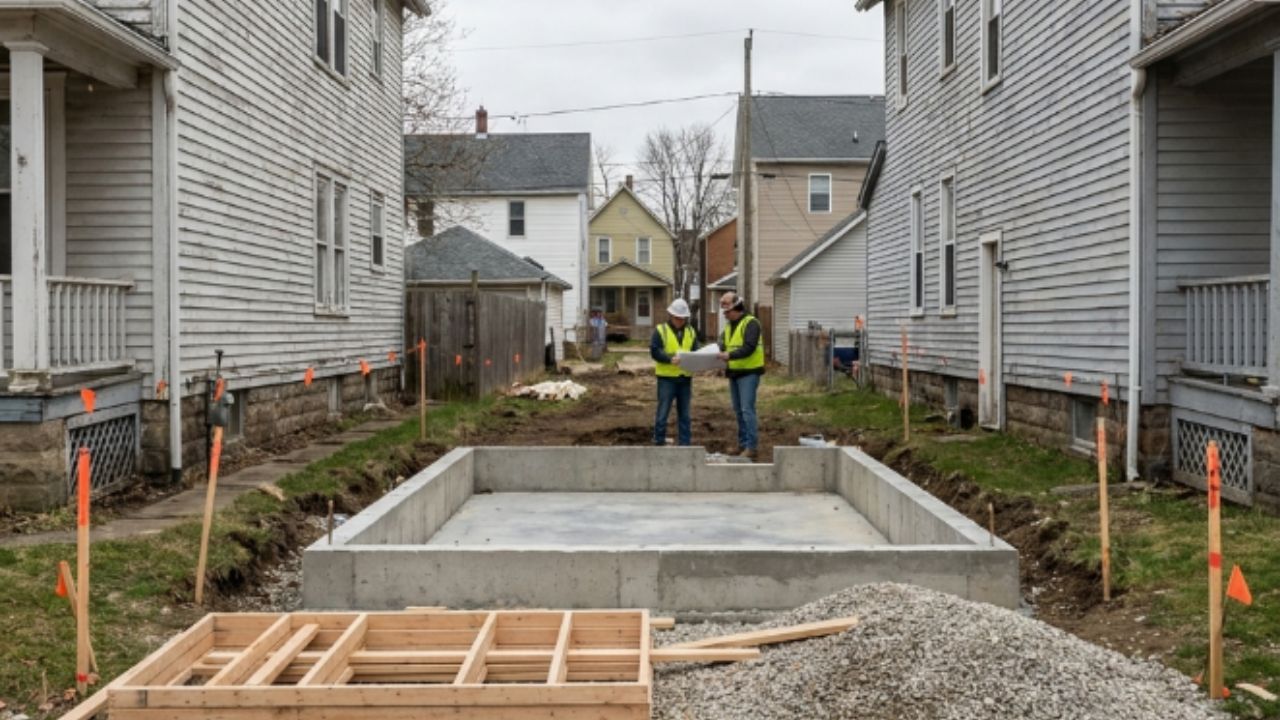
A second proposal would expand where duplexes, triplexes, and accessory dwelling units can be built. That could affect homeowners who want to add a carriage house, in-law suite, or small backyard home for relatives, rental income, or downsizing.
Signal Akron reported that city planning employees regularly hear from residents who want to add more housing to their property but are blocked by current rules. One example in the city’s explanation involved a woman who wanted to build a backyard cottage, move into it, and rent the main house to her child and grandchild.
The proposal says recalibrating zoning rules would give builders and property owners more options in residential neighborhoods. It would also move Akron away from rules that limit many areas to exclusive single-family use.
If the proposal is adopted, homeowners would still need to follow the final zoning language, building rules, utility requirements, permits, setbacks, and any property-specific limits that apply to the address.
Older Housing Could Be Easier to Reuse
A third proposal would affect properties that were legal when built but no longer fit today’s zoning. Those are often called nonconforming or grandfathered uses.
Under current rules described by Signal Akron, some grandfathered residential uses remain allowed as long as they are occupied, but they can lose that protection after two years of vacancy. The city says bringing those properties into full compliance can be difficult, expensive, or impossible, especially when a building sits on a lot that cannot be made larger.
The proposed change would remove that two-year vacancy window in areas that already allow residential use, including apartments above stores. Signal Akron reported that the city wants to make it easier to reinvest in buildings that could otherwise sit vacant because restoring them under current rules would be too costly or complicated.
Homeowners Would Still Need to Check the Final Rules
Akron’s broader housing initiative says the city is examining parts of its legacy zoning code that can be amended to remove barriers to housing production, including minimum lot-size requirements and rules for nonconforming uses.
Akron’s planning department tells residents to contact the Zoning Division with questions about the permitted use of a property. The answer can depend on the address, parcel, zoning district, building history, and whether City Council ultimately approves the proposed changes.
The proposals are still moving through the public-feedback process, so homeowners should not treat them as final permission to build.