Backyard Pool Rental Flooded A Michigan Street With Partygoers, And The City Says It Broke Zoning Rules
A backyard pool gathering in Birmingham, Michigan, has turned into a neighborhood and city-hall fight after residents said a quiet residential street was overwhelmed by partygoers, cars, police calls, and safety concerns.
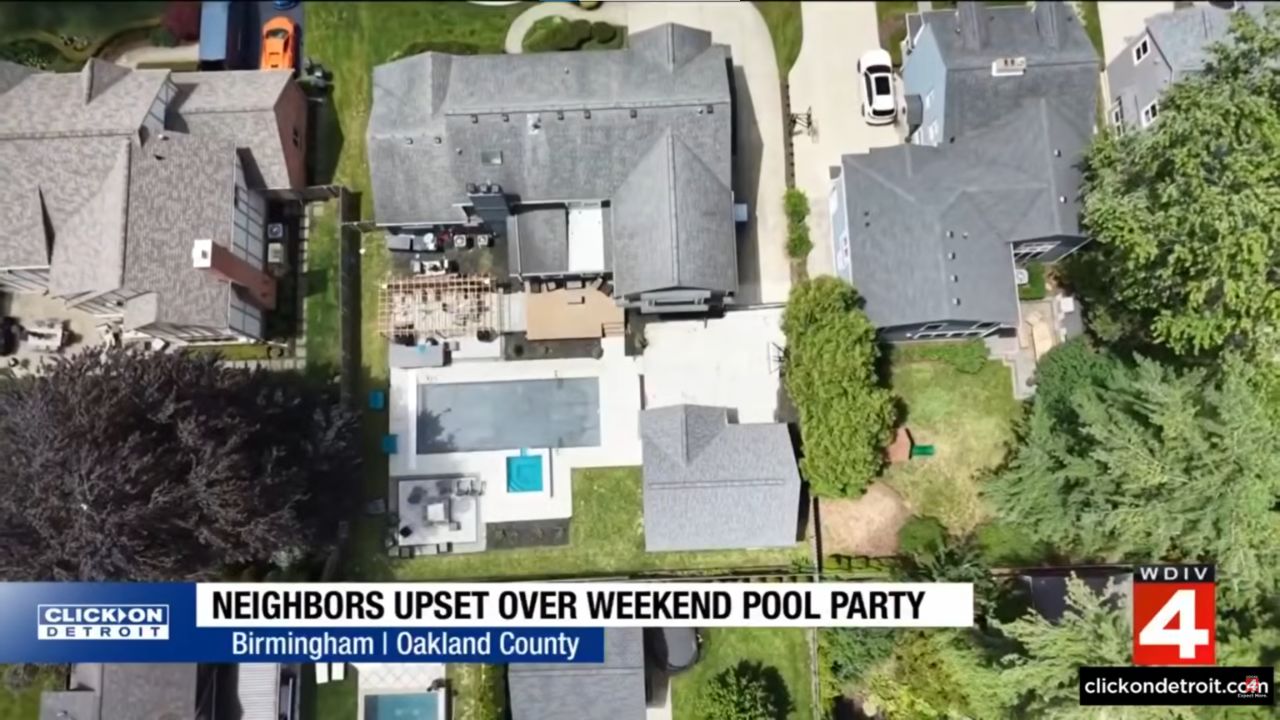
The party happened Saturday, June 13, 2026, in the 300 block of Westchester Way. According to CBS News Detroit, more than 100 people showed up, and residents later questioned why the event was not shut down sooner.
At a Birmingham City Commission meeting two days later, Mayor Clinton Baller told concerned residents that the city had failed in this case. Police said at the meeting that they initially did not realize the party constituted a zoning violation, according to CBS.
Across the country, more homeowners are finding ways to rent or lend out pools, patios, yards, and outdoor entertaining areas, but a private backyard can quickly create public problems when guests, cars, music, alcohol, and neighborhood streets are not controlled.
Before a pool, patio, lawn, driveway, or backyard becomes the setting for a paid gathering or large private event, owners need to know whether local zoning allows it, who is responsible for guests, and how parking, noise, safety, insurance, and neighbor complaints will be handled.
The City Said A Residential Pool Rental Violated Zoning Rules
The City of Birmingham said it is investigating a pool rental tied to the party. In a statement reported by WXYZ, officials said renting a private residential pool to a third party violates zoning regulations for single-family residential properties.
The city said multiple citations are being issued to both the property owner and the person who rented the pool and hosted the event. Birmingham Police Chief Scott Grewe also confirmed to CBS News Detroit that multiple people received citations, including the homeowner and the renter.
Even when a pool is on private property, local officials may treat paid use, third-party rentals, large events, parking overflow, and repeated complaints very differently from ordinary backyard recreation.
Cars, Crowds, And Police Calls Spilled Beyond The Backyard
Neighbors told local stations that the party did not stay contained behind a fence. WXYZ reported that women danced on cars, streets were blocked by heavy traffic, and neighbors said police were called 15 to 20 times during a party that lasted for hours on Westchester Way.
Residents also said there was nowhere to park on the street, cars ended up on lawns, and vehicles could not move normally through the area. ClickOnDetroit reported that neighbors described more than 150 people flooding the street, blocked driveways, public intoxication, and lewd behavior in front of families and children.
ClickOnDetroit reported that officers first responded around 4 p.m., when Police Chief Scott Grewe said there were about 50 to 60 people and no laws were being violated. Police later estimated the crowd had grown to a couple of hundred people, and officers said the gathering was shut down around 8 p.m., with the crowd reportedly gone by about 9:30 p.m.
The Homeowner Said The Event Was Supposed To Be Smaller
In a statement reported by WXYZ, he said he rented the pool to a friend, not through Swimply or another short-term rental platform. He also said the gathering was planned to be much smaller and that law enforcement did not shut it down, saying it ended at the planned time.
WXYZ reported that Birmingham police said the homeowner was cited with three misdemeanors and the party host was cited twice. ClickOnDetroit reported that police issued parking tickets, cited both the host and homeowner for noise violations, and arrested one visitor from outside Birmingham for driving with a suspended license.
Backyard Rentals Can Trigger More Than Neighbor Complaints
For homeowners elsewhere, the Birmingham fight shows how a backyard rental can create problems far outside the pool area. A crowd can affect street access, emergency response, driveways, lawns, noise limits, trash, alcohol complaints, security, guest behavior, and whether a residential property is being used like an event venue.
One city may allow small private gatherings but restrict commercial rentals. Another may require permits, limit short-term rentals, enforce noise ordinances, or treat repeated paid events as a zoning issue. Homeowners associations may add another layer of rules for pools, guests, parking, gates, common areas, and nuisance complaints.
A homeowner who accepts money for backyard or pool use should not assume a standard homeowners policy will treat that activity the same way it treats a casual family barbecue. Before taking bookings or letting someone else host a large gathering, owners should ask their insurer about guest injuries, alcohol, commercial use, liability limits, and exclusions.
The Birmingham case also shows why “I only rented it to a friend” may not solve the problem once a crowd grows. A homeowner may still have to answer for what happens on the property, how guests enter and leave, whether cars block the street, and whether the event violates local rules.
Homeowners Should Check Rules Before Renting Out A Pool Or Yard
Anyone considering a backyard pool rental, patio rental, or paid outdoor gathering should start with the local zoning office, not an app listing or a handshake agreement. The key questions are whether third-party use is allowed, whether the activity counts as a commercial use, whether any permit is required, and whether there are limits on guest count, parking, noise, hours, or alcohol.
Owners should also think through control before the event starts. That means a written guest cap, a parking plan, a clear end time, a restroom plan, security expectations, neighbor notice when appropriate, and a responsible person who can shut the gathering down if it grows beyond the agreement.