
A Bicycle Theft From a Home Shows Why Basement and Rear-Porch Doors Need Security Too
A bicycle kept at home can feel safer than one locked to a public rack, but a South Carolina burglary investigation shows why rear doors, basement entrances, garages, and sheds still need the same attention as the front door.
The Oconee County Sheriff’s Office said deputies began investigating after a suspicious-person call at a Petty Road residence on June 9. According to WSNW, a man allegedly rang a homeowner’s doorbell, asked about a stolen ATV, and left in a dark SUV.
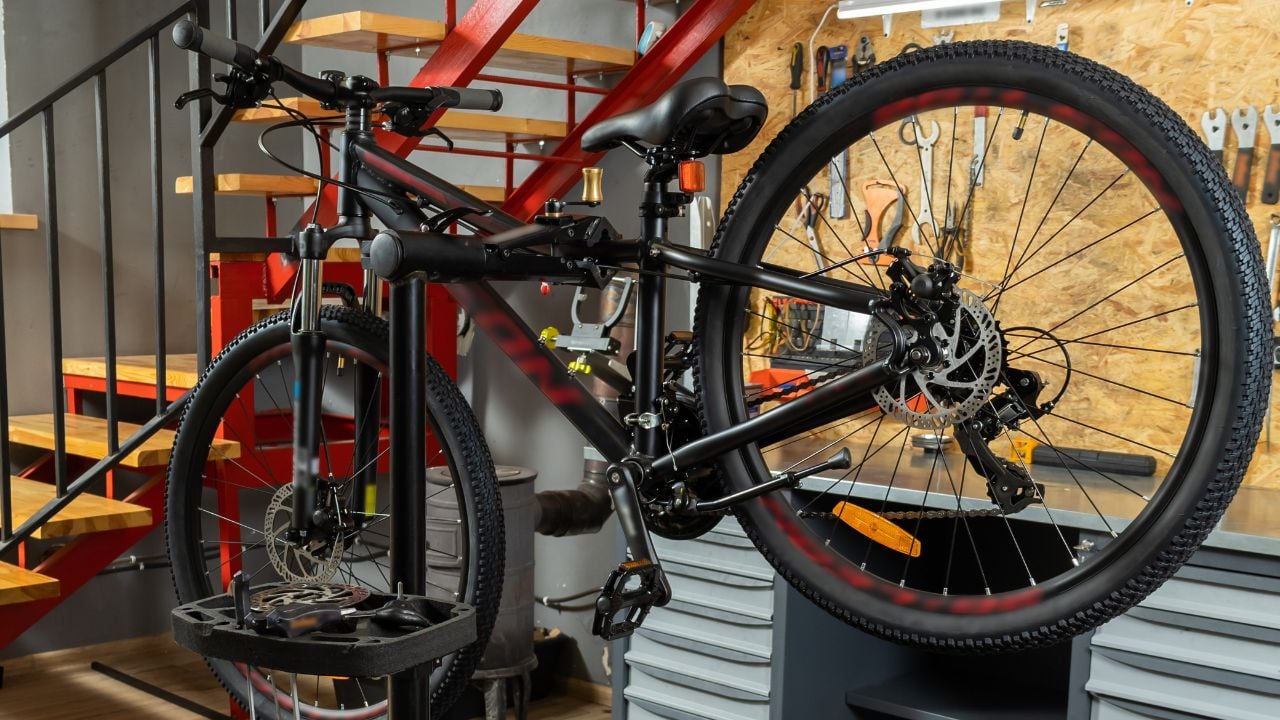
Deputies later learned that a door below the rear porch was open, according to the Sheriff’s Office. A Specialized Hardrock bicycle valued at about $400 was missing from the property.
Investigators later saw the suspect riding a bicycle nearby, recovered the bike, and returned it to the owners. Authorities identified the suspect as 22-year-old Kyle William Shumsky of Seneca and said he was charged with first-degree burglary and larceny of a bicycle. The charges are allegations, and the Sheriff’s Office said the investigation is continuing.
The Open Rear-Porch Door Was the Key Detail
The case did not begin with a report of a forced front-door break-in. It began with a suspicious visit at the door and later turned on a lower rear access point that deputies learned was open.
Rear-porch doors, basement entrances, side doors, garage service doors, crawl-space doors, and shed doors are easy to forget because they are not used as often as the main entrance. They can also sit behind the house, below a deck, near storage areas, or outside the normal view of a doorbell camera.
Homeowners should check whether those doors close cleanly, latch fully, have working deadbolts or hasps, and are covered by lighting. If a basement or rear door is where bikes, tools, mowers, fishing gear, or sports equipment are stored, it should not be the weakest door on the property.
Bikes Stored at Home Still Need Locks
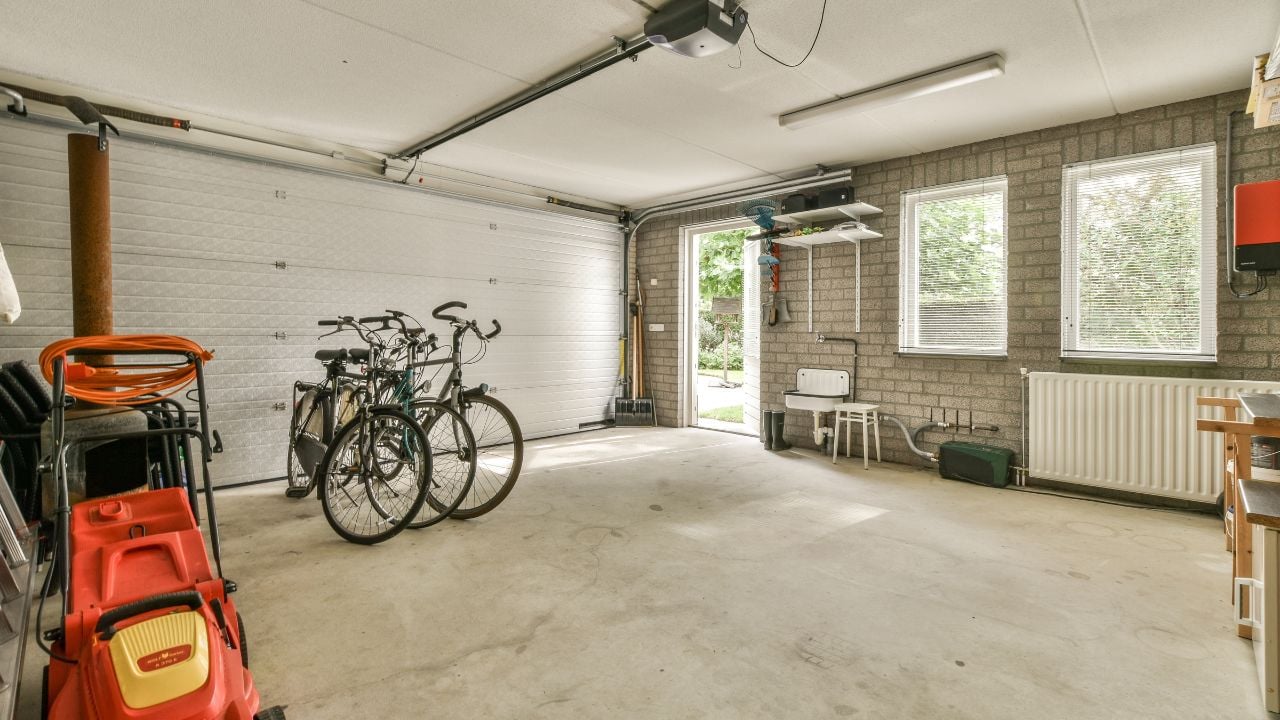
A bicycle inside a basement, garage, or shed should still be locked. Secured by Design, a police-backed crime-prevention initiative, says many bikes are stolen from homes, especially sheds and garages, and recommends locking bikes securely at home as well as on the street.
The bike should be secured to something that cannot be carried away with it. A fixed anchor, wall mount, ground anchor, or heavy internal structure can add another barrier if someone gets through the door.
Visibility matters too. A valuable bike leaning near a rear door, garage window, or open shed can advertise what is inside. Covering garage or shed windows, closing blinds, keeping bikes away from obvious sightlines, and adding motion lighting near storage doors can reduce that easy first look.
Serial Numbers Help Police Return Stolen Bikes
The bicycle in the Oconee County case was recovered and returned to the owners, according to the Sheriff’s Office. Many stolen bikes are harder to identify once they leave the property, especially if the owner cannot give police a serial number or clear description.
Homeowners should photograph each bike, record the serial number, and save the brand, model, color, frame size, accessories, repairs, and receipt information. Those details can help police identify the bike and can also help with an insurance claim.
Bike Index lets owners register bike details, including serial numbers and identifying information. Cycling UK also recommends marking and registering bikes and securing them inside sheds or garages rather than leaving them loose behind a door.
Do Not Search the Property Alone
If a rear door is open, a bike is missing, or a camera shows someone near the house, homeowners should not walk through the basement, garage, shed, or yard alone looking for the person. They should move to a safe place, call law enforcement, and avoid touching anything that could be evidence.
Useful details include the time, vehicle description, direction of travel, clothing, what was taken, whether doors or locks were open or damaged, and whether any cameras recorded the driveway, rear porch, basement door, garage, or street.
A missing bike can also expose a larger storage problem. The same access point may lead to power tools, lawn equipment, ladders, generators, fishing gear, sports equipment, and other items homeowners keep away from the main living area.
After a theft or suspicious visit, homeowners should check every exterior door, upgrade weak basement or shed locks, add light where storage areas are dark, save camera footage, and record serial numbers before the next item goes missing.


