Before Mowing the Lawn, Homeowners Should Check for Hidden Wildlife
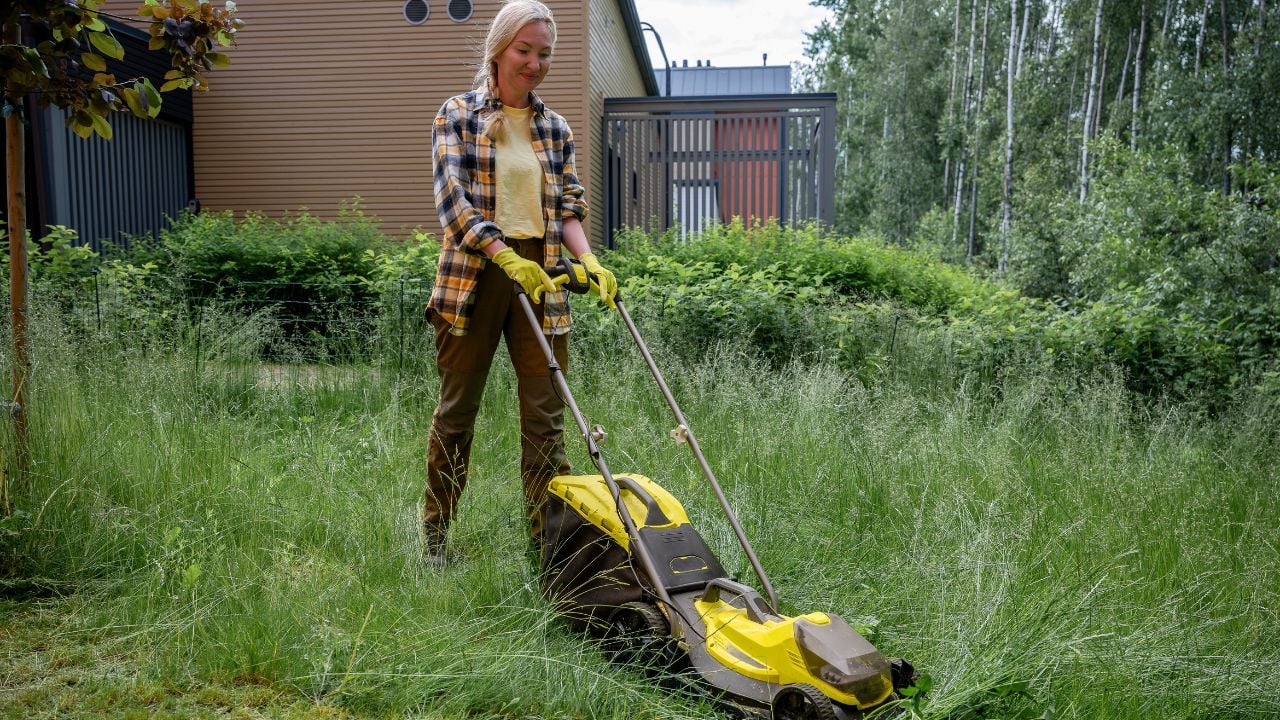
Before mowing, homeowners should walk the lawn slowly and check for rabbit nests, frogs, turtles, voles, insects, and other small animals hiding in taller grass.
A new Humane World lawn-care guide urges homeowners to survey the yard before starting the mower, especially during spring and summer when mowing season overlaps with nesting and breeding season.
The risk is easy to miss from the porch. A patch of dead grass can cover a rabbit nest, taller grass can hide frogs or turtles, and mowing from the outside inward can push wildlife toward the center of the lawn instead of giving animals a way out.
The fix does not require turning the whole yard wild. A slower pre-mow check, a higher blade setting, and one less-traveled patch of longer grass can reduce harm while keeping the outdoor space usable.
Rabbit Nests Can Look Like Dead Grass
View this post on Instagram
One of the easiest signs to miss is a cottontail nest. The Forest Preserve District of Will County says rabbit nests are often shallow depressions covered with grass and plant material, which can make them look like small dead patches in the lawn.
The district says nesting season can continue through September, so homeowners should keep checking beyond early spring. If a nest is found, pets should be kept away, and the area should be left alone unless the rabbits are injured or in immediate danger.
Humane World says mother rabbits usually feed their babies only at dawn and dusk, which can make a healthy nest look abandoned during the day. If a nest has been disturbed, homeowners can put it back together, cover the babies with the original grass, and place small twigs or pieces of yarn in a grid over the nest to see whether the pattern moves after the next dawn or dusk feeding period.
Mow High and Work From the Center Outward
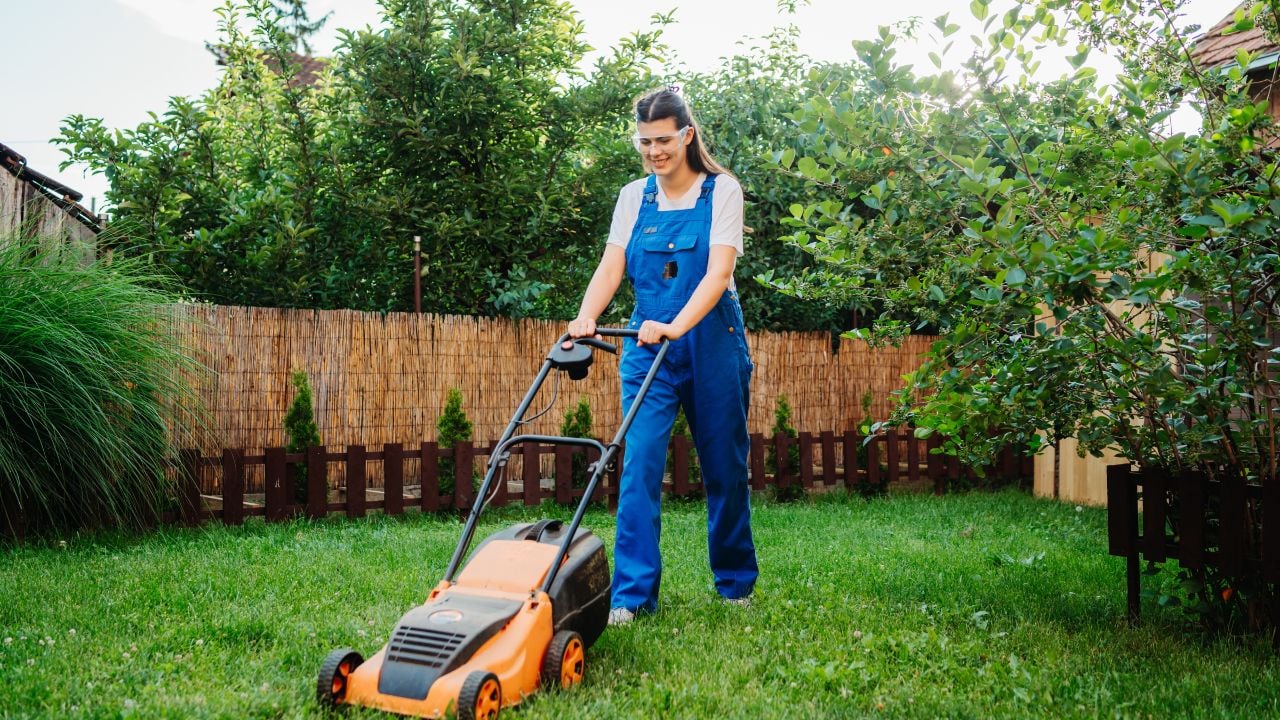
Humane World recommends keeping grass at least 3 inches tall, which can provide better habitat for small animals and improve grass health. A higher mower setting can also help the lawn handle warm weather with less stress.
Mowing direction matters too. Many homeowners cut around the edges first and work toward the middle, but that pattern can trap small animals in the center of the yard. Humane World recommends mowing from the center outward so wildlife can move toward the edges and leave the lawn.
Plantlife gives similar guidance, warning that mowing from the edges toward the center can leave animals without an escape route. Homeowners should also move slowly when grass is tall enough to hide movement, leaf piles, shallow depressions, or small animals.
Leave Safer Areas for Wildlife Where Possible
Not every yard can become a meadow, especially in neighborhoods with HOA rules, town ordinances, children, pets, or small outdoor spaces. One unmowed strip, a corner near a fence, a native plant bed, or a less-traveled patch of longer grass can still give small animals cover.
Humane World suggests reducing the amount of yard devoted to grass and using less-traveled areas for native plants or naturalized spaces. Plantlife recommends creating a range of grass lengths, such as short paths through longer areas, so the yard looks intentional while still giving wildlife shelter.
Chemicals also matter where animals use the lawn. Humane World recommends avoiding chemical-heavy fertilizers, pesticides, and herbicides that can harm wildlife, pets, and children.
Walk the Yard Before Starting the Mower
Before mowing, homeowners should look for dead-grass patches, leaf piles, shallow depressions, movement in tall grass, turtles, frogs, baby rabbits, or areas where pets keep sniffing or digging.
If a nest, turtle, frog, or other animal is found, mark the spot and leave that area alone until it is safe to mow. Baby rabbits usually leave the nest when they are about 3 weeks old and roughly the size of a chipmunk, according to Humane World.
Then mow high, move slowly, and work from the center outward so hidden wildlife has a path out of the lawn before the mower reaches the edges.