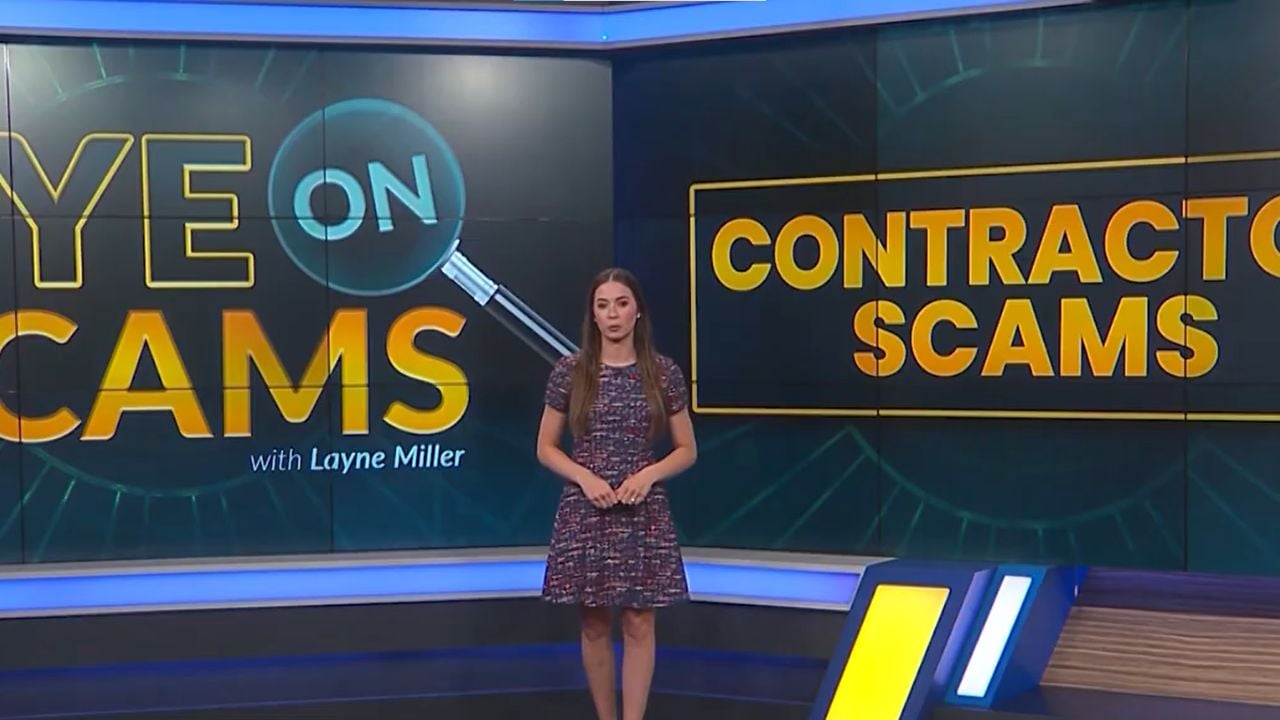
Contractor Fraud Arrest Shows Why Homeowners Should Check the License Before Paying
A Louisiana contractor fraud arrest is giving homeowners a specific step to take before paying for repairs, remodeling work, outdoor upgrades, or home-improvement projects.
An AOL/KLFY “Eye on Scams” report said Dominic Graphia, owner of Acadiana Motion Screens, was arrested out of state after being wanted for months on contractor fraud charges and extradited back to Louisiana.
The case began with multiple reports of residential contractor fraud in Iberia Parish. KATC reported that victims told detectives they hired Graphia, paid for contracted work, and did not receive the completed work required under Louisiana law.
Detectives also said neither Graphia nor Acadiana Motion Screens was licensed with the Louisiana State Licensing Board for Contractors. For homeowners, that is the part to check before a deposit leaves the account.
The Case Started With Paid Work That Was Not Completed
KATC reported that the Iberia Parish Sheriff’s Office had received multiple residential contractor fraud reports before arrest warrants were issued. Victims reported signed contracts and payments, but detectives said the work was not completed as required under state law.
The sheriff’s office obtained warrants for two felony counts of failing to perform work after receiving payment under a contract and two felony counts of undertaking residential contracting without the required valid license, according to KATC.
The case remains a criminal matter, not a conviction. The useful homeowner warning is still clear: a contractor’s license status should be checked before the first large payment, not after the job stalls.
Louisiana Law Puts Weight on the 45-Day Line
Louisiana’s residential contractor fraud law says misappropriation or intentional taking may be inferred when a person fails to perform any work for 45 days or longer after receiving payment, unless the contract specifies a longer period.
The same law also lists failing to possess the required license for home improvements or residential construction as one of the actions that can support a residential contractor fraud case.
That does not mean every delayed project is fraud. Weather, materials, permits, and schedule problems can slow legitimate work. The difference is easier to sort out when the homeowner has a written contract, a payment schedule, license information, and records showing what was promised and paid.
The License Search Should Come Before the Deposit
The Louisiana State Licensing Board for Contractors gives consumers a contractor search tool that can be used by contractor name, license number, city, parish, contractor type, or qualifying party.
That check matters beyond Louisiana. Homeowners in any state should use the correct state or local licensing board before paying for roofing, electrical work, plumbing, remodeling, additions, patio structures, storm repairs, screened enclosures, or other regulated home-improvement work.
A license search will not answer every question about workmanship, price, or reliability, but it can catch one major problem early: whether the person or company is listed as licensed for the work that requires it.
Large Upfront Payments Are a Red Flag
The FTC says home improvement scammers may pressure homeowners for an immediate decision, ask for full payment up front, accept only cash, claim they have leftover materials, or tell the homeowner to pull required building permits.
A safer agreement should spell out the contractor’s name, address, phone number, license number if required, the work to be done, materials, expected start and completion dates, payment schedule, and any promises made about labor or cost.
A low bid is not automatically a scam, but a price far below the others should lead to more questions about materials, permits, cleanup, subcontractors, warranty coverage, and the full scope of work. A detailed written estimate makes those differences easier to see before money changes hands.
Keep Records if the Job Stalls
The hardest time to verify a contractor is after payment has been made and calls stop getting returned. Before signing, homeowners should search the business name with words such as “complaint,” “scam,” and “review,” check licensing records, ask for proof of insurance, and call references from recent projects.
If a contractor has already taken money and stopped work, homeowners should keep the contract, receipts, text messages, emails, photos, payment records, and permit documents. The Lafourche Parish District Attorney’s Office also advises consumers to keep building-project records, including contracts, written changes, bills, receipts, and photos from different stages of the project.
Those records can matter when filing a complaint with a licensing board, consumer agency, local police department, sheriff’s office, or state attorney general.