6 Items to Never Leave Plugged in Overnight (to Save Money and Stay Safe)
Most homes hum with quiet electricity long after the lights go out. Some devices stay perfectly safe. Others build up heat, waste energy, or create real hazards no one notices until morning.
Heating elements, batteries, and standby circuits all behave differently once they run for hours unattended. A small flaw or a worn cord can turn an everyday item into a fire source.
Fire officials and energy experts both point to the same group of common household items as the worst offenders. These are not rare gadgets. They live in nearly every kitchen, bathroom, and living room across the country.
Below are six of those items, along with why each one deserves a quick unplug before bed. Each section covers the danger, the reason behind it, and a simple step that lowers the risk.
1. Heat Styling Tools
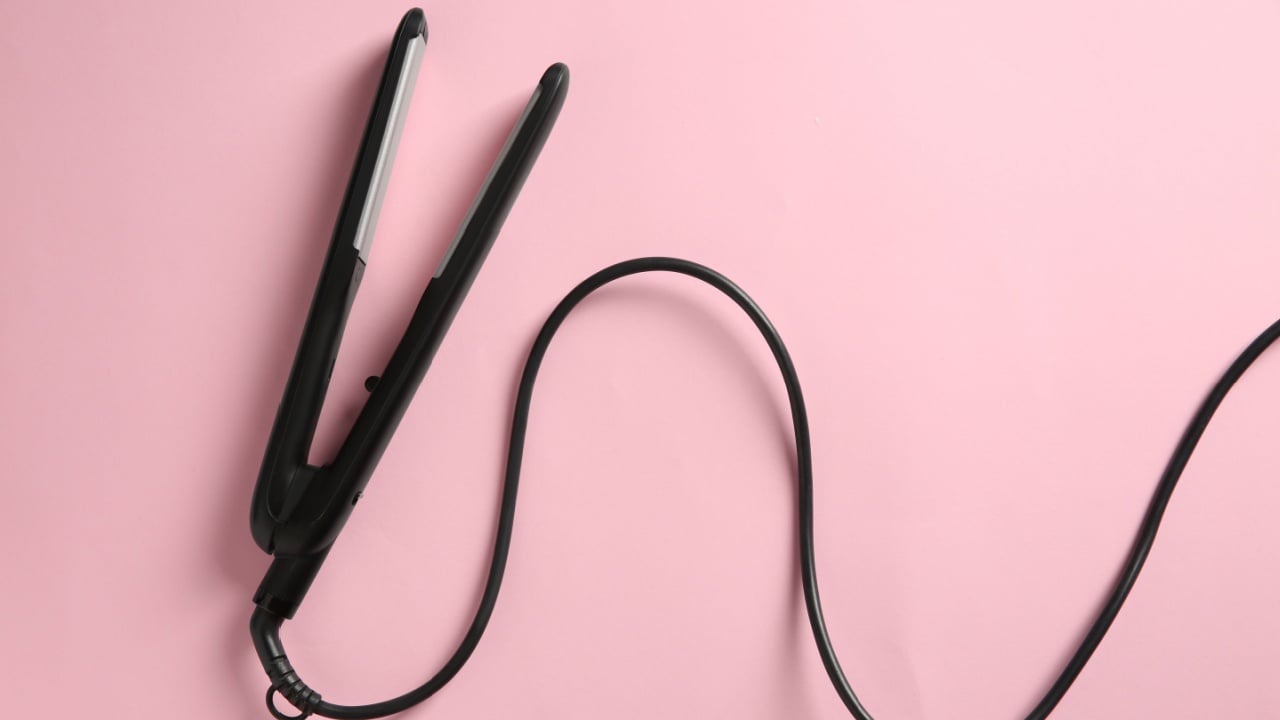
Curling irons, flat irons, and hair dryers reach extreme temperatures fast, often well above 400 degrees. When one stays plugged in overnight, a stuck switch or faulty thermostat can keep that heat flowing with nothing to absorb it.
A hot plate resting on a towel, a counter, or a bathroom rug becomes an easy ignition point. Many home fires trace back to a heat-styling tool that someone assumed was switched off.
Unplug each tool the moment styling ends and let it cool on a heat-safe surface before storage. Models with an automatic shut-off feature add a layer of protection, though that feature can fail with age.
2. Entertainment Systems

Televisions, game consoles, and cable boxes rarely power down completely. Most slip into a standby state that keeps internal components warm and ready for an instant restart.
That convenience pulls a steady trickle of electricity through the night. Several devices on one power strip can quietly waste a noticeable share of a household’s energy bill.
Standby power also keeps circuits live, which raises a small but real risk during a storm or a voltage surge. A single switched power strip solves both problems at once.
Flipping it off cuts power to every connected device with one motion. Households that do this often see lower bills and cooler equipment that lasts longer.
3. Smartphones and Computers
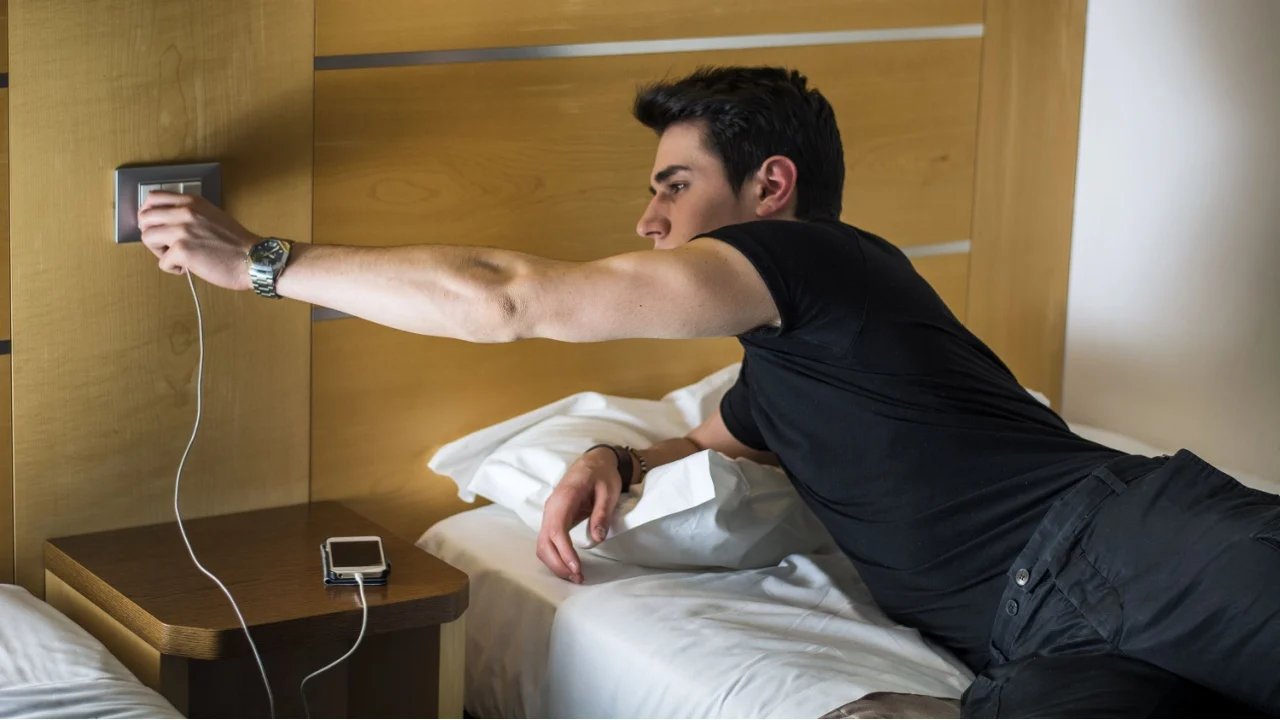
A phone or laptop does not stop using power once the battery hits 100 percent. The charger keeps a small current moving to hold that full charge, which adds heat to the battery over many hours.
Lithium-ion cells dislike constant heat, and repeated overnight charging shortens their lifespan. A device left on a soft surface, like a bed or pillow, traps that warmth and makes the problem worse.
Charging during waking hours and unplugging at full power keeps batteries healthier for longer. A hard, flat surface helps heat escape and lowers the chance of damage.
Some newer phones offer a setting that slows the final charge to reduce strain. Removing the device from the charger before sleep remains the simplest protection.
4. Kitchen Countertop Appliances

Coffee makers, toasters, and electric kettles all contain heating elements that can misfire. A faulty thermostat or a worn internal wire may stay active even when the appliance looks idle.
Overnight, that hidden heat can scorch nearby items or spark a fire near curtains, paper towels, or wooden cabinets. Crumbs trapped inside a toaster make the danger sharper, since they catch flame quickly.
Pulling the plug after each use removes the entire risk in seconds. Coffee makers with a programmed brew time are the exception, though those still benefit from a regular cord and outlet check.
Clean appliances run cooler and safer, so a quick crumb tray emptying helps. A clear counter near outlets also keeps any stray heat away from flammable objects.
5. Electric Heaters

Portable electric heaters rank among the top causes of residential fires every winter. They produce intense, concentrated heat and often sit close to beds, blankets, or furniture.
Left running overnight, a heater can overheat its own components or ignite anything that drifts too near. A tipped-over unit on a carpet can start a fire in minutes while everyone sleeps.
Turning a heater off before bed is the single most effective safety step a household can take. Newer models with tip-over switches and overheat sensors add protection, but no feature replaces shutting the unit down.
A heater needs at least three feet of clear space on every side while it runs. Plugging it directly into a wall outlet, never an extension cord, lowers the chance of an electrical fault.
6. Lithium Battery Electronics

Cordless vacuums, electric toothbrushes, and power tools all rely on lithium-ion batteries that can overheat under stress. A damaged cell or a cheap charger may push too much current into the battery during a long charge.
That extra heat can swell the cell, release gas, or, in rare cases, trigger a fire. Devices left on a charger long after they fill up face the highest strain.
Unplugging these items once they reach a full charge protects both the battery and the home. The charger and cable deserve a regular look for cracks, fraying, or warm spots.
Storing batteries away from heat and direct sunlight keeps them stable for longer. A swollen or hot battery should never go back on the charger and needs proper disposal instead.
A Quieter, Safer Home at Night
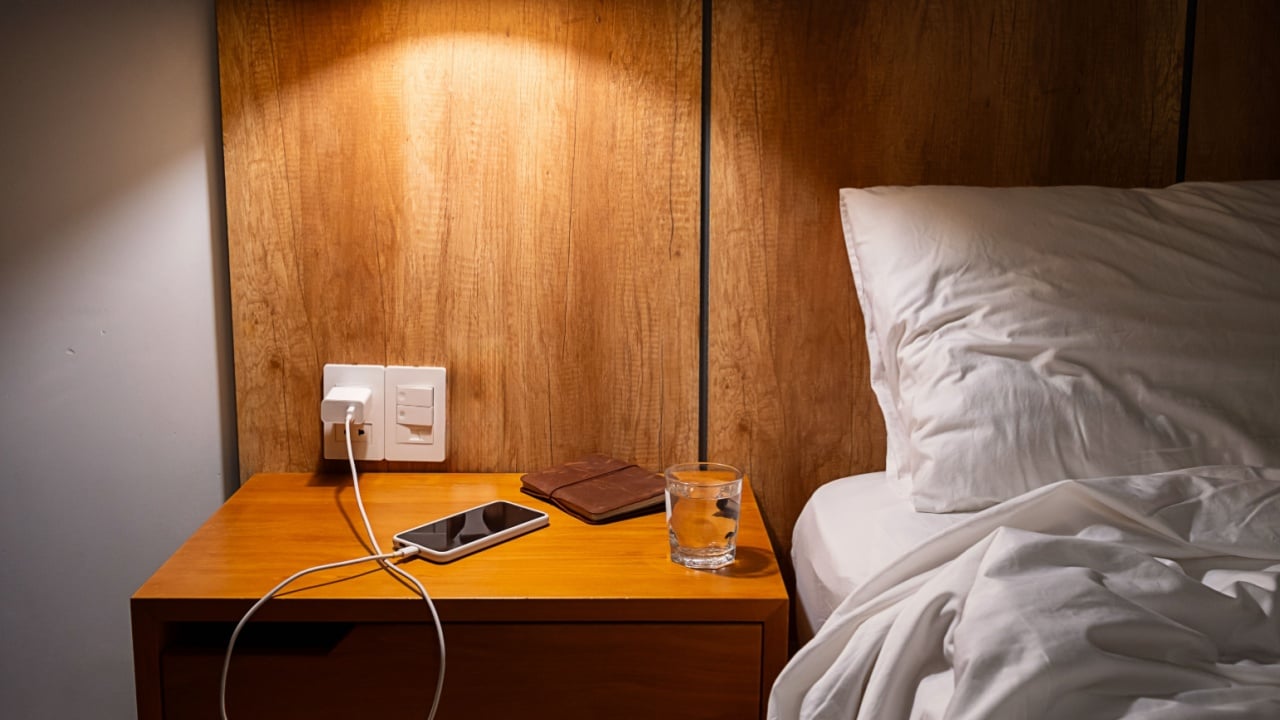
Small habits around outlets shape how safe a home stays after dark. A short walk through the house before bed turns guesswork into certainty. Most outlets sit within easy reach, so the whole routine takes under a minute.
A switched power strip, a regular cord inspection, and a firm rule against overnight charging cover most of the danger. Households that build these into a nightly pattern protect their devices, their bills, and their peace of mind.
Read More:
9 Appliances to Unplug When Not in Use and Reduce the Energy Bill
4 Holiday Decorations to Always Unplug When Leaving the House